In July and August 2025, a group of final-year undergraduates from Nanyang Technological University’s Wee Kim Wee School of Communication and Information reported from a town called Mae Sot at the Myanmar-Thailand border.
Six decades of civil war in Myanmar have displaced hundreds of thousands of refugees, many of whom now reside in Mae Sot. There, the students met migrants and refugees who now live in limbo—working, studying, and raising families while rebuilding their lives in Thailand. In this piece, they capture a Singaporean doctor’s fight to bring life-saving care to Burmese migrants in Mae Sot.
Top image: Sara Bapat
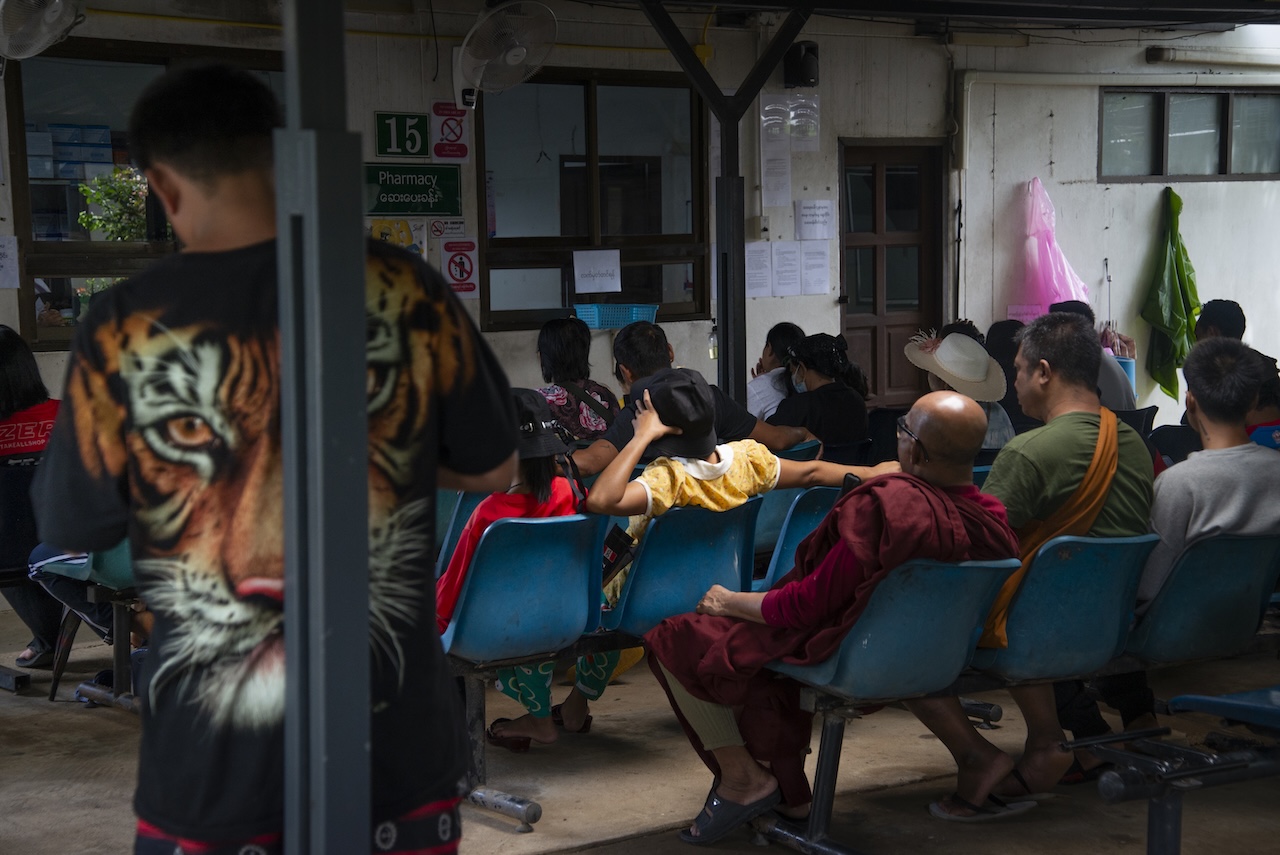
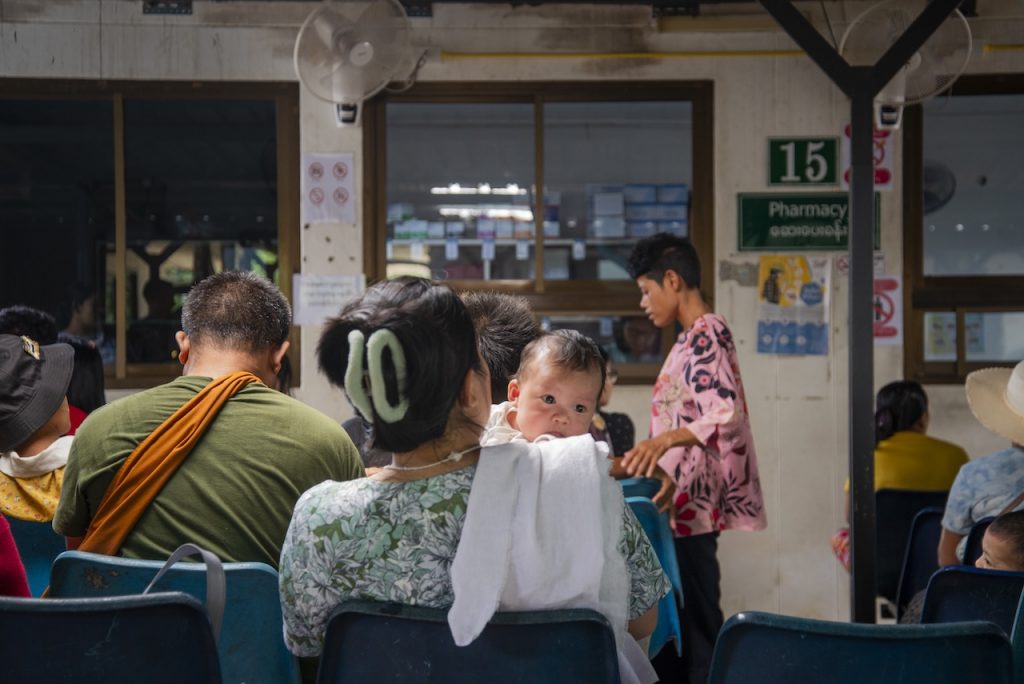
As the doors of Mae Tao Clinic’s (MTC) outpatient department close at 4 PM, about 10 to 20 patients are still waiting to be seen.
Almost daily, additional patients are redirected to the already packed round-the-clock inpatient department.
Shoulder to shoulder, mothers cradle feverish children, while others hunch over in discomfort. Some slump across benches after hours of walking to the clinic, skirting police patrols along the way.
MTC, nestled on the outskirts of the western Thai city of Mae Sot, has provided free healthcare to undocumented migrants fleeing conflict in Myanmar for over 30 years.
Many struggle financially and have no means to pay for legal documents and healthcare, according to Sainn Mya Thaw, a consultant at MTC’s paediatric outpatient department.
“The patient-to-provider ratio is not balanced,” she remarks, noting how her colleagues feel increasingly overwhelmed by the rising patient numbers.
As of 2025, the clinic has 250 health workers serving 50,000 patients, says Seongmin Kim, fundraising and grant manager of MTC. Unlike official hospitals staffed by licensed doctors and nurses, the clinic relies on health workers trained through MTC’s courses with partner medical universities.
The pressure to hire more healthcare workers has only intensified following the sudden withdrawal of funding from the US Agency for International Development (USAid) under the Trump administration.
Dr Cynthia Maung, founder of MTC, notes that the International Rescue Committee was operating with only a quarter of its original resources, forcing it to scale back essential healthcare operations.
“They cannot employ doctors, nurses, pay the stipends for health workers, or buy medicine,” she says.
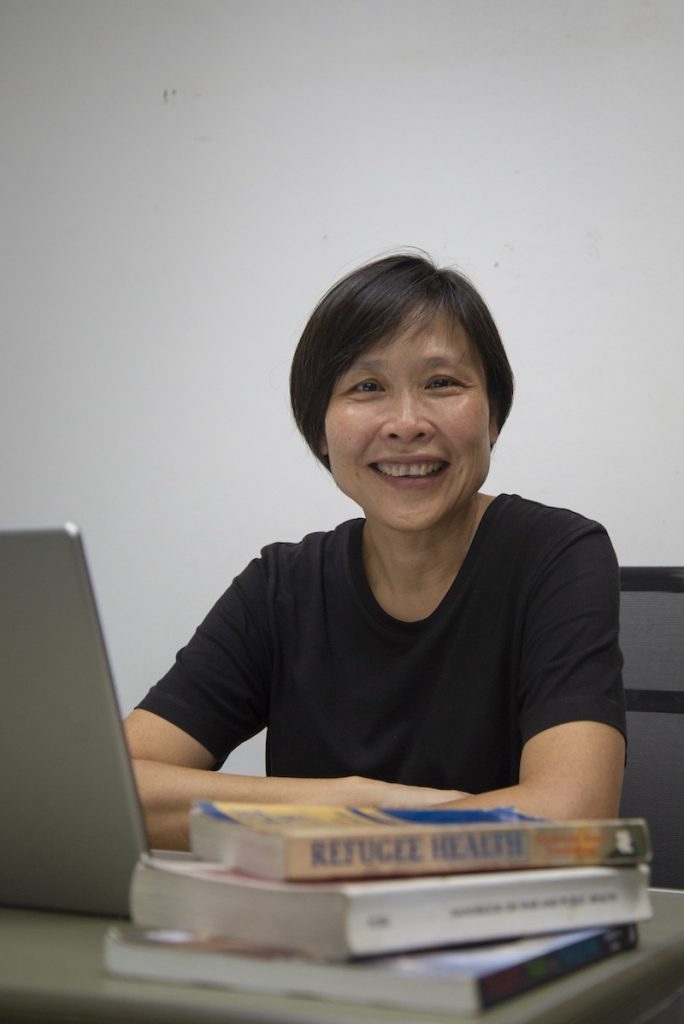
That shortfall has made training and technical expertise more vital than ever. Leading one such effort is Dr Tiah Ling, a Singaporean emergency care specialist who left her consultancy at Changi General Hospital in 2022 to deliver healthcare across low-resource regions.
A Lesson in Scarcity
During one of her earlier forays into global healthcare, Dr Tiah found herself in a small district hospital in Ghana, face to face with a patient whose blood level had dropped to 4 grams per decilitre (g/dL), far below the normal levels of 11 to 14 g/dL.
An urgent blood transfusion was needed, but the resource-strapped hospital had no blood bank. The patient had no money to pay for blood transfusions from family members or donors.
Left with no other choice, Dr Tiah turned to oral iron supplements—a far cry from what was required.
Her experiences working in thinly equipped environments made one thing evident: the significant difference a well-designed healthcare system can make.
“It’s something I experienced well in the Singapore setting,” she says. “If you have a good system upstream, you can make a difference downstream.”
It also deepened her inherent interest in providing healthcare in limited-resource areas.
So when a friend told Dr Tiah about a border-town clinic in Thailand seeking a technical consultant, she accepted the offer without much hesitation. She has been overseeing the construction and planning of MTC’s emergency care unit (ECU) in Thailand’s Mae Sot district since 2023.
The project played to her strengths: the technical expertise of emergency care was well within her comfort zone.
Care Where It’s Needed Most
Since the 2021 Myanmar military coup, patient numbers in MTC have surged.
Now, there are around 130,000 consultations per year, more than twice the number in 2022, when they had around 50,000.
When Dr Tiah first arrived, the ECU project was an “empty slate”. While MTC had functioning systems for supplies and staffing, it lacked a dedicated space and workflow for emergency care—a gap this project was designed to fill.
“The most important thing is to identify their area of need,” Dr Tiah explains. For MTC, this meant improving processes, such as the efficiency of sending referrals to hospitals.
Before, patients sometimes sat in the wards for two days before somebody realised that they actually needed to go to a larger hospital. The goal, Dr Tiah says, is to have a dedicated team and space, specifically coordinated to manage emergency care patients.
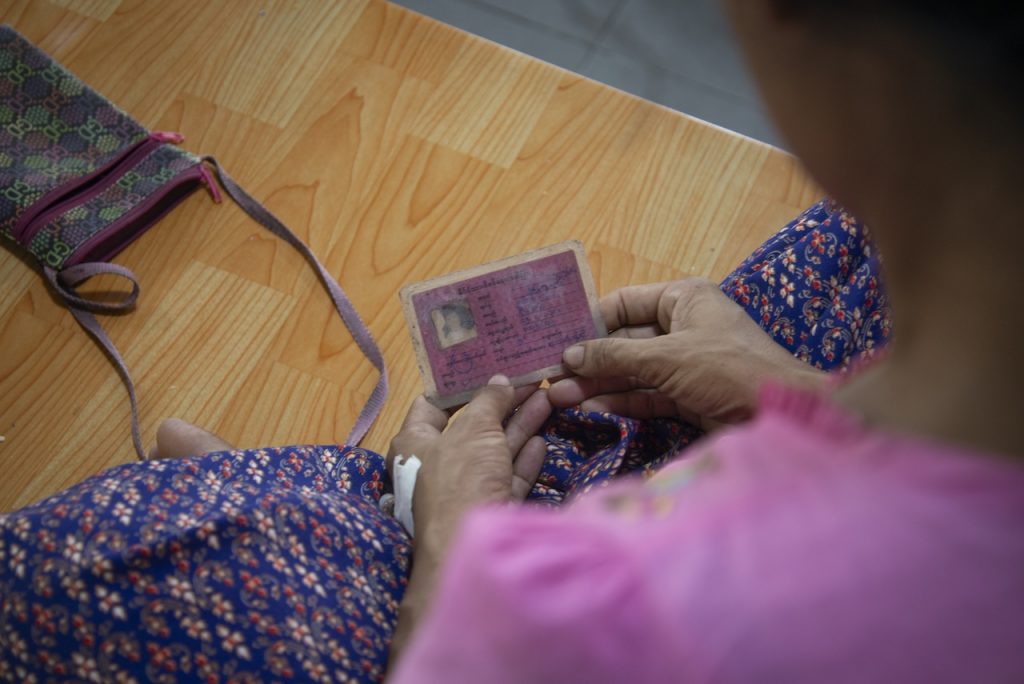
With a trained ECU team of Burmese doctors who’ve crossed the border and joined MTC, Dr Tiah aims to shorten the wait to just two or three hours.
Medical equipment, however, was another glaring gap. In its 30 years of operations, MTC never owned an X-ray machine for detecting internal injuries and abnormalities. Ultrasound machines are used instead.
Portable and versatile, these can be used in place of X-ray machines in many emergency settings, Dr Tiah explains.
In 2023, a team from SingHealth joined her to work with MTC on designing the clinic’s new ECU building and launching a year-long ultrasound training program. The course is designed for doctors and senior medics and covers the use of ultrasound in emergency care and the principles of medical education.
Their first training week, held in Aug 2025, focused on teaching experienced medics how to train nurse aides and community volunteers to use the five to six ultrasound machines MTC had.
Besides learning how to create ultrasound simulation models, or ultrasoundology, the doctors also learned teaching techniques for training lower-skilled healthcare providers.
For the first week, five doctors and senior medics attended the training. The ECU is set to open its doors in October 2025.
A Doctor Who Walked Away From the System
MTC’s ECU project is not Dr Tiah’s first stint in global healthcare.
From 2008 to 2010, she joined the Johns Hopkins International Emergency Medicine Fellowship Program, where she conducted fieldwork across Africa and Asia to improve emergency care processes—much like what she’s currently doing in MTC.
By venturing into these sparsely equipped environments, Dr Tiah began to seek more opportunities to make a significant difference beyond Singapore’s institutionalised system.
“It is very limited how much I can do beyond Singapore’s comfort setting.”
After seven years of contemplation, she finally stepped away in 2022, leaving behind nearly two decades in Singapore’s hospitals to explore work beyond institutional practice.
This was when she got the timely offer to work on the ECU—and with it, a chance to slow down.
As compared to Singapore, the pace of the border town had much less of a “pressure cooker feel”, notes Dr Tiah. She enjoys the routine of going to work and returning to her quiet one-room flat in the city centre.
“When I work here, it’s very simple,” she says.
“This work that I do here, there is a lot of ownership. Not so much on myself, but on the team that is working on this.”
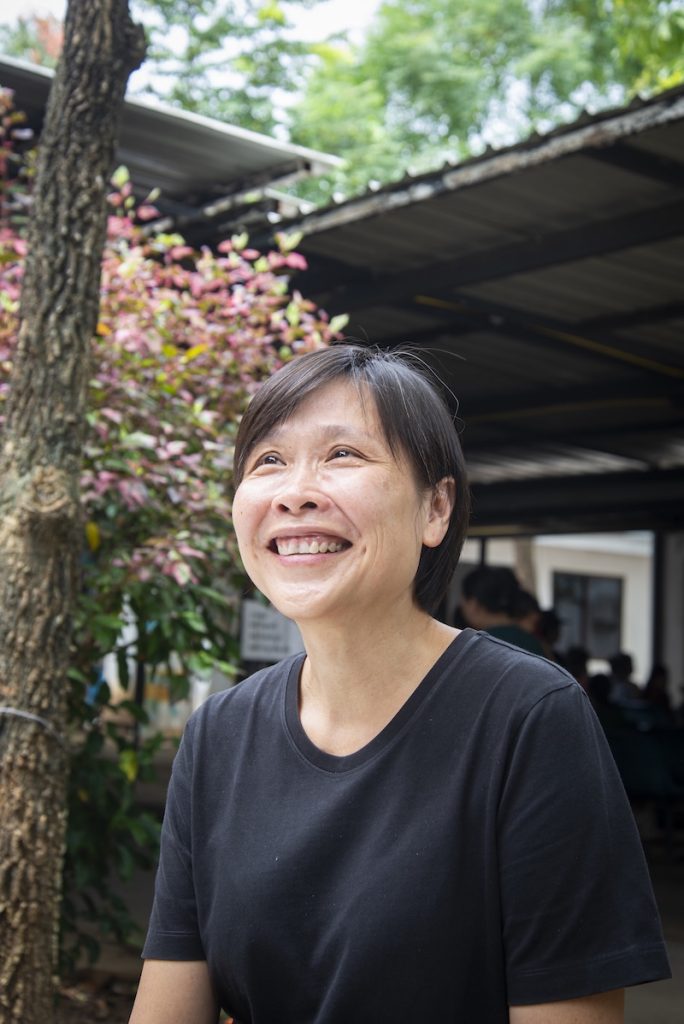
Her current ECU team consists of three freshly qualified doctors from Myanmar. The move across the border had upended their career paths, she said. But this project—where they care for patients and help build the clinic’s systems—offers them a semblance of normalcy and a chance to progress in their profession.
For Dr Tiah, helping these doctors rebuild their disrupted careers has been deeply fulfilling. It’s another way she’s making a difference beyond strengthening MTC’s healthcare system.
“This is what I like to help with.”