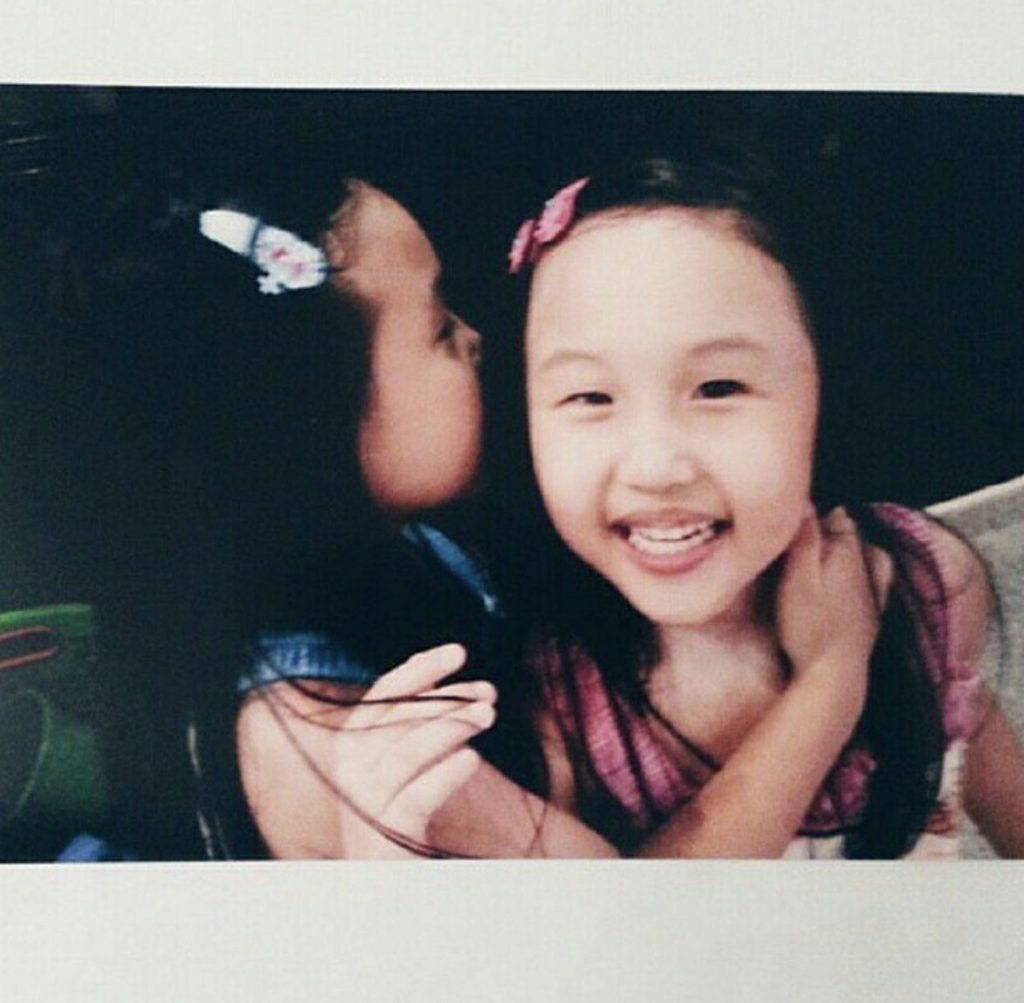


All photos by Isaiah Chua for RICE Media unless otherwise stated.
Being a twin in Singapore means living life in constant echo. It can be as confusing as it is comforting; a constant negotiation of selfhood. Throughout their whole lives in a system that loves to measure and label, they’ll always have someone to be compared to—for better or for worse.
It turns the search for a distinct personal identity into a daily puzzle. How does one find oneself when the world constantly compares you to someone who looks, sounds, and sometimes even thinks exactly like you?
Four pairs of Singaporean twins reflect on what it’s like to grow up shadowed and mirrored—and how they’ve carved out individuality. In this instalment of our photo essay mini-series Twin Echoes, sisters Odilia and Olivia Ling open up about being pulled apart by constant comparisons, and the ways they’ve reconnected.
Odilia & Olivia Ling, 23
Identical Twins
Odilia: Whenever people know that we’re twins, they think of it as something lucky.
While I agree, it also came with a lot of difficulties and struggles that we faced as kids. Now I’d like to say that we’ve mostly healed from it, but it was tough growing up because we were trying to find our own identity in the midst of it all.
Since we were kids, they’d group us into pairs, which made it extremely restrictive, especially when we were figuring out who we were as people. I felt like I wanted to distinguish myself from my sister a lot.
Olivia: Odilia’s kind, creative and very relationship-oriented. She’s also very conscientious when it comes to creative work, and with it comes a very unique artistic style. She doesn’t bullshit anyone… but she’s definitely the princess of the family.
Ultimately, she’s someone who I know will always try to understand me or what I’m going through, and I don’t feel the need to overexplain when I communicate with her.
Odilia: Olivia’s very hardworking and very driven. Very on task and disciplined—much more disciplined than I am.
Oh, she’s also very introspective. Too introspective to the point that sometimes it frustrates me. She cares a lot more than people think, even if people think she’s unbothered.
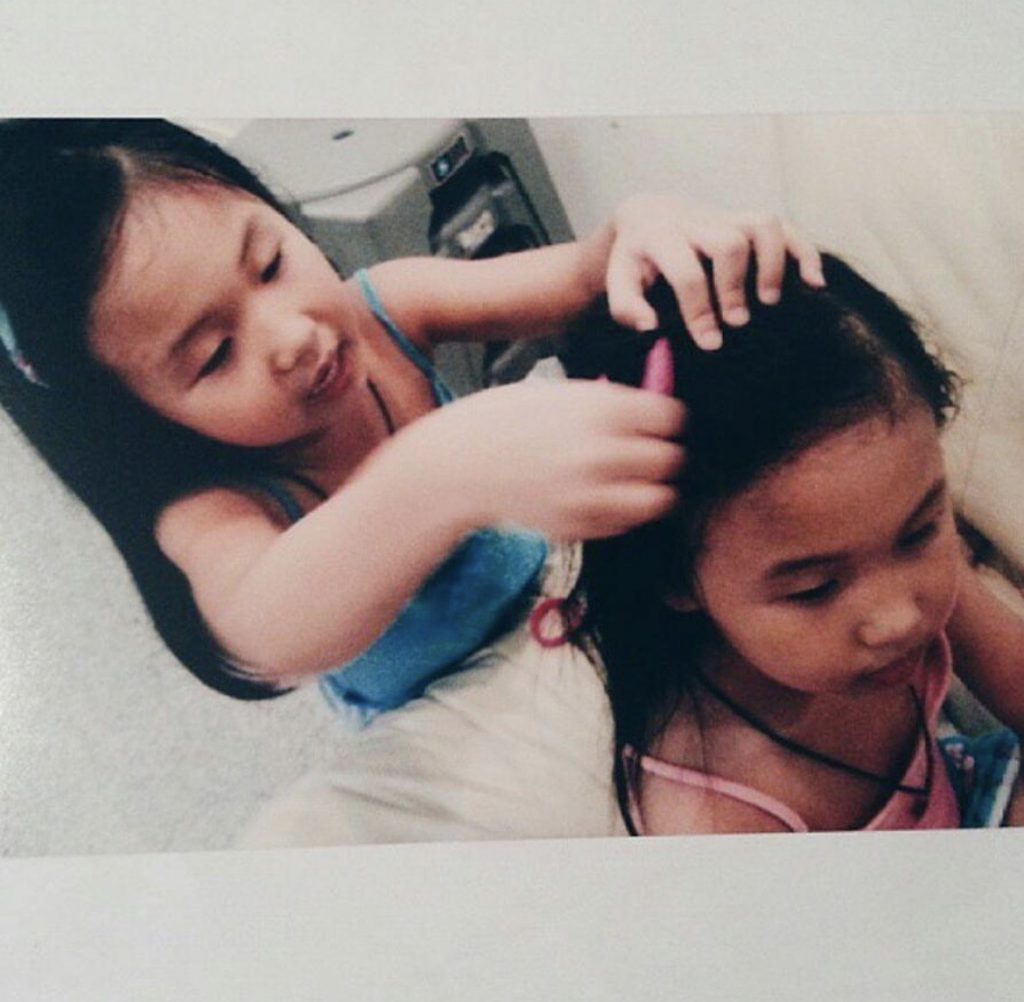
Olivia: I think the difference between being twins and normal siblings is that, as twins, there’s always a sharper point of comparison. For us, Odilia was the more well-behaved one, and I wasn’t.
But honestly, I think our personalities were just different. In a family dynamic, though, those differences made our regular traits feel like inadequacies. I was more outspoken, while Odilia was more reserved to maintain peace. Then came the comparisons.
Odilia: This comparison is tenfold stronger because you’re actively being compared to a person who looks exactly like you. She’s a mirror of what I could be and vice versa. Even when people weren’t actively comparing us, it was very easy to internalise that competitiveness.
Olivia: When we were younger, it was difficult having her as a ‘point of reference’ because I never felt okay with just being who I am. As a result, our relationship was strained.
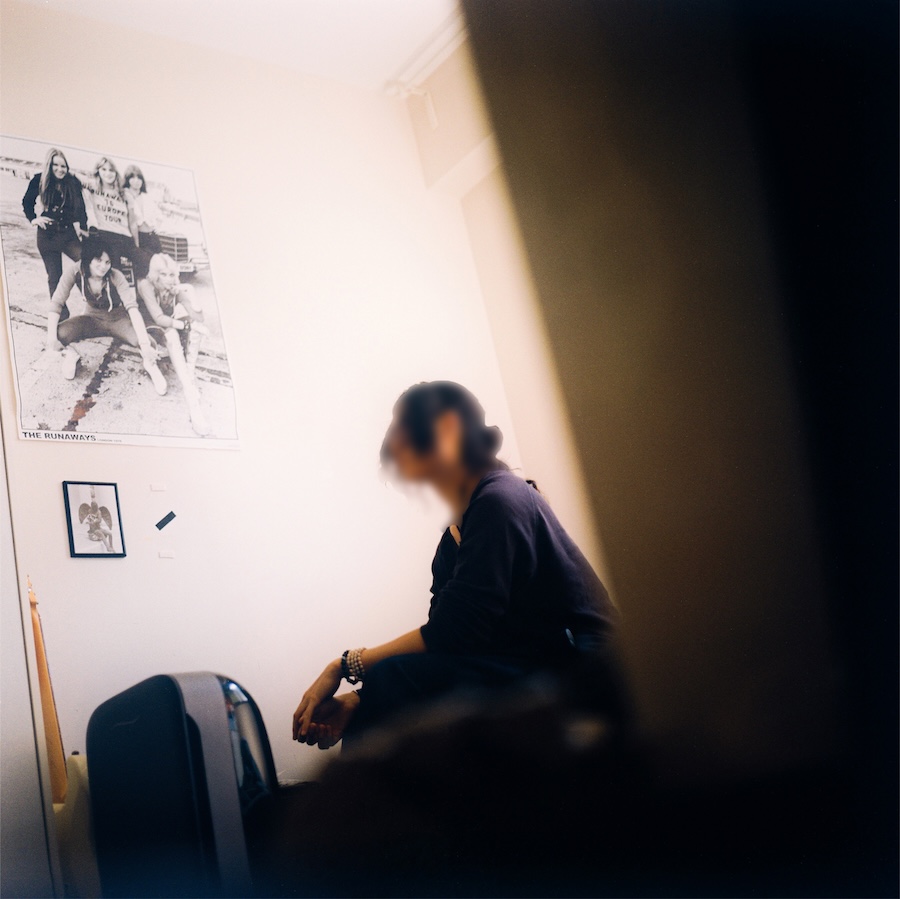
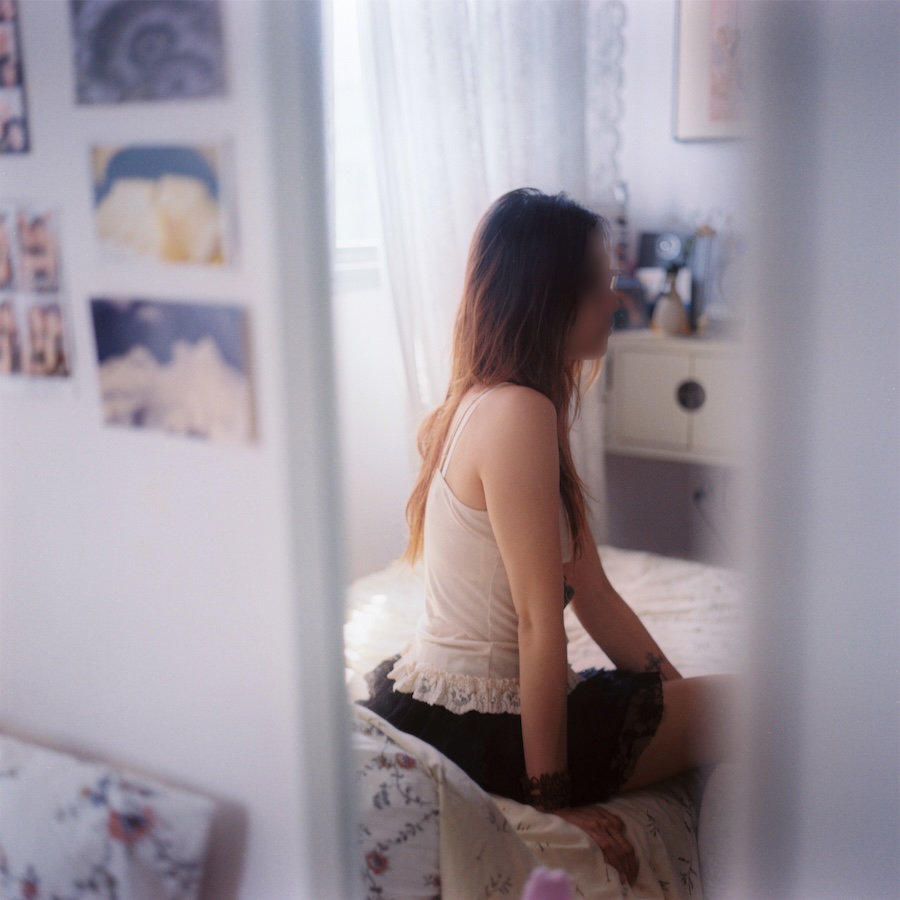


Olivia: I think we’ve healed a lot from the past. Maturing helped, but more importantly, it was realising that we didn’t want this to drive us apart. We know a lot of twins who don’t speak to each other at all.
I don’t think that outcome stems from a place of hate for their twin, but probably from built-up resentment from years of harsh comparisons.
Odilia: Our differences in traits didn’t feel like differences—it felt as though I lacked those traits, and that was a fault. Olivia was definitely more boyish, and I was more feminine. It was natural; no one made us that way.
Because most of the cousins we’re close to are male, Olivia would get along a lot better with them—and I’d feel less valued and excluded when we were partaking in activities that were considered ‘masculine’ like playing sports.
I felt that they saw her more as their kin because she was more ‘equal’ to them, whilst I was the ‘more feminine’ one among us.
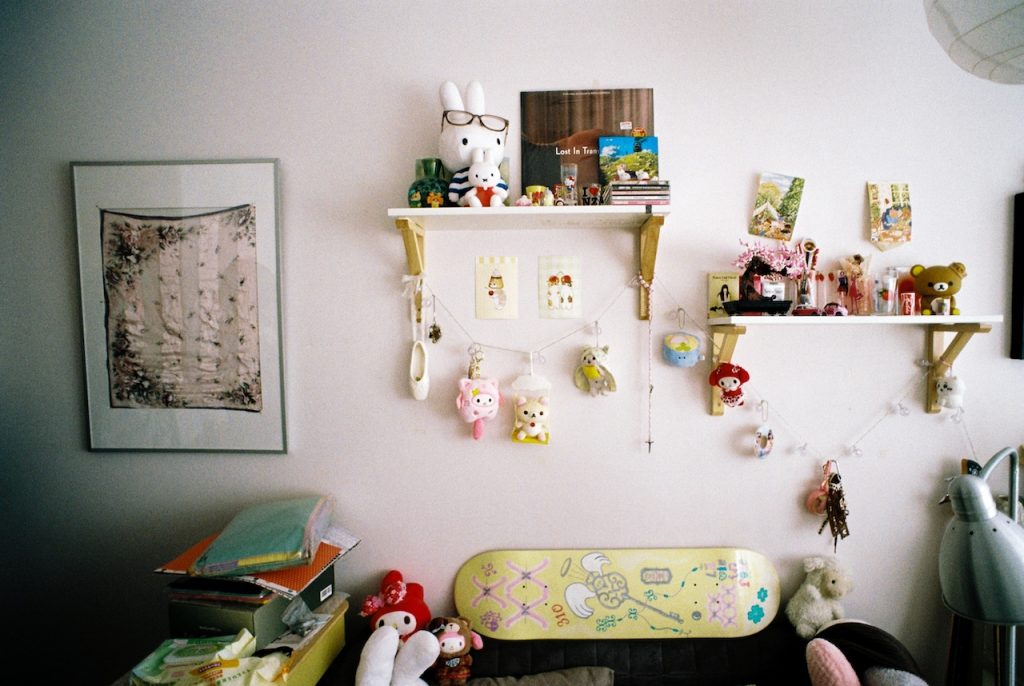
Olivia: Our stresses stemmed from different points of comparison. For myself, it was my sexuality because Odilia was more acceptable, more feminine. I felt as though I didn’t fit into the mould of a good daughter or a normal Singaporean girl.
For instance, during Chinese New Year, I would be very conscious of how I’d dress because I know I dress starkly less femininely compared to her.
I’d be really anxious, scared that my sexuality was being too exposed, which led to me being more pressured to conform to more feminine attire during large family gatherings.
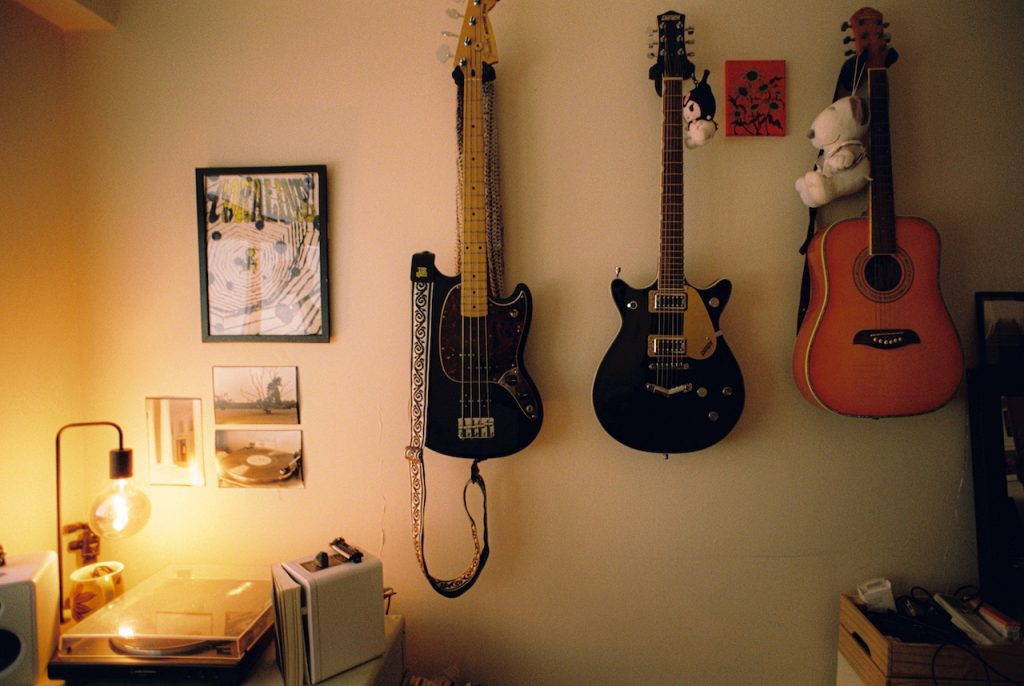
Odilia: For me, it was academic. Olivia was always stronger academically, and I had always felt like I was lagging behind. And when O-levels neared, this sentiment heightened. That was the point when we were still distanced from each other.
It was only when we started talking to each other that we realised how much we understood and related to each other, and how the resentment was pointless.
When we went to different secondary schools and started to have different friends, it was the first time I felt separate from my twin and started to explore experiences myself.
It went against the mould of what my parents expected, but in hindsight, I was just being a normal teenager.
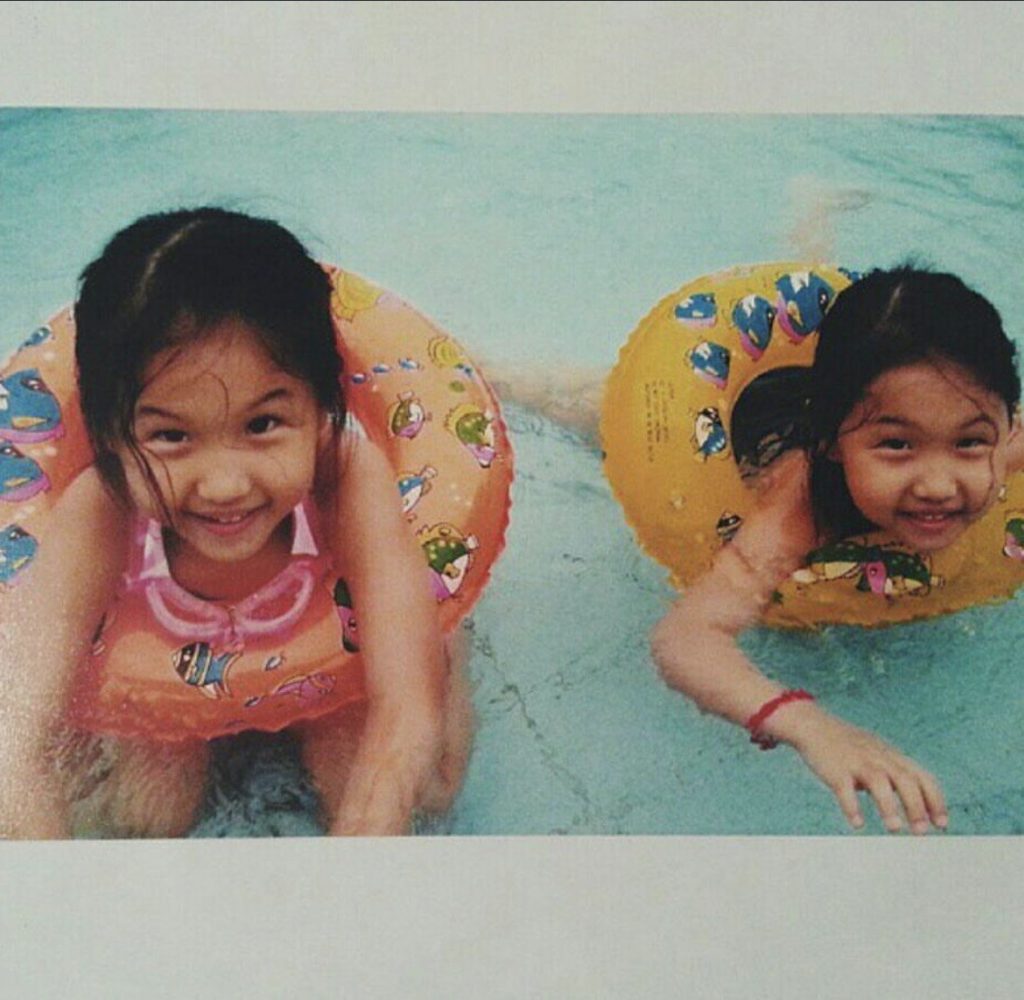
Olivia: To me, the change of environment that helped was when we moved into a new home here in Sengkang. For the first time in 18 years, we had our own rooms, which helped us feel like we had our own personal space.
Having our own space was instrumental in developing ourselves because we had our own safe space. It felt stifling before.
But the big turning point of our relationship was when I came to terms with my sexuality.
Growing up, I obviously knew that I was different from my sister. She was the straight version of me, and I was conscious of the fact that society would naturally accept her, not me. That was difficult.
The reason why we became really close and trust each other so much now is because Odilia was the first person that I came out to in the middle of Secondary 4, nearing O-Levels. Our relationship flipped from that point on.
I remember the moment I told her and how important we both realised we are to each other. At that point, she was the only surefire person whom I knew would accept me for who I am.
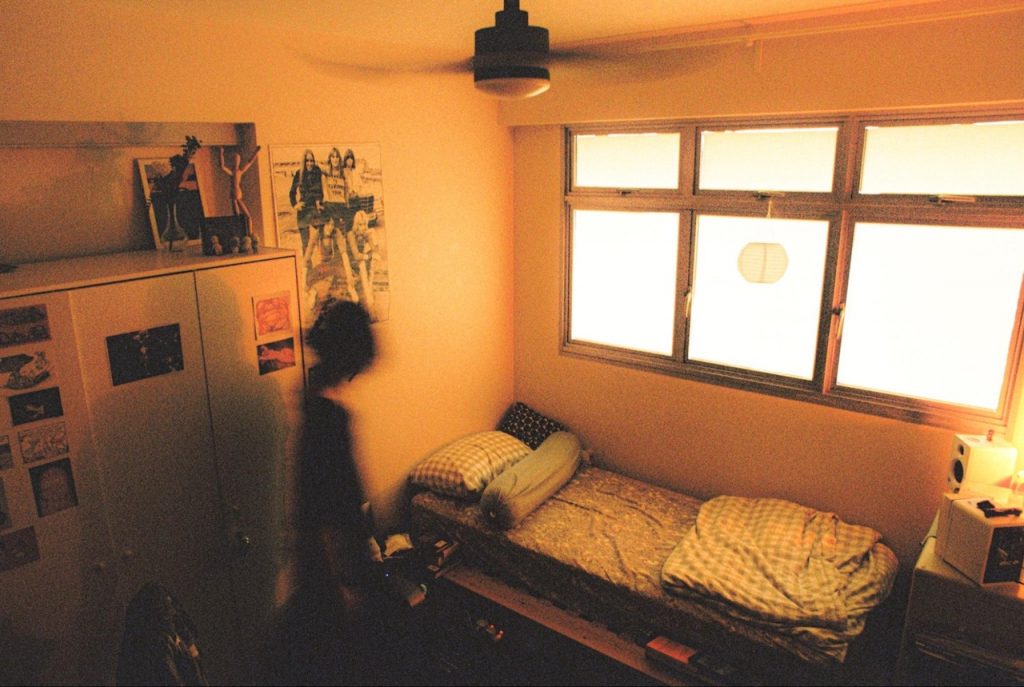
Odilia: During this time, we still hadn’t healed from the pressure of comparisons—in fact, it was at its peak.
But when she came out to me, we realised that we weren’t sure whether anyone else would accept her at that point in time.
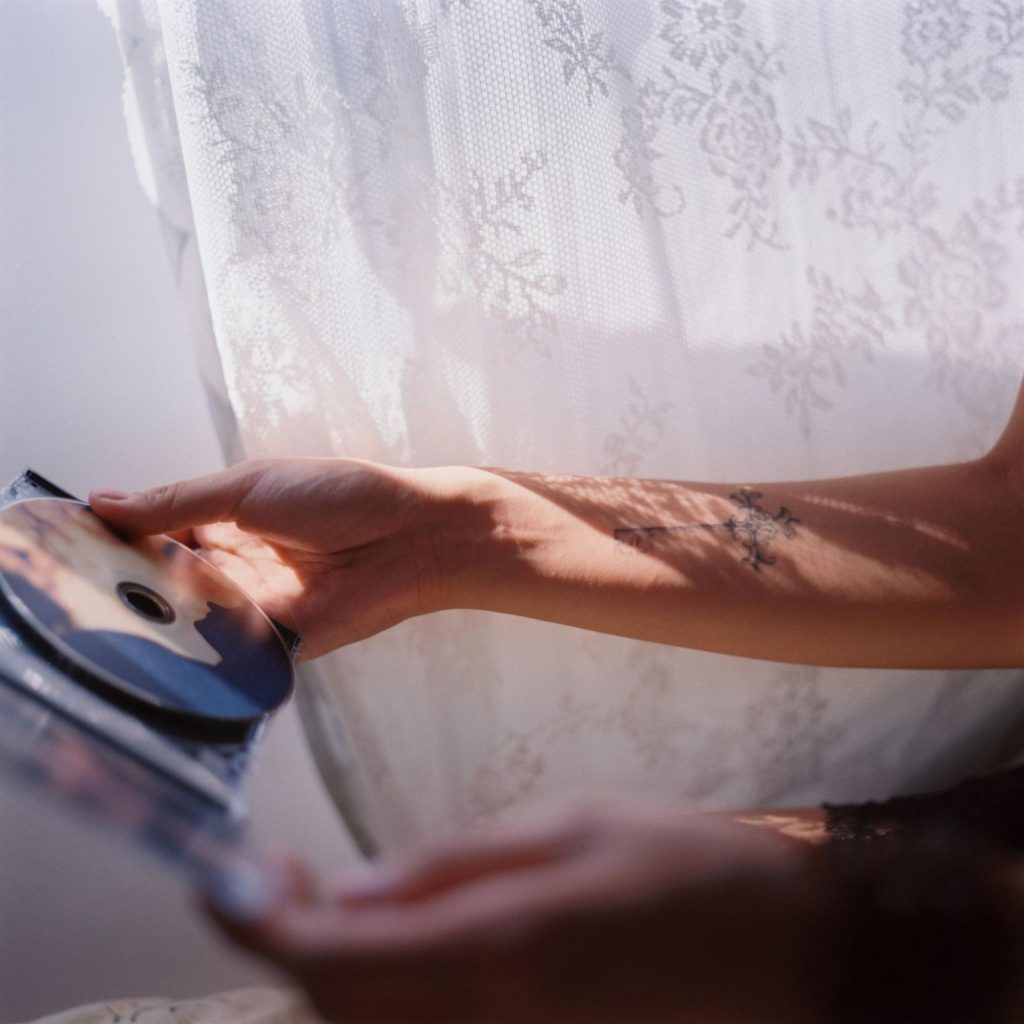
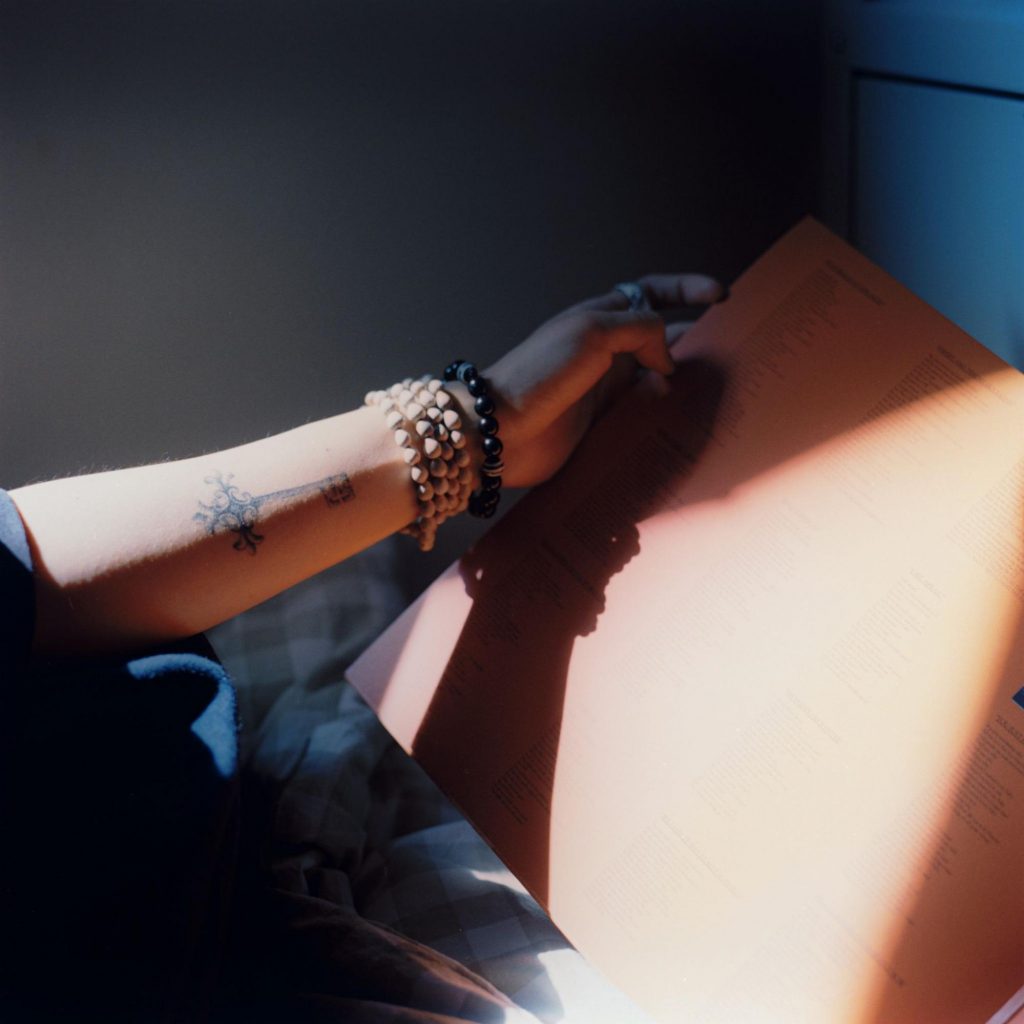
I had the natural and overwhelming sense of wanting to protect her. I wanted to be there for her no matter what. Suddenly, all the different comparisons didn’t matter.
Naturally, when we became secure in our relationship with each other, I also became secure in my own identity.
I just feel so lucky to have someone like her.