

Text and images by Zachary Tang. Equipment support by Leica Store Singapore.
It’s a Thursday night, and everyone else left hours ago. I’m alone writing this in the RICE Media office, which through its many iterations—Jalan Besar, then Ann Siang—has now found itself in an industrial building in Redhill. Alexandra Canal sits right across the road. It’s the unwitting subject of this photo essay.
Boh Beh Kang, as the early Chinese settlers called it, since it lacked a clear, visible source. No Tail River.
Before its redevelopment into the district we now know as Queenstown, it was a Hokkien village, where Fujian immigrants settled in swampy hills in the 1920s. They grew vegetables and rubber on one hill and buried the dead on the other, with a stream in between nobody could trace to a source. It seemed to flow two ways—eastward towards the Singapore River, and westward towards Sungei Pandan. The flat, swampy terrain meant that water could move in different directions, depending on rainfall and tides.
They called the stream Boh Beh Kang, and the village was named after it.
In 1963, that natural stream was widened into Alexandra Canal. By 1970, the last villagers had been resettled and the two hills bulldozed, their soil used to fill in the swamp beneath them. What’s marked on old maps as the stream’s source (the corner of Commonwealth Avenue and Queensway) is a road today. Water still runs beneath it to the Singapore River.
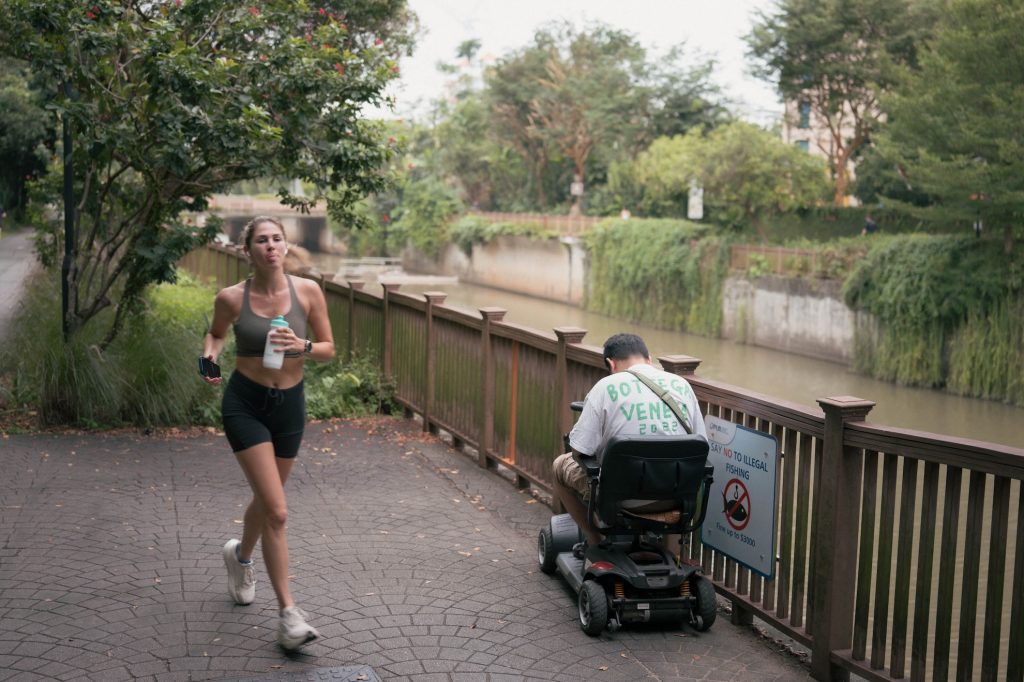

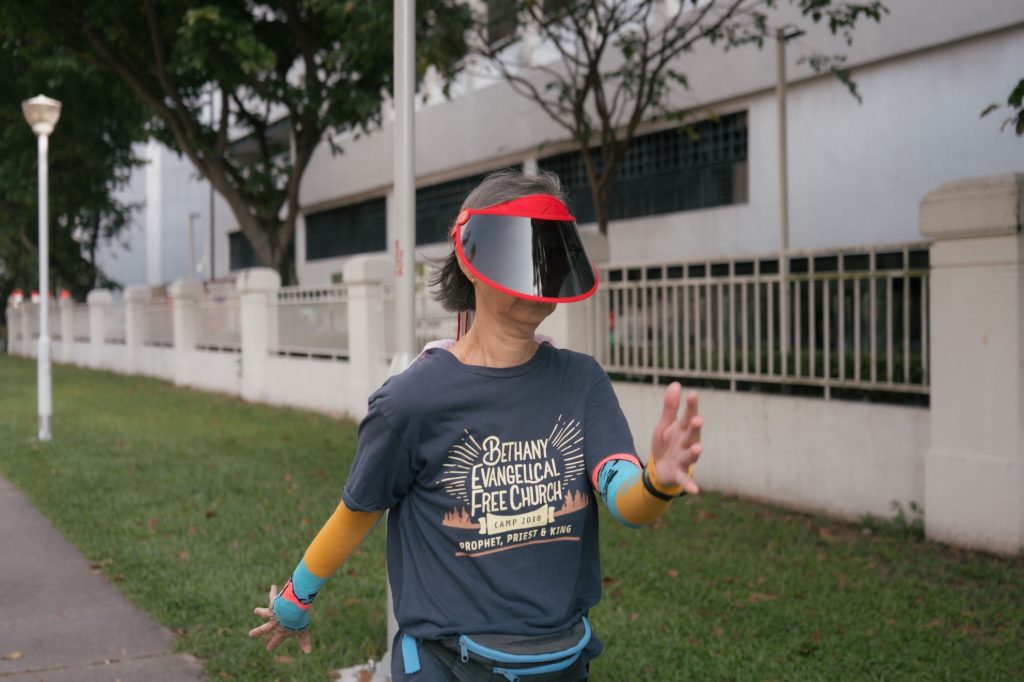
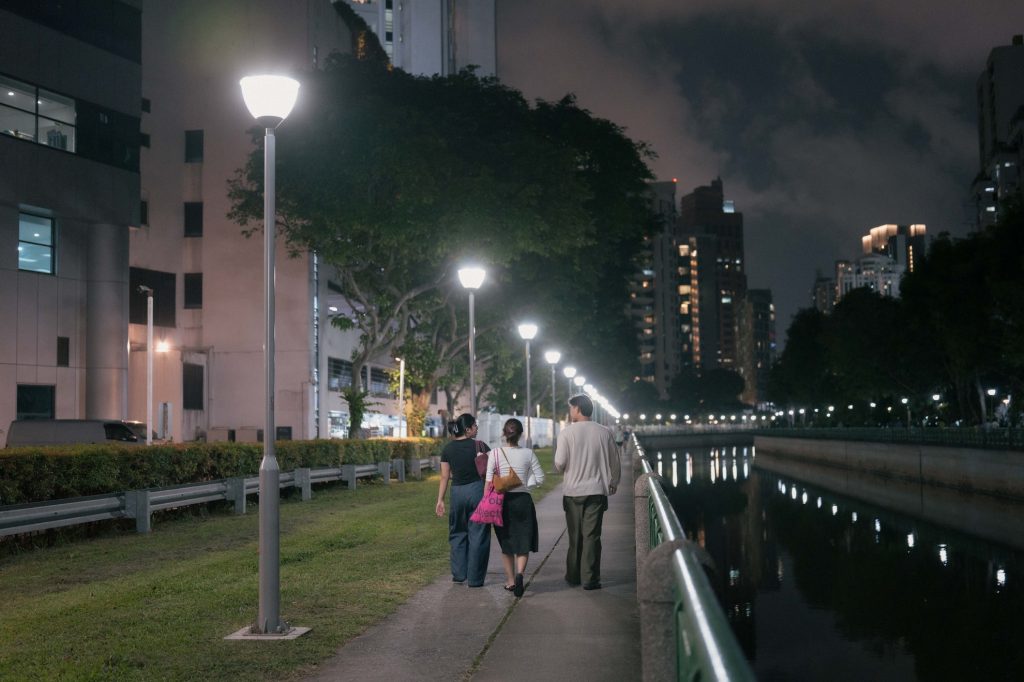
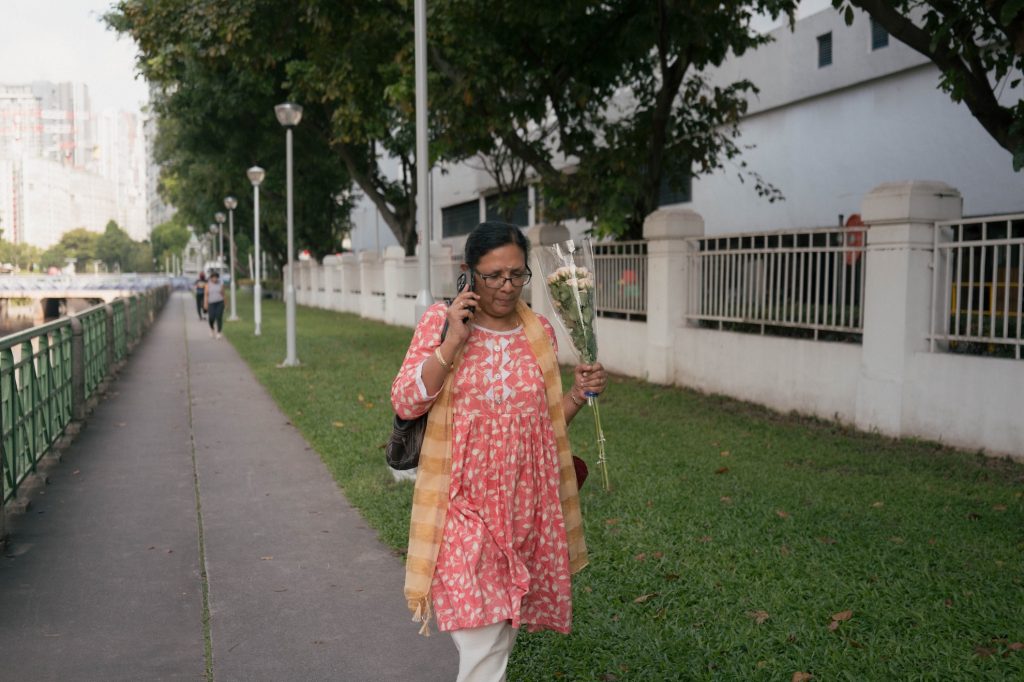
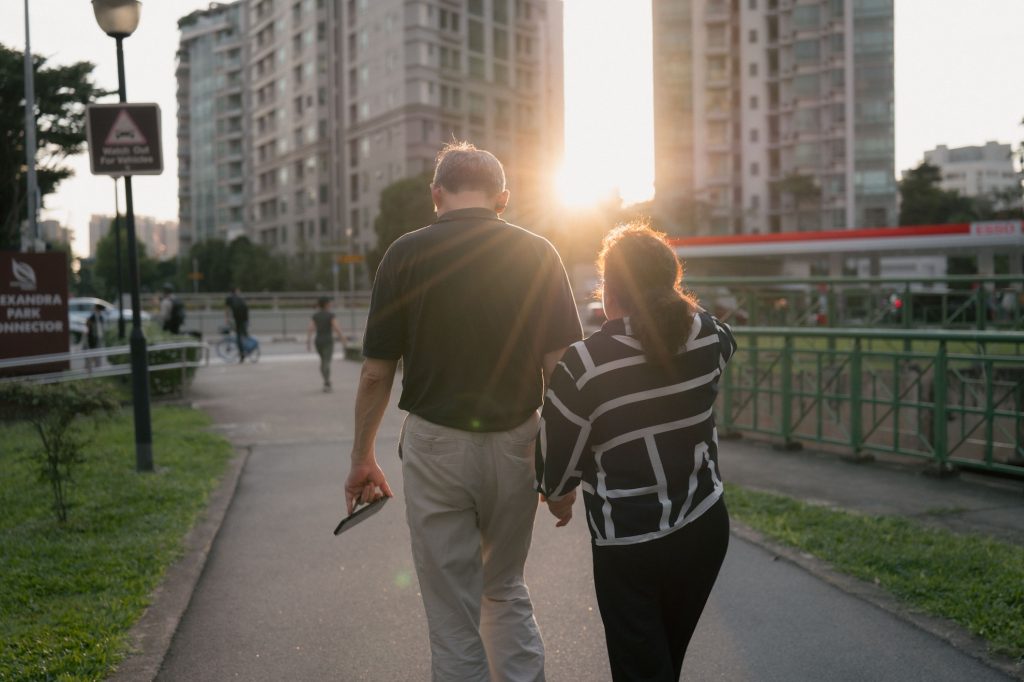
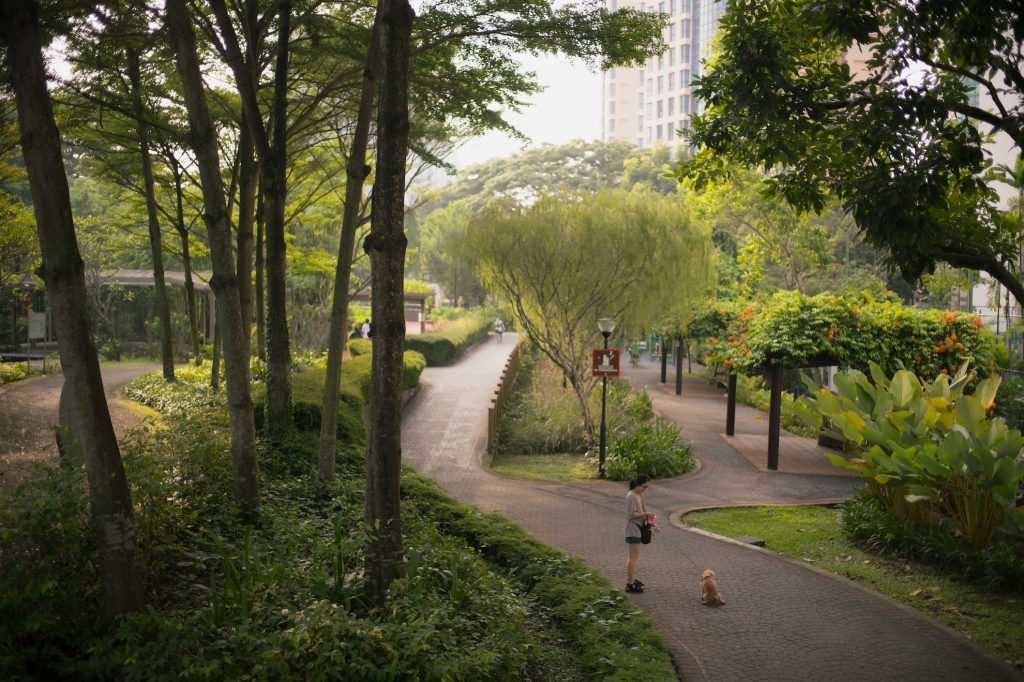
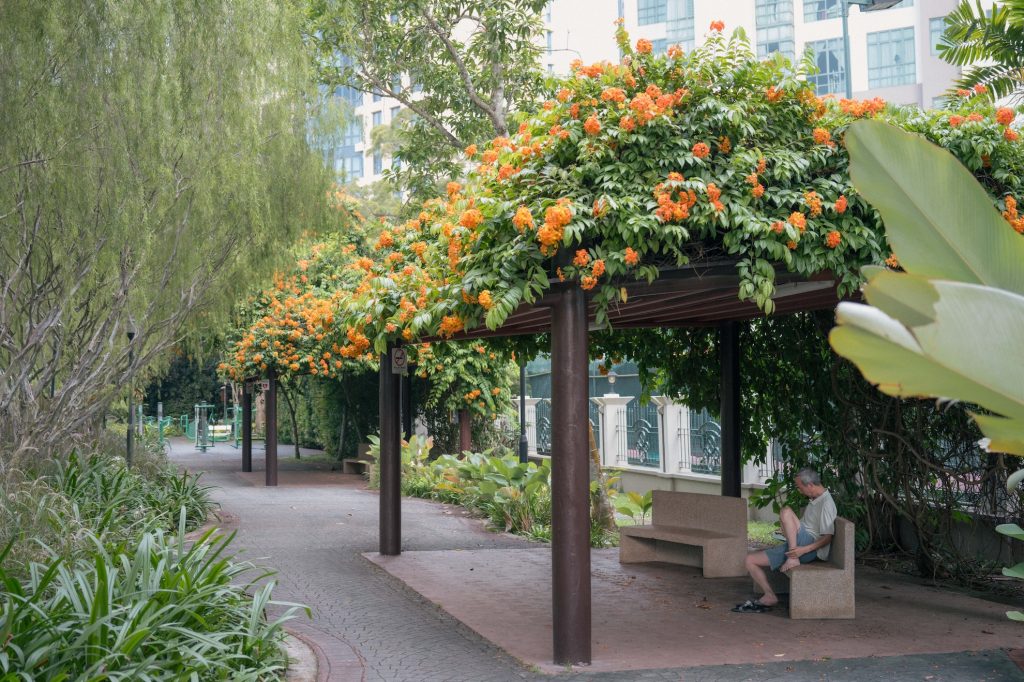
The canal itself is now a beautified park connector. The scenic path is laid for strollers, bicycles, and people jogging away the stress of the nine-to-six.
I can’t imagine any of them remembering Boh Beh Kang, or even knowing what Alexandra Canal was before. You’d have to go looking for it, like I did, to find out about a flood-prone village and the mysterious stream that perplexed its residents.
It’s the kind of thing that’s been on my mind lately: how much we’re shaped by the places we pass through, and how little say we get in what gets washed away.
Change, the Only Constant
I’ve been thinking a lot about change these days.
Perhaps it’s because I just worked on a video about Tan Boon Liat, the iconic Brutalist building along Outram Road that’s soon to become yet another condominium. Some of its long-time tenants and workers we spoke to seemed suspended between accepting inevitable progress and the desire to preserve the building’s cultural heritage. It made me think deeply about what else we could possibly do besides always tearing it all down and rebuilding.
Or perhaps it’s because I’ve yet again arrived at the end of the road in RICE, as I try to forge another way ahead in an industry where the old rules no longer apply—rules that I never much cared for keeping to anyway. Even though I’ve always felt at ease with being in flux, I can’t help but feel left behind sometimes when I see peers doing well on well-defined paths.
The only well-defined path I’m on right now is the one along Alexandra Canal. I’ve gone back to it more times than I can count these past few weeks, photographing it at different hours of the day. Perhaps the pictures I take might tell me something my actual life hasn’t.
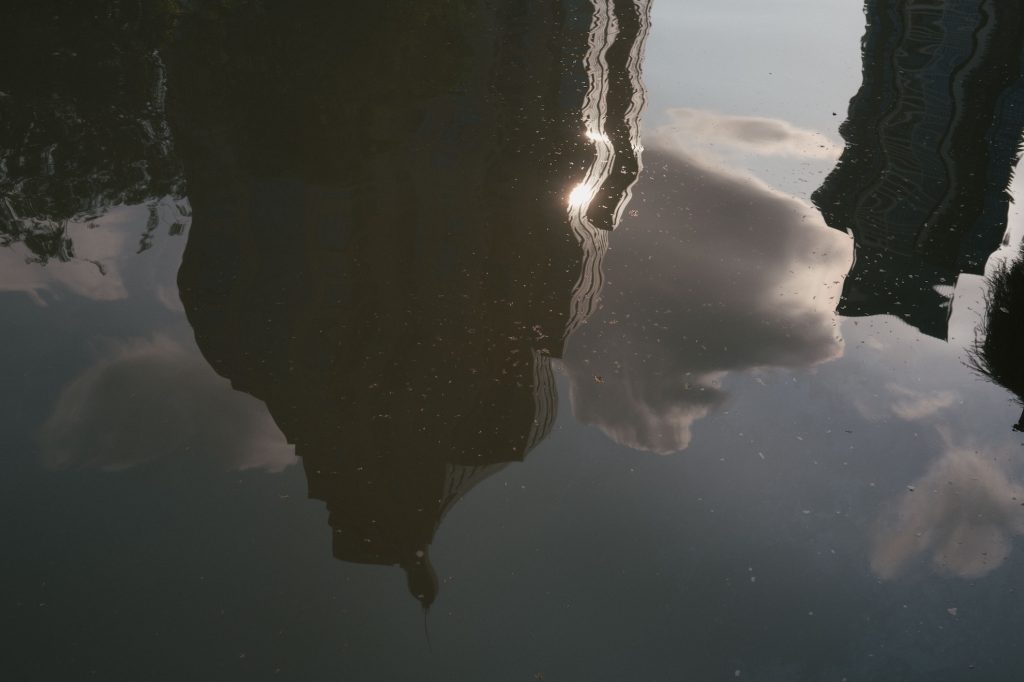
There were afternoons where the light was flat and unforgiving, and the murky water reflected the glare of the sun, making it hard to look ahead.
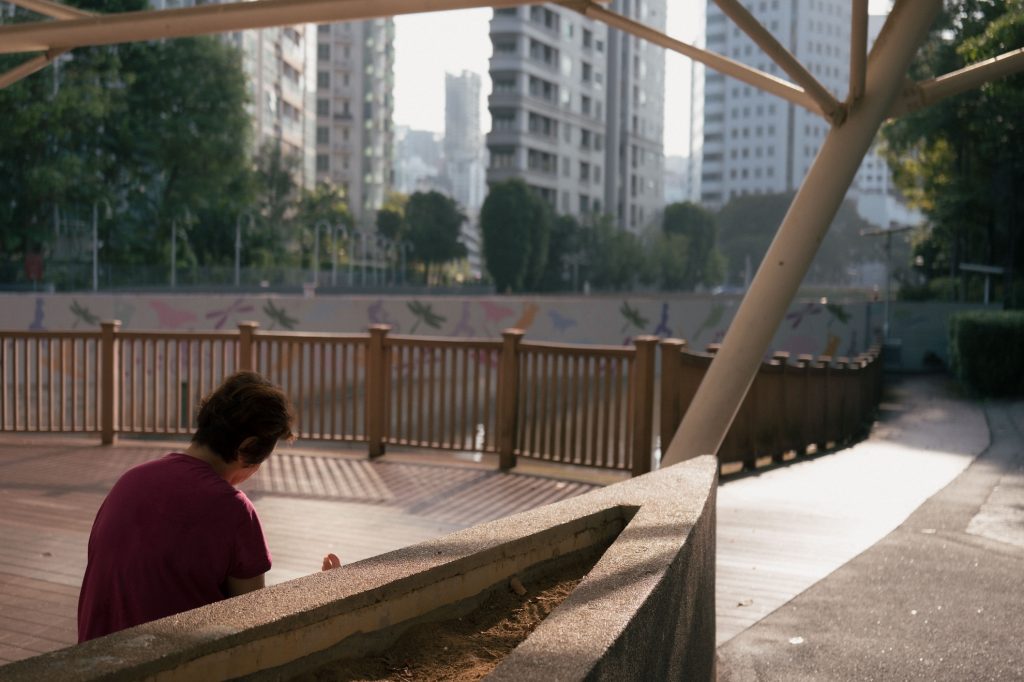
There were mornings, arranged so miraculously well that, in its light, meaning bloomed in every gesture and blade of grass. I would walk from Tanglin Road, where the canal (seemingly) begins—right across the street from the office—down to Zion Riverside Food Centre, passing by a mosque, a church, a riverside altar, a primary school, Build-To-Order flats still under construction, shimmering condominiums, and ageing point blocks.
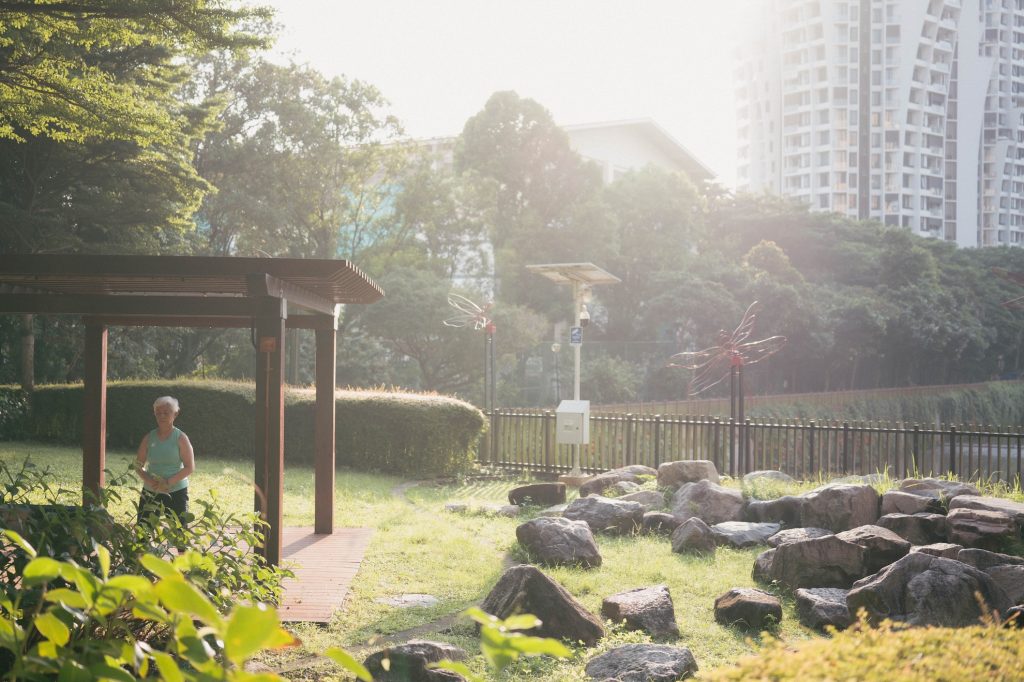
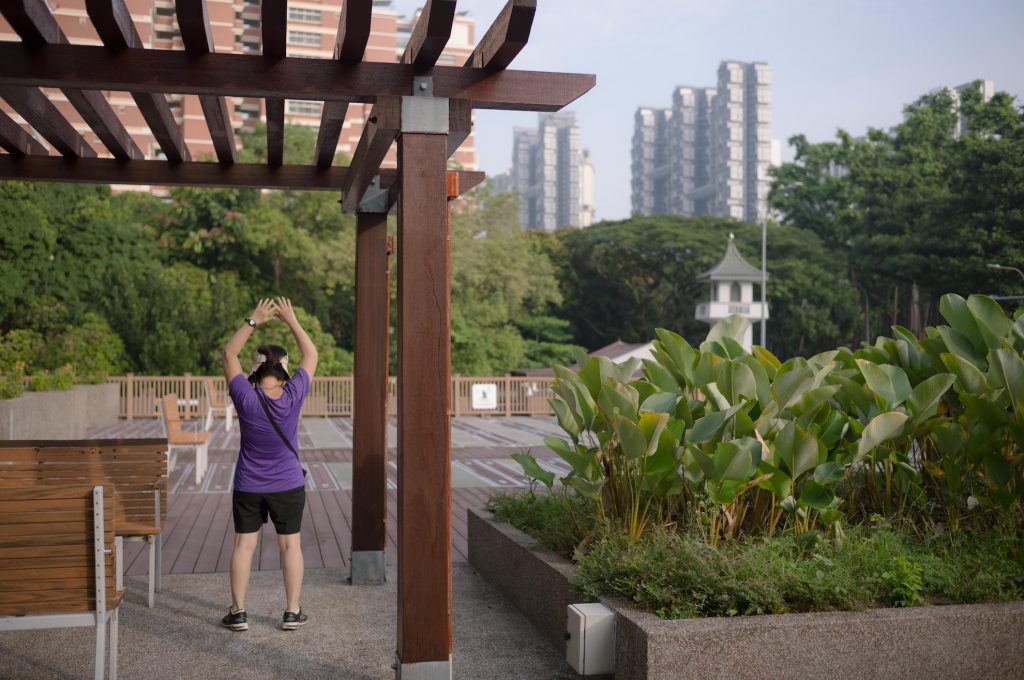
It’s easy to see Alexandra Canal as a representation of Singapore. Cultivated. Engineered. Attractive. Green. And always on the cusp of change.
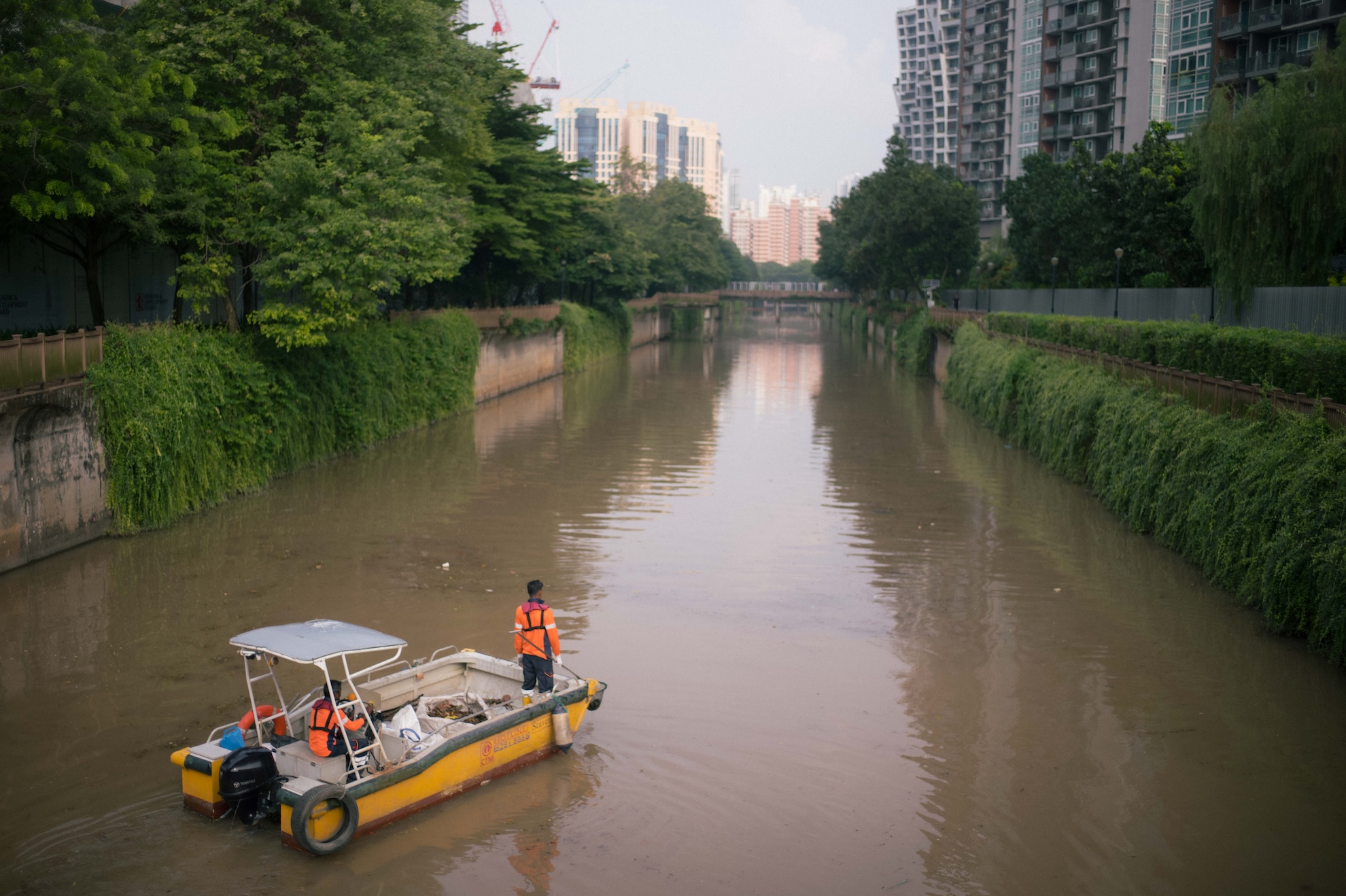
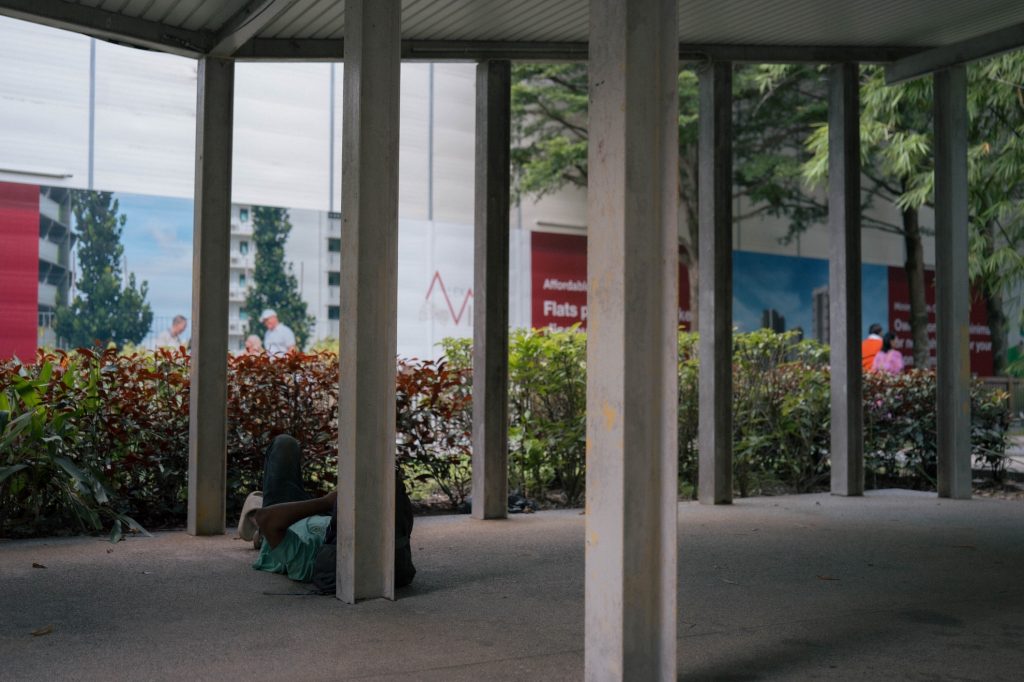
Cranes tower in constant view, reminding me that the future is looming. The past unpredictability of the swamp has now been eliminated; in its place a strict, one-way canal that controls flooding and feeds the reservoir beyond it. Somebody decided in advance where everything should go, and it was all undoubtedly very good.
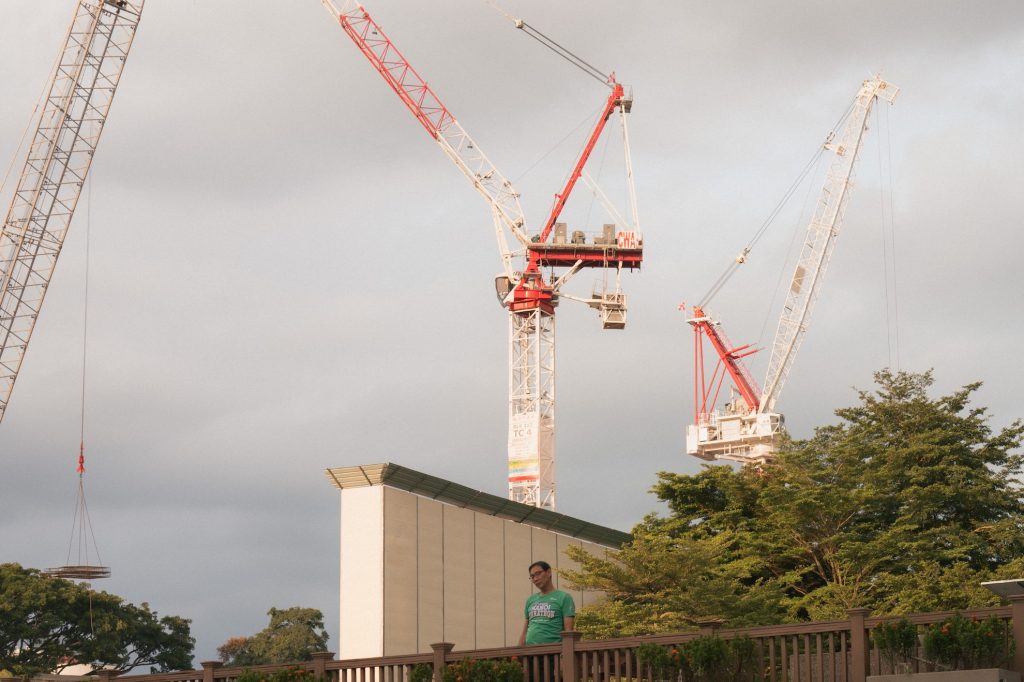
I don’t know; my photographs seem to tell a different story. The more I looked around, the more it showed me that things have a way of resisting easy narratives.
Like the existence of this unlikely urban shrine by the river, tended to by workers of the hawker centre beside it.
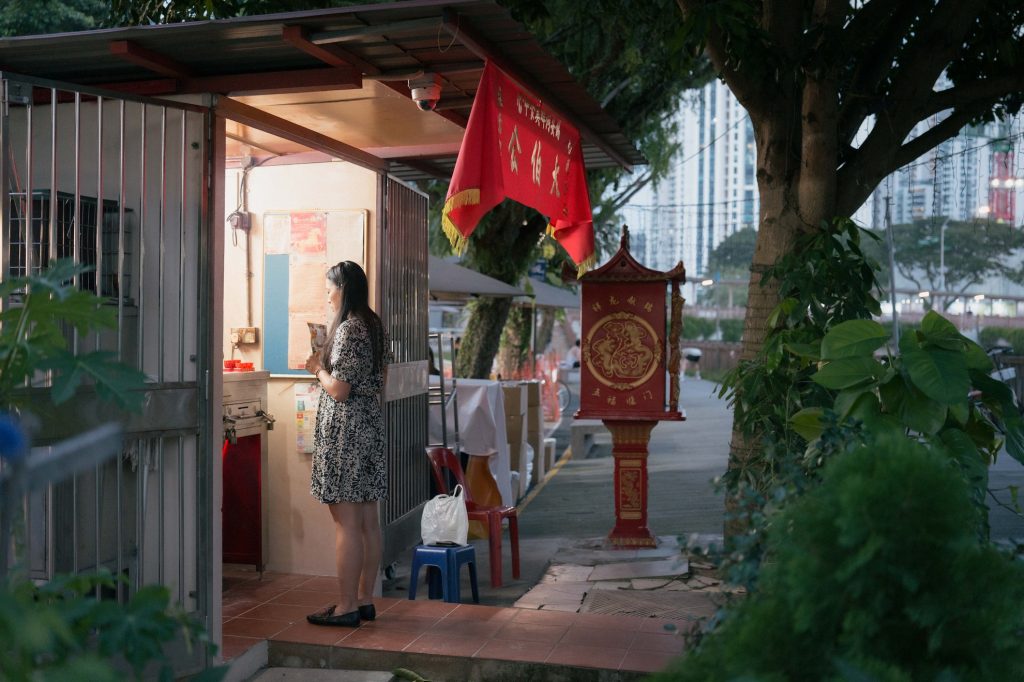
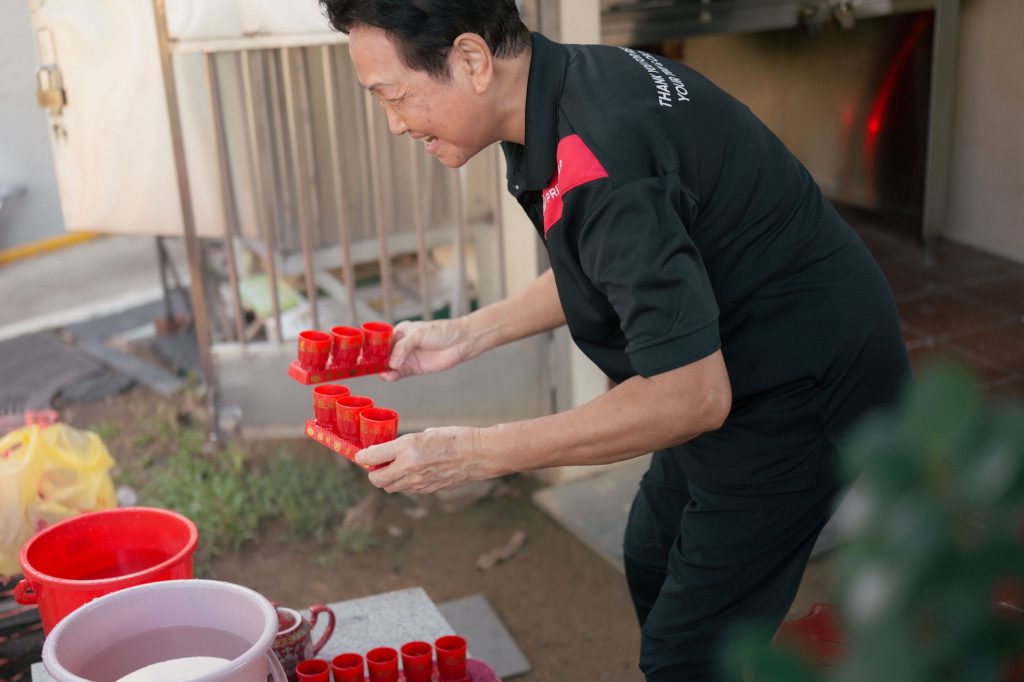
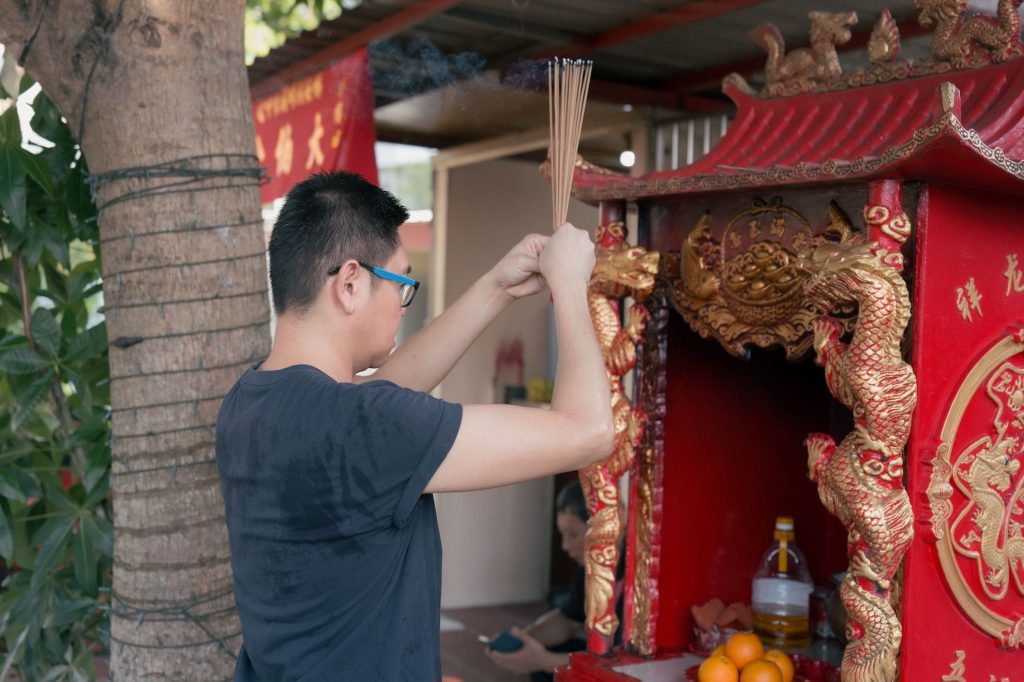
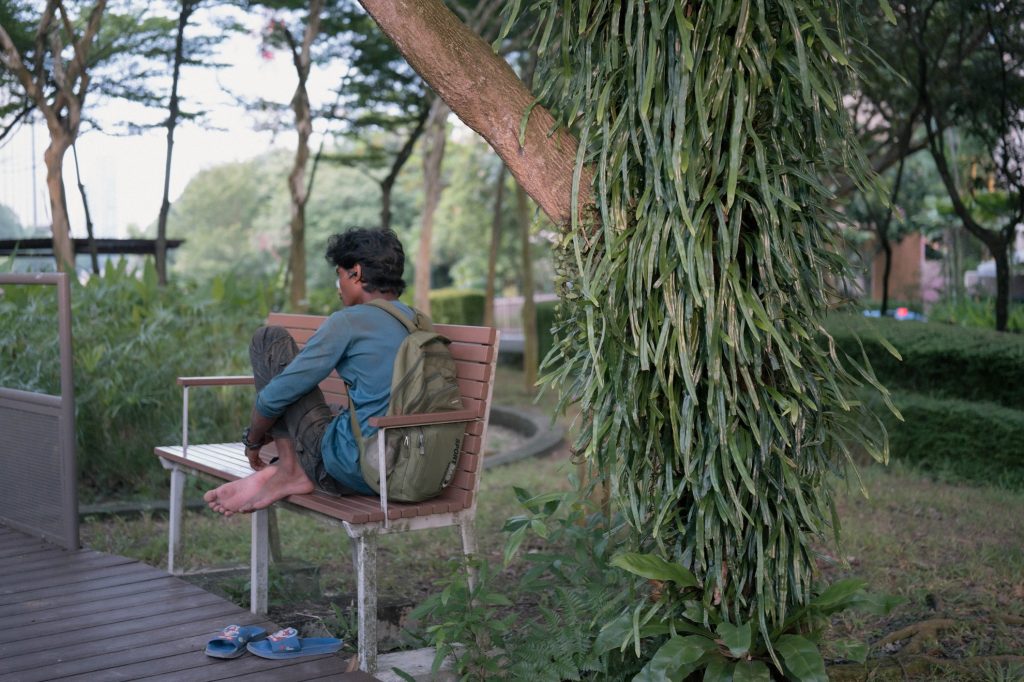
Or the two teenage boys fixing pieces of bread to the ends of their fishing rods, dropping them down to a bale of tortoises gathered in the water. The rods were clearly too thin to reel the tortoises up, so they were just… feeding them? Why not just throw the bread in with their hands?
Behind a thick row of bushes, I hear the muffled sound of 1980s mandopop buzz through a plastic speaker. I lean in to take a peek: it was the park attendant I’d seen multiple times, in her recognisable orange polo, taking a break away from public view.
She flicked a glance up at me, then returned to her phone.
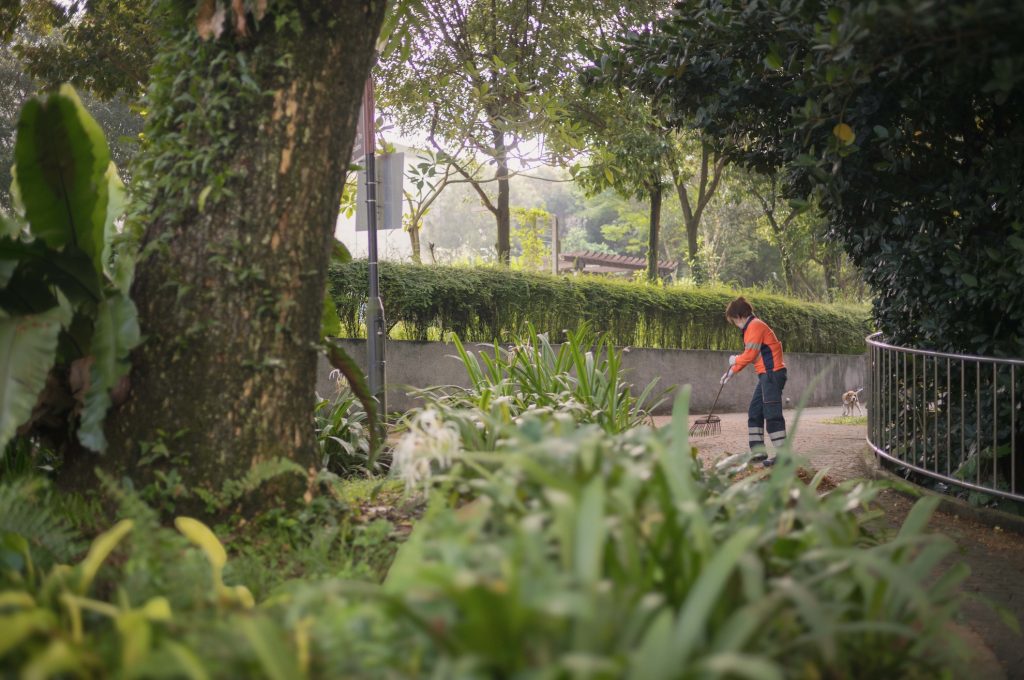
It’s in these moments that the canal and all the planned infrastructure surrounding it seem to be incidental to the life happening around it.
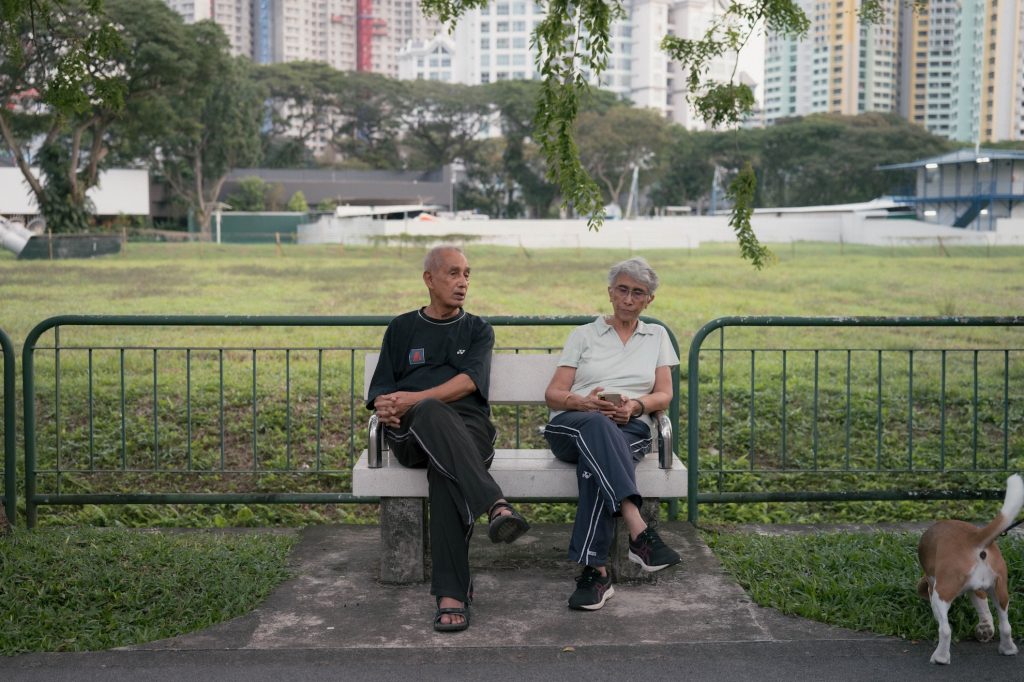
The eccentricities don’t quite get ironed out.
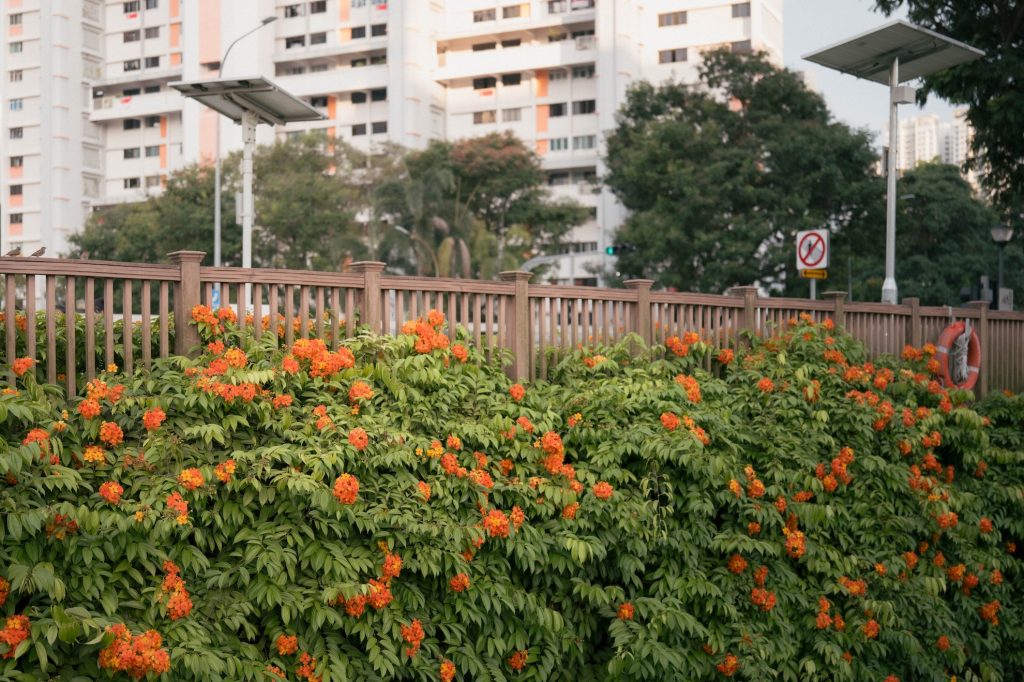
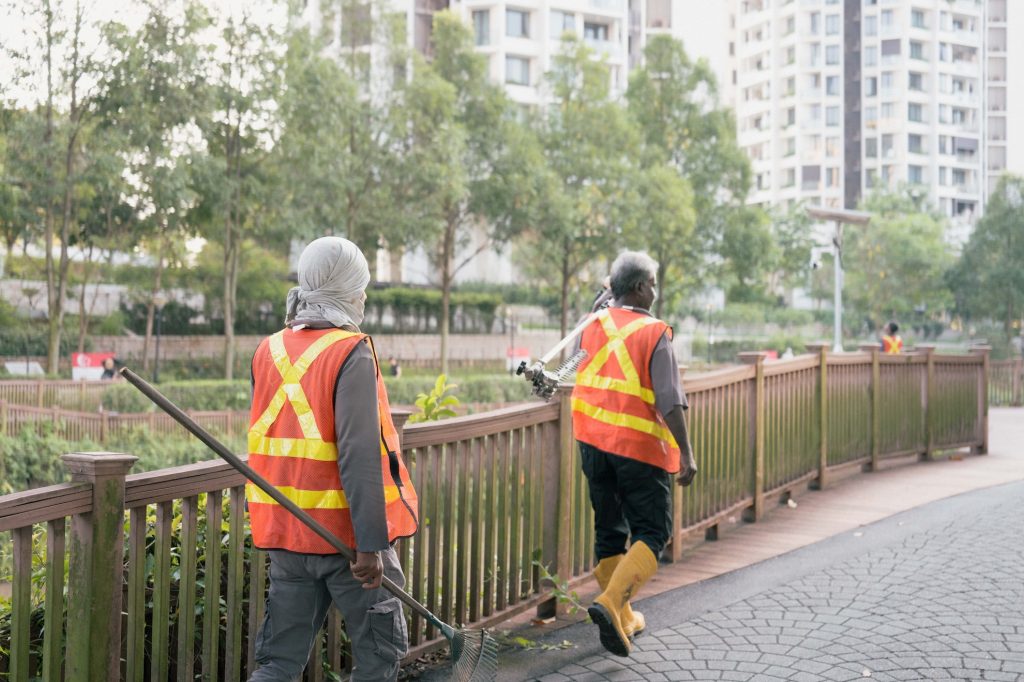
Meanwhile the wild geese, high in the clean blue air,
Mary Oliver
are heading home again.
No Tail, No Mouth
No Tail River. I find it difficult to put a shape to what I feel about this country sometimes, because it keeps becoming something else. When its buildings, forests, and spaces disappear as soon as memories start fastening themselves around them, how do we stay rooted in anything?
History can be recorded and passed down, but it becomes that much harder to locate or feel in our physical surroundings. It’s harder still to understand where we belong within them.
The water in the river is a murky brown. It carries leaves, sediment, litter, whatever the rain washes in from the roads above. It’s no longer the same river that ran through the mangrove, or even the same river from yesterday.
This is the change of natural rhythm, of which entropy and decay are inevitably a part. Memories have time to settle into the mud.
But then there is the other kind of change that does not wait for the season. One enforced from above, sharp and unsentimental, leaving little room for remembering.
I recognise that in myself too, on a smaller scale. I used to think being comfortable in flux made me the exception—someone choosing not to follow a fixed path.
Lately, I’m not sure there’s much difference between the two. Maybe I’ve just been going wherever the current takes me, the same as everyone else, and calling it a deliberate choice.
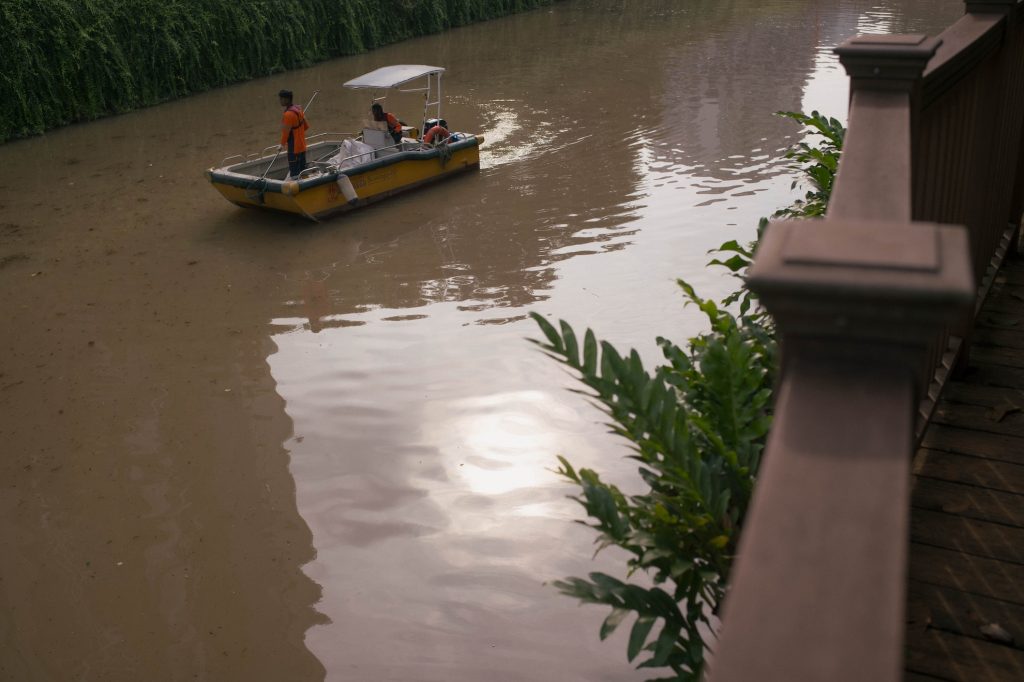
The Singapore River never got a say in which version of itself it became. In 2008, the Marina Barrage was built where its mouth used to be, cutting it off from the sea for good. The water just pools into a reservoir now, instead of ever reaching the ocean.
No tail at one end and no mouth at the other. Just the water in between, going wherever it’s told.