
‘After the Vote‘ is a RICE Media series where Singaporeans from all walks of life share their hopes for Singapore—the changes they envision, the values they want to uphold, and the future they want to help shape.
After GE2025, we take a step back from the political theatrics to explore the bigger picture: What kind of Singapore are we building beyond this election? Through these conversations, we uncover the aspirations and concerns shaping the nation in the next five years and beyond.
The views in ‘After the Vote’ are those of the interviewees and based on their experiences; they do not reflect the publication’s stance.
Top image: Andre Frois for RICE Media
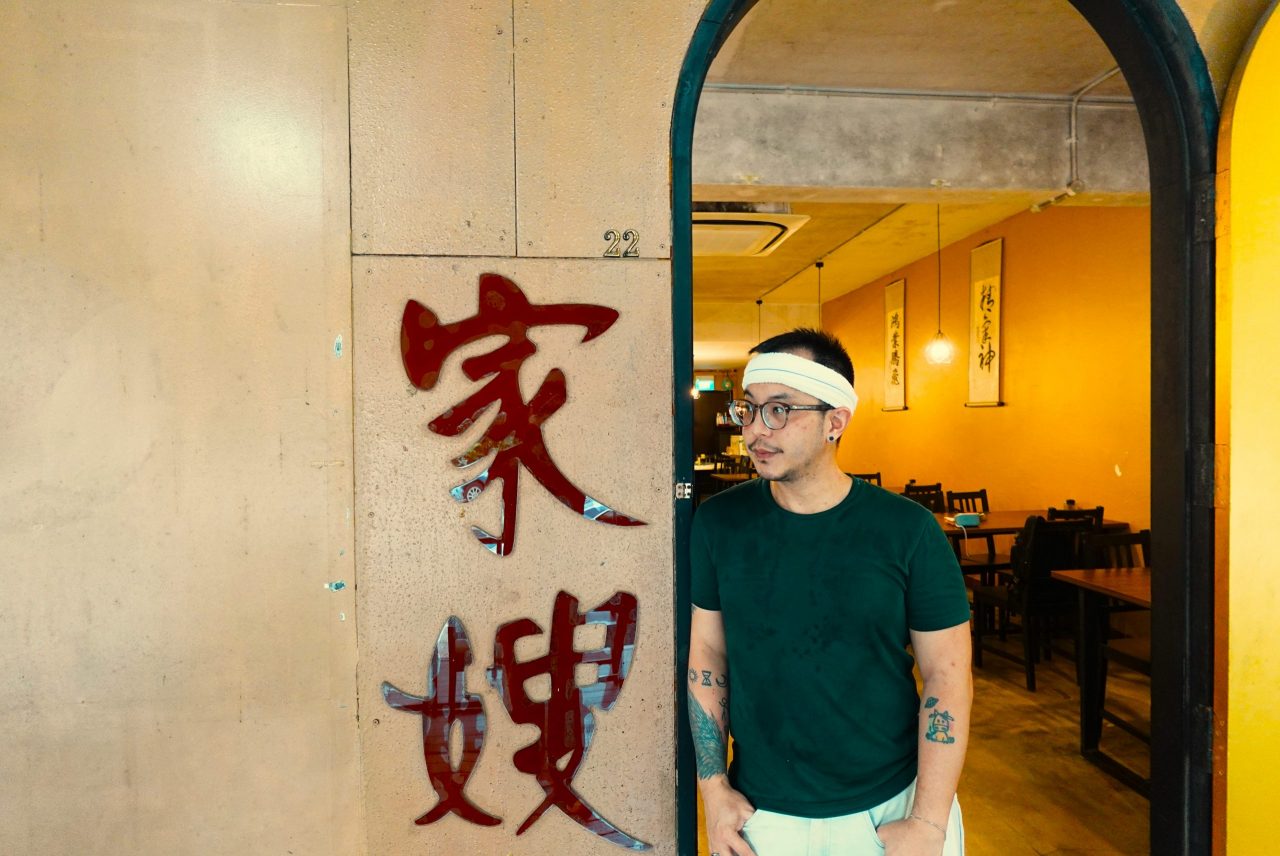
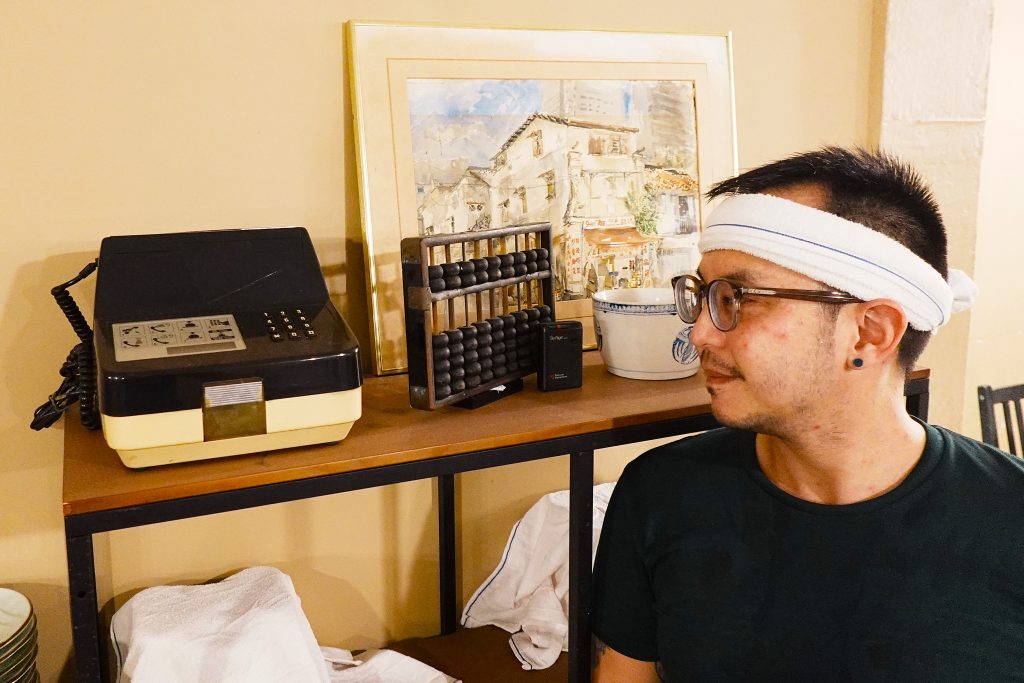
“You have to be delulu to enter the F&B industry in this climate,” Cedric Tang tells RICE. He would know. He’s been at it full-time for seven years, fighting to keep an 85-year-old family restaurant alive.
Across Singapore, beloved F&B joints are shuttering, squeezed out by soaring rents and rising costs. Even time-honoured names aren’t spared. Not even Swee Kee Eating House, a heritage brand that has weathered decades of change.
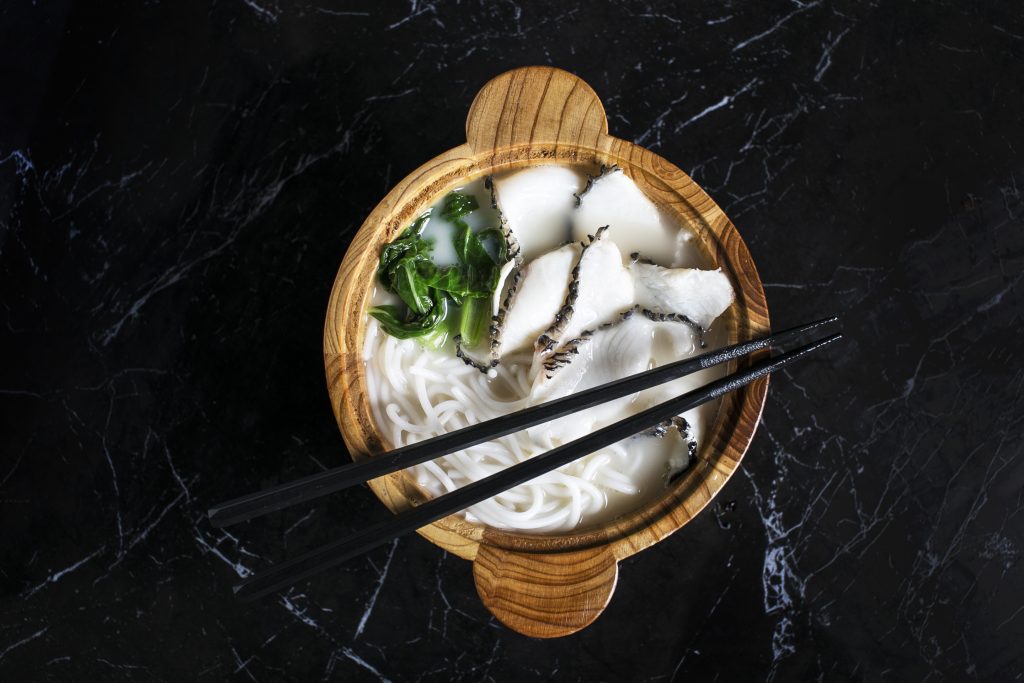
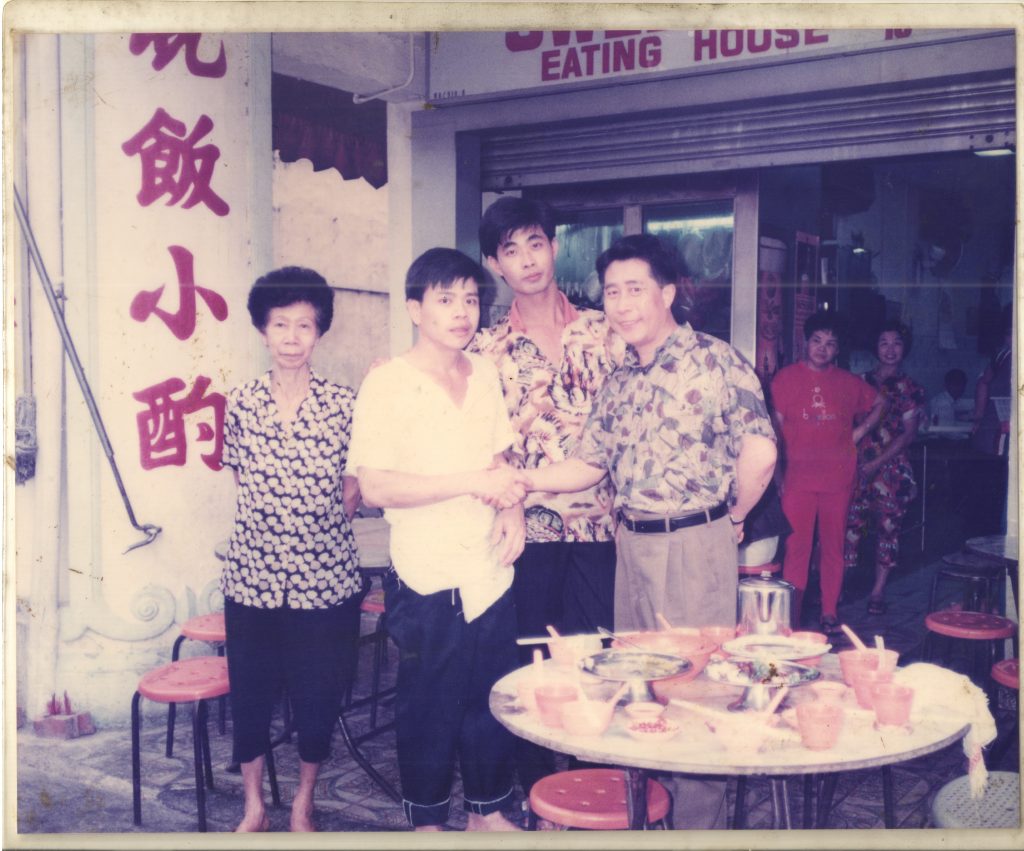
Cedric, 40, and his brother Gareth, 42, are the third-generation custodians of Swee Kee, a Cantonese-style restaurant first founded by their grandfather in 1939. It began humbly as a pushcart at Great World Amusement Park, selling milky fish soup boiled from snakehead bones.
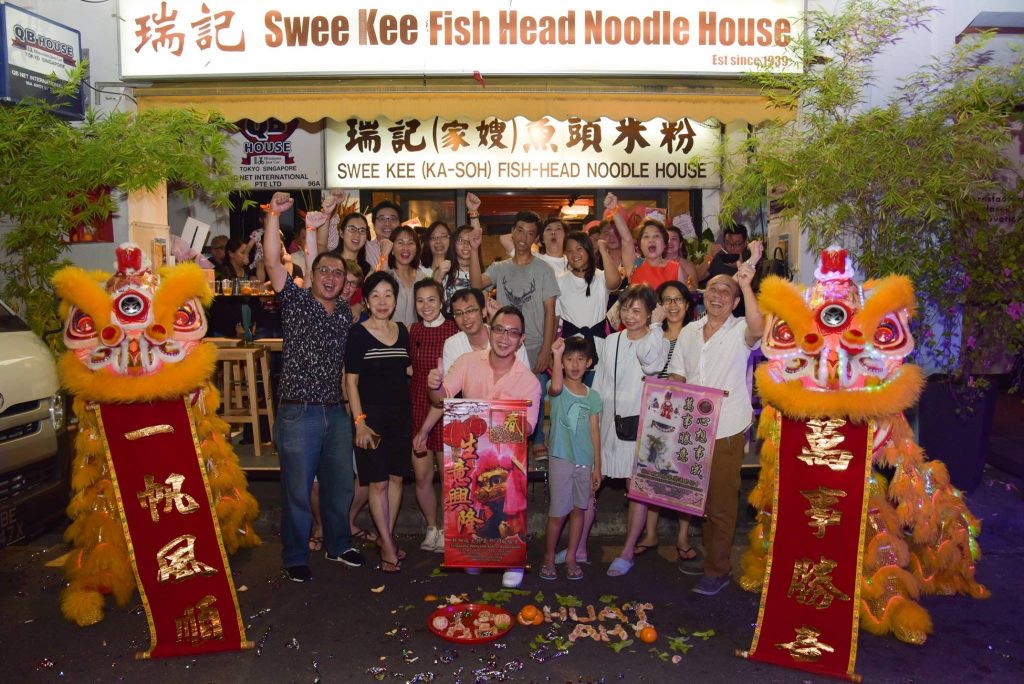
Once high-flying corporate professionals, the brothers left their well-paying jobs to preserve the family legacy. But after years of battling economic headwinds, they’ll be shuttering the brand’s final outlet at Greenwood Avenue on 28th September 2025. Their Amoy Street and Michelin Bib Gourmand-awarded Outram outlets had already closed in 2021.
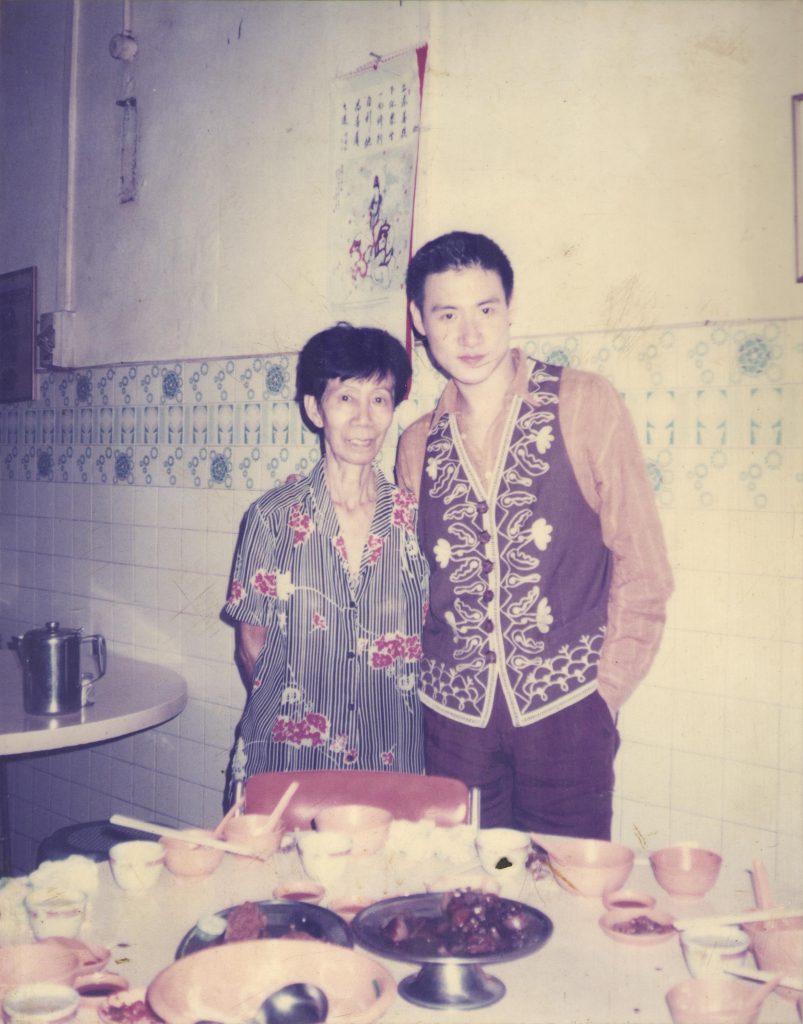
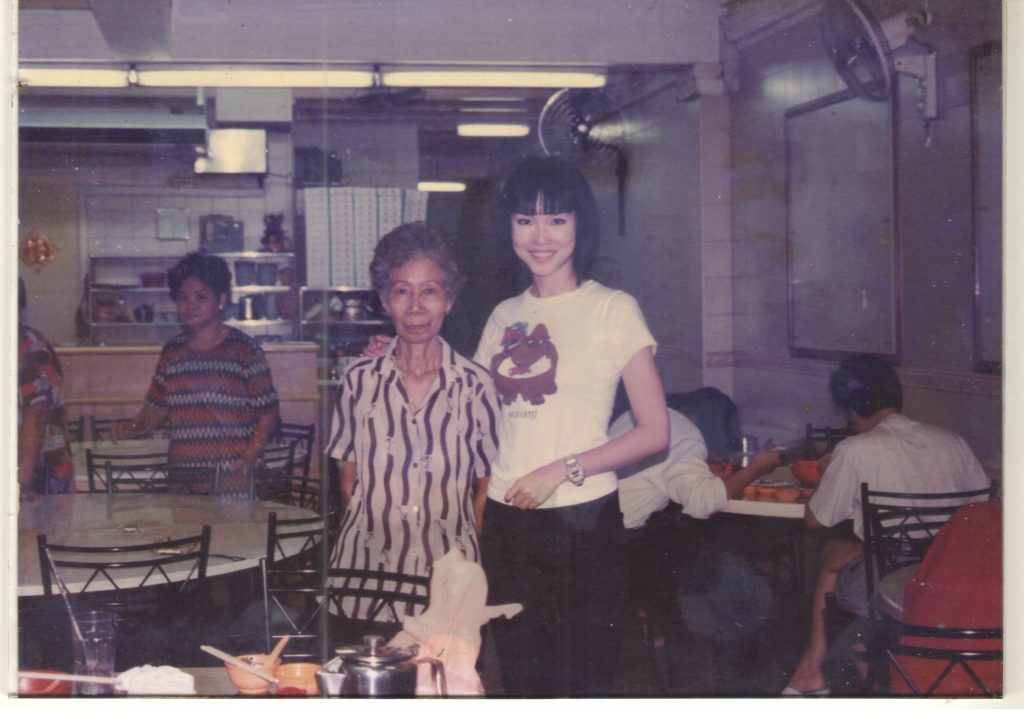
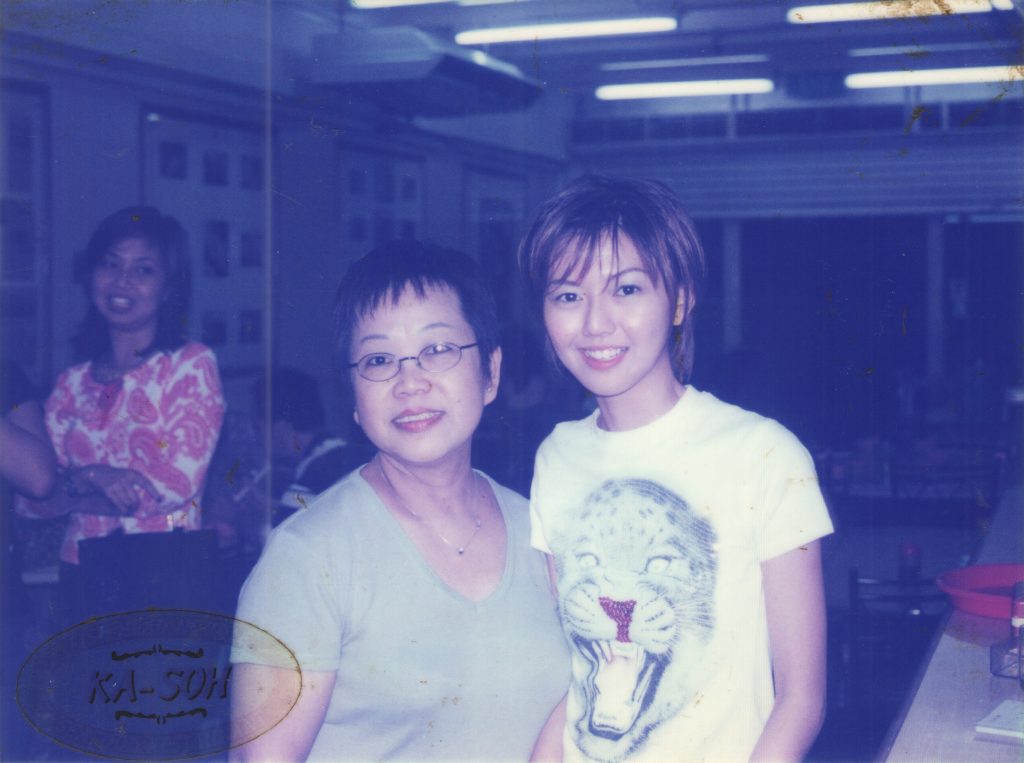
Beloved for its comforting soups and prawn paste chicken, Swee Kee, affectionately nicknamed ‘Ka Soh’ after a no-nonsense waitress who used to bark orders at customers, was once a household name that drew crowds, including Hong Kong’s ‘Four Heavenly Kings’. But rising rent and manpower costs have proven harder to fight than time.
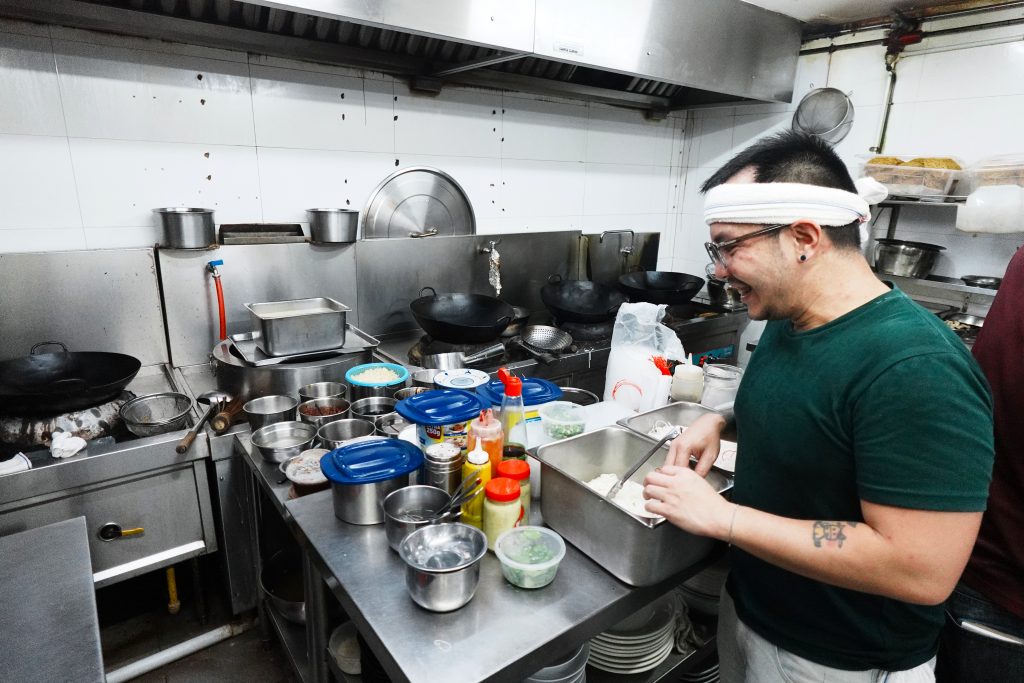
Cedric and Gareth have done all they can—scrubbing floors, serving tables, and running the brand’s social media—but when rent jumped from $9,000 to $12,000 over three years, the numbers simply stopped making sense. Price increases were met with backlash, and customer abuse became all too common.
Now, Cedric is considering a quieter future: selling his grandparents’ beloved fish soup from home, and maybe, one day, from a hawker stall.
RICE is taking a longer-term view of the Singapore we’re building together. And Cedric has thoughts about the challenges of keeping heritage F&B establishments alive in a fast-moving country.
What is one change you hope to see in Singapore by 2030 that would make life meaningfully better for people like you?
I’d like to see a kinder Singapore. In recent years, I’ve noticed a rise in abusive behaviour towards F&B staff. While fewer establishments today subscribe to the idea that ‘the customer is always right,’ it hasn’t stopped some diners from lashing out.
Giving feedback or asking us to redo a dish is completely fair—that’s part of our job. But my team and I have been berated far too often, and that crosses a line. My staff and I have had to stand at tables and absorb verbal abuse, simply because someone needed to vent. That’s not acceptable, and it shouldn’t be normalised.
What’s a challenge Singapore must overcome in the next six years to stay a place where people want to live and thrive?
Singapore is in the midst of rapid change, and the pace has only accelerated in the past five years. Technological disruption, rising costs, shifting values, and changing customer behaviours—all these are coming at us fast. We can’t stop these changes, but we need to learn how to respond to them with resilience and creativity.
The three main financial challenges facing F&B businesses are cost of goods, manpower cost and mandatory quotas, and rental. They’ve been talked about to death because they are all rapidly rising. However, another major challenge traditional cuisines face is disparity in perception—for example, most people expect to pay less for local noodles than pasta and ramen.
Right now, many businesses and individuals feel like they’re just trying to keep up. But if we want Singapore to remain a place where people can live and thrive, not just survive, we need to create room for adaptability, compassion, and long-term thinking. That means relooking at how we support small businesses, how we treat the people behind the counter, and how we define success beyond just economic growth.
While trying to keep my family business alive, I’ve seen restaurants win Michelin stars and still go out of business. So you really have to be crazy to go into F&B today, and be ready to get your hands dirty and pitch in for one another. But having said that, passion is a powerful emotion—when you keep at it, you will find solutions to the problems that arise.
If you could introduce a new national priority for Singapore, what would it be, and why?
If I could introduce a new national priority, it would be to curb online trolling. The F&B industry is already tough—brutal, even. But social media has made it even harder, with the rise of keyboard warriors who comment just to criticise or vent their own frustrations.
Contrary to what some of these trolls think, I do read the reviews and comments on articles about my business. What they don’t see is the labour, sacrifice, and heart that goes into every dish. Some hide behind fake profiles and feel entitled to tear others down without context or compassion, and they’ll always find something bad to say, no matter what you do.
I’ve had customers tell me that my fish soup is fishy, and scold me for minutes on end, rather than give me the chance to cook a new bowl to cater to their preference. We clean our toilets before and after every shift, but when customers dirty the toilets during service, other customers might still complain.
When patrons don’t give their feedback, but write reviews instead, these permanent scathing reviews take a huge toll. We need a culture that values constructive feedback, not cruelty disguised as honesty.
What small shift—policy or mindset—could make a big difference in the daily lives of your community?
Based on what I’ve experienced over the past five years, I hope to see a shift in the government’s approach, from a ‘wait and see’ or ‘monitor the situation’ approach to one that is more proactive. We need policies and support schemes that are timely, practical, and truly impactful for businesses on the ground.
For example, different F&B-related government agencies have different policies and KPIs. If the government could integrate all the various bodies that have a stake in F&B, it would be easier for F&B operators to align their objectives with a unified umbrella agency. This could be a go-to point for all F&B operators instead of having to deal with each body separately.
Singapore moves fast. What’s one thing we need to slow down for?
We need to slow down and take time to smell the roses. Let’s appreciate life in the present moment. In a fast-moving place like Singapore, there are often invisible pressures building beneath the surface. We don’t always see the toll they take until it’s too late.
All of us face daily stressors, and mental health is a growing concern, not just in F&B but across society. The challenge is that the breaking point rarely announces itself. If we don’t take steps early, we risk crossing a line we didn’t even realise we were approaching.
And when we unexpectedly find ourselves at our breaking points, the damage done might be too late to remedy.
What’s one thing about Singapore you’d want to protect for the future?
I’d want to protect our heritage businesses. We’ve already seen so many mom-and-pop shops disappear—edged out by technology, rising costs, and big-name chains. Now, even the smaller, family-run shops that have quietly served their communities for decades are closing one by one.
For me, I grew up living and playing around my family’s restaurant. I feel obligated to preserve the brand and its sentimental value, knowing that this brand means a lot to many Singaporeans.
Culture is intangible, and when we tear physical spaces down to preserve them only in photos and videos, culture feels superficial and artificial.
In 2030, what kind of Singapore would you be proud to call home?
I would like to live in a Singapore where everyone—from all walks of life—feel like they belong.
Our need to feel a sense of belonging is innate. And we first need to feel comfortable and stable before we can develop that sense of belonging. Not just local Singaporeans, but Permanent Residents and even foreign labourers should be allowed to enjoy that sense of security, in a place that feels like home. And only from there can a sense of pride blossom.