



All photos by Isaiah Chua for RICE Media unless otherwise stated.
Being a twin in Singapore means living life in constant echo. It can be as confusing as it is comforting; a constant negotiation of selfhood. Throughout their whole lives in a system that loves to measure and label, they’ll always have someone to be compared to, for better or for worse.
In a society that prizes uniformity, growing up with a twin turns the search for a distinct personal identity into a daily puzzle. How does one find oneself when the world constantly compares you to someone who looks, sounds, and sometimes even thinks exactly like you?
Four pairs of Singaporean twins reflect on what it’s like to grow up shadowed and mirrored—and how they’ve carved out individuality. In the final instalment of our photo essay mini-series Twin Echoes, David and Jonathan Chien open up about the fallout that fractured their brotherly bond—and what it took to rebuild it.
David & Jonathan Chien, 34
Identical twins

David: People see us as twins, but I see him more as a brother who coincidentally looks exactly like me.
He’s kind and helpful, but brutally honest—so blunt that people call him the evil twin. But we both believe in pushing back against the societal norm of always saying the ‘right thing’.
Jonathan: I would say he’s a good brother. We gel very well together because we have the same mindset.
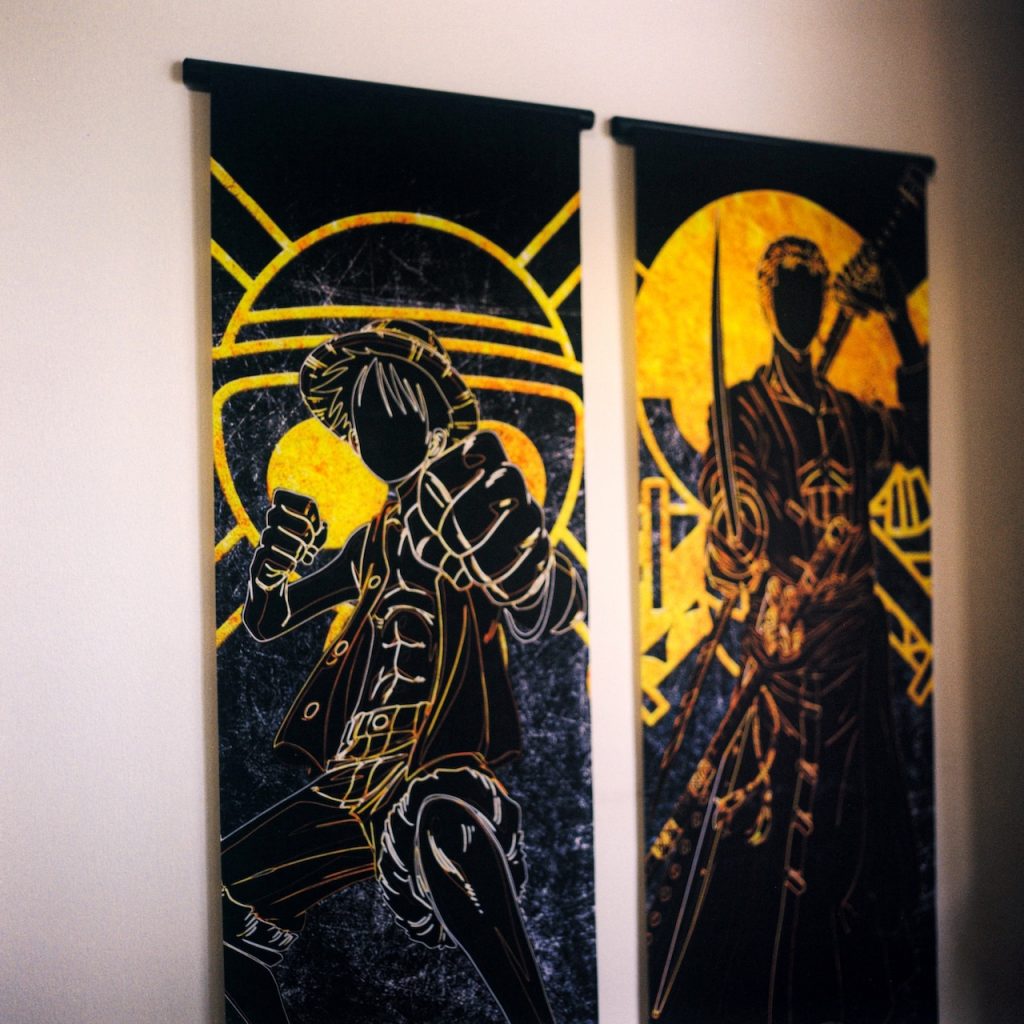
Even our interests are similar. I remember how we used to wait for One Piece spoilers every week together. Football, MapleStory, badminton… we share a love for all these things.


David: Truth be told, growing up as twins in Singapore wasn’t difficult. In fact, I saw it as an advantage—I had someone to grow up with, to share ideas with. We never kept secrets and were always open. He probably knows 95 to 98 percent about me.
I never felt lonely. Even if friends didn’t talk to me or I was starting a new term at a new school, I always had my brother to turn to.
The only trouble came when I wanted an expensive toy. I knew my brother would want one too, and our parents would have to get another. They always lumped us together.

Jonathan: Thankfully, my parents never compared us. There was no “Hey, your brother got higher marks than you” sort of thing. But I’m inherently competitive, so I’d constantly compare myself to him.
He was always the smarter one, consistently outperforming me from primary school through to secondary school. After PSLE, I realised his school was simply better—better teachers, better system—and it showed.
Naturally, David did better than I did for O-Levels. After that, I accepted it for what it was and moved on. I didn’t let it get in the way.
David: Maybe the only real comparison came down to our behaviour. I’ve always had a milder personality, while Jon was more outspoken. And because our grades were different, he often got the short end of the stick. He might have even become a bit of a victim of comparison.
But I think as you grow older, you start to find ways to complement each other. For instance, we try to play in the same band for worship when we have to serve on Sundays! Jon plays the drums, and I play the guitar in church.

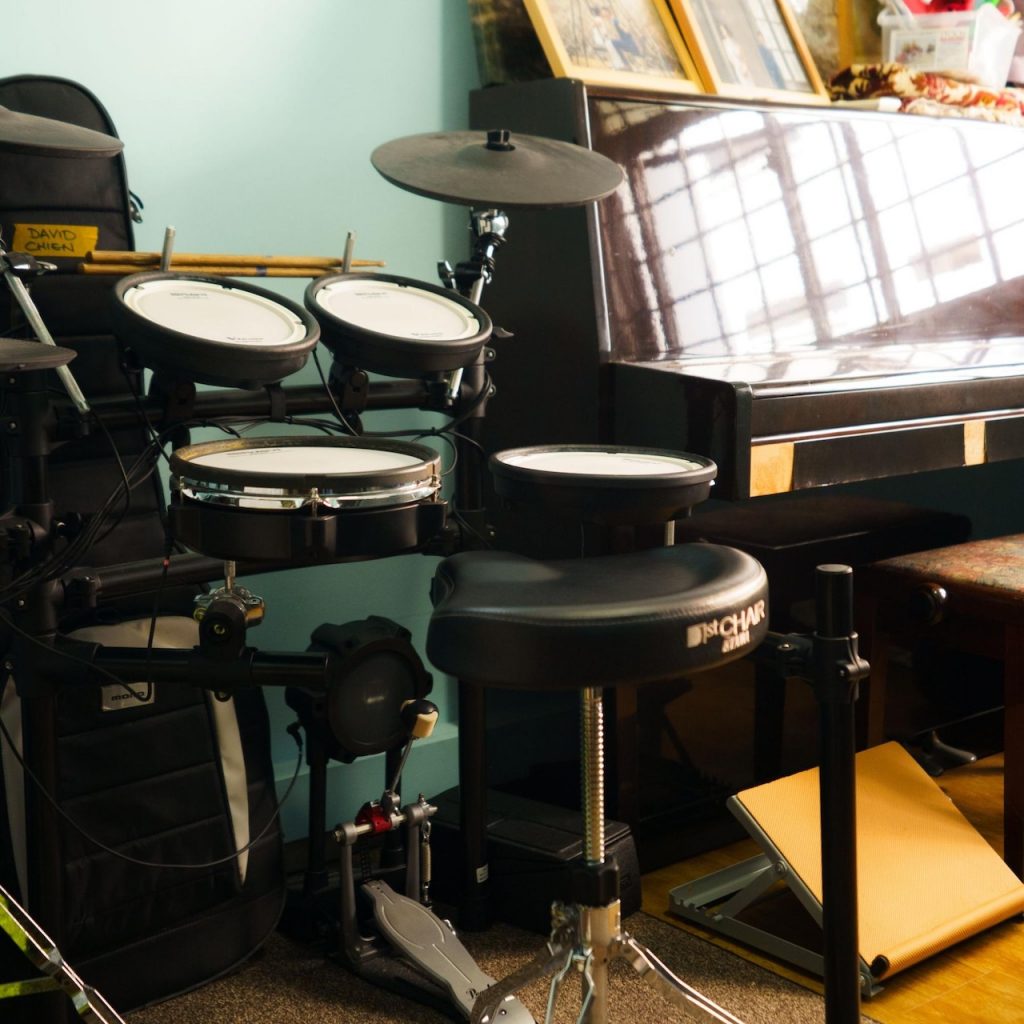
Jonathan: When we fight or argue, we’d go cold turkey with each other—but our silence wouldn’t last more than a day or two.
But there was a time when I had a major disagreement with him. It was back when my wife was my girlfriend, and he yelled at her once. It ruined the relationship, so I had to manage fires on both sides for a few years.
Then came my wedding. My sister-in-law could sing really well, so I wanted her to lead worship for us in church. They turned me down, and I knew it was based on David’s gripe with my partner.
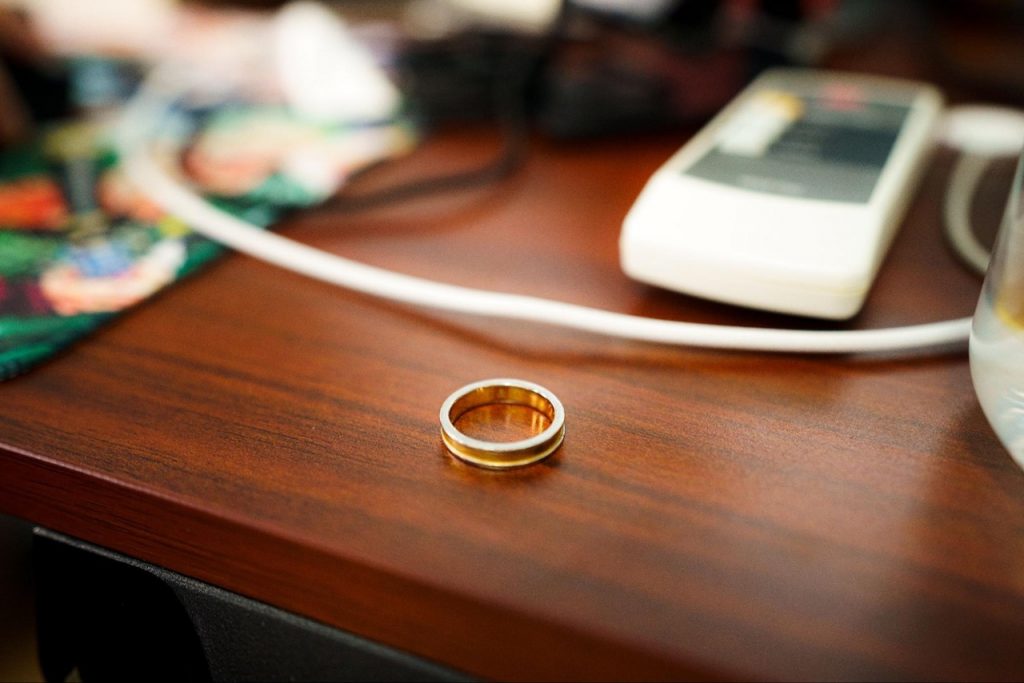
He said that if I were marrying another girl, they would’ve helped. It made me pretty pissed at him—enough for me to consider not letting him have any role in my wedding.
But after consulting my best friend, I decided to make him one of my groomsmen. Honestly, I forgot about this incident quickly after I got married.
David: I really think that was the lowest point in our relationship. It stemmed from insecurity, from moments like her cutting into our conversations in the car. I told my girlfriend at the time, “I think she’s trying to prove she’s Jon’s number one”.
It got worse when she came over to my parents’ place and didn’t even say hi to me, which, to me, is just basic courtesy. I told him straight up that it was becoming an issue between us.
Jonathan: I finally had a talk with her and said I couldn’t have the two people closest to me fighting all the time. I couldn’t be at a family dinner chatting with my brother and see her glaring at me.
David: We were younger then, and I couldn’t let things go. When she was being stubborn, it made me more confrontational towards her. It went on all the way to their wedding. I mean, I even told my wife to say ‘no’ when they asked her to be the worship leader.
After we got married—just six months apart—and started living in our own homes, the distance gave us perspective. It made me realise how much we’d taken our brotherhood for granted, and we began to rebuild it.


Jonathan: We’re both parents with kids now, so try to make things as peaceful as possible for our families. I’d say things are fine these days.
David: Looking back, it’s such a unique situation that came from being identical twins. My sister-in-law wanting to be Jon’s ‘number one’ came from how close we’ve always been. She was just trying to take her place as his life partner, and that can be hard when my twin brother and I have shared such a deep bond for so long.
Jonathan: At that point in time, if I were to destroy my relationship with my brother for the sake of my girlfriend, who knows—I could have ended up losing both.
But my brother will always be my brother; it’s a blood bond. That’s why I pleaded with her to change for the sake of both relationships. Because if there was any trouble between her and my brother, or my family for that matter, I’d be the one handling the fallout.

David: We’ve grown up so much since then. It’s about realising how important it is to be aligned with the same beliefs and values.
We’re both not career-driven, we just want to live a content and comfortable life. We definitely want to have enough money to do the things we want and to buy the things we like.
Jonathan: We know that we’re not the smartest, so we’re both realistic and aim for a stable lifestyle. We value a proper work-life balance.
Some people have told us our priorities are wrong. I’d say we’re just fine. We find joy in spending time with our loved ones and what we find important.