



Financial Wellness isn’t one-size-fits-all. Every generation navigates money differently—shaped by the economy they grew up in, the policies that guided them, and the culture that shaped their values.
The Price of Tomorrow presented by OCBC, is a financial wellness festival that brings these perspectives together to explore what’s timeless about financial fundamentals and what’s shifting in how Singaporeans earn, spend, save, and plan across generations.
The Price of Tomorrow: What Does It Cost to Build the Future We Want?
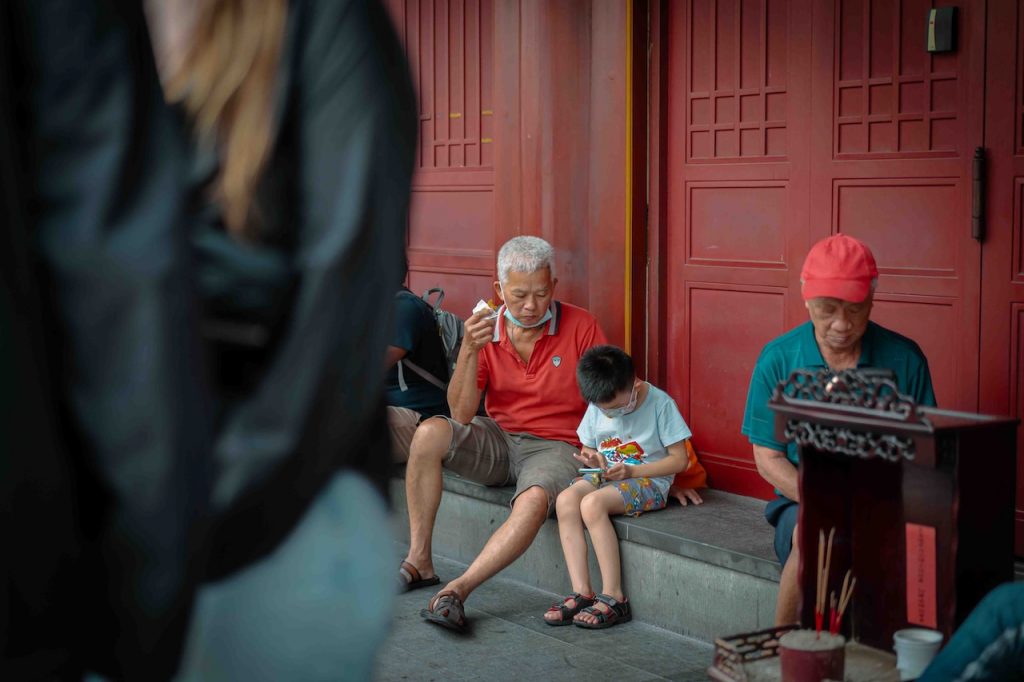
Read here
What can a millennial caught between their parents’ hospital bills and their kid’s school fees learn from a caregiver who’s already weathered that storm? How does childhood scarcity shape the way we spend as adults? How do you teach kids growing up in a cashless world about the value of money? And what happens when family ties turn tense over inheritance plans?
These are the kinds of questions we want to ask about financial wellness—all derived from the messy, real lives we’re all trying to sort out. This is what the festival’s built for: live conversations, hands-on workshops, and activities that get families talking about money differently. Because the price of tomorrow isn’t just measured in dollars; it’s in the choices we make today, and the life we think is worth paying for.
The Price of Tomorrow: What It Really Costs When It’s Your Turn as a Caregiver
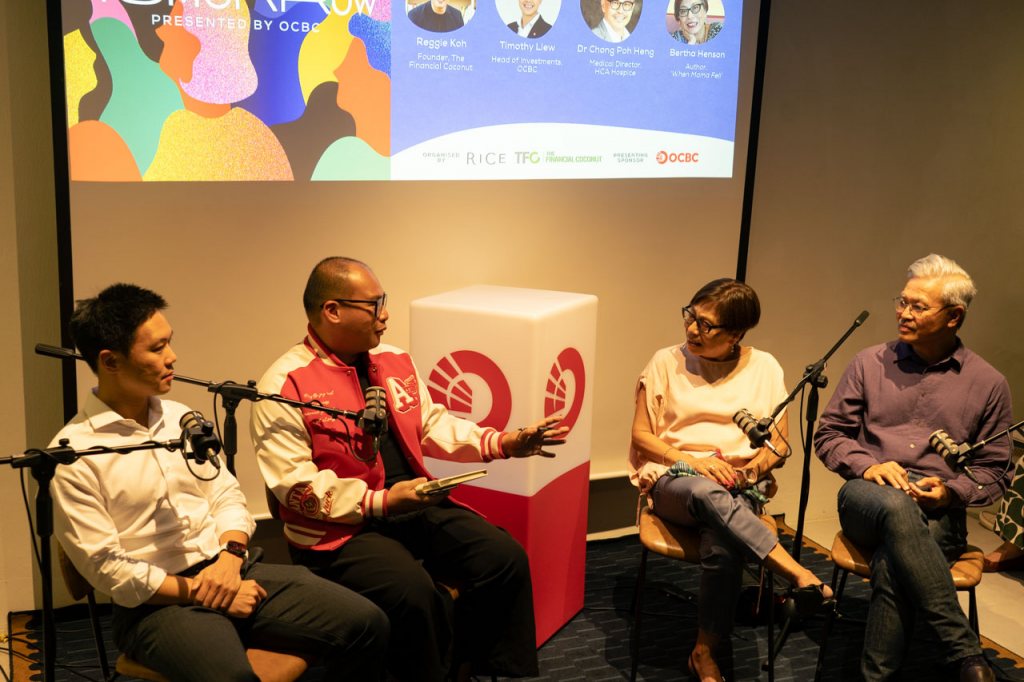
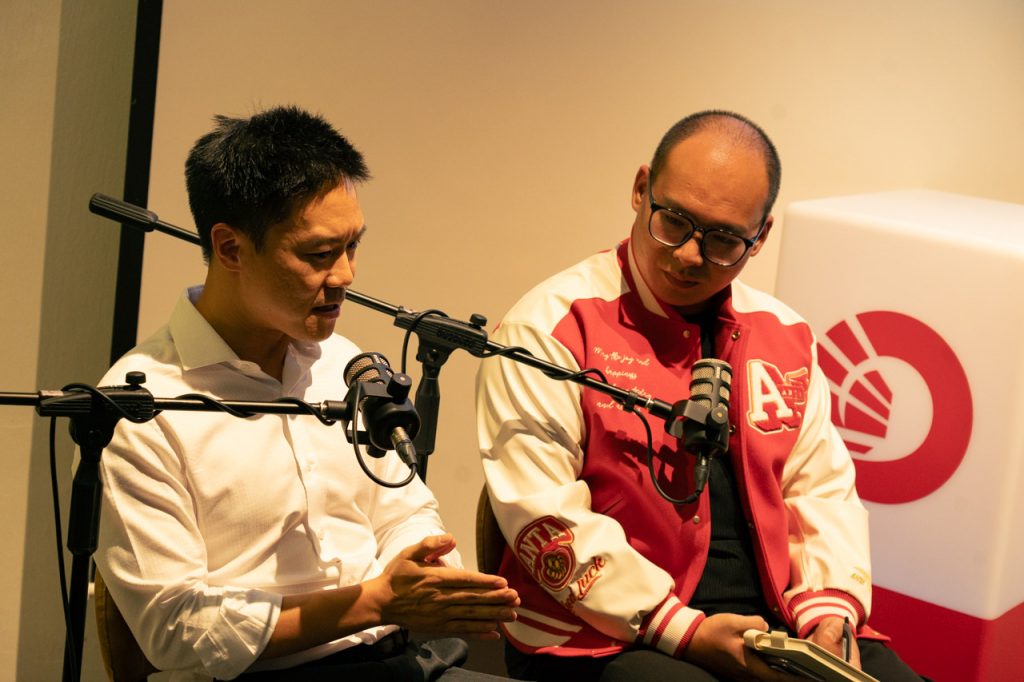
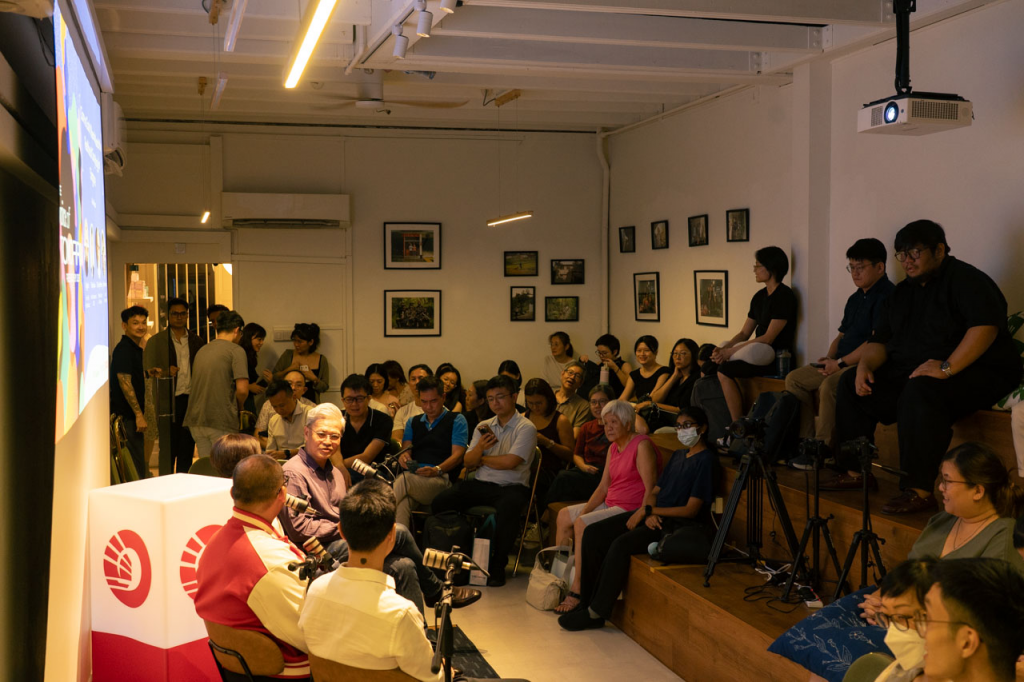
Read here
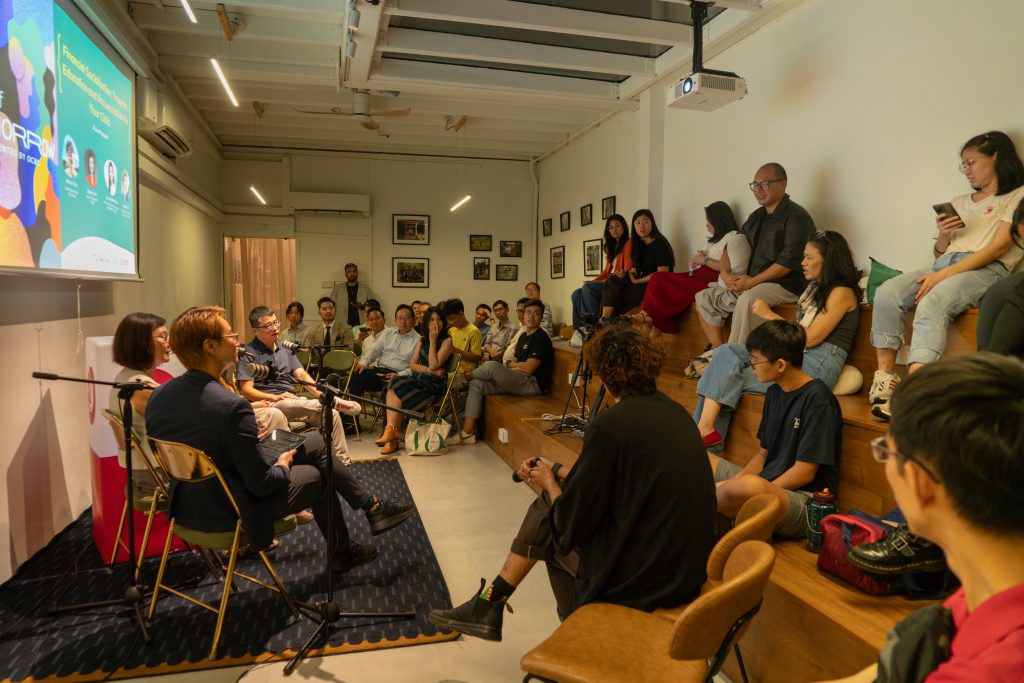
The panel, which brought together caregivers, financial planners, and hospice professionals, examined the financial pressures of caring for their ageing parents, their own future selves, and, for some, their children too.
We grow up hearing that we should be saving for a rainy day. But how many of us really have an inkling of how much we need for this figurative stormy period in life? And what else do we need to rethink when we step into the position of caring for our ageing parents?
The Price of Tomorrow: The Money Habits We Don’t Want Our Kids to Inherit

Read here
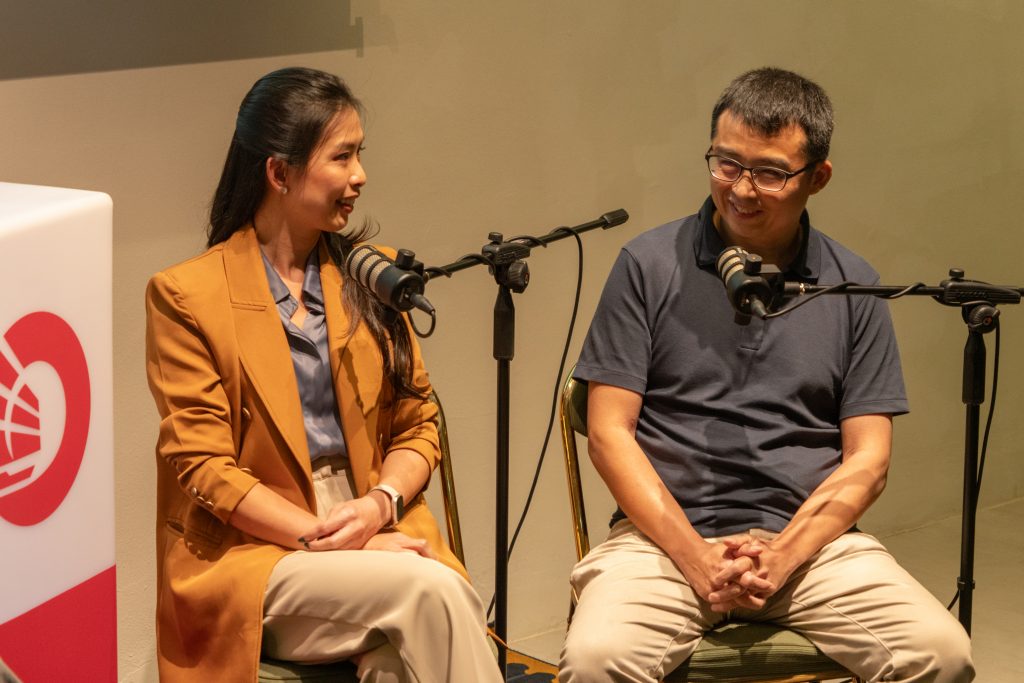
There’s only so much that a parent can do to instil healthy money habits among their kids. Mistakes will be made—they’ll still overspend and make bad financial decisions, just like we did.
But the point was never to create perfect, disciplined children. The point is to help them build a sense of value sturdy enough that, when they do mess up, they know how to steady themselves.
The Price of Tomorrow: A Financial Wellness Festival

Read here
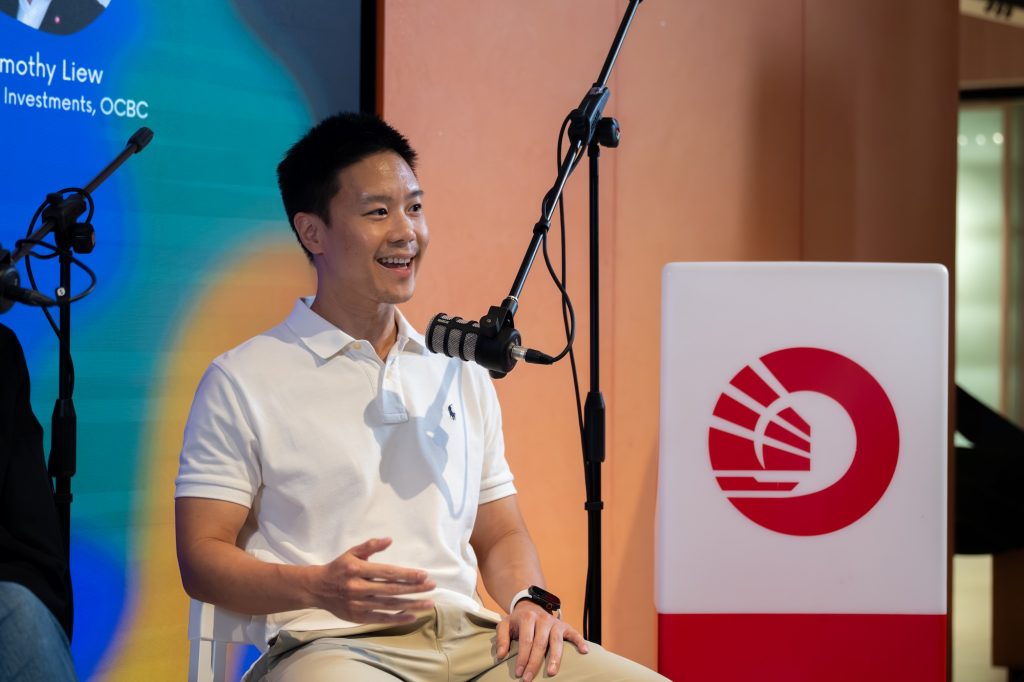
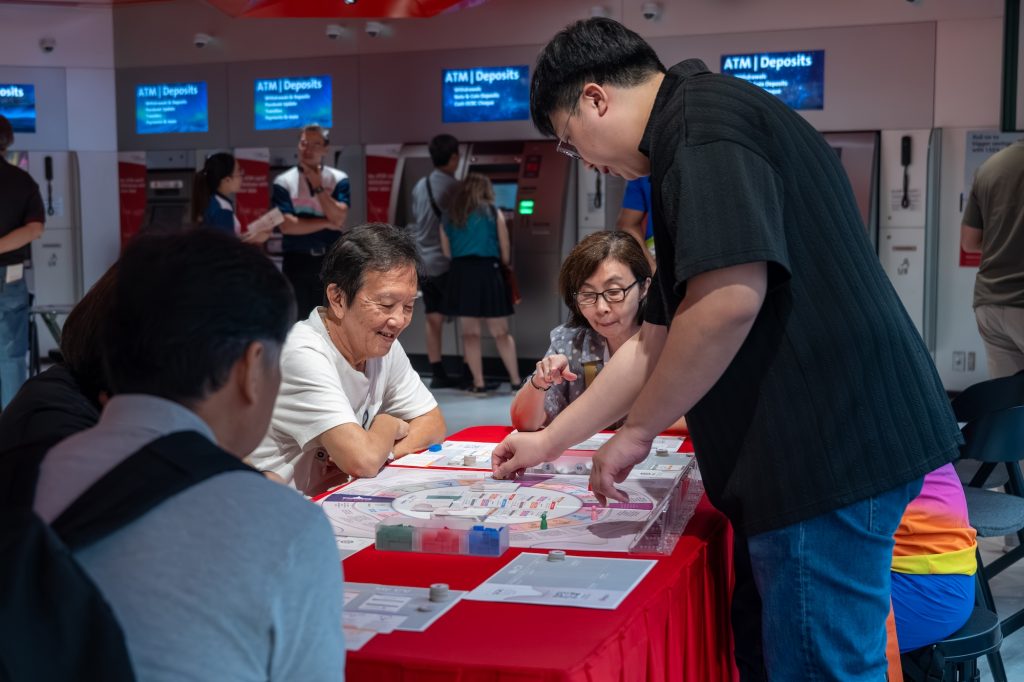
A weekend of live dialogues, interactive workshops, and hands-on activities that bring families together to swap stories and reimagine what financial wellness could look like—for themselves and for Singapore’s future.






Full photo gallery here
Growing Old in Singapore Isn’t the Hard Part. It’s the Feeling of Being Stuck.

Read here
For a long time, the dominant life plot ran in three acts: learn, earn, retire. But that script is unravelling. Some people feel like they can never make enough to retire. Others find themselves afflicted with terminal boredom after retiring. Yet others retire, only to find themselves dealing with more expenses than they’d forecasted.
Perhaps we should think of our silver years as chapters instead. Instead of self-imposed pressure to ‘make it’ in our thirties, why not normalise reinvention as we navigate multiple life chapters?
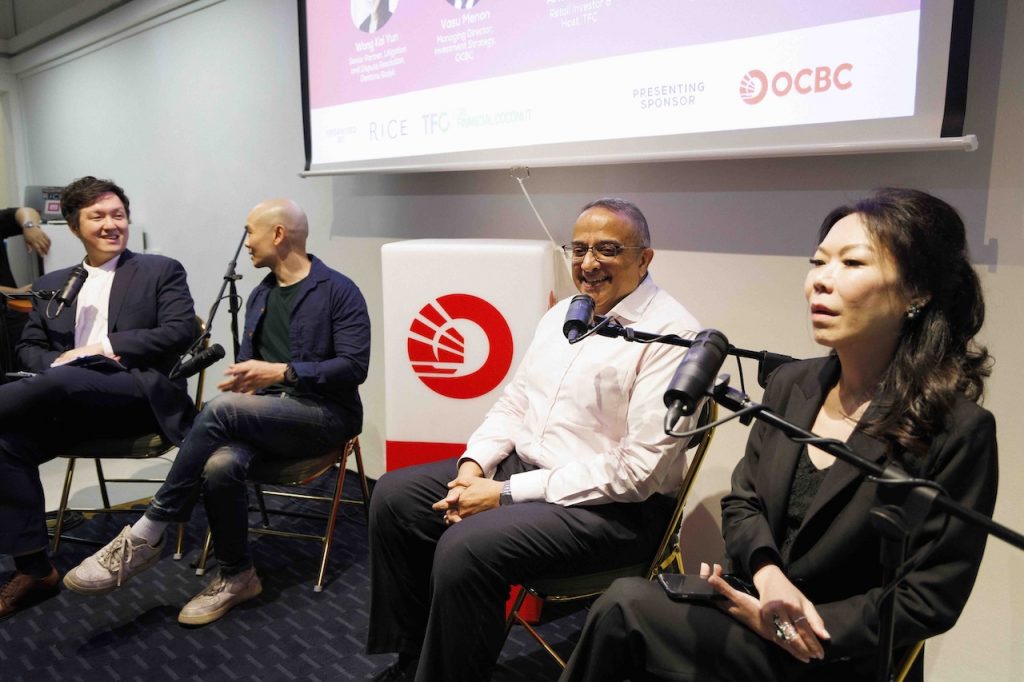
The Price of Tomorrow: The Intimacy of Talking About Money With Your Partner
Read here
A 2024 MoneySmart survey found that 32 percent of Singaporeans find it difficult to discuss finances with their partner. About one in four Singaporeans has had a relationship breakdown due to money disputes.
Clearly, avoiding the topic of money is akin to kicking the can further down the road. But how do you talk about money in a way that builds trust instead of tension?
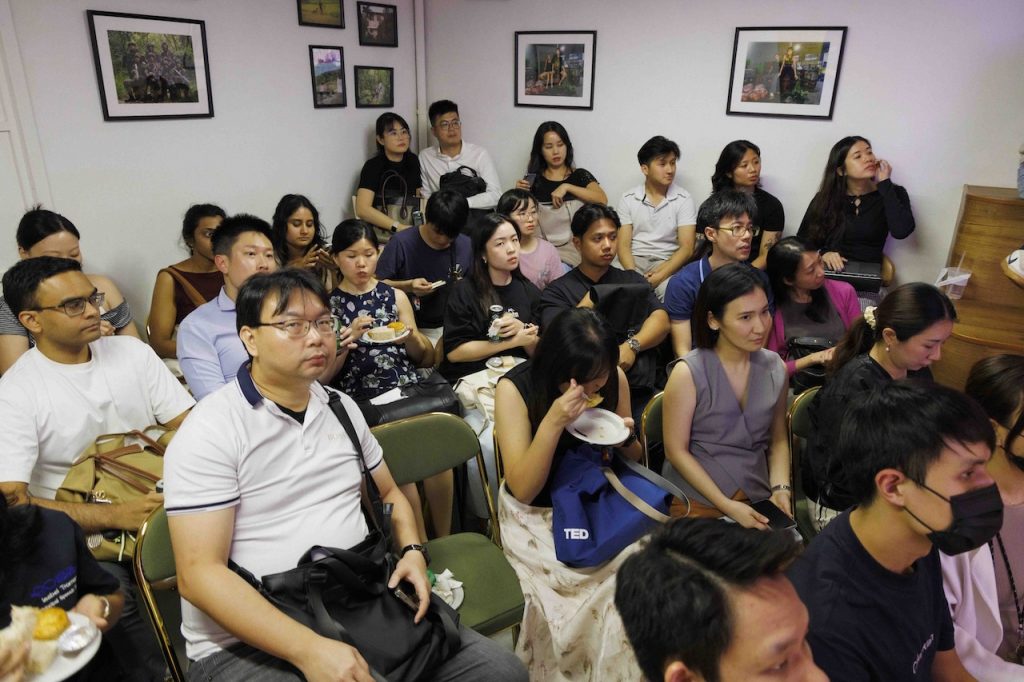
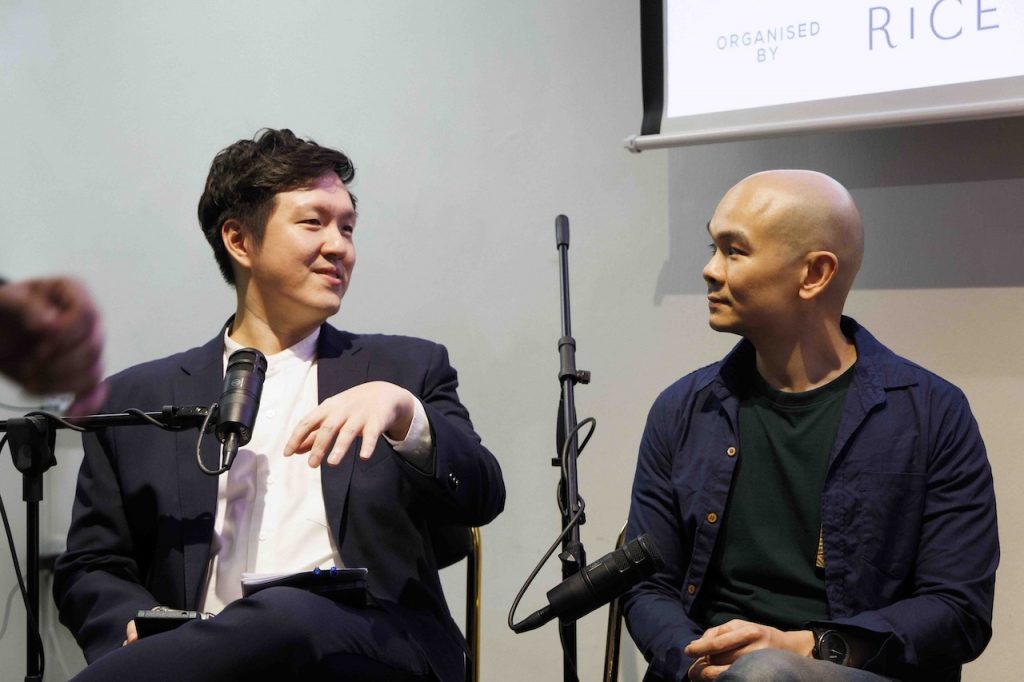
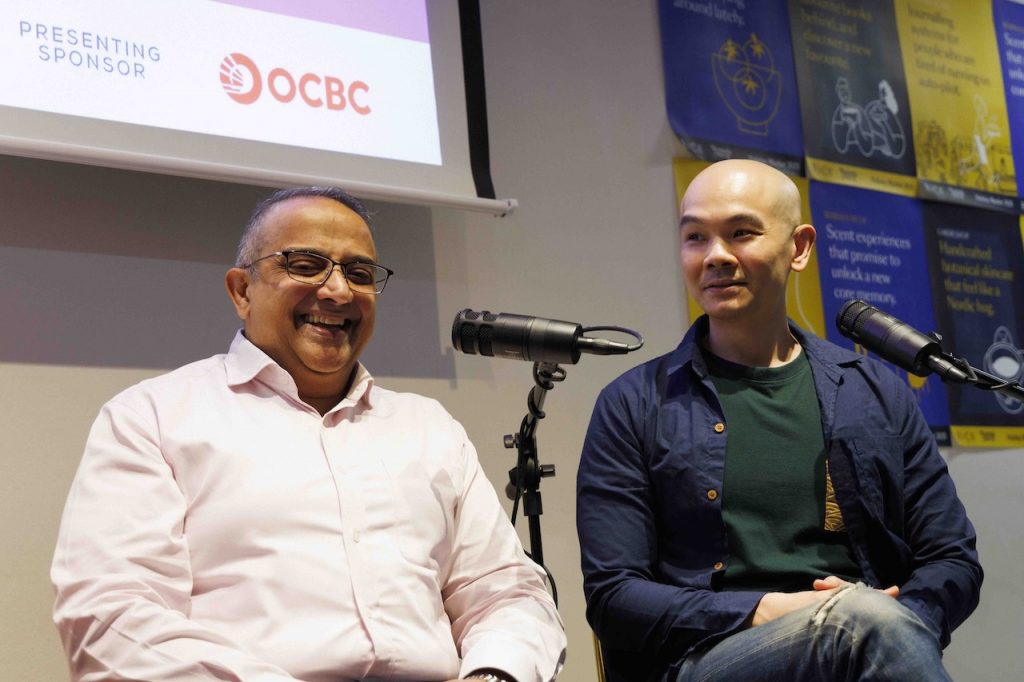
At a recent The Price of Tomorrow panel, ‘Before I Do: Money, Marriage, and the Plans We Don’t Talk About‘, it became clear that what most Singaporean couples need isn’t purely financial advice—it’s relationship advice.