Chloe Chung, 20, is a Singaporean undergraduate student studying Biomedical Sciences in the UK.
In this RICE Community Voices piece, she reflects on how leaving Singapore at 17 gave her independence and freedom, only to return home and question what it means to be truly Singaporean.
All images courtesy of Chloe Chung.
Apparently, I wasn’t “Asian enough” to talk about Lunar New Year. What an odd thing for a teacher at my English boarding school to say.
I grew up in Singapore celebrating the Lunar New Year with my family every year. Yet there I was, thousands of miles from home, being told I wasn’t in a position to speak about a tradition I’d known my entire life.
I remember sitting there, stunned. That’s my culture too. Why can’t you see that?
Three years later, I encountered the opposite problem back in Singapore.
I’ve met people who question how Singaporean I really am. They seem to think my way of speaking isn’t Singaporean enough. I don’t always understand the references everyone else seems to know, and I’ve picked up habits and perspectives that sometimes make me feel out of place in the country where I grew up.
In the UK, I’m not Asian enough. In Singapore, I’m not Singaporean enough.
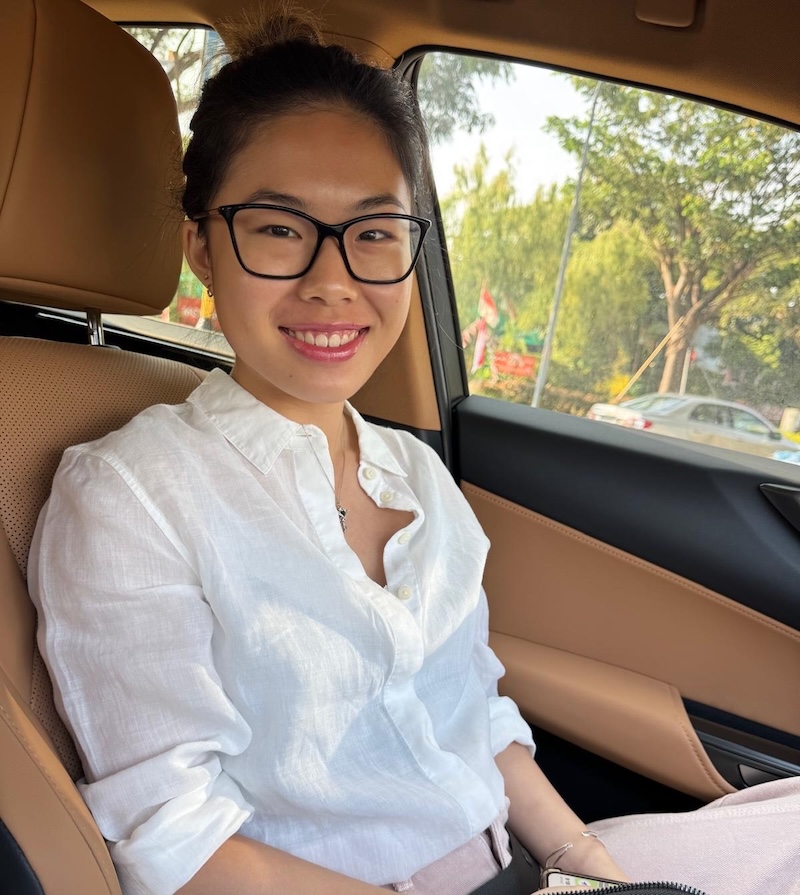
Ironically, I left Singapore at 17 because I wanted the freedom to become my own person. I was tired of feeling that my ambitions, interests and future had to fit someone else’s definition of success.
Moving abroad gave me much of that freedom, though I hadn’t expected that getting comfortable with who I was would invite other people to question where I belonged.
What I Was Running From
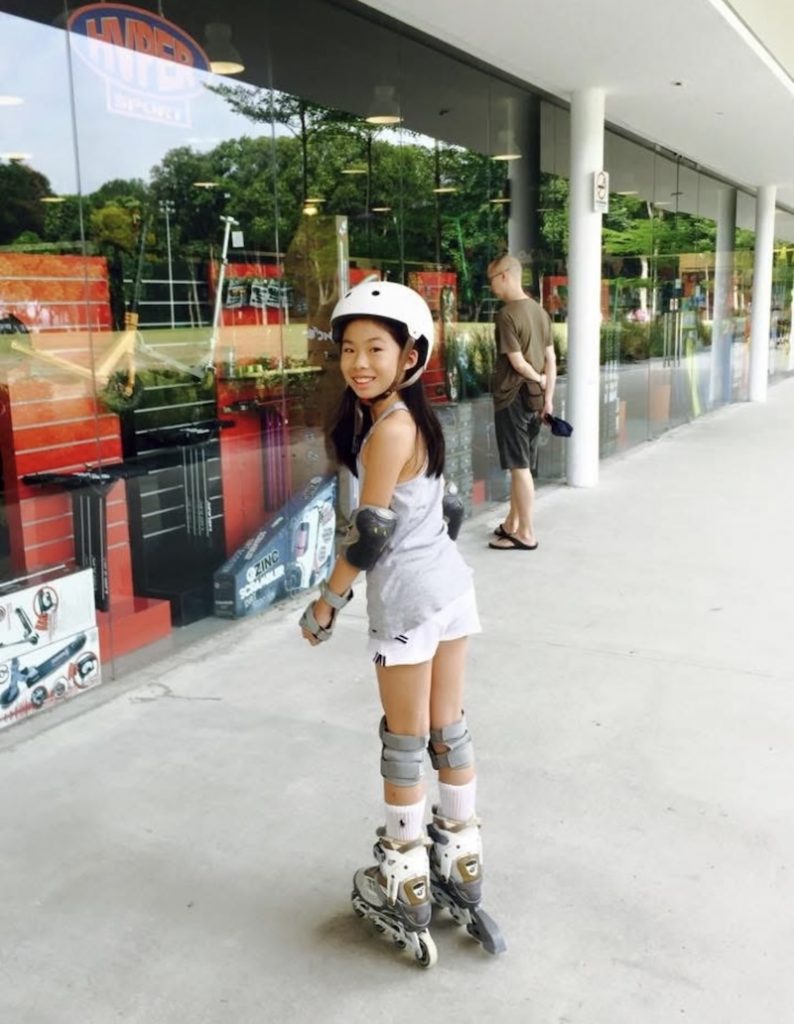
Growing up, I couldn’t wait to leave Singapore.
I enjoyed learning! But I increasingly resented an education system that, in my experience, seemed to reward rote memorisation over genuine curiosity. There was an unspoken competitiveness among my peers, and there was little room for ‘unconventional’ thinking or interests that didn’t contribute to academic achievement.
I found it exhausting. I valued education, but I rejected the notion that academic achievement defines someone’s entire worth. Yet, it seemed as though there was only one acceptable path.
As a harpist and someone who enjoys writing, I struggled with the idea that everything I enjoyed needed to lead somewhere practical.
I remember teachers telling me that my extracurricular activities were distractions, that they wouldn’t pay the bills, and that I should spend more time studying.
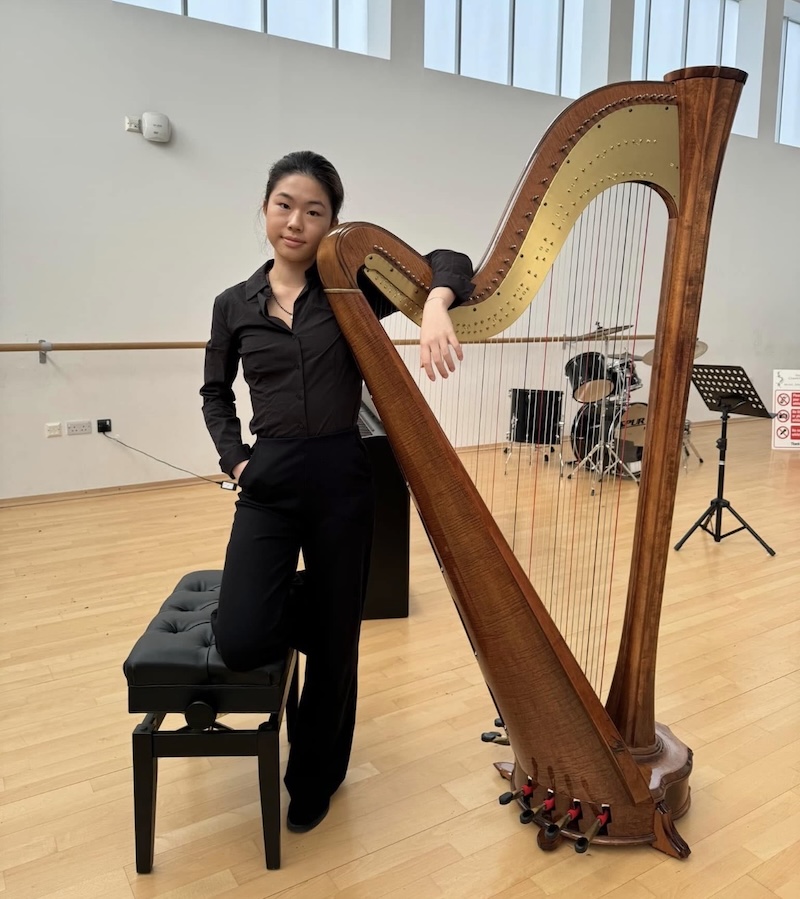
Maybe they were trying to prepare me for the realities of adulthood. But at 17, it felt like they were asking me to decide which parts of myself were worth keeping based on my future earning potential.
My father had attended boarding school in the UK and often reminisced about his experiences there. He shared how he played and travelled with the rugby team while keeping up with his studies. That balance appealed to me.
When he suggested that I consider a similar path, a life I had spent years imagining suddenly became a real possibility.
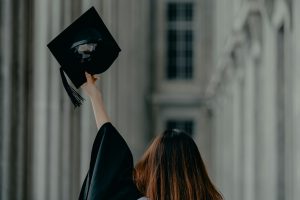
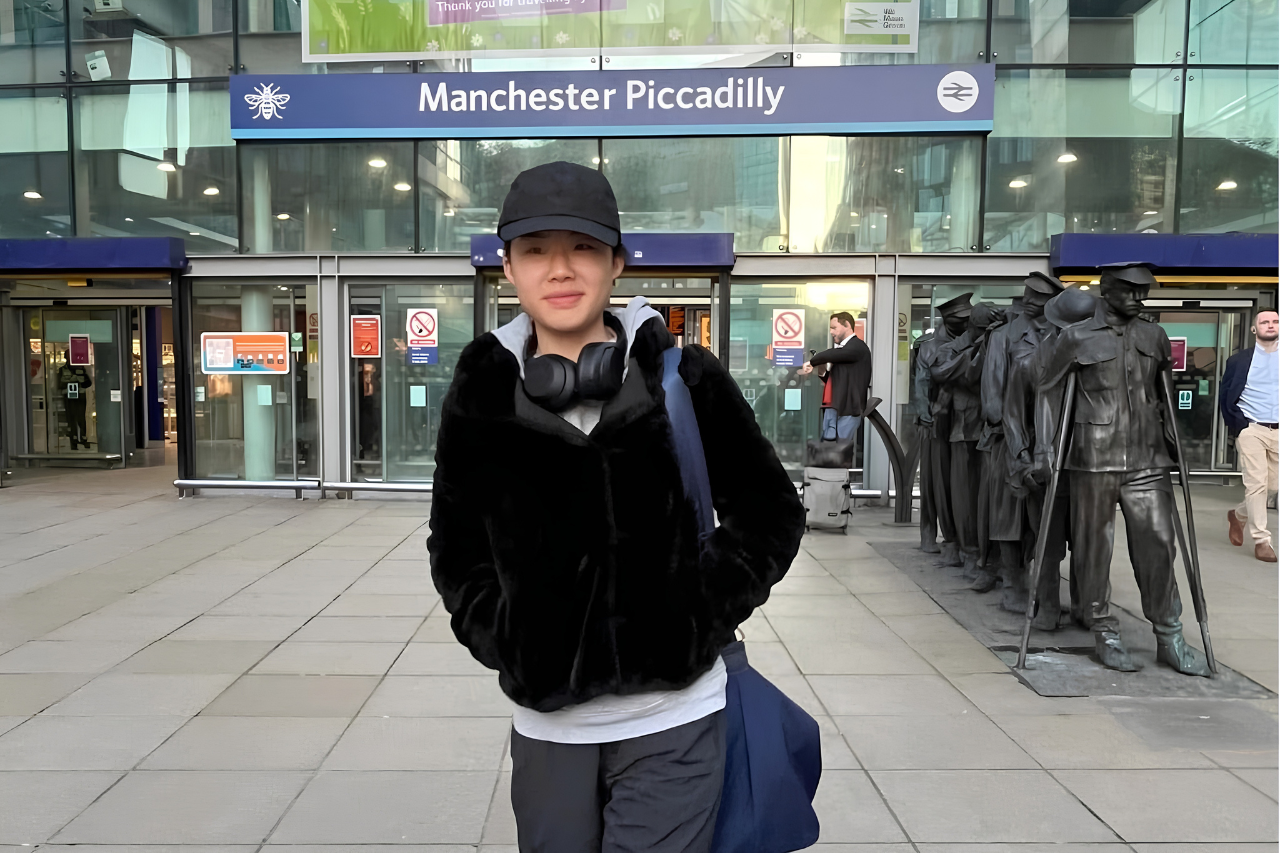
In 2023, I moved to Harrogate, a small town in North Yorkshire, to attend Harrogate Ladies’ College, a private boarding school for my A-levels.
Yes, I recognise the privilege in that sentence.
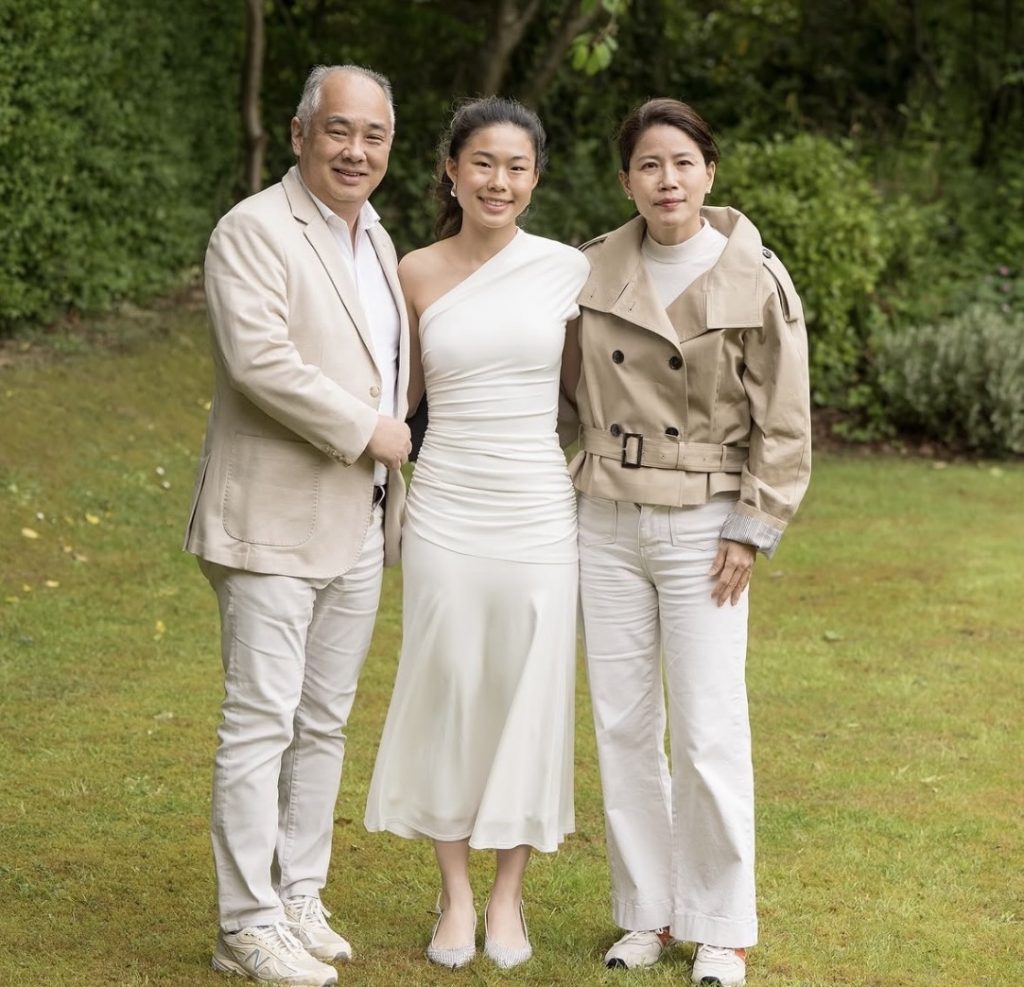
My family could afford to send me overseas. My father’s experience meant studying abroad wasn’t unfamiliar or intimidating to my parents.
I had the option of leaving an environment that didn’t suit me, while many other teenagers had to work within it.
However, unlike me, my friends weren’t actively seeking an escape route.
Some of my closest friends stayed in Singapore, completed A-levels and went on to local universities. They are thriving in the very system I struggled with.
Having known me for most of my life, a friend of mine understood how badly I wanted to leave. Rather than resenting my opportunity, she was happy that I’d found a path that suited me.
Our different experiences taught me something I hadn’t appreciated at 17: an environment that feels restrictive to one person can be exactly where another flourishes.
Singapore’s education system isn’t all bad, but it needs to allow more room to imagine different versions of success without treating one as less worthy than another.

Learning to Be Uncomfortable
I will never forget my first day at boarding school. At first, I was intimidated by the campus and the school’s reputation; it was a well-regarded independent school, consistently ranked highly in top school guides. The corridors were noisy, full of students walking in groups, talking and laughing with friends they’d grown up with.
I was the only Singaporean at my school, and for the first time, I was constantly aware of it.
“Where is Singapore?”
“Is Singapore like a forest? Or a proper country?”
“Do people speak English in Singapore?”

I’d laugh awkwardly and explain, but after a while I noticed that the people asking weren’t particularly interested in my answers. It was just their way of pointing out how different I was.
Explaining my identity was new to me. The way I spoke and the food I ate had always been the norm back home. Here, they set me apart.
I hadn’t considered how uncomfortable it would always be to be the odd one out. Even with some companions in school, I found myself scrolling on social media and watching my old friends hang out without me. We used to go to the cinema to watch the latest Marvel movies together, and now they went without me. I felt so isolated from my life in Singapore.
I can’t just wake up and suddenly fit in. To settle in, I just needed to get on with it.
I pushed myself to talk to new people, join conversations with people I didn’t really know, and gradually get comfortable with the unfamiliar.
Over time, strangers became friends. I stopped feeling like an outsider and began building a life of my own.
My father had always approached living abroad rather pragmatically. He believed new experiences should be uncomfortable. You adapt, you learn, you carry on. What mattered was knowing who you were, regardless of what other people thought.

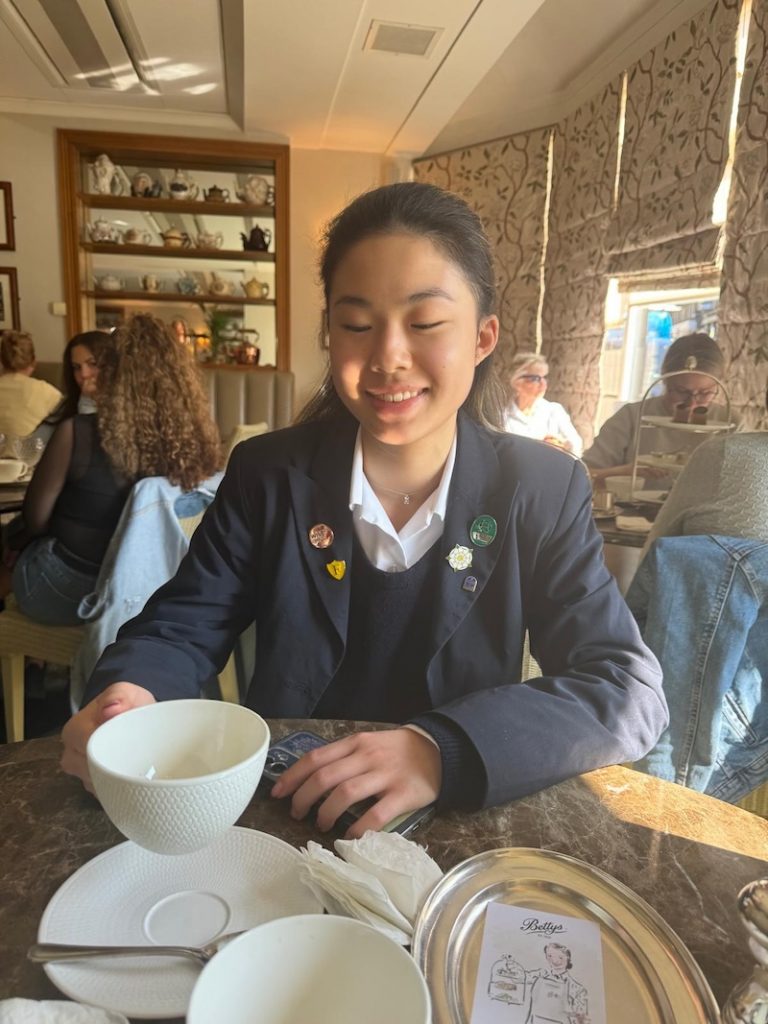
At the time, I didn’t fully appreciate his perspective. But looking back, I think that discomfort was precisely what helped me become more confident and independent.
The biggest change in the UK was how easily I started expressing myself and speaking my mind.
At boarding school, I felt able to tell teachers how I wanted to be taught, which methods worked best for me, and what I wanted to see more of in school, whether that meant activities or even meals.
These might seem insignificant, but coming from an environment where I’d experienced a stricter hierarchy between teachers and students, youth and adults, having my opinions welcomed made a difference.
I was no longer simply doing what was expected of me. I was learning to articulate what I wanted.

The same applied to conversations about the future. I met people who wanted to pursue fashion, sports psychology and other careers that weren’t always part of the conversations I’d grown up having in Singapore.
It wasn’t all about financial security or career progression anymore—passion and job satisfaction ranked just as equally. I started feeling less embarrassed about discussing ambitions that didn’t fit a conventional mould.
I chose biology, chemistry, and mathematics for my A-levels because I genuinely loved science. But I also loved writing and storytelling. For a long time, I’d treated those interests as competing versions of my future.

Now, I’m studying biomedical sciences at university, hoping to become a science journalist. It’s a career that lets me combine the subjects I love instead of abandoning one for the other.
Three years ago, if I hadn’t left Singapore, I’d probably have talked myself out of it.
Not ‘Singaporean’ Enough
Back in Singapore, I started noticing changes in myself that I’d barely registered while I was away.
Sometimes, it’s as simple as the way I speak. I’ve met people who say I don’t sound Singaporean, or who seem surprised when I don’t understand a local reference. Other times, it’s how I behave.
I’ve become more comfortable asking questions, challenging opinions and speaking openly about what I think. Sometimes, when someone comments on how I’ve changed, I wonder why they treat those changes as evidence that I’m somehow less Singaporean.
After all, I didn’t leave behind my childhood, my family or the traditions I grew up with.
I still celebrate the same festivals and eat the same food, like my favourite Babi Buah Keluak from Candlenut. My formative memories all contain Singapore.
Yet I’ve encountered people in Britain who question my connection to Asian culture, and people in Singapore who question my connection to Singaporean culture.
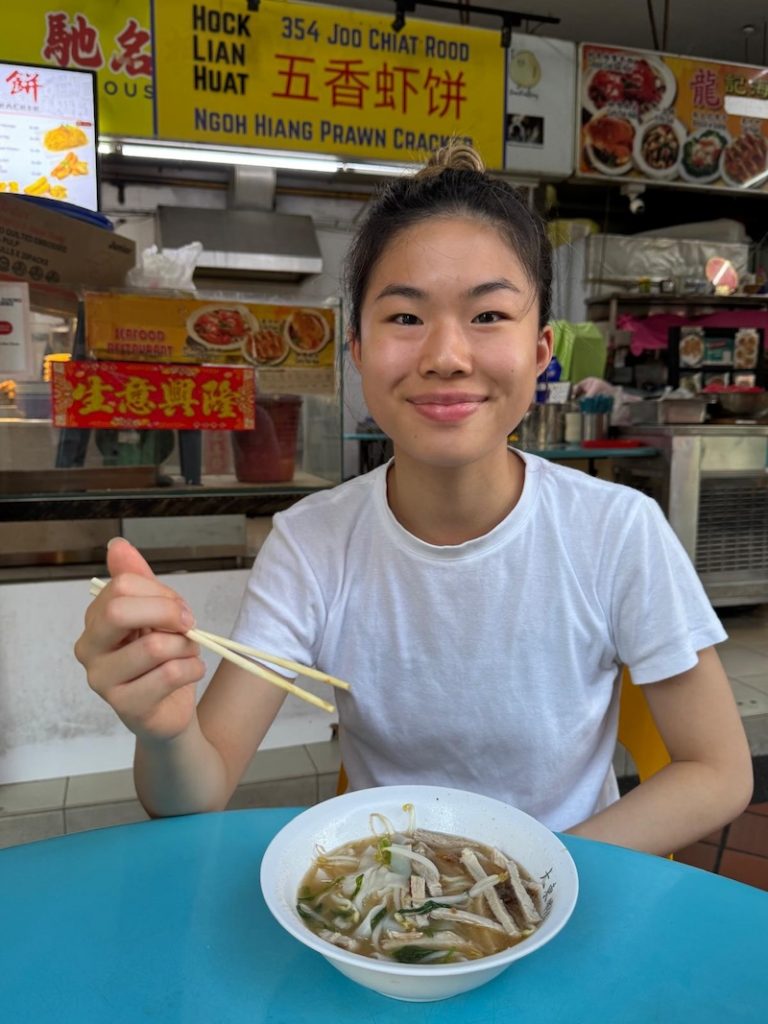
It leaves me wondering who gets to decide what being Singaporean is supposed to look or sound like.
Do I have to speak a certain way, understand every cultural reference, or behave according to a particular set of expectations to qualify? And if living overseas changes the way I think, does that make my identity less authentic?
I don’t think it does.
I Want to Come Home, But Not Yet
Despite all the frustrations that made me want to leave at 17, I still love Singapore.
My family is there, and so are my childhood friends that I grew up with and entered adulthood with.
My friends and I have spent the past three years growing up in different countries. Sometimes we have to explain people and references that never used to need explaining, but we still laugh together.
We’re still interested in one another’s lives. They haven’t become strangers simply because our paths diverged.
For now, I’d like to continue living abroad after university. Not necessarily just in the UK, but somewhere I can keep experiencing different cultures and building a career in science journalism.
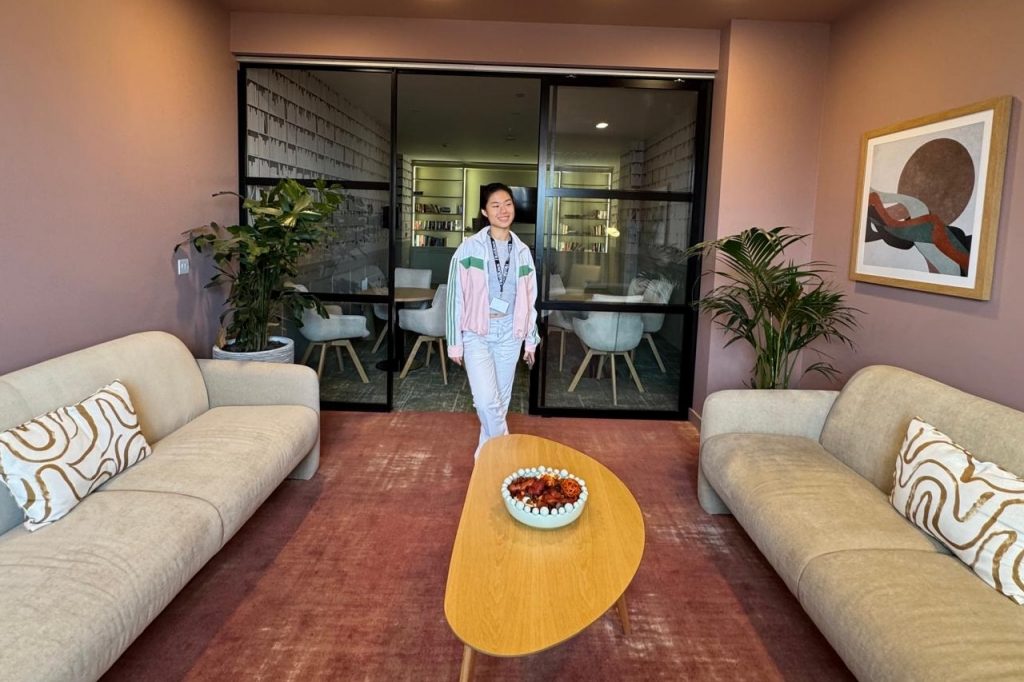
In the longer term, however, I hope to return to Singapore. I don’t see that as a contradiction.
Leaving gave me opportunities I might not have explored otherwise. Returning would mean choosing to build a life in the country that raised me, rather than remaining there because it was the only future I could imagine.
I don’t think Singapore needs to become more British for people like me to feel at home. Nor do I think studying overseas is inherently better than staying.
My closest friend’s experience proves that different paths can lead to equally fulfilling lives.
One thing I do wish is that we were less quick to measure one another against narrow ideas of what a successful career, a respectable ambition or even a Singaporean identity should look like.
I was fortunate enough to leave at 17 and discover other ways to live. Not everyone needs that experience, and nobody should have to travel thousands of miles to feel entitled to pursue a different kind of future.
I left Singapore to find who I could be, and I’m glad I left. But I’m even more grateful that leaving never meant I had to stop calling Singapore home.