This story is part of RICE Media’s Storytellers initiative, a mentorship programme for budding content creators to learn about the art of creative non-fiction. This piece is a product of a partnership between RICE Media and Singapore Management University (SMU) for its Professional Writing module.
Top image: Courtesy of Sam Chua
“You kneel by his feet, the adoration in your eyes mirrored in his. He offers you his hand, king to consort, husband to husband, and you press a chaste kiss to the divot of his knuckles in equal parts love and fealty. Roll me an insight check to see if your character can tell how your king is feeling at this moment.”
Silence. My 20-sided die clatters against the table, and we wait in bated breath for the moment it tips to reveal my number. Then —
“That’s pretty gay.”
At any other table, my blood would have run colder than ice. How dare you call me gay (although it’s very much true)? My hackles would have been raised in an instant, and I would have snarled an insult or two back where it came from.
But at this table, all that greets me is a chorus of knowing laughter, hoots and cheers. Someone even scribbles down the words ‘GAY’ in all caps on some scrap paper to show the rest of the table, childlike glee on their face. The five others at the table roar with laughter and applause, passing the sheet of paper around. Warmth blooms in my chest.
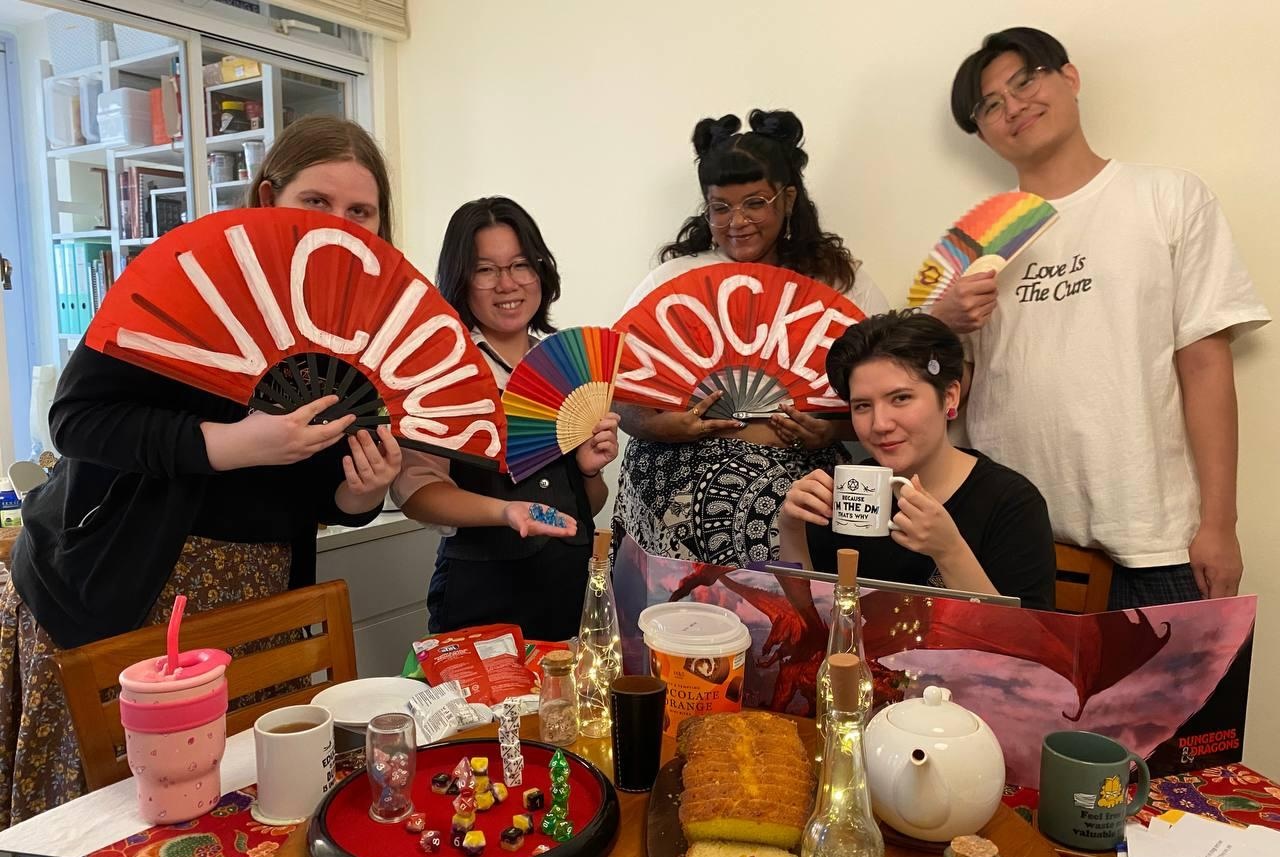
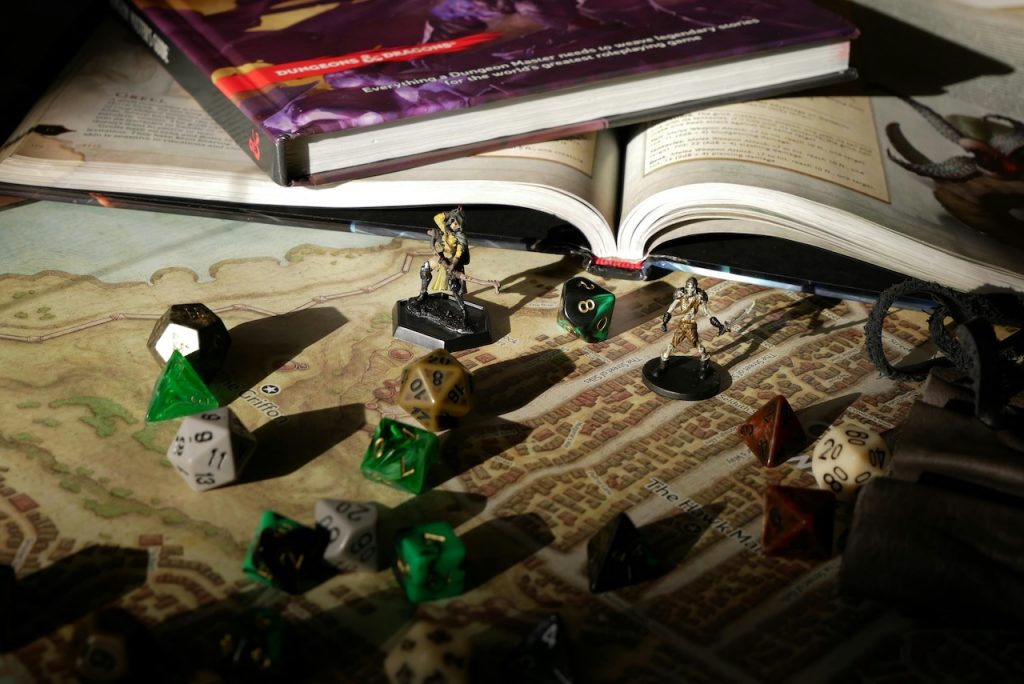
This session marks my very first one with this particular Dungeons & Dragons (D&D) party. But for the rest of the players seated around the table, a lazy susan full of snacks and tea spinning in the middle, it is their seventh.
It’s not my first time playing D&D, but it is my first time playing with a completely queer cast of players and in-game characters. At this D&D table, everyone is some shade of the LGBTQ+ rainbow—and is closely tied to Singapore’s vibrant queer community.
At the table, they play as teachers in a magical academy firmly set in a high fantasy setting. Their characters teach classes in subjects they specialise in, guiding students of every background, class and race towards a life full of successful adventures.
But it’s away from the table that real-life facilitation and education come into play. Especially considering that each player is part of the YOUth volunteer team for Oogachaga, Singapore’s most established LGBTQ+ non-profit organisation.
Session 0: Coming Out to Play
D&D, a tabletop role-playing game with a long history and even longer lists of rules, seems like a complicated thing to get into. But there is order in the chaos. Campaigns—longer adventures spanning multiple sessions—usually start with an initial planning, onboarding and briefing session organised by the Game Master, also known as a Dungeon Master (DM).
The DM is the beating heart of the worldbuilding and game design of every campaign. They are the person who plots out the main themes and trajectory of every adventure, the setting of every world, and the role of every non-player character (NPC) that their real players will get to know over the course of the game.
Drew (they/them) is the DM of this particular campaign. In February 2025, they approached their fellow Oogachaga YOUth volunteers with an idea for a new campaign. D&D has long intertwined itself with queerness, and it was inevitable that the volunteer team would eventually try their hand at a campaign full of adventure and peril.
“Most of our players were fresh to D&D, bar one or two people,” Drew recounts, reminiscing on how the party first came together. In Session 0, Drew focused on preparing the world and backdrop for the campaign, while the rest of the party focused on building their in-game characters from the ground up.
It is the group’s first taste of the freedom D&D provides players, both in character creation and intimate storytelling. They don’t have to play as themselves, human and boring, although plenty of the players designed characters that “mimicked [their] real-life personas”, Jap (he/him) tells me.
He creates a beautiful and charismatic elven bard, Bryn (also he/him), who teaches performance and bardic studies. Bryn also happens to be in a complicated relationship laced with romantic tension and homosexual yearning with his childhood friend and fellow teacher, Basil (he/him), an NPC played by the DM.
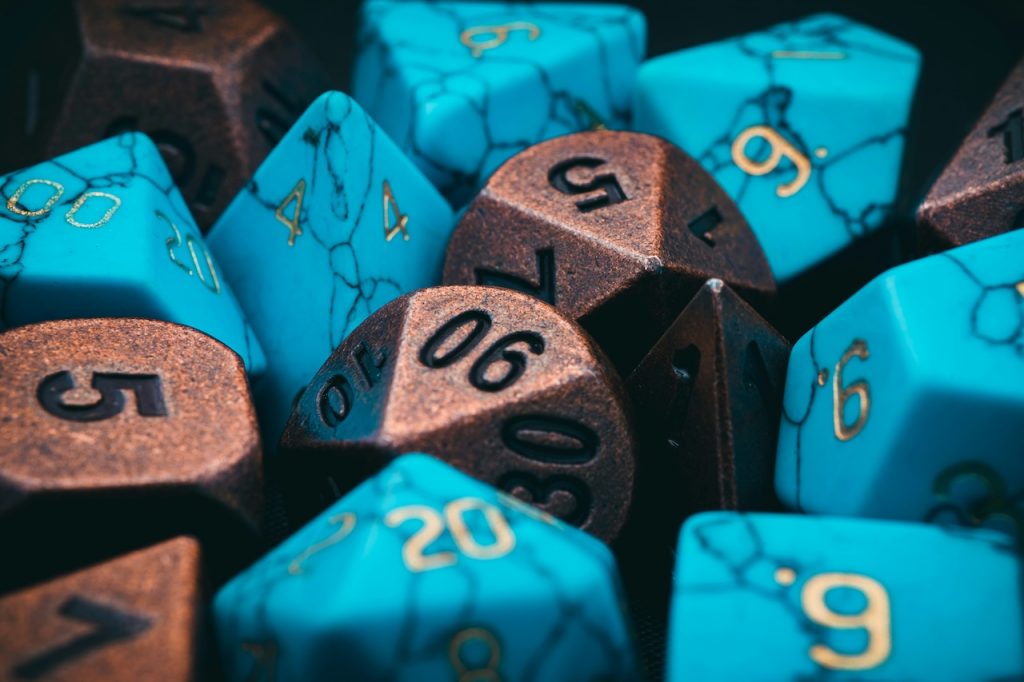
In no time, the party assembles an all-queer cast of otherworldly tieflings, friendly druid halflings, emo rangers and courageous orcs, and the DM comes with an arsenal of other queer characters to form the supporting cast.
“The characters and narratives in the world are very queer-focused,” Drew explains. “All the characters that you can interact with are some form of queer, or understand queer issues and know how to interact with you. It’s about feeling welcome at the table.”
That doesn’t mean Drew is forcing characters to be queer or forcing players to act a certain way in the game. There is a bitter recognition that some outside the LGBTQ+ community think this is what the queer community is actively doing, especially amidst the global backslide into conservative ideologies.
But Drew approaches queerness in their games with an openness and empathy not often afforded to the queer community in Singapore.
“The people at my table just want to tell a story,” Drew tells me.
“They want to tell stories that they don’t get to see in the outside world often, to represent themselves or represent other people they see.”
Session 1 & 2: Cults & Curricula
The party gathers for Session 1. They get introduced as new teachers in the magical Westras Academy, meeting their students and fellow faculty members.
All of this feels familiar to the party. They slip into the role they’re used to in real life—facilitators and volunteers for fellow queer youth at Oogachaga, who provide everything from educational lessons on dating safely, thoughtful discussions on community intersectionality, and peer-to-peer advice.
And it keeps going. The party gets together again the following month for Session 2, eager to continue exploring the world of magic, academia and dealing with rowdy teenagers.
“I realise how much of an investment D&D is,” Jap laughs. “It’s a great excuse to gather and bond with your queer friend groups. It has a downstream function: it keeps friend groups together.”
Drew agrees. “There’s a dynamic of people who have gone through shit together. You get lifelong friends from that sort of thing.”
The things that they do in their second session can indeed be classified as “going through shit”. In the game, the party speaks to survivors of physical trauma associated with battle, as well as survivors of the death cult, The Raven Cult, whose tyranny once ruled the land.
The party gets hints of a resurgence of cult activity, with mentions of brutal murder and manipulation. When asked why they picked this particular storyline, one so heavy and fraught with pain, Drew explains how they wrote the campaign.
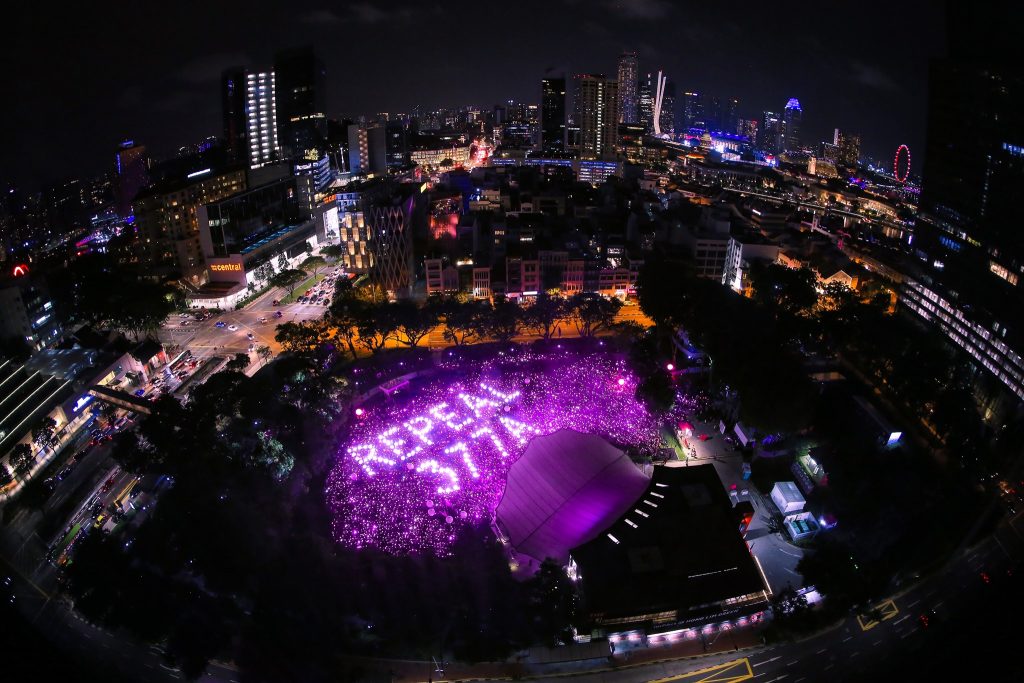
“I was going through a lot of personal turmoil when it came to religion. It coincided with the ramp-up of the campaign to repeal Section 377A, when there were many voices for and against it.”
But Drew is quick to push back: the storyline wasn’t written to condemn religion.
“I’ve been a Sunday school teacher since I was 17. The campaign was partly about my personal journey with religion and how it can be misused as a beating stick for queer issues.”
Perhaps this sentiment resonates with plenty of the players at this D&D table, who are more than willing to keep coming back to see the story unfold, despite how close it may hit home. When D&D provides a safe and welcoming environment to explore touchy subjects that many queer Singaporeans go through in real life, it creates an opportunity for existing queer friendships to go a level deeper.
“D&D is very intimate,” Jap remarks. Jemma* (she/they), a fellow player at the same table, says the same thing.
“Our group already existed as a community because we volunteer together, but we fortify it outside the volunteering context through D&D. We get to really bond with each other.”
Session 3 and 4: Culture, Consent & (Fantasy) Gay Clubs
As the party delves deeper into the murder cult storyline and learns more about the world’s conflict-torn history, it might be a wonder to some that everybody can stay in good spirits. Jemma attributes this to the DM’s ability to safeguard the group’s boundaries and consent.
“Drew has been really good at laying down and respecting boundaries when it comes to what we want to discuss in-game and how we want to roleplay our characters,” they explain.
“D&D helps us in the community-building aspect, like through finding people you feel safe enough with to express yourself. But being able to engage with queer themes in a safe and controlled environment depends on the DM.”
Drew tells me, quite solemnly, that there have been more D&D tables at which they felt unsafe and unhappy than there have been enjoyable ones. “Safety is not as important as the story some DMs are trying to tell,” they remark.
It mirrors the Singaporean queer experience, where sore spots for the queer community like gender, marriage, and sexuality are often prodded at, and sensitivity is something too-easily stepped over.
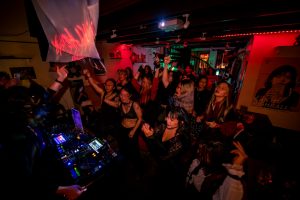
But of course, there are lighthearted moments too. No D&D session is complete without a masquerade ball. And for an all-queer table playing during Pride Month, this naturally means everyone hits the gay club—sorry, gay tavern.
In Session 4, right smack in the middle of June, the players choose fancy outfits for their characters to wear for a night out amidst the city’s nightlife, where they chat with bartenders, flirt with fellow teaching staff, and watch a drag show or two by Drew’s cast of NPCs.
For Drew, this is a way to incorporate real-life queer culture at the table for those who may not otherwise have the opportunity to experience it.
Despite all the fun, there are limits to what D&D can achieve. “It gives us another avenue to experience something adjacent to real-life queer culture, but it’s not one-to-one. There’s still so much benefit to real-life experiences, like Pink Dot,” Jemma observes.
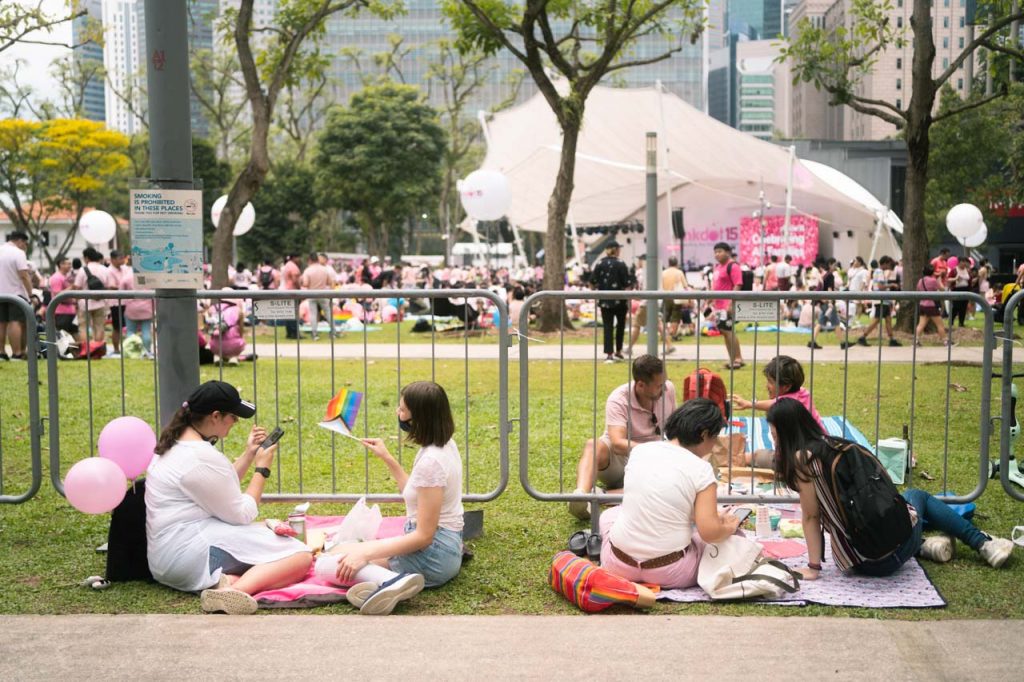
“Playing D&D as a queer group can help you develop queer social skills, like how to act in a gay bar, how to communicate with a queer partner or with other LGBTQ folks,” Jap adds.
“But you can’t encapsulate every single queer experience in a single campaign. Our D&D campaign leans more towards a broader queer subculture; gay male subculture is less prominent.”
While Jap tries to explain the nuances between the two (gay male subculture features an outgoing, partying aesthetic, while queer culture seems more inclusive and is propelled by activism), I ask whether the exclusion of certain LGBTQ+ subcultures makes the game less enjoyable for him.
“No, not at all,” he hurries to assure me. He ponders silently for a moment.
“The thing about D&D is that it’s a fantasy world. Justice will always be delivered, karma will always be served. It makes for great escapism, but it’s not realistic. We can get invested in the fun and the rainbows, but at the end of the day, it’s still just a game.”
It’s sobering to realise that there are still harsh realities away from the table each player must contend with at the end of every session.
Session 5 and 6: Catharsis & Growing Closer
Even if players know the world they play in is not real, there is still an element of reality that seeps into every character they build, every narrative choice, every role-played speech.
It is here where D&D being “just a game” can be its greatest strength for community building, especially for queer folks.
“Through the lens of a D&D game, things feel less personal, even if it comes from a deeply personal place,” Drew explains.
There is a degree of separation between the player and their fictional character. In this campaign, there is a player whose family has had real experiences with war, and their character comes from a similarly harrowing background. Some characters are mixed-race. Some are disabled. Many of the players at the table have difficult relationships with their families due to their queerness, and their in-game characters mirror that.
For some, role-playing struggles that mirror real life can be deeply cathartic. For others, it’s easier not to talk about their real difficulties in-game at all.
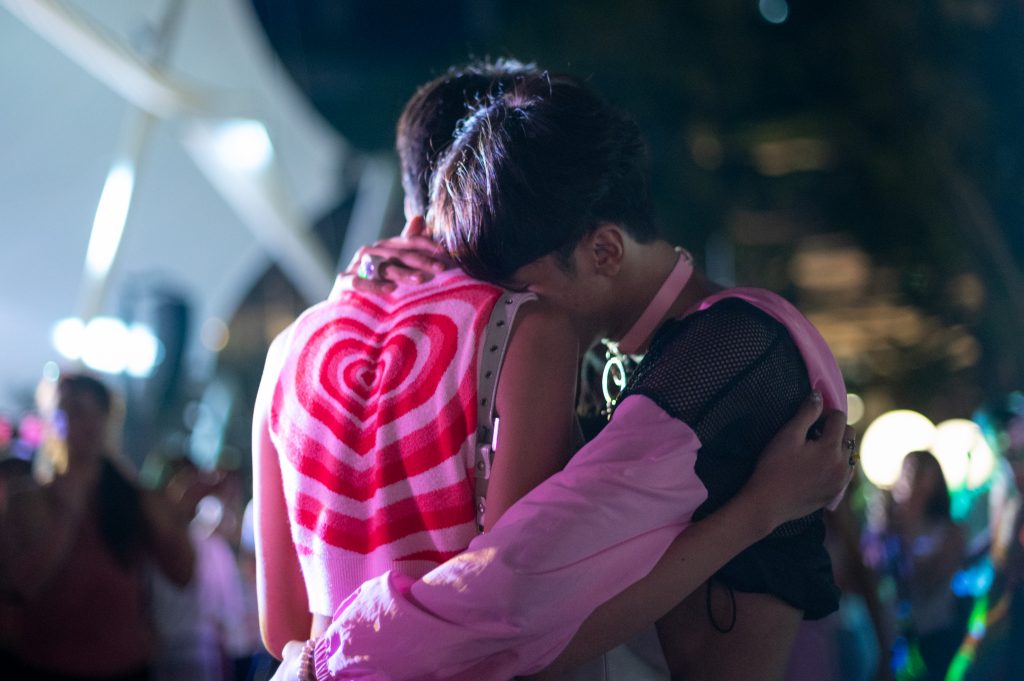
Jemma is one such person. “It’s important for us to have safe spaces where we don’t have to deal with all that for a few hours. There doesn’t need to be an intense reference towards real-life experience.”
That’s why Jemma’s character spends her in-game time crafting fanfiction of Stephenie Meyer’s Twilight as part of Westras Academy’s illustrious book club, while others battle their inner demons. The point is that this is a customisable experience and discussed beforehand—something the DM must be able to handle.
Yet LGBTQ+ folks are not often afforded this patience and graciousness when it comes to queerness and its accompanying struggles in Singapore.
“Being careful and empathetic in-game helps people practise empathy outside,” Drew offers. Empathy is a learning curve, but it has brought about an emotional connection that has pulled everyone in this D&D party even closer together.
“I consider everyone at the table part of my found family—and I’m thankful that everyone at the table trusts me. They don’t even trust their blood family with some of this stuff they bring to the table, but they trust some guy with a set of dice and a DM screen to lead them through it.”
What matters most to the DM, the party, and perhaps the queer community at large is the agency to explore their own stories and identities. It’s about giving back power to take back the narrative, and letting a group that has historically been marginalised be the heroes of their own stories for once.
“At the end of the day, D&D is wish fulfilment,” Drew says. “Because in real life, we don’t always get the happy ending we want.”
Session 7: My Adventure Begins
Nowhere is this idea of wish fulfilment clearer to me than in my very own character sheet. I come to the most recent session as a new addition to the party, ready to roleplay as an original character.
He’s a human necromancer named Clayton who teaches wizardry at Westras Academy. He is everything I wish I could be: married into royalty, witty and intelligent, tall and handsome, and, well. Seen as a guy.
As a barely-out, fledgling transgender guy, playing a cisgender man in Drew’s campaign is a breath of fresh air and a load off my shoulders.
Jap puts it better than I ever could.
“It’s about getting to explore emotions that real life doesn’t afford you. It’s about how trans and nonbinary people get to express their gender with lower barriers to entry. There’s no need for painful and expensive surgery, for hormone replacement therapy. Getting that sensation of gender euphoria is a great experience at the D&D table without all the judgment that surrounds you in real-life Singapore.”
In return for his understanding and empathy, I help him orchestrate a complicated gay love triangle between his character Bryn and his love interest, our DM’s NPC, Basil.
My character, Clay, is misconstrued to have the hots for Bryn despite being faithfully married to another man—a king, mind you. Most of Session 7 is spent terrorising poor Drew and the rest of the table with this stupid, vapid B-plot, and the cast has yet to discover Clay is married. I loved every minute of it.
So… When’s Session 8?
Yeah. D&D is pretty gay.
For some, this can only ever be a bad thing. From the D&D-induced moral panic in the ‘80s to recent right-wing conservatives complaining that D&D is “too woke”, there will always be people who steer clear of the game because of its association with queerness and otherness.
“A lot of it is just people looking for an enemy,” Drew responds. “The inclusion of a queer person in a space will never diminish that space, or tarnish what that space is supposed to be.”
Even if people shy away from the queer community and would prefer that we didn’t exist, we still manage to carve out spaces for ourselves. D&D just happens to be a tool we use to build our communities and forge stronger ties. For now, this is how some of us in Singapore find our tribes.
Drew sums it up well. “You go to the table with such a raw character concept, with some aspects of yourself baked into it, and people at the table will fall in love with it.”
“And if they can love it, maybe you can learn to love those parts of yourself too.”