All images courtesy of Animal Lovers League volunteers
Good intentions don’t always lead where we expect them to. And it’s been made abundantly clear in the last few days that Animal Lovers League (ALL) co-founders Mohan Div Sreedharan and Catherine Lee Sai Lang Strong have the best of intentions. But that hasn’t been enough to stave off the animal shelter’s woes.
Founded in 2002, ALL has been one of Singapore’s largest and oldest no-kill shelters. But according to long-time volunteers Huang* and Tim*, who both want to remain anonymous, the cracks began to show as early as 2014. Back then, the low adoption rate already concerned both of them, they say. Systemic issues and financial woes continued to plague the charity until the situation reached a tipping point in November.
On December 8th, AVS announced that ALL had lost the lease of its Sungei Tengah premises after accumulating over 50 months of rental arrears, adding that volunteers themselves had reported welfare concerns. Two days later, founder Mohan broke his silence, saying the shelter would downsize and stop taking in new animals.
The fallout has divided Singapore’s animal welfare community. Some supporters have rallied to raise funds for the organisation. At the same time, a group of 15 senior ALL volunteers, including Huang and Tim, is urging donors to direct their financial support elsewhere.
Meanwhile, ALL’s charity status is now under investigation by the Commissioner of Charities (COC), which says it’s acting on feedback received and on ALL’s non-compliance with the Charity Act. While charities are required to submit annual reports and governance checklists each financial year, ALL has failed to do so—at least according to the Charity.gov website.
There’s no question that animal rescue is a demanding vocation. But beyond the headlines and accusations, how did we get to this point? How can we prevent this from happening again?
ALL volunteers Huang, who joined in 2016 and later helped run the volunteer programme, and Tim, who joined six years ago and started ALL’s cattery programme, share their unfiltered thoughts.
What’s your relationship like with Cathy and Mohan now?
Tim: I am unsure now. I previously had a very good relationship with Cathy and a working-level relationship with Mohan.
Huang: They’ve not reached out to us since this matter became public. The volunteers continue to show up every day. We have been running the programme independently for years now, operating effectively without their oversight or involvement.
The volunteers have been covering significant operational costs, including some staff wages, cleaning supplies, poop bags, meat, flea and tick preventatives, and veterinary bills.
I volunteer once a week, typically on weekends, and I rarely see them at the shelter during my visits. When necessary, we communicate via text message. The relationship has always been functional but minimal.
Many of you are longtime volunteers, and you’ve noted that the problems date back to at least 2014. Why speak up now?
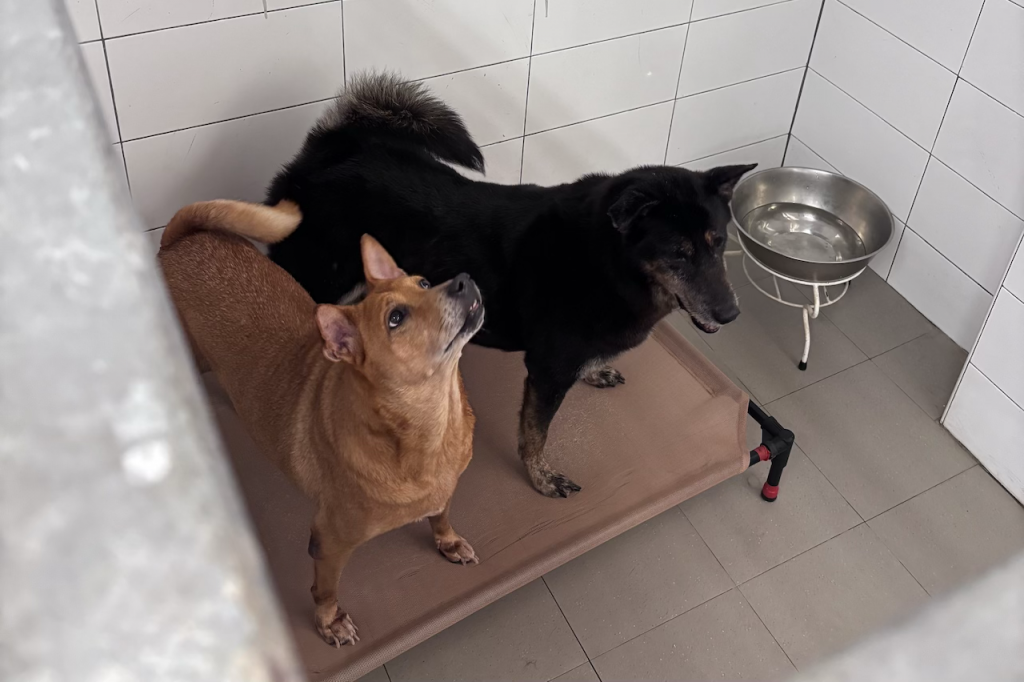
H: At the start, we raised concerns about the low adoption rate of animals housed at ALL. Whenever we refer potential adopters to the adoption team, the adoptions fall through most of the time. We tried to understand the rationale, but we were never provided any explanation. Eventually, most potential adopters gave up.
In late 2024, when we discovered the extent of the rental arrears, that became the tipping point for us.
We were confronted with difficult questions: Why continue operating a shelter when it clearly cannot be sustained financially? Why not scale down operations to manageable levels? How did the rental arrears accumulate to over 50 months?
These questions demanded answers because the consequences fall squarely on the animals.
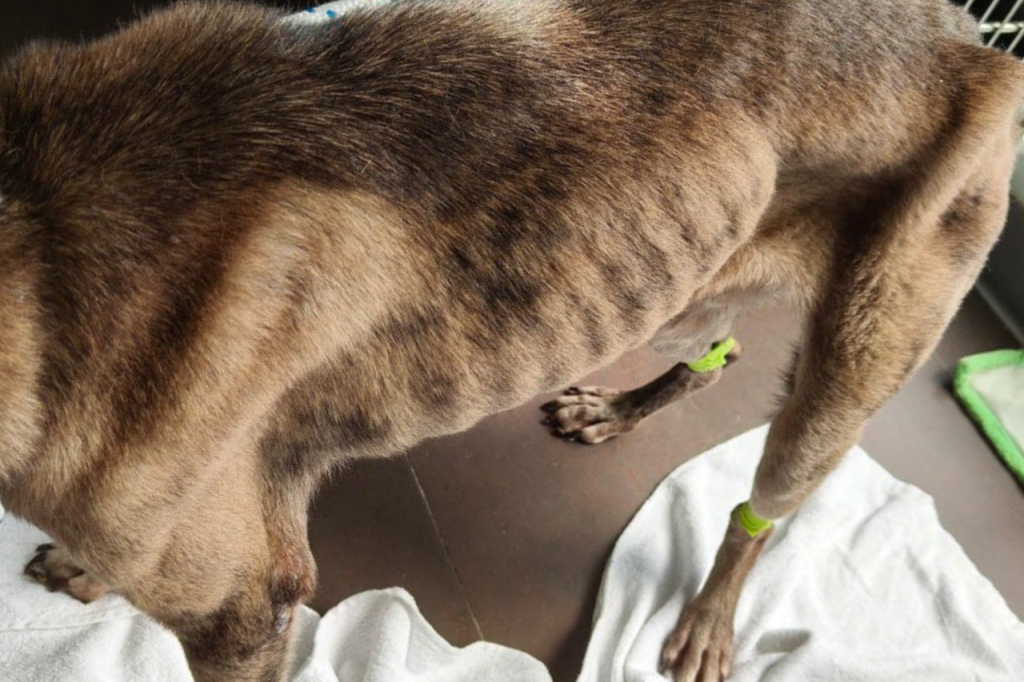
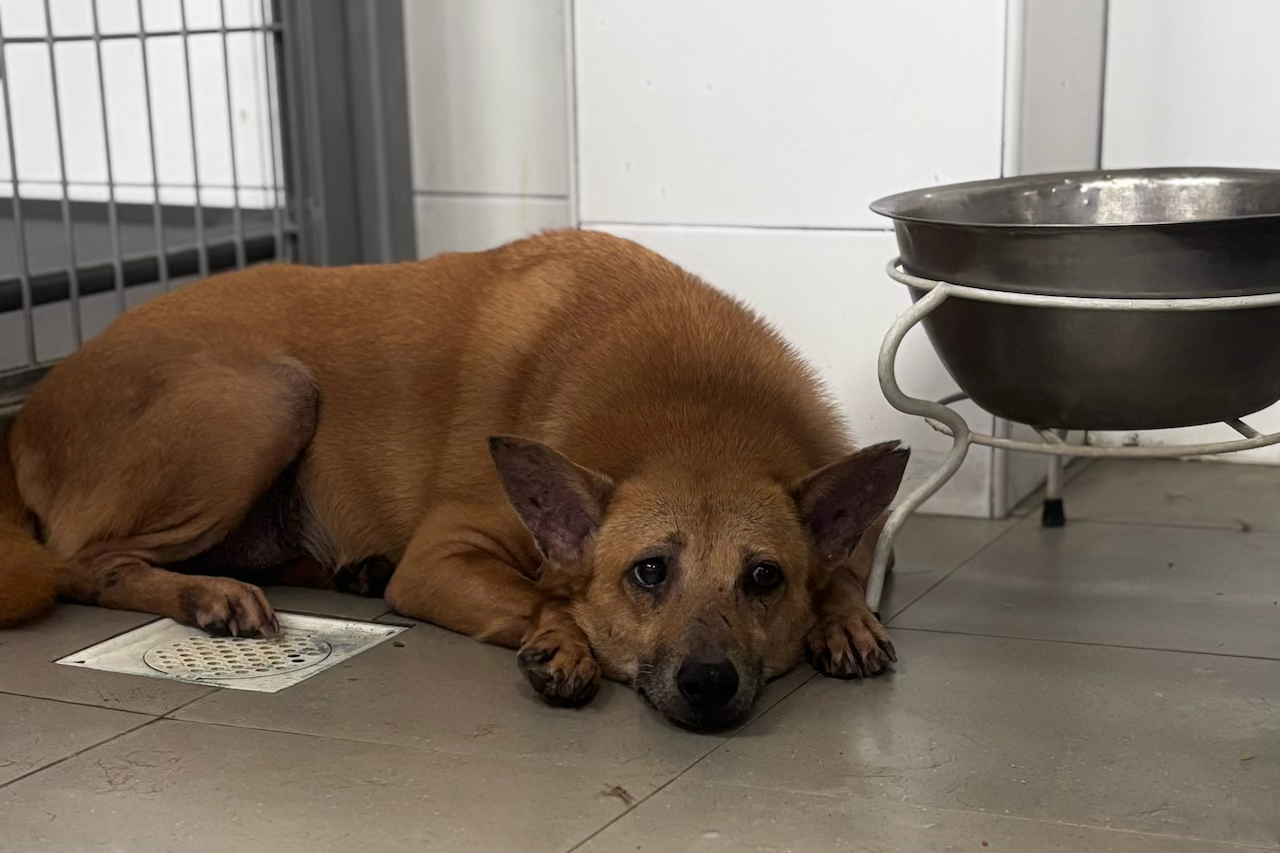
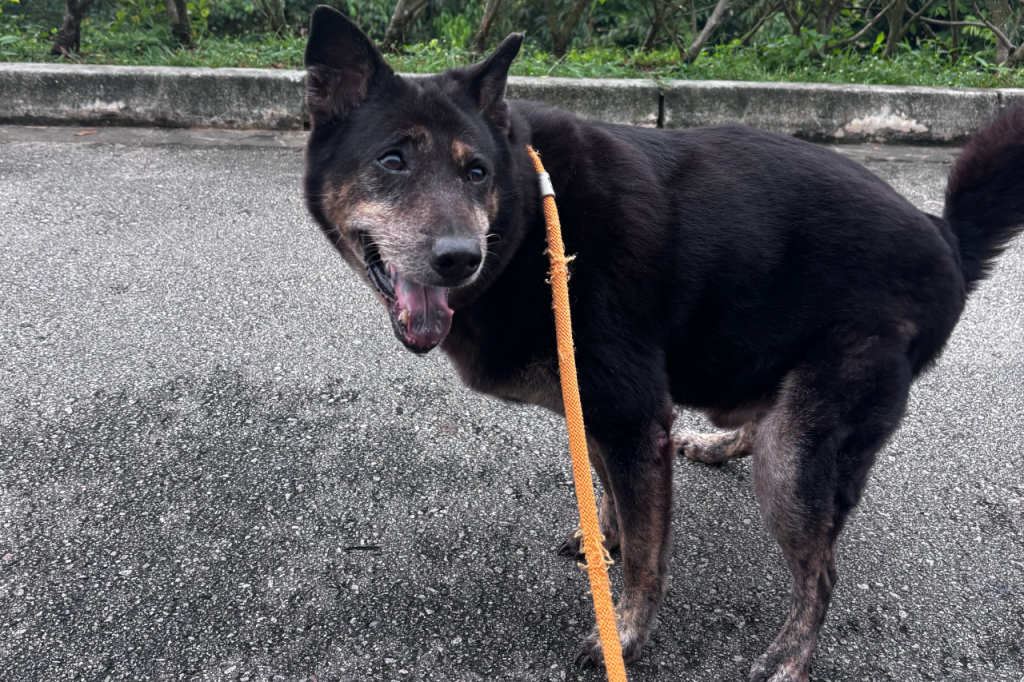
Volunteers have the privilege of going home at the end of the day. The animals don’t have such a luxury—some have been in the shelter since they were puppies or kittens. Our youngest puppy is approximately six years old now, and the only home he has ever known is this shelter.
We realised that remaining silent meant being complicit in their suffering.
T: There is no “speak up now”. If we had done it five years ago or five years from now, the same question would surface. The situation and welfare of the animals have reached a critical juncture—too critical to ignore.
H: It has been a long process. In 2018, a volunteer wrote to the Ministry of Culture, Community and Youth (MCCY) as a whistleblower to flag these issues. In 2022, Tim submitted similar reports. The problems were documented and communicated internally to Mohan a couple of times over the years, but there were no meaningful changes.
In July 2022, a collective feedback from approximately 20 volunteers was forwarded to Mohan regarding animal welfare. However, there was no response or action from the founders.
In December 2024, we escalated our concerns by writing to multiple ministers, and again to the Animal & Veterinary Service (AVS) and MCCY. We specifically requested investigations into the shelter’s financial health and highlighted serious animal welfare concerns.
Both AVS and MCCY engaged with us several times throughout 2025, which we appreciate. However, the progress of these discussions could not keep pace with the immediate need to promptly address the animals’ suffering.
After exhausting these channels, we made the difficult decision to engage the media.
You’ve mentioned to the media that rehoming efforts were repeatedly blocked or dismissed by ALL’s co-founders. Why do you think this is apparently happening?
H: This is a question that should be directed to the co-founders, as we are equally puzzled by this pattern.
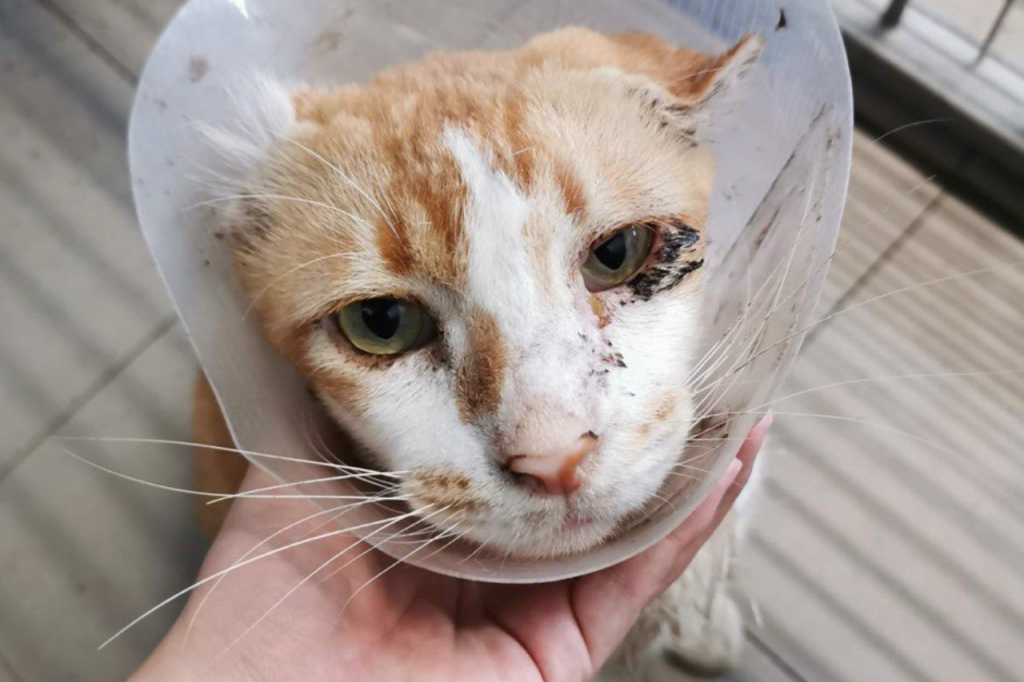
Volunteers and potential adopters have been asking this same question for years. We have witnessed qualified, loving homes being turned away while animals remained in suboptimal shelter conditions year after year.
While it might be tempting to use labels like “hoarding”, I believe that would be overly simplistic and doesn’t capture the complexity of the situation. What we can say factually is this: only two dogs were adopted from ALL in 2025, despite having approximately 170 animals in the shelter.
The numbers speak for themselves, even if we don’t fully understand the motivations behind the decisions.
T: It might be linked to the title ‘the largest no-kill shelter’.
You cautioned the public against making financial donations to Animal Lovers League, citing a “documented history of financial mismanagement”. What can you reveal about this matter?
H: We have provided comprehensive documentary evidence to the relevant authorities, including AVS, and the Commissioner of Charities (COC).
I am familiar with the non-profit sector and understand how charitable organisations should operate. I strongly urge against donating to any non-profit organisation that is currently under investigation. This is about financial prudence and accountability.
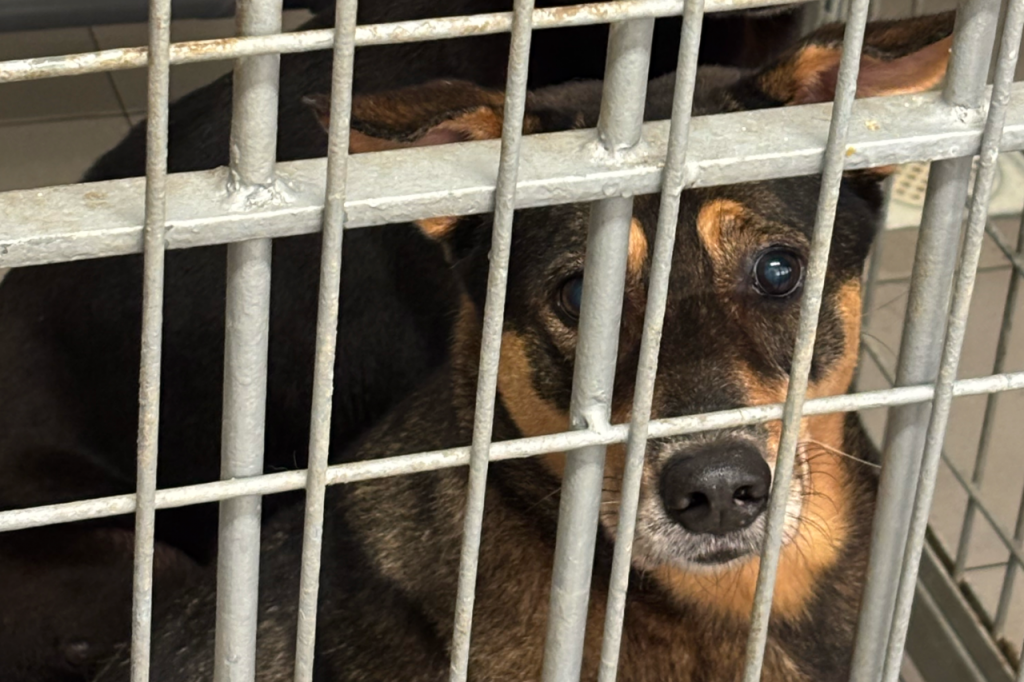
When an organisation accumulates $500,000 in unpaid rent and veterinary bills, fundamental questions about financial governance must be addressed responsibly before public donations can continue.
The COC exists precisely to investigate such matters and ensure donor confidence.
Wouldn’t donating to ALL allow the co-founders and current volunteers to provide better support for the animals in the shelter?
H: I understand this reasoning, but it fundamentally misses the point.
The co-founders need to do good responsibly. Pouring more money into an unsustainable model without addressing the root causes would be throwing good money away. Unless concrete, demonstrable efforts to rehome the animals are implemented, additional donations simply enable a failing system.
The animals don’t just need funding; they need a fundamental shift in how the shelter operates, including reasonable adoption processes, transparent financial management, and a commitment to finding these animals permanent homes rather than warehousing them indefinitely. The current pattern must be fixed, not funded.
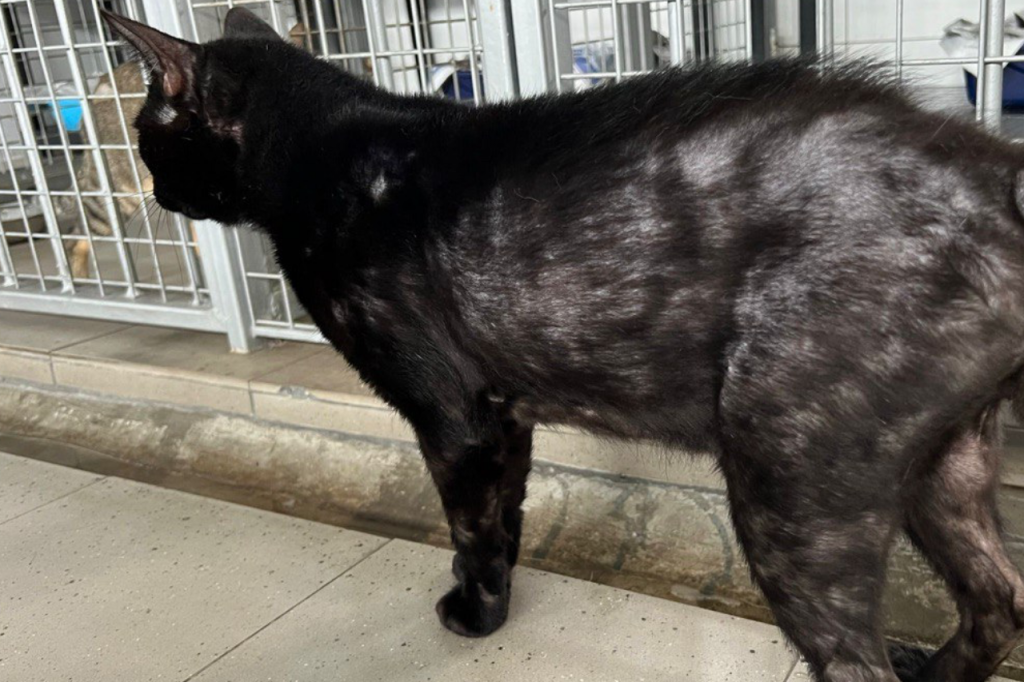
T: It’s like throwing money into a black hole. One should review a charity’s track record, financial reports, and reviews from reputable sources before donating to ensure their money is going to a good cause.
Is it accurate to say that such problems in animal welfare organisations—lack of funds and manpower, management issues— aren’t isolated to ALL? What makes these issues at ALL stand out?
H: I would say that characterisation is highly inaccurate. While every shelter faces challenges, there are many in Singapore that are thriving, well-managed, and operating effectively. They are successfully rescuing animals, rehoming them efficiently, and fundraising transparently and responsibly.
What distinguishes ALL’s situation is the scale and duration of the problems, combined with the persistent refusal to implement solutions. Many shelters faced funding challenges during COVID-19, but they adapted, scaled down, increased adoption efforts, sought collaborative partnerships, and maintained transparency with donors.
When financial difficulties arise, responsible shelters don’t continue taking in more animals than they can care for. The challenging nature of animal welfare work does not excuse mismanagement, nor does it justify allowing animals to suffer when practical solutions and assistance were repeatedly offered but refused.
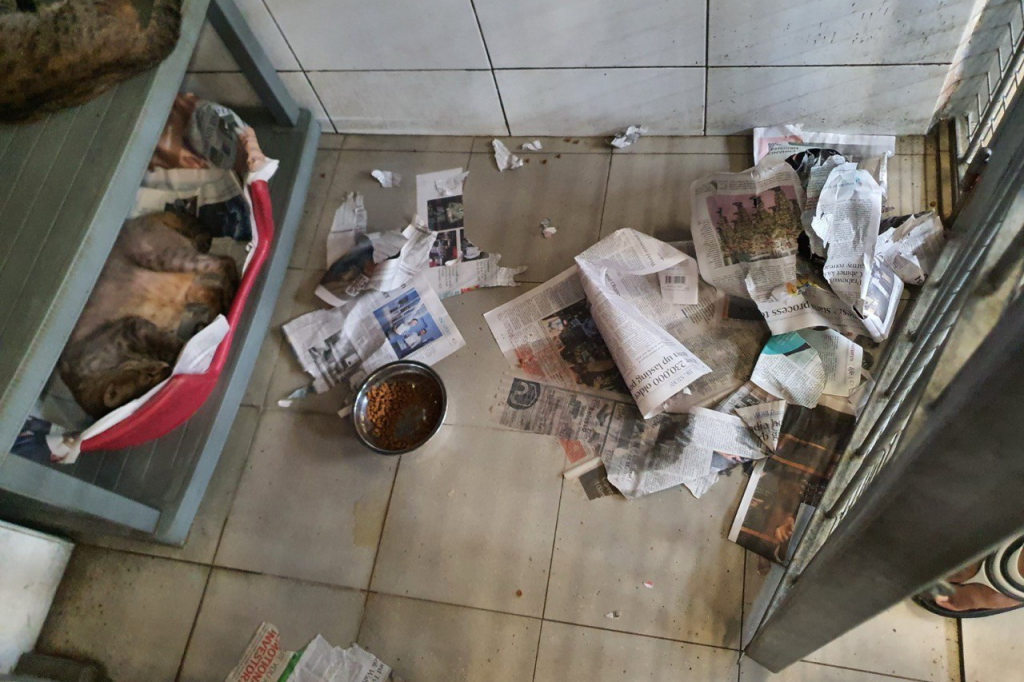
The co-founders have since broken their silence about the matter. What do you think are the questions left unanswered?
H: Several critical questions remain unanswered.
– On financial management: Where have the donations gone over the past decade? Why were rental payments not prioritised when this directly threatens the animals’ housing?
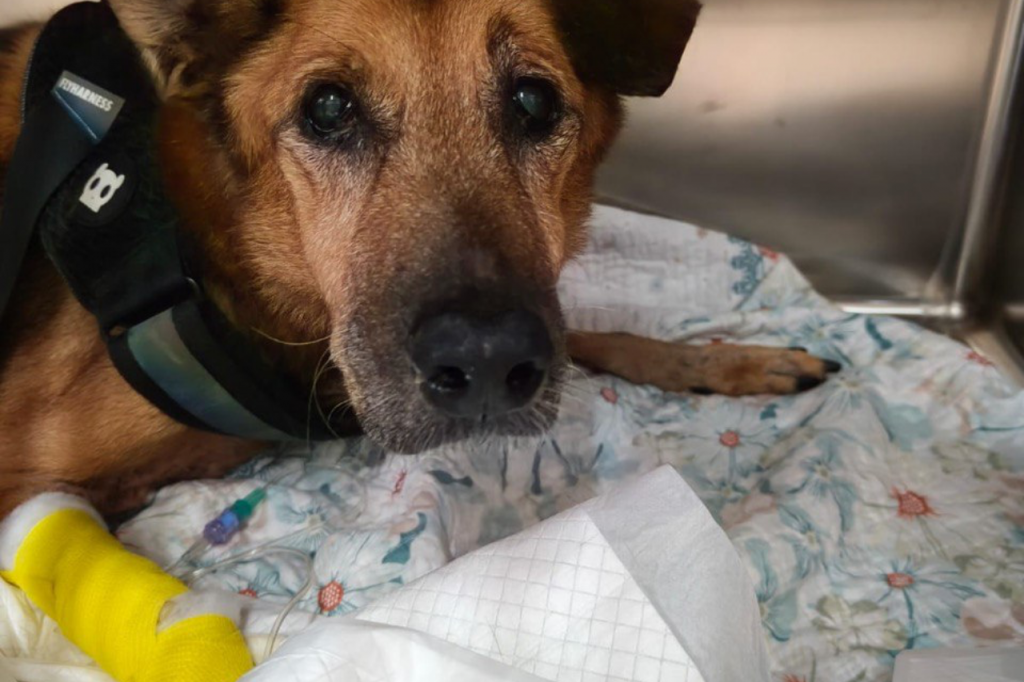
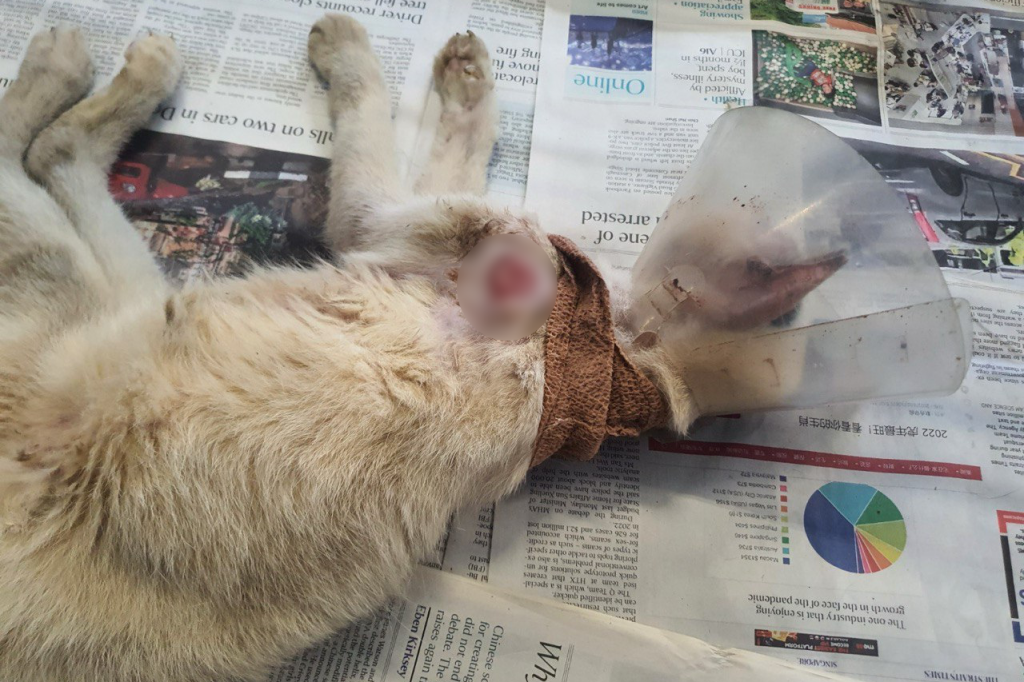
– On animal welfare: Why were animals denied or given delayed medical treatment even when volunteers offered to fund it? Can they explain the deaths of dogs like Kiki, Toto, Chi Chi, Casper and Ming, who died waiting for medical care?
– On adoptions: Why were only two dogs adopted in all of 2025 despite approximately 170 animals in the shelter? Why have qualified adopters been consistently turned away over the years? What is the justification for maintaining such stringent criteria that they result in animals living their entire lives in shelter conditions rather than loving homes?
– On volunteer relationships: Why were volunteers who offered to assist with operations (fundraising or rehoming) either removed or driven away?
– On transparency: Why has there been no public accounting of finances despite being a registered charity? Why were concerns raised by whistleblowers to MCCY years ago not addressed?
The public deserves clear, factual answers to these questions. The animals certainly deserve them.
T: They broke the silence after allowing others to speak for them. But they’ve yet to apologise. Now that they have said a lot to the media, we will gradually release materials to demonstrate the lack of truth in their statements.
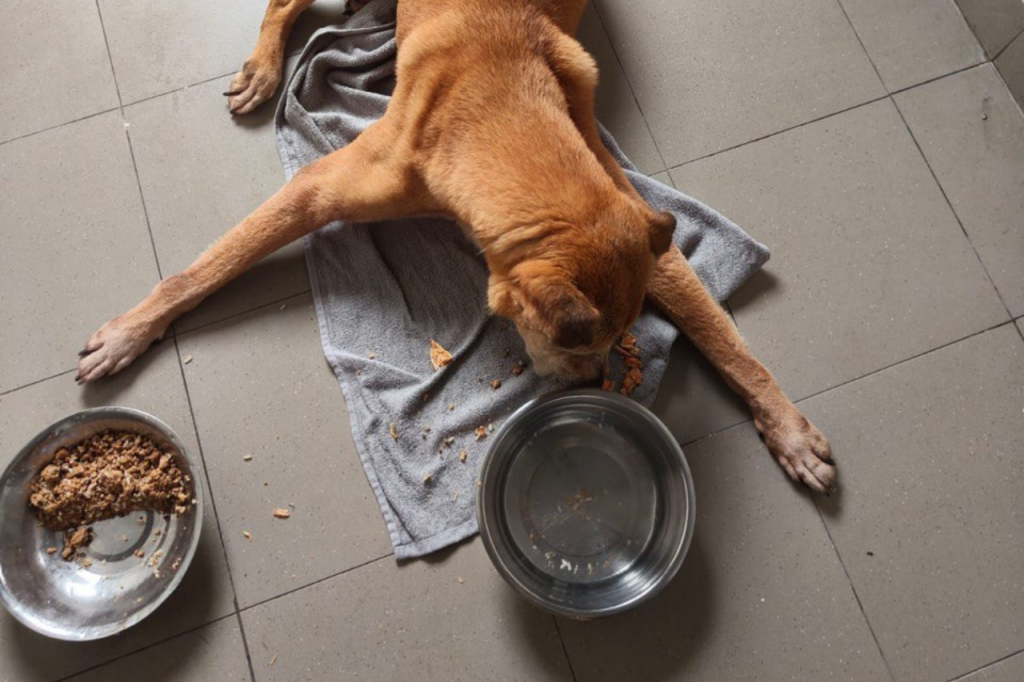
Some, including Minister K Shanmugam and Voices For Animals founder Derrick Tan, have spoken up in defence of Mohan and Cathy. Other volunteers within ALL have also stepped up to defend them. What are your thoughts?
H: I want to be very clear—we have never questioned or judged Mohan and Cathy’s character or their original intentions. We believe they started this work with genuine compassion for animals, and that should be acknowledged.
But good intentions cannot shield from accountability when outcomes demonstrate harm. Running a shelter is challenging; no one disputes that. The challenge of the work does not excuse decision-making patterns that result in animal suffering.
We remained patient with the founders for years, hoping things would improve, giving them the benefit of the doubt. But there came a point where we realised our patience and silence were doing a profound injustice to the animals. They cannot speak for themselves, so we must speak for them. That is our only agenda.
This isn’t about destroying anyone’s reputation or being ungrateful for past work. This is about ensuring that the animals in our care today receive the welfare standards they deserve. If we truly respect Mohan and Cathy’s love for animals, we must also ensure their welfare is never compromised, regardless of who is in charge. Intent matters, but impact matters more.
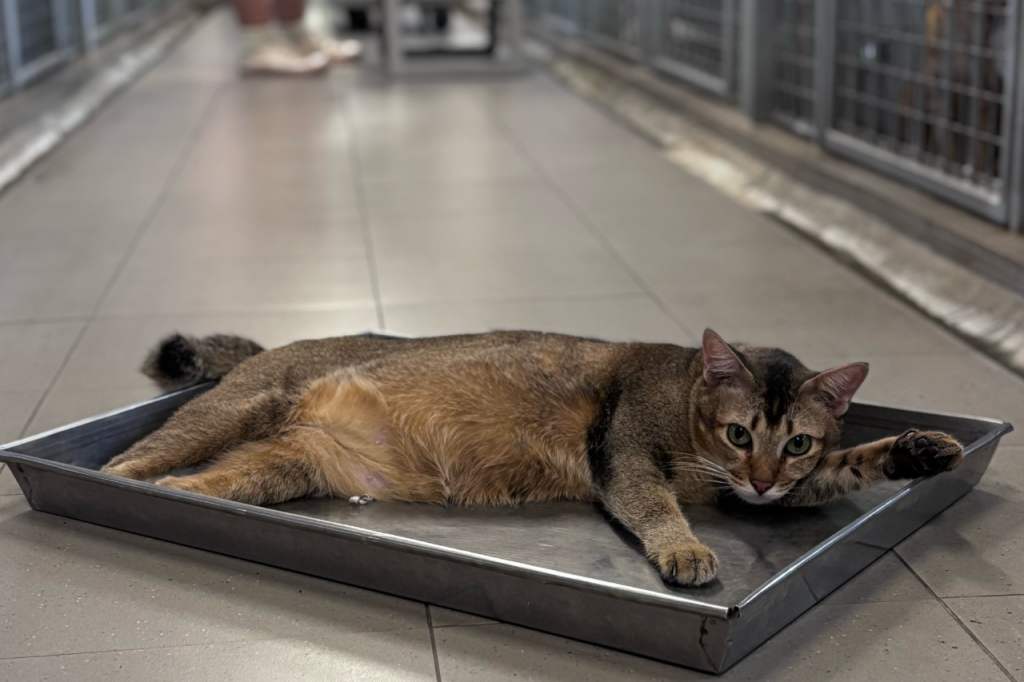
T: There is no harm in Minister Shanmugam and Derrick Tan defending them. We understand that these individuals are sharing their personal stories and viewpoints solely from their own perspectives and experiences.
However, knowing someone’s character is different from working with someone. It’s like an iceberg, only very little is shown on the surface.
Having good intentions doesn’t automatically mean the actions taken are just as good or effective. It’s like wanting to help but ending up causing more harm.
In the context of ALL, good intentions led the founders to establish an organisation with noble goals, but poor management and a lack of oversight led to animals not receiving the care they needed. It’s crucial to look beyond the intentions and examine the actual actions and outcomes—that way, one can ensure that support (time, money, or effort) is making a real difference.
Our concerns are the welfare of animals and mismanagement of funds, not the founders’ initial intentions.
Some in the animal welfare space have also argued that criticism of ALL is unconstructive, as it may discourage people from helping animals. Others have even called you “backstabbers“. What would you say to that?
H: To call us “backstabbers” is deeply hurtful and profoundly unfair. We are the ones who stayed. We have worked within the system for years before going public.
People who haven’t walked in our shoes, who haven’t spent years showing up, paying for supplies and vet bills out of their own pockets, holding dying animals who could have been saved, watching qualified adopters being turned away while animals live their entire lives in kennels… they can say whatever they want.
Speaking up about documented animal welfare failures is not unconstructive criticism; it is our ethical responsibility. What would be truly unconstructive is remaining silent while animals suffer, allowing public donations to flow to an organisation under investigation for financial mismanagement, and prioritising human comfort over animal welfare.
If exposing mismanagement somehow discourages people from animal welfare work, then perhaps we need to reconsider what we’re actually advocating for. We should be inspiring people to help animals the right way with sound management, ethical practices, and genuine commitment to rehoming.
The animal welfare community in Singapore is strong, and there are many excellent organisations doing incredible work with integrity. Holding one organisation accountable for documented failures does not diminish the work; it strengthens it by reinforcing that animal welfare requires both compassion and competence.
T: We aren’t criticising ALL; we are questioning the management. We are ALL volunteers after all. When people don’t know the full story, they can accuse and call us names. While the founders treat them as “rescued animals”, we treated them as our children.
Just note the following:
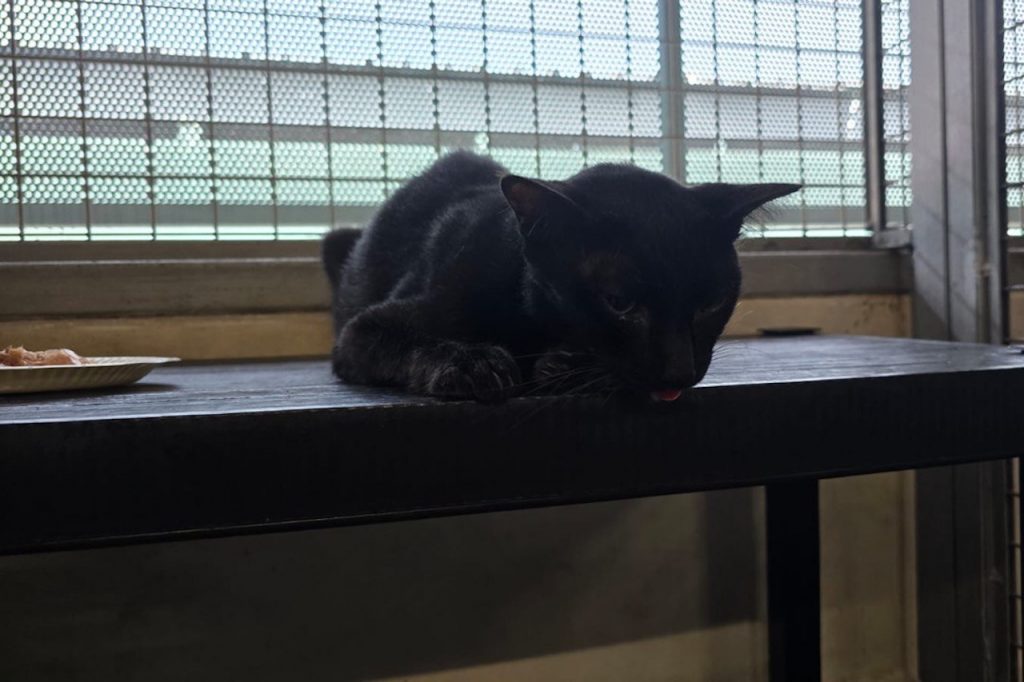
– We do all the heavy lifting, including walking the dogs, deep-cleaning the catteries, and maintaining the shelter’s hygiene as much as possible.
– We pay for supplies, food, and veterinary treatment, knowing we will never get the money back. And not all of us are well off.
– We purchase and administer monthly flea and tick prevention for the dogs.
– We acted against a huge rat infestation by clearing rooms and meshing the shelter when nobody came forward. The same goes for meshing the place to prevent birds from entering and defecating in the dogs’ food.
– The lead volunteers spend out of their pockets to run and manage the volunteer programmes—they were criticised for the rules and regulations of the programmes. Please understand that we are, after all, unpaid volunteers who need to ensure committed volunteers are admitted to the programme. We have limited time, energy and resources, and there has been no support from the founders.
– We bathe the animals and provide for their comfort with hammocks, beds and toys.
– We give away the fame and recognition to the founders, as well as the supporters who only pop up at events, adoption drives and don’t get their hands dirty.
We have been extremely committed to the animals. We go back every week without fail. So who is backstabbing whom?
We will unveil more truth in the days to come. In the meantime, we wish to focus on the animals. Additionally, you may call for the ex-volunteers to show themselves and speak the truth.
What exactly are the 15 signatories doing right now to safeguard the animals still in their care?
T: It’s business as usual. We’ve been doing the heavy lifting and caring for the animals without appreciation and recognition.
H: We will continue to provide all necessary support to ensure their well-being and, most importantly, help them find permanent homes. That has always been our goal. Not to warehouse animals indefinitely, but to get them into loving families where they can finally experience what it means to have a real home.
We have submitted detailed proposals to the authorities outlining how we can continue caring for these animals during the transition period, and we are ready to work collaboratively with any agency or organisation that shares our commitment to these animals’ welfare. We welcome oversight, guidance, and partnership.
These animals have already been through so much. They deserve consistency and people who genuinely prioritise their wellbeing above all else. That’s what we’ve been providing for years, and that’s what we’ll continue to provide for as long as these animals need us.
Our commitment has never wavered, and it won’t waver now.