Top image: Helen Huang / RICE file photo
The mainstream narrative of the migrant labourer in Singapore only seems to rhyme with tragedy—abusive bosses, worksite fatalities, accidents while being ferried on lorries. They’re distressing tales, reminders of inequality that most Singaporeans would rather not examine too closely.
A more complex picture, however, emerges when you sit with them long enough.
Shamim, 31, has been here for 13 years. The plumber has travelled across Asia—India, Malaysia—but nothing struck him quite as hard as Singapore.
“Singapore is very beautiful. Very safe,” he says. He speaks fondly about its safe streets, even in the wee hours of the morning. Nurul, 37, has spent nine years here—and the electrician vouches for its security too.
Both speak with pride, grateful for the chance to live and work here.
They found it in a small company called Repair.SG, where their young bosses treat them like equals. Shamim calls it the best job he’s ever had in his life here. Nurul calls it a “heart sound”. Working side by side, the close friends are finally in a place where dignity is more than a dream.
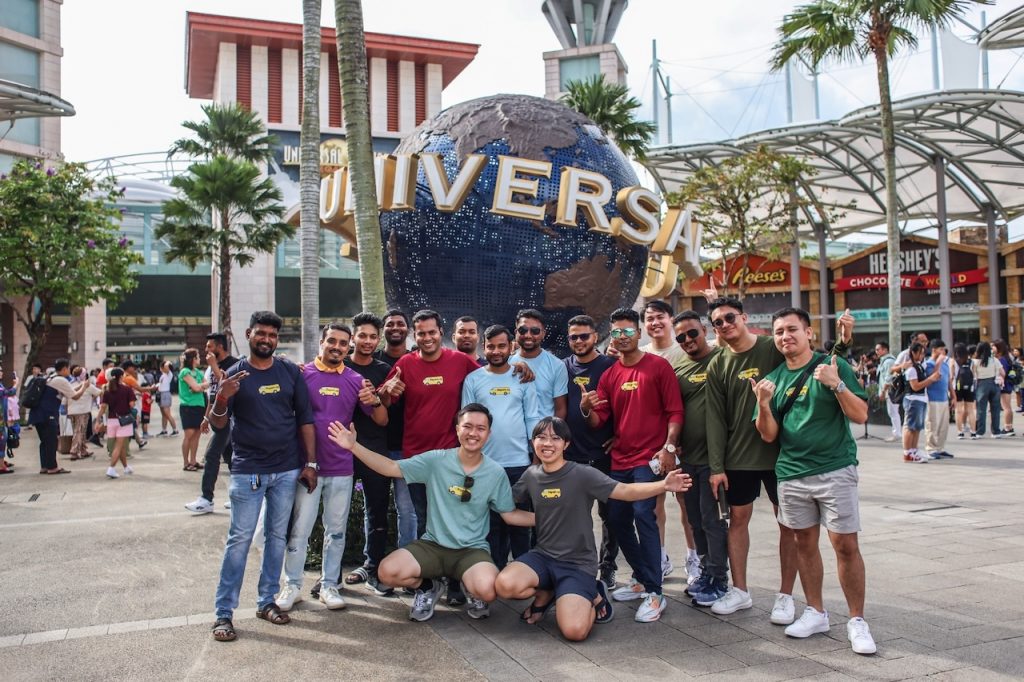
But in speaking of their privilege to have worked their way out of the typical migrant labourer narrative, the two can never forget the hard times they faced in their early years in Singapore.
Nurul remembers 14-hour shifts stretching past 10 PM, often without a break. He recalls uncaring bosses and eating catered meals that were cheap and barely enough to keep going. Shamim speaks of a near-death accident on a worksite. Both held unease over the continued practice of ferrying migrant labourers on lorries.
But beyond those anecdotes are glimpses of their dreams: A work environment where respect exists and a better future for their loved ones back in Bangladesh.
Nurul wants to build a home for his son: “At least he can sleep in his own house”. On his end, Shamim has already built one and is saving to start a small business back home so his family won’t “need to survive harsher things.”
This is the other side of the usual narrative. It shows what is possible when our migrant workers are genuinely treated as fellow weavers of Singapore’s social fabric. It shows what is possible when a country’s promise of opportunity reaches those who built it with their hands.
The duality of their lived experiences adds a layer of complexity to findings that affirm how the majority of Singapore’s migrant workers have “high satisfaction levels” with working and living conditions here. Their stories add dimension to concerns about those findings, especially when things on the ground might not be so clear-cut.
Again, Nurul and Shamim are fortunate to have found themselves a position where they feel confident enough to speak candidly without fear of reprisal.
Not every migrant worker gets there, but these two do. And their story matters because it reminds us that having a slice of the Singapore Dream isn’t impossible for them—they just need to be allowed to have it.
Shamim says change has to come from “powerful people”, and he’s right. But it’s also cultural. We can afford to see them as people first, not just statistics to manage.
Stories like theirs shouldn’t feel like exceptions. Until they stop being rare, Singapore remains a paradise built by people who rarely get to enjoy it themselves.