‘After the Vote‘ is a RICE Media series where Singaporeans from all walks of life share their hopes for Singapore—the changes they envision, the values they want to uphold, and the future they want to help shape.
After GE2025, we take a step back from the political theatrics to explore the bigger picture: What kind of Singapore are we building together? Through these conversations, we uncover the aspirations and concerns shaping the nation over the next five years and beyond.
The views expressed in ‘After the Vote’ belong to the interviewees and are based on their personal experiences; they do not reflect the publication’s stance.
All images courtesy of Russell Headech.
Russell Headech was 25 when he was officially diagnosed with Bipolar I disorder, but it took him nearly two years to accept it. The stigma surrounding the condition—where a person can shift between depressive episodes and manic episodes—made it almost impossible to share it with family, friends, or colleagues.
During a manic episode, people typically feel euphoric and full of energy. Some even make impulsive decisions in this state. But when their mood crashes into depression, they can feel drained, overwhelmingly sad, and unable to function.
“During my manic state, most of the people around me didn’t know how to react. Their only solution was to admit me into the Institute of Mental Health (IMH),” he recalls. “That isn’t wrong, but earlier intervention might have caused less damage.”
Over the next decade—marked by relapses, hospital stays, and the sting of being misunderstood—Russell gradually came to terms with his diagnosis. Today, at 36, he’s focused on creating a space where others living with bipolar disorder can find support, understanding, and community.
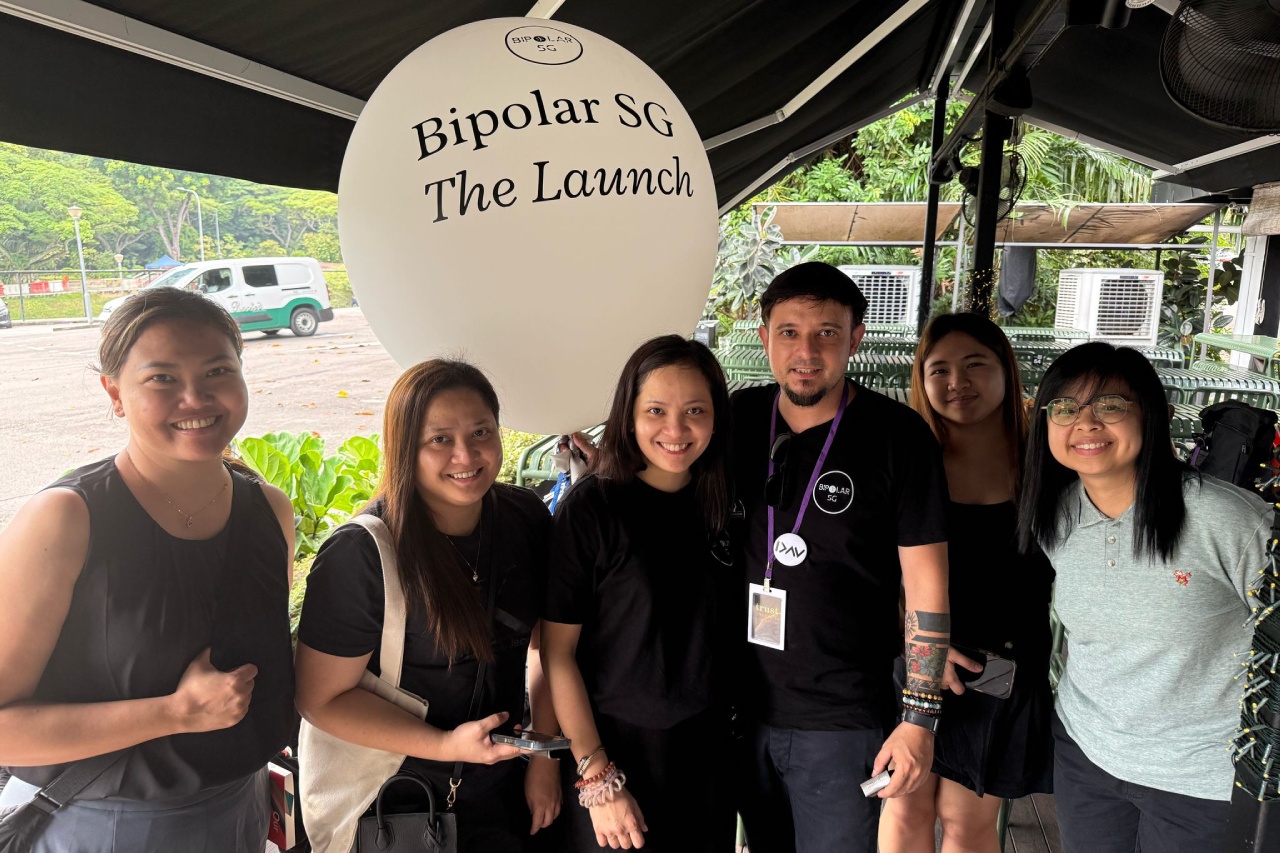
“I came across Bipolar Scotland and what they do for the community there. I then decided to start Bipolar SG with hopes of building a ground-up initiative to bring fellow bipolar patients together,” Russell tells RICE.
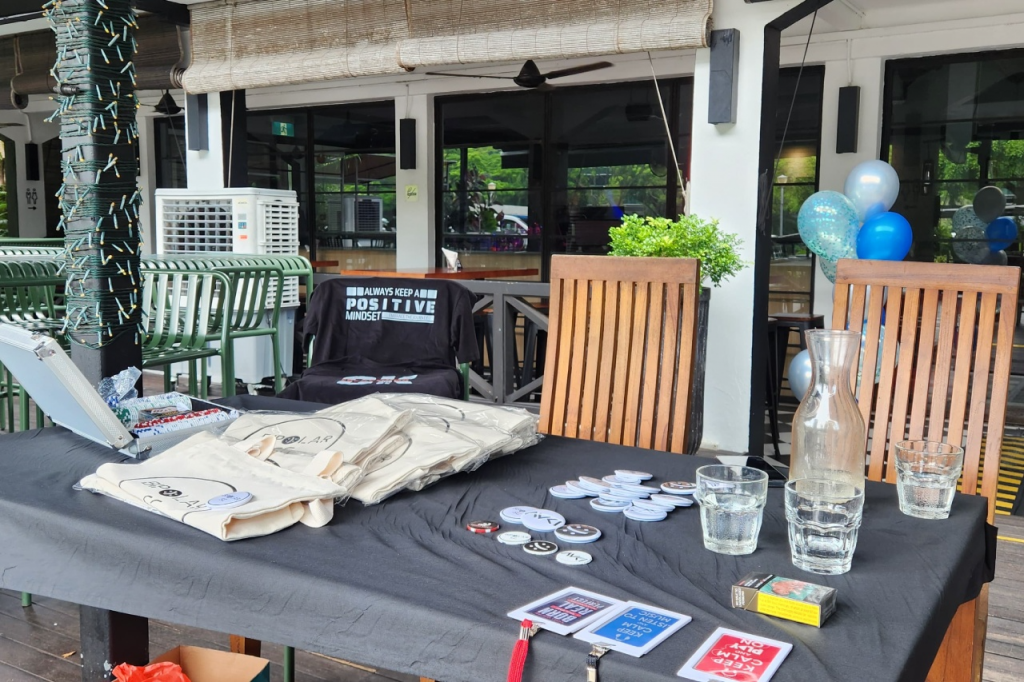
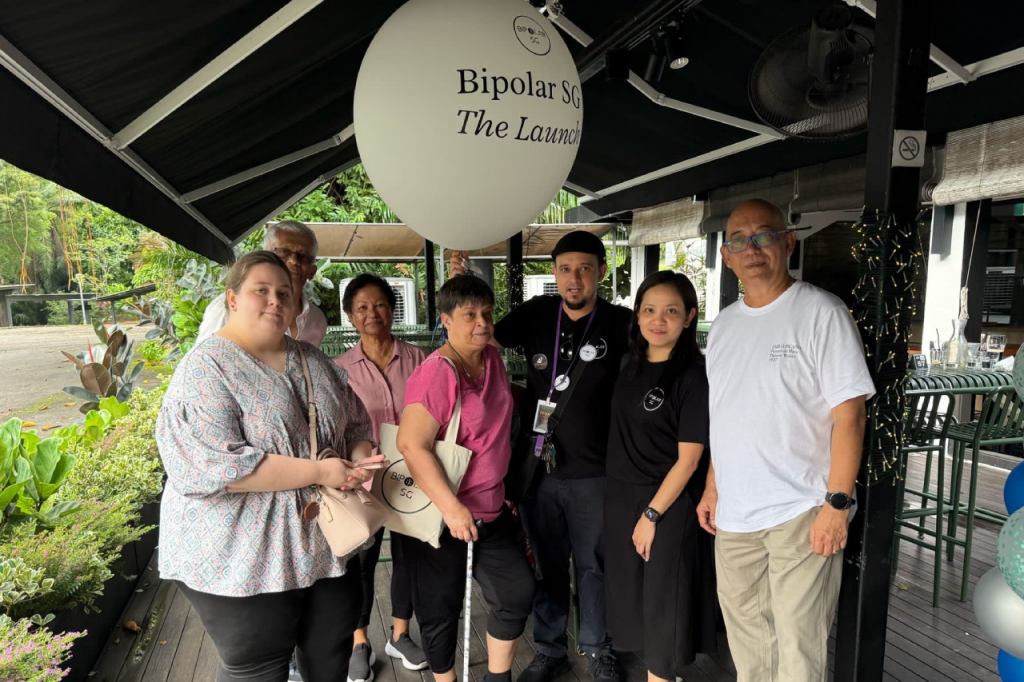
The initiative took Russell three years of planning—and two relapses—before it finally launched in March 2025. Through support groups and advocacy work, Bipolar SG brings together people living with bipolar disorder, their caregivers, and the wider community.
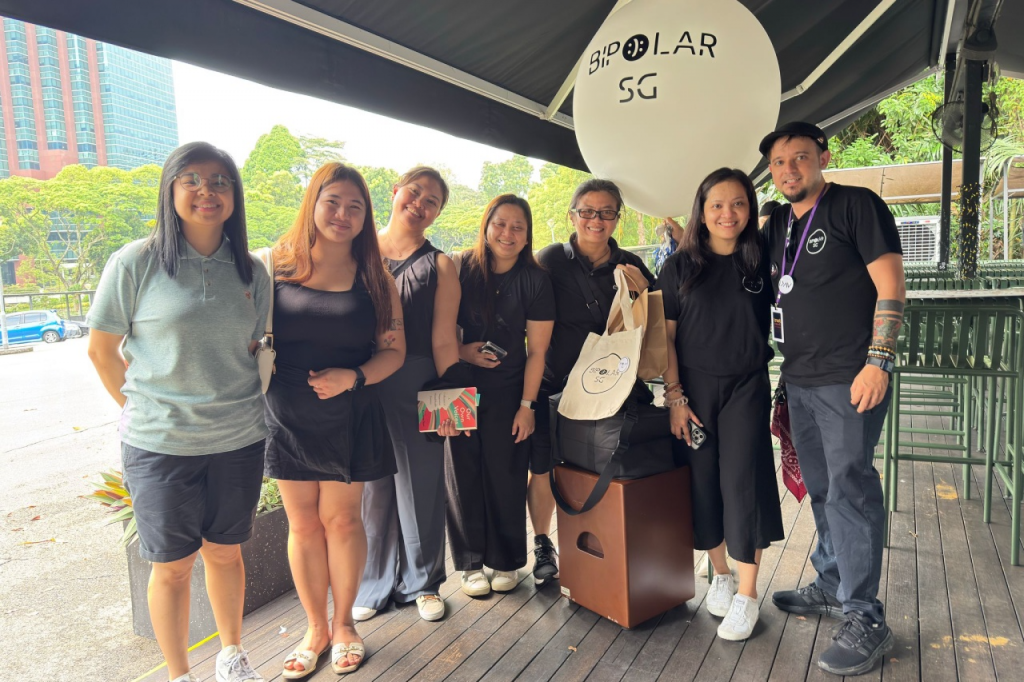
Russell’s goal is simple: To make it easier for others to accept their bipolar diagnosis, find support, and dismantle the stigma around mental health. Just so no one has to feel the isolation and shame he once felt.
RICE is taking a longer-term view of the Singapore we’re building together. And with World Mental Health Day arriving this week, Russell has thoughts about how Singapore can make the rough road to recovery for bipolar patients a little smoother.
What is one change you hope to see in Singapore by 2030 that would make life meaningfully better for people like you?
Open conversations about mental health should become the norm. By 2030, I hope Singapore will be a place where people don’t have to shy away from discussing mental health with their family or friends. It’s through these honest exchanges that we can better understand one another. Everyone battles their own demons, but we don’t have to do it alone.
With more openness, support and intervention can also come sooner. Many still suffer in silence and don’t have a platform to be heard.
When I was first diagnosed with bipolar disorder in 2015, I didn’t want people to know that I was sick. No one really understood what I was going through, and it was hard to explain it to my peers and colleagues. So I never openly spoke about it—at least not until I decided to launch Bipolar SG this year.
What’s a challenge Singapore must overcome in the next six years to stay a place where people want to live and thrive?
Our ex-president, Madam Halimah Yacob, took great effort in emphasising the importance of mental health. But I feel that more needs to be done.
There is still a stigma around mental health conditions. When I open up to people about my condition, they usually don’t know how to react to it.
I experience this particularly when I mention my inpatient stays at the Institute of Mental Health (IMH). Even today, people still joke about IMH and call it a ‘mad house’.
Many also aren’t well-informed about bipolar disorder and what it entails. A relapse in bipolar disorder occurs when symptoms of mania, depression, or a mix of both return after a period of relative stability or balance. During my relapses some years ago, people, including some family members, would distance themselves from me. I was called “crazy and sick” by some of my closest friends at that time.
Even for those who aren’t suffering from bipolar disorder, more emphasis on mental health and well-being would be beneficial. I feel that this would also hopefully lead to a decline in burnout.
If you could introduce a new national priority for Singapore, what would it be, and why?
For me, it comes back to greater emphasis on mental health. Singapore is a fast-paced city—too fast for some. It would be great if workshops and courses on mental health and well-being were mandatory across the board for companies, regardless of whether they’re big or small entities.
In fact, I feel that employees in small and medium enterprises (SMEs) are the ones who have it worse, and I’m speaking from experience. Smaller companies often don’t have the budget for welfare programmes for their teams.
I come from the food and beverage (F&B) industry, and have worked for smaller groups or sole entities. F&B is a very demanding career, and mental health is not talked about enough in the industry.
If we can mandate programmes to manage the well-being of employees, no matter the company they work for, I feel that can go a long way.
Talks about mental health awareness and well-being would be helpful, as well as more education on avenues to reach out to and how to seek help. Basically, it would be great to have some form of education to spot telltale signs if someone is showing symptoms of any mental health condition.
What small shift—policy or mindset—could make a big difference in the daily lives of your community?
I think the biggest shift would be dismantling the stigma around mental health conditions.
When I was first diagnosed, I refused to admit I was sick. It took me nearly two years to accept that I had a mental health issue. My peers and family didn’t know how to respond either, mainly because of the lack of education around it.
At first, I didn’t agree with my doctors or follow my treatment plan, and I ended up in IMH a couple of times over those two years. Things hit rock bottom when I lost everything—my business, my then-fiancée. Almost all my savings, too.
Eventually, I realised how important medication was in keeping me stable and balanced, even though the side effects were tough. Those side effects were a big reason I initially resisted treatment. But over time, I adjusted, and they became more manageable.
All this culminated in my decision to start Bipolar SG. I wanted to use my story and experience to help others. I was lucky to have my friends and family as my support system—something many of my fellow patients at IMH didn’t have. That motivated me to create a space where people could find help, even if it was just a listening ear or peer support.
Singapore moves fast. What’s one thing we need to slow down for?
To actually live a little. We focus so much on the monthly paycheck that we forget to make time to live. Sure, we might get to enjoy a couple of nice holidays each year, but day-to-day life can become so intense that we lose sight of our purpose and goals.
In 2030, what kind of Singapore would you be proud to call home?
I’m already proud to call Singapore home. But no country is perfect.
I hope by then we’ll have normalised conversations around mental health and placed more focus on overall well-being—both body and mind—for everyone.