All images courtesy of Firdaus Sani
Ask a local about Singapore’s origin story, and you’ll get similar versions of the same arc: we went from a mudflat to a modern city, to a metropolis. We’re an independent nation willed into being by hardworking immigrants and innovative post-independence planning.
As inspiring as it sounds, it’s a narrative that tends to forget the people who were here from the start. The indigenous communities who lived along our coasts and in our seas long before independence have mostly been relegated to the margins.
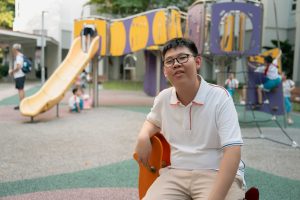
Firdaus Sani, who is in his 30s, has spent years trying to move them back into the body of the text. A fourth-generation Orang Laut, he started Orang Laut SG during the pandemic to make his heritage tangible—through food, performance, and community programmes.
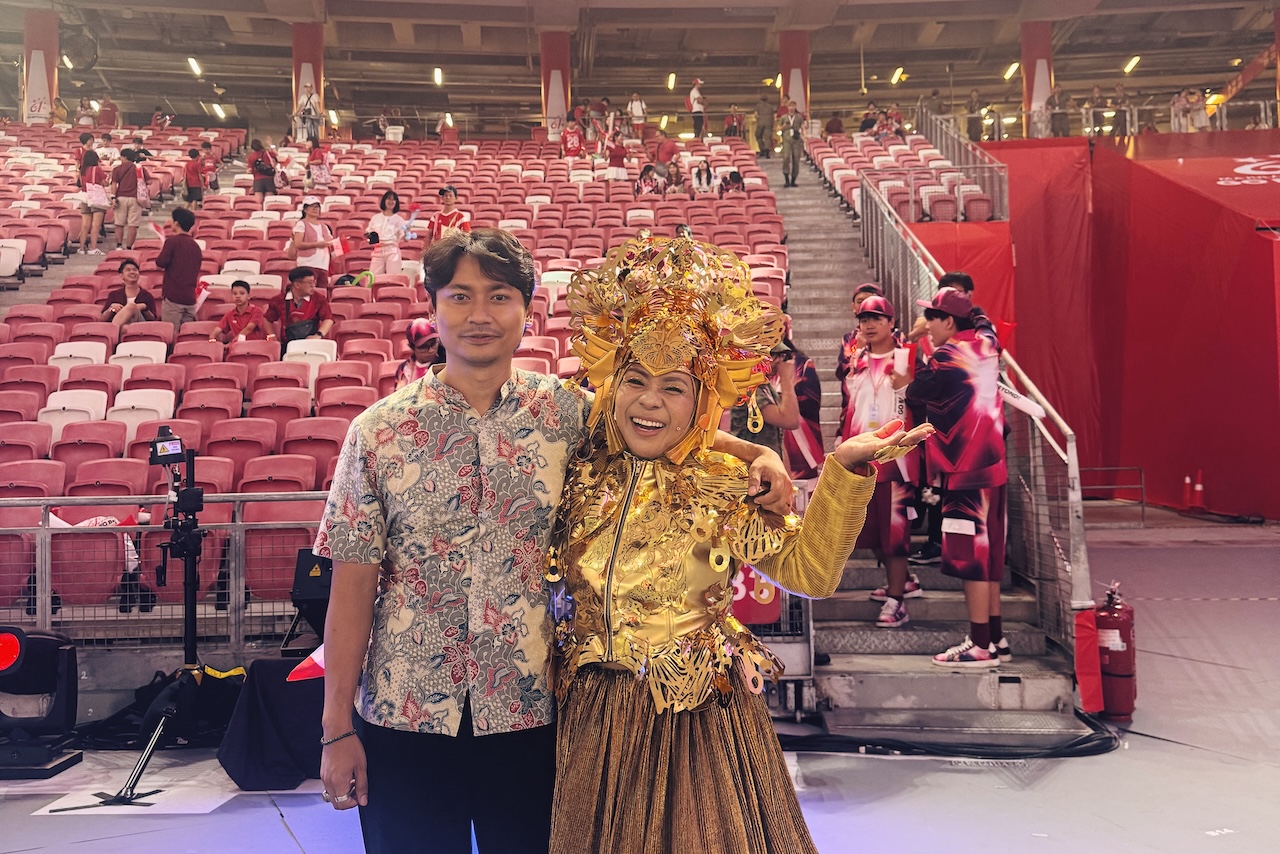
This year, his efforts have reached the biggest stage commemorating the Singapore story: the National Day Parade. Descendants of Singapore’s indigenous communities will take the stage, performing in a dialect unique to them, on a night that falls on the International Day of the World’s Indigenous Peoples. For much of the audience, it will be their first real encounter with a culture that predates modern Singapore.
It’s a complex milestone. When a community that spent decades on the margins of the national narrative is handed centre stage for a single night, it’s worth asking what the gesture means—and whether a nation committed to moving forward can still hold space for what it left behind.
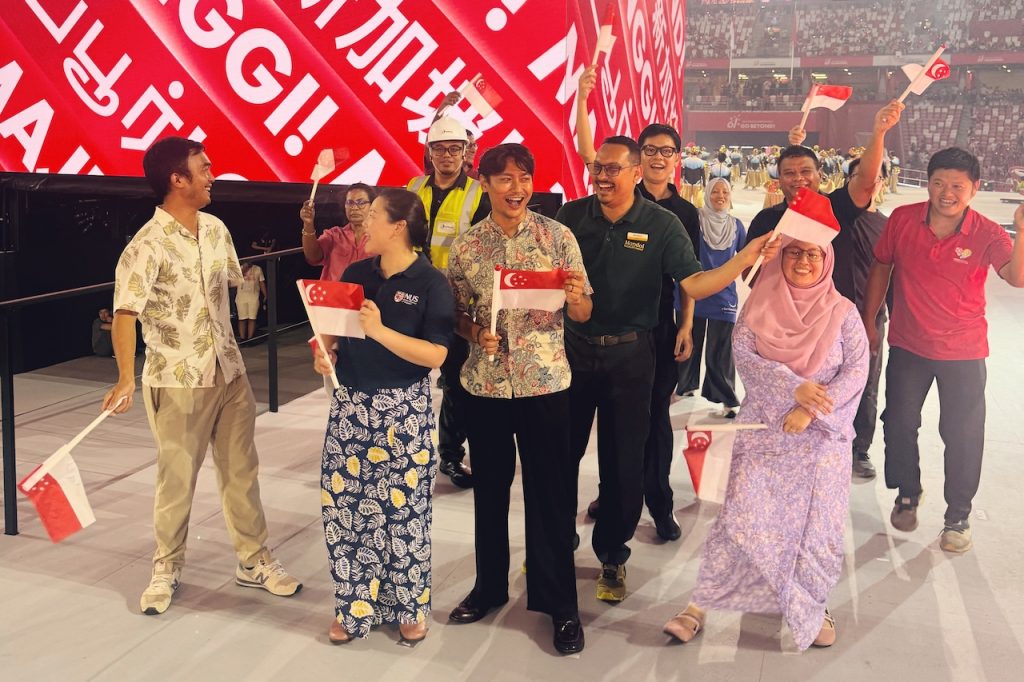
Was it important to your family that you learned and knew you were an Orang Laut?
Yes. My family has always shared stories about life on the islands. They made it a point to bring us back to visit the islands whenever they could, and to spend time with our extended family in the Riau Islands.
Looking back, I don’t think it was a deliberate effort to instil an ‘identity’ in us. It was their way of introducing us to a life they once knew and, in many ways, still felt deeply connected to.
But behind every story, I sensed a quiet, unspoken ache. There was joy in remembering, but also a sense of loss for a way of life that had changed so profoundly. As a kid, I didn’t fully understand it. It was only later that I realised these weren’t just family stories; they were memories of a community, a culture and a home that had largely disappeared from Singapore’s landscape.
I think knowing my roots has given me a sense of grounding. It reminds me that Singapore’s story didn’t begin with a modern city—there were communities here with their own knowledge systems, cultures, and deep relationships with the land and sea.
That understanding gives me both pride and a sense of responsibility to ensure these stories continue to be remembered, shared and carried forward.
After so many years pushing to reclaim the narrative of Singapore’s islanders, how do you feel about the Orang Laut representation in NDP 2026?
Growing up, I didn’t see much representation of my community on a national level. I remember watching my very first NDP, and later even having the opportunity to march on the NDP stage during National Service. At the time, I don’t think I could have imagined that one day, my community’s identity and culture would reach this level of representation on that same stage.
When I first found out that [Orang Laut singer] Kak Asnida Daud had been invited to perform, my immediate reaction was: rightly so. About time! I actually welled up because I couldn’t think of a better person from the community to be given that platform, and to hear her perform using a dialect that belongs to us made it even more meaningful. I felt immensely proud.
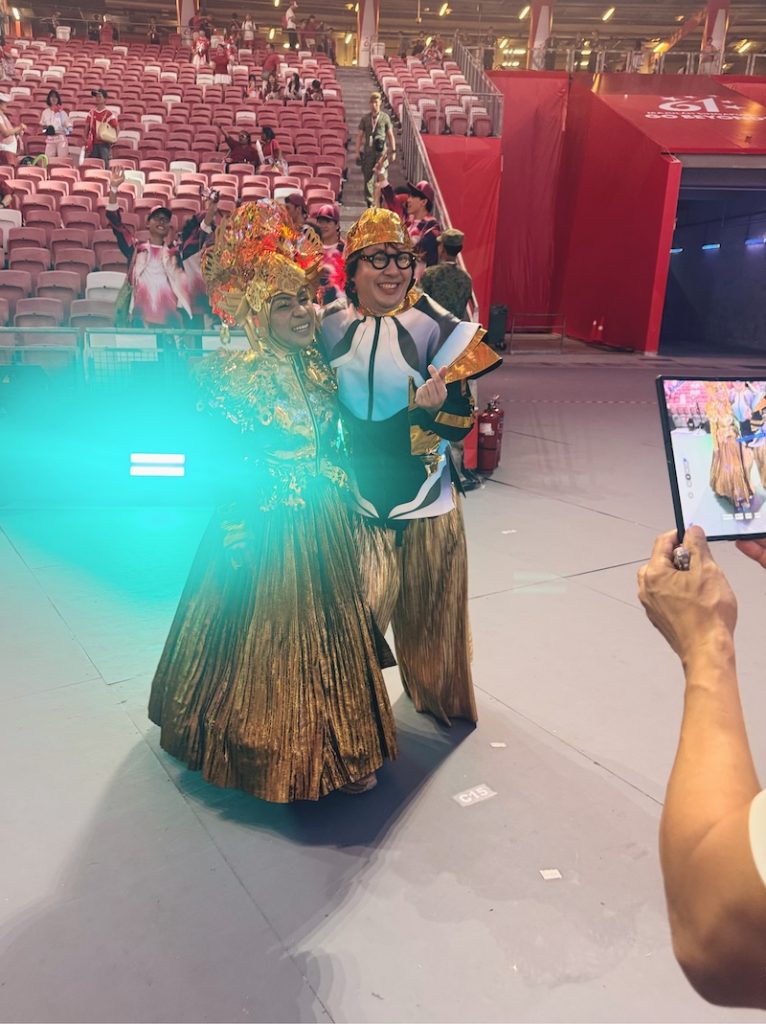
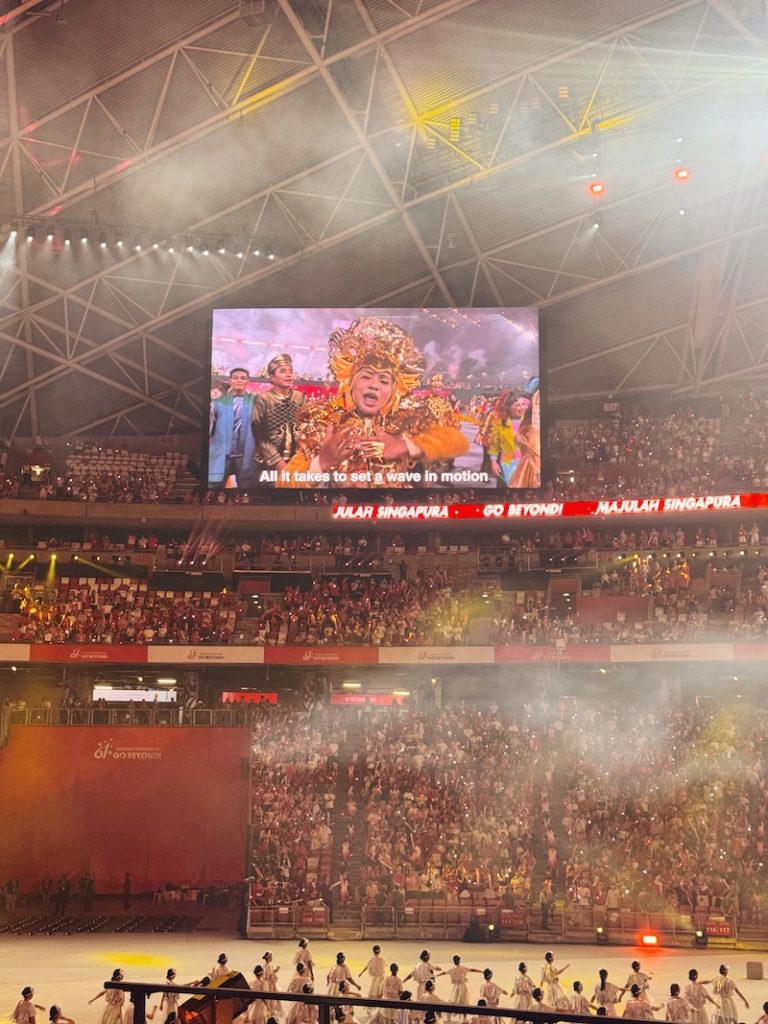
Taking a step back, I think this is a huge feat. For a community whose stories have not always been visible in the wider Singapore narrative, being seen on a stage like NDP means something.
Representation matters because it gives people a voice. Sometimes, it even gives people a sense of purpose and belonging. I think it tells me that our story matters enough to be part of the larger Singapore narrative.
Personally, what does it mean to represent your people on the biggest national stage celebrating the Singapore story?
This feels surreal. I never imagined that Singapore’s Indigenous island heritage would one day be part of the National Day Parade. To witness it now isn’t just meaningful for me; it feels like an important step in shaping a more complete Singapore story.
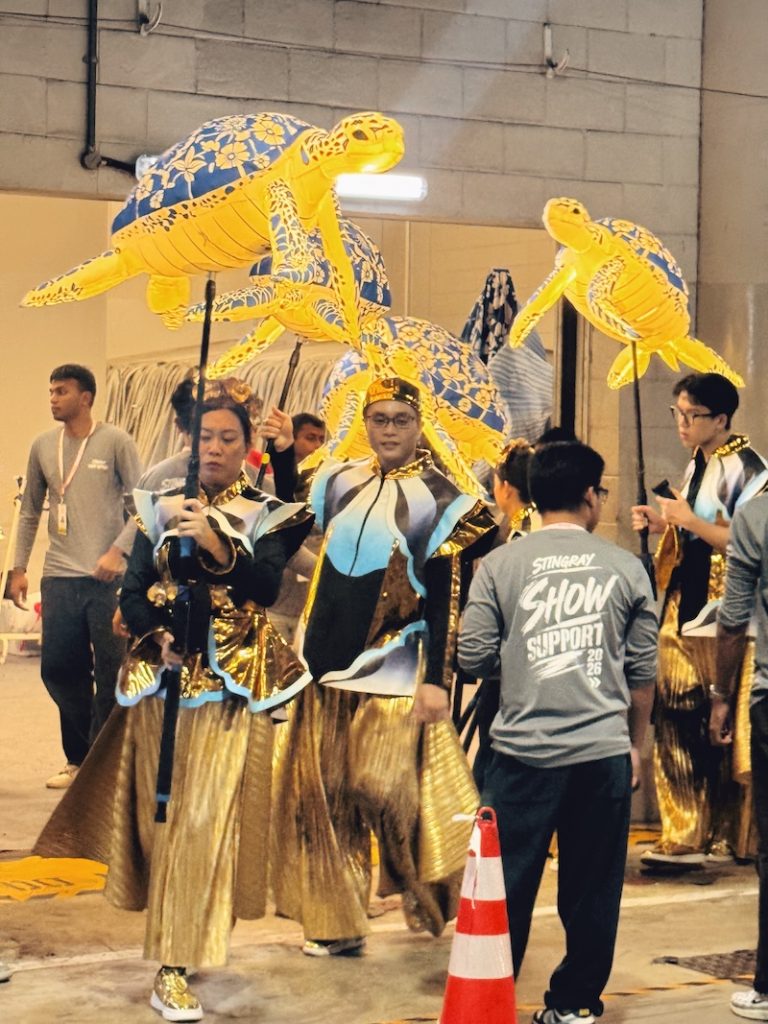
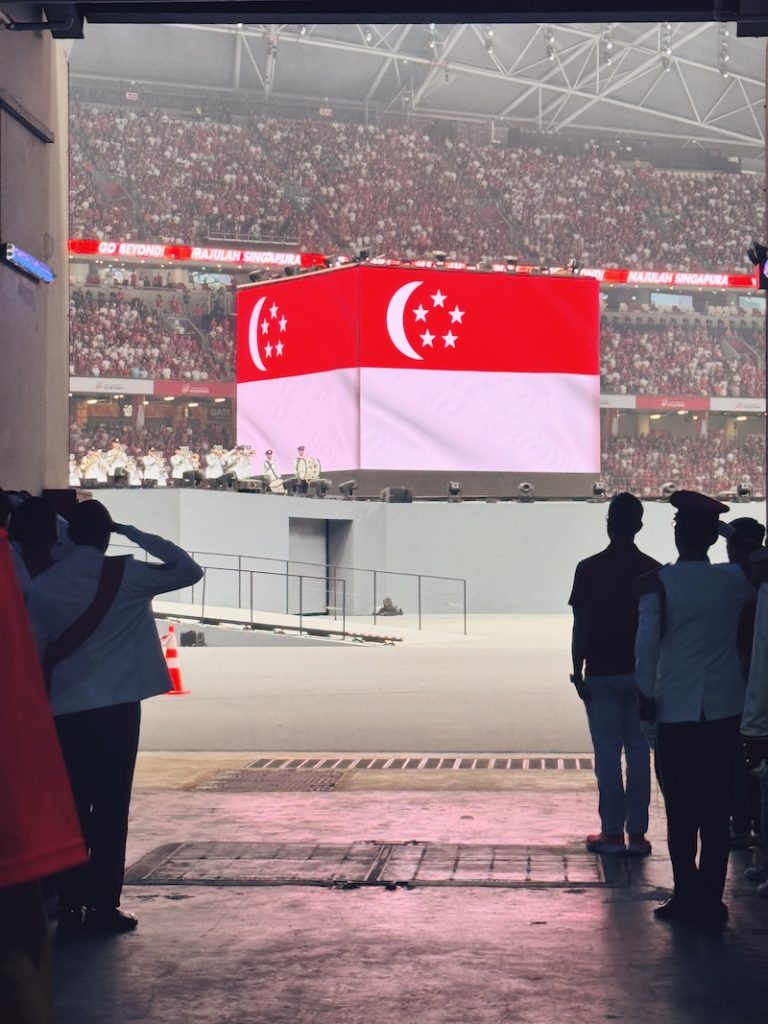
We’re still a young nation, and I think nation-building is also about having the courage to unlearn and relearn. As we grow, we begin to recognise that our history is richer and more layered than we once understood. This year’s Parade feels like a step in the right direction towards a more inclusive and diverse telling of who we are, one that acknowledges not only our pioneers, but also the Indigenous coastal communities whose histories predate modern Singapore.
I’m actually grateful to the organisers for taking what I think is a bold and necessary step. This is a narrative that has often been overlooked, and I hope it marks the beginning of many more opportunities for these stories to be seen and heard. I hope the pakciks and makciks watching the parade, especially those who grew up on the islands, hear ‘Aok Diko’ and know that we see you. Your stories matter.
Why is it so important for young Singaporeans to reconnect with our hidden cultural roots?
I think it is really about rootedness and belonging. Many Singaporeans, myself included, grew up with a very modern idea of what it means to be Singaporean. While that has brought us together as a nation, it has sometimes come at the expense of the smaller stories, languages and identities that also make up who we are. Over time, languages disappear, traditions fade, and parts of ourselves become harder to recognise.
What I’ve learned through Orang Laut SG is that accepting one’s identity isn’t always a linear journey. For some members of the community, both young and old, there can be hesitation, even shame, in identifying as Orang Laut.
When society celebrates certain ideas of success and progress, communities whose histories are associated with poverty, displacement or marginalisation can begin to internalise those narratives.
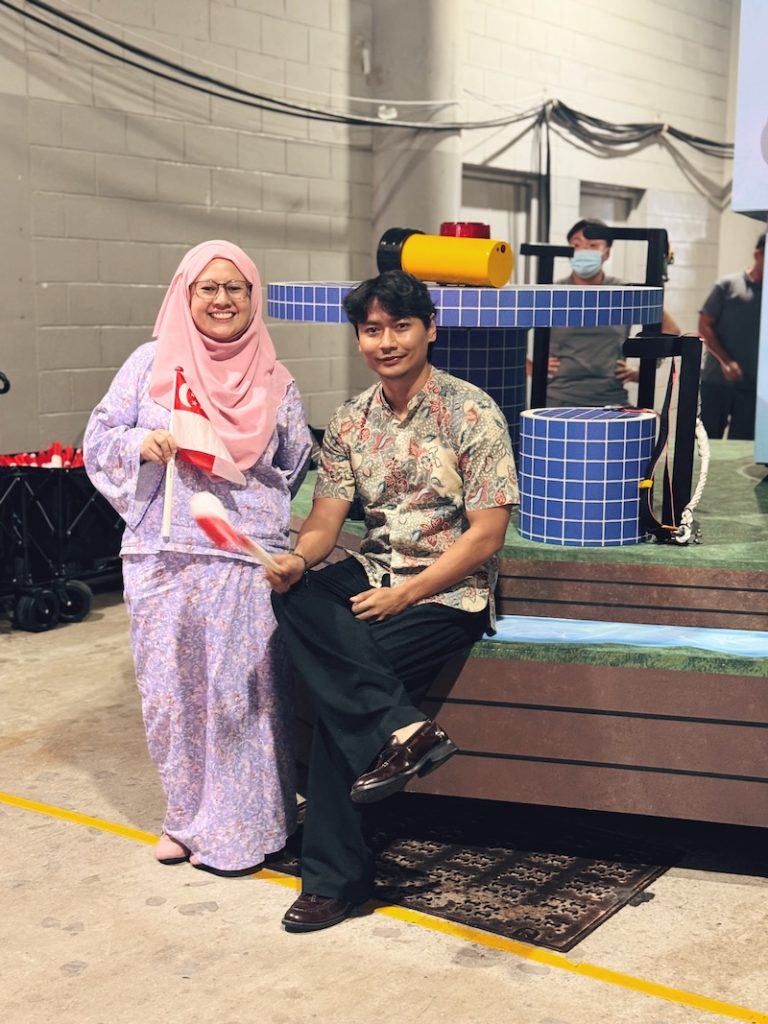
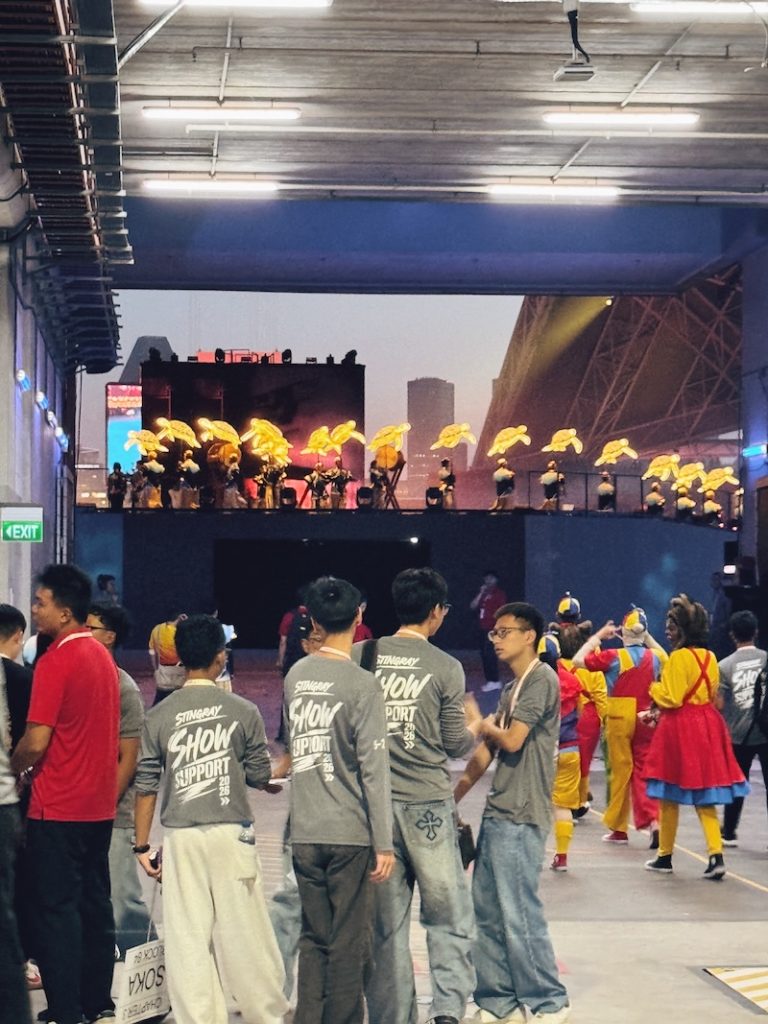
People stop speaking the language. They stop sharing the stories. Sometimes they stop telling others where they come from.
That’s why representation matters so much… It’s about visibility, it’s about affirmation. When people see their culture treated with dignity and respect, it gives them permission to embrace parts of themselves they may have once hidden. It tells them that their history isn’t something to be embarrassed by, but something worth remembering and carrying forward.
Orang Laut SG has shown that heritage isn’t simply about preserving the past. It’s about empowering people in the present and charting a future. When we reconnect with our roots, we develop a stronger sense of who we are and where we belong.
The National Day Parade won’t be able to capture the full texture of indigenous communities within one night. What do you hope Singaporeans remember about the heritage of indigenous people after the National Day Parade?
Hmm.. I don’t expect one performance to capture the full diversity and complexity of Singapore’s Indigenous communities, nor should it. What I hope it does is spark curiosity. I hope Singaporeans come away recognising that Indigenous heritage is not just something confined to history books. These are living communities with cultures, languages, traditions and knowledge that continue to evolve and remain relevant today.
I also think this is a timely opportunity for us to have a broader conversation about what Indigeneity means in Singapore’s context. While the Malay community is recognised as the Indigenous people of Singapore in our Constitution, there are also rich and interconnected histories of coastal, islander and maritime communities that have shaped this region for generations.
These stories don’t compete with one another. They add depth and nuance to our understanding of who we are.
If someone watches the Parade and decides to visit our heritage programme, read about our offshore islands, speak to our community members, or simply become curious about the histories that have long existed alongside Singapore’s modern story, then I think this performance has already achieved something important.
Would you say that there is an increased curiosity to recognise and reconnect with our roots in the last few years? What do you think is driving this desire?
One of the most encouraging things I’ve seen in recent years is the number of young people starting their own ground-up initiatives to document local histories, preserve languages, celebrate traditions, and reconnect with their communities. Whether it’s through art, food, research, storytelling or cultural practices, there’s a growing desire to better understand where we come from.
I think it reflects something deeper when many young Singaporeans are asking bigger questions about identity and belonging. What does it mean to call this city-state home? Is there more to Singapore than the skyline, the infrastructure and the stories we’ve grown up with? People are searching for connections that feel more personal, more rooted and more human.
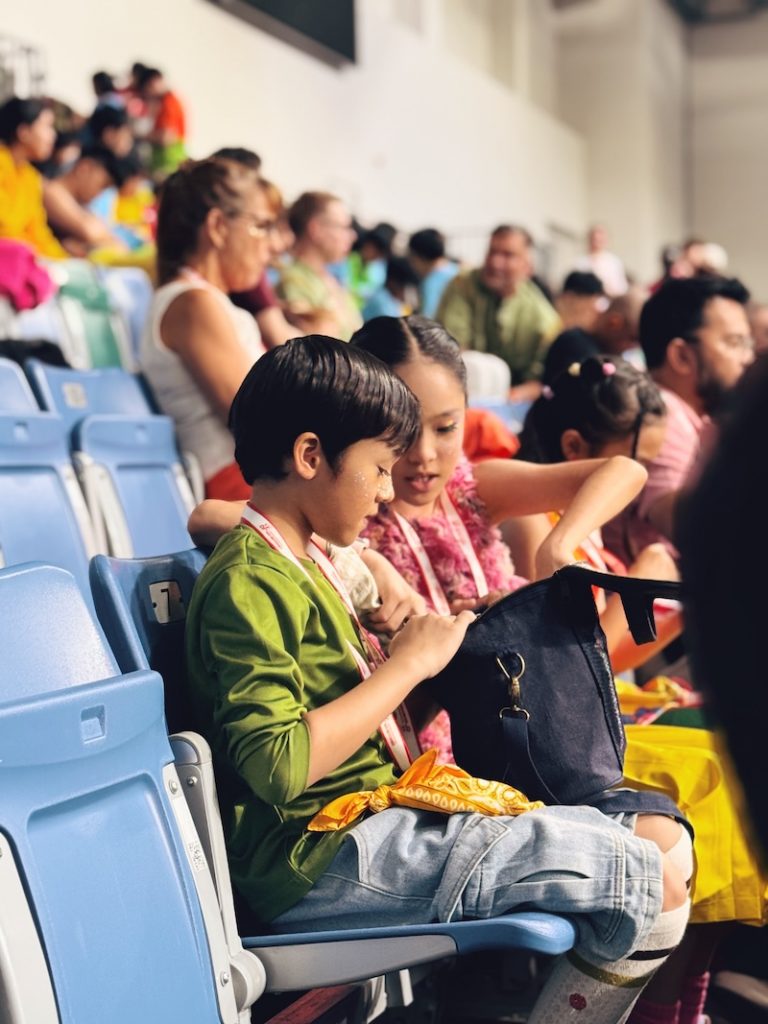
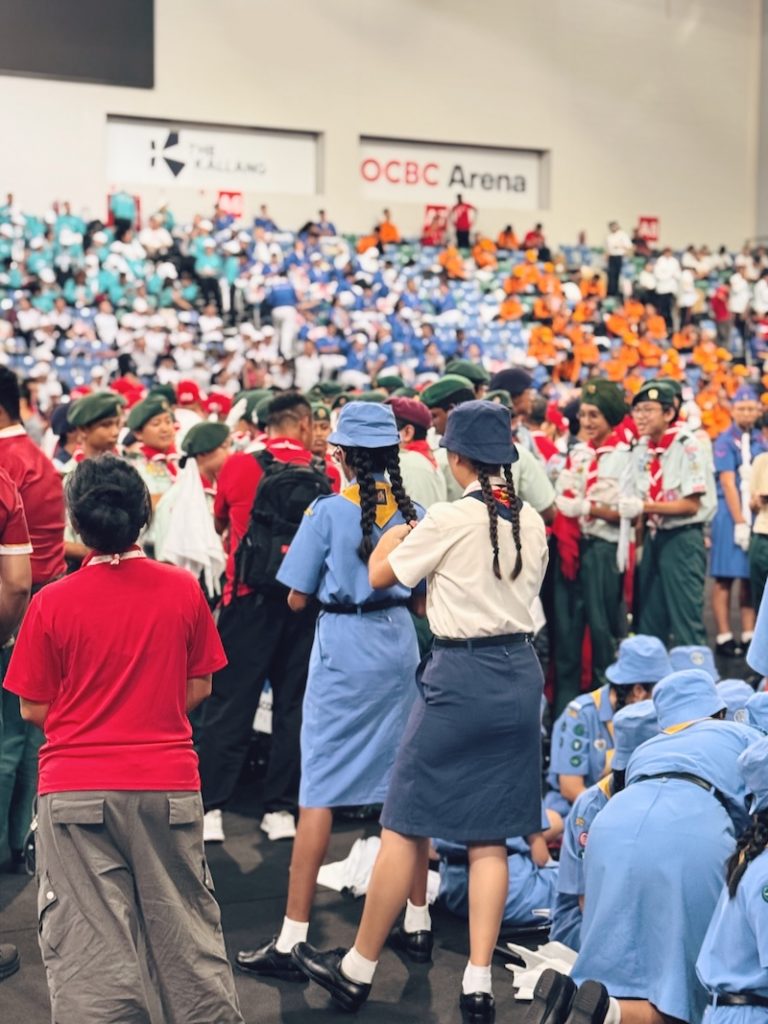
Also, this isn’t unique to Singapore either. Around the world, we’re seeing a resurgence of interest in Indigenous knowledge, local histories and cultural identity. Communities are reclaiming languages, traditions and narratives that were once overlooked, and young people are increasingly becoming part of that movement.
I think it’s important that we recognise and support these ground-up efforts. They show that heritage isn’t something only institutions preserve; it belongs to communities, and everyone can have a role in shaping how our stories are remembered and shared.
I hope we continue to welcome the curiosity. Welcome the questions. Welcome the different perspectives, and even the disagreements. That’s how societies mature. Our understanding of ourselves deepens.
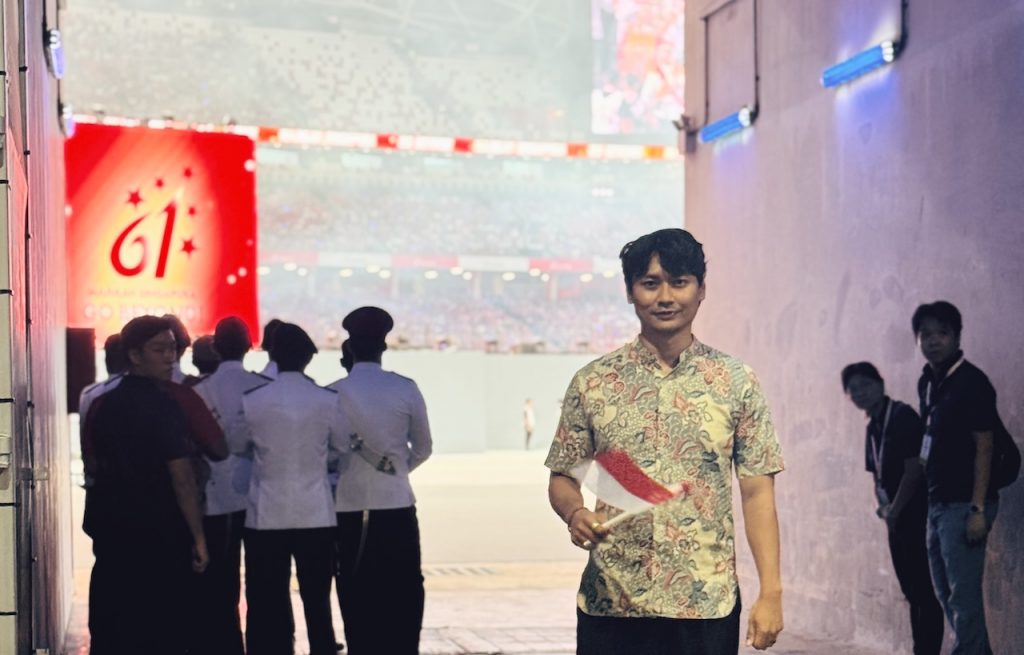
The work doesn’t stop at NDP, of course. Where do you see Orang Laut SG going next?
One of our long-term aspirations is to establish a Coastal Cultural Learning Centre. We envision it as a living space where Singaporeans can experience our maritime and coastal heritage through community-led programmes, oral histories, exhibitions, workshops, research, and immersive learning experiences. We hope that rather than simply displaying history, we can help people learn directly from the communities who have lived it.
Because our coasts are much more than a geographical boundary. Long before the city skyline, our shores were places of movement, trade, cultural exchange, fishing, boatbuilding and deep relationships with nature.
A Coastal Cultural Learning Centre would bring these narratives together and reconnect people with Singapore’s maritime identity. We see it as a space for the future, not just the past. We want young Singaporeans to engage with traditional ecological knowledge alongside contemporary conversations about sustainability, climate resilience, biodiversity and our changing coastlines.
Our hope is that the centre becomes a place of belonging. A place where islanders, coastal communities, researchers, educators, artists and the wider public can come together to learn from one another.