All images by Yee Jia Ying for RICE Media.
When Kuik Shiao-Yin was first asked to apply as a Nominated Member of Parliament (NMP), this was her reaction: “What is that?”
“[The NMP scheme] only became relevant to me because someone asked me, ‘Would you consider putting your name in?’”
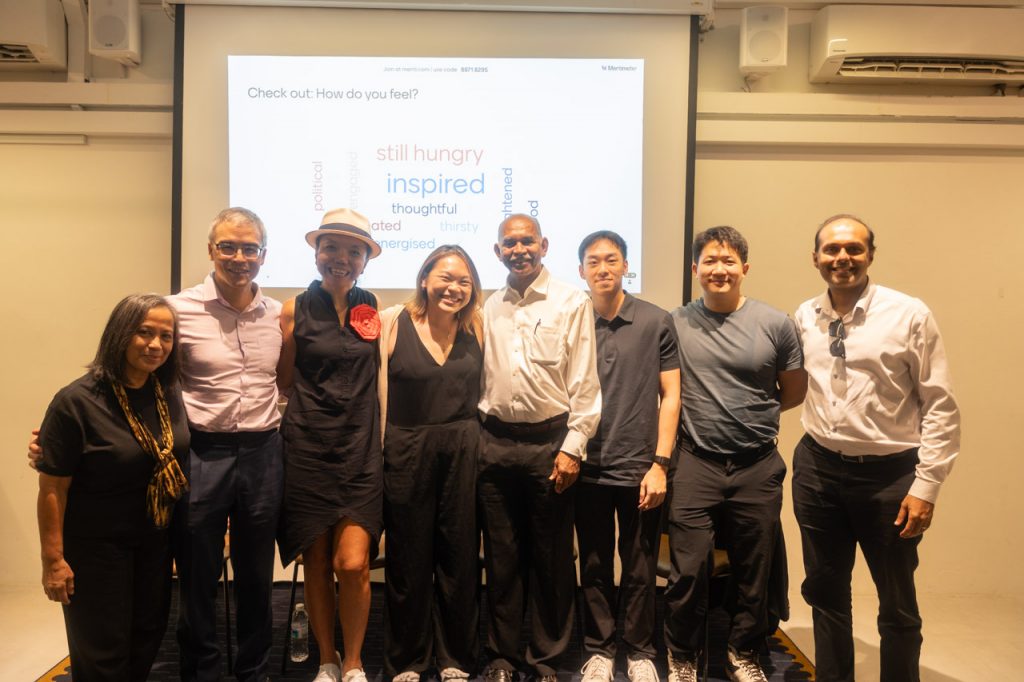
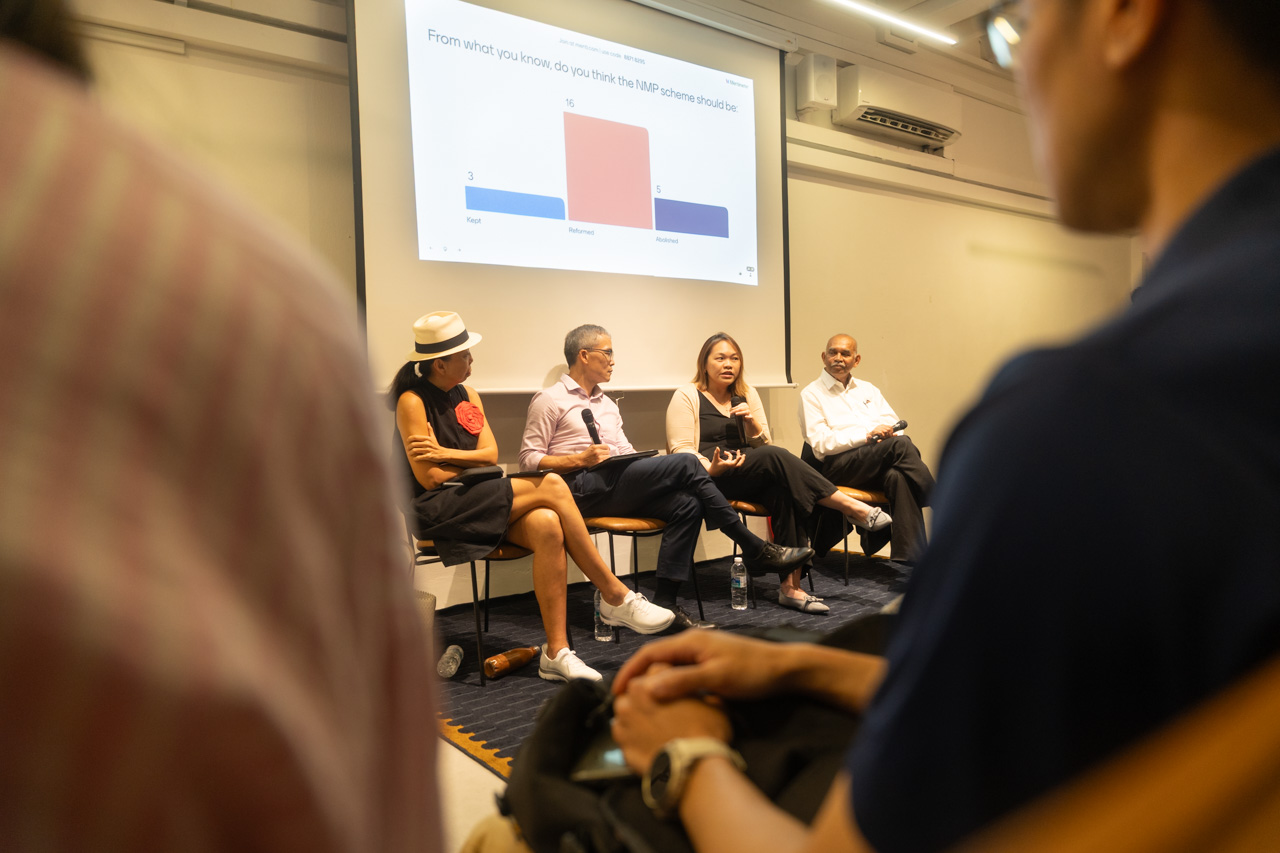
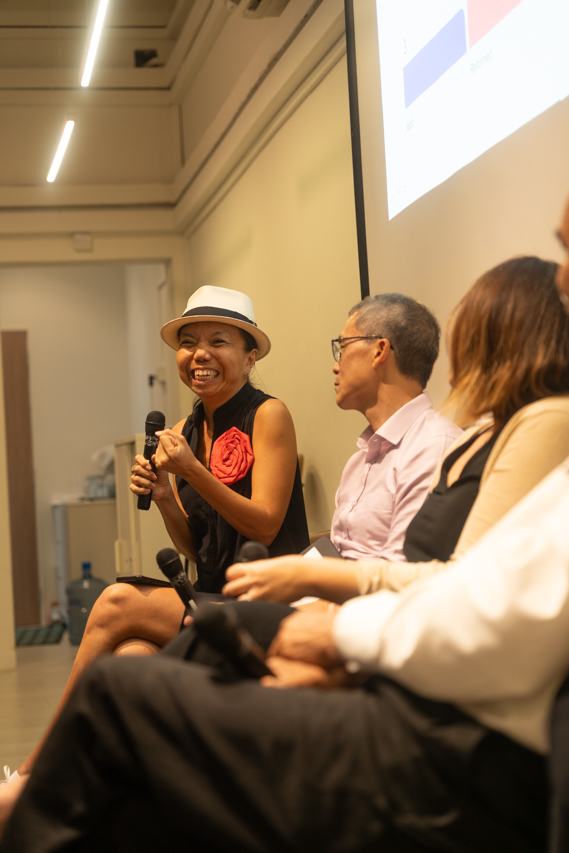
That was more than a decade ago. Yet her anecdote, shared at a recent RICE dialogue with fellow former NMPs Anthea Ong, Laurence Lien and Chandra Mohan Nair, still resonates today. 35 years after the scheme’s introduction in September 1990, public awareness of what the role entails remains far from universal.
The NMP scheme, designed to give independent voices a place in Parliament without requiring them to go through the ballot box, was deemed controversial from the outset. When it was first debated in Parliament, even some ruling party MPs had doubts. But the party whip carried the Bill through.
Over three decades later, the scheme remains largely unchanged despite marked shifts in Singapore’s political landscape. Opposition parties have built a stronger presence in Parliament, and social media has opened new channels for alternative voices.
At this point, it’s valid to re-examine the NMP scheme and consider the thoughts of the people who arguably matter the most in this: the voters.
What do Singaporeans make of the scheme? Do NMPs truly represent the public? And does the scheme actually matter to voters at all?
The Inception of the NMP Scheme
When Singapore first introduced the Nominated Member of Parliament (NMP) scheme in 1990, it was met with fierce opposition from both sides of the bench.
The idea, according to then-Prime Minister Goh Chok Tong, was to move toward a more “consensual style of government” where alternative views would be given more airtime.
Under the scheme, a Special Select Committee is appointed by Parliament. This committee then recommends NMP candidates to the President for approval. Once sworn in, NMPs are able to participate in Parliamentary debates and vote on selected matters, although they do not have the full voting rights accorded to elected MPs.
At the time, some MPs were unconvinced of the necessity of allowing unelected voices in Parliament.
Then-MP for Siglap, Abdullah Tarmugi, had asked: “Are we not creating the impression that MPs are not really bringing up enough solid and diverse views in this Parliament that we need to bring in others to this Chamber to provide such views?”
Chiam See Tong, the sole opposition MP at the time, also registered his objection to the scheme. Referring to NMPs as “fish out of water”, he said:
“They should not be in our Parliament. They should be tossed back to the universities or statutory bodies or businesses or other work places where they came from. If these people want to be in Parliament, then let them do so by the proper means. Come forward and put themselves through the electoral process.”
Years after the scheme was introduced, some who’ve taken up the mantle still experience judgment and stigma. In Ong’s book The Nominated Member of Parliament Scheme: Are Unelected Voices Still Necessary in Parliament?, former NMP Dr Shahira Abdullah recalled how public chatter around her NMP slate was “a group of ‘Yes-Men’ selected so as to agree with the government”.
Dr Shahira, who was appointed in 2021, also remembers online comments saying she was “probably born with a silver spoon”.
“I did feel a little indignant when I read them, but also understood what it looked like at face value.”
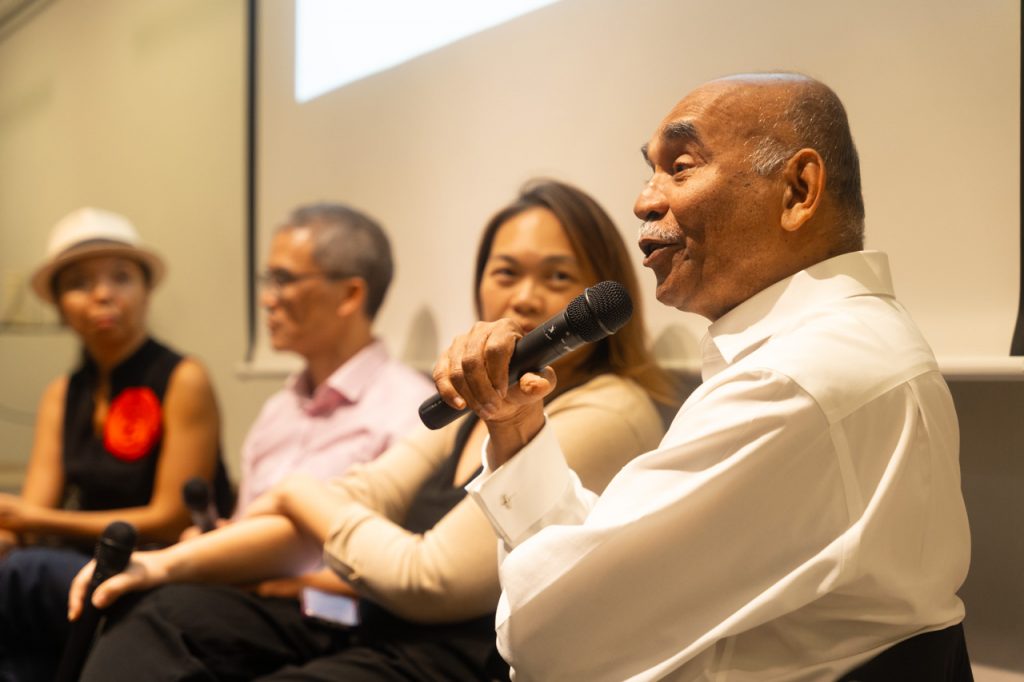
The truth is, the job of an NMP is harder than the public knows. Currently, NMPs are paid $28,900 per year, which is 15 percent of an elected MP’s allowance. In addition to juggling their full-time jobs, they are expected to deliver speeches and pose questions in Parliament without the legislative and secretarial support typically afforded to elected MPs.
At the dialogue, Nair shared how he paid for his own secretary out of his own pocket, quipping, “When I became NMP, my friends did promise that they would help me, but they all ‘cabut’ (fled).”
Not Obsolete (Yet)
We’ve heard a lot about the NMP scheme from former NMPs and political observers, but we haven’t exactly heard from the public beyond the online comments.
A new nationally representative survey of 500 citizens— the first community-led consultation on the NMP scheme—provides some long-overdue and surprising insights.
For one, most Singaporeans don’t seem to want the scheme scrapped. The survey, conducted by independent research company OPPi, revealed that 71.2 percent agree that NMPs provide alternative voices in Parliament.
However, there’s also a sense of ambivalence toward the scheme. Only 32.4 percent of participants said the NMP scheme was relevant or highly relevant today.
It appears that the NMP scheme still has a place in Singapore politics. Could it be—as Mr Abdullah asserted—that the views espoused in Parliament still aren’t diverse enough?
Or perhaps the public sees the value of non-partisan voices in Parliament. After all, the independent candidates in GE2025, Jeremy Tan and Darryl Lo, both managed impressive polling results. The OPPi survey also indicated that the public is far more supportive of former NMPs running as independent candidates than joining political parties.
Either way, it seems that what Singaporeans want isn’t the abolition of the NMP scheme, but reform. A good 53 percent of respondents said NMPs should be selected by a public vote, while 49.2 percent are in favour of a cooling-off period if NMPs wish to join political parties after their term.
The Perception Problem
It’s clear, at least, that while the wider public aren’t against the scheme, they aren’t exactly embracing it either. The NMP scheme’s greatest weakness may not be its design but its perception.
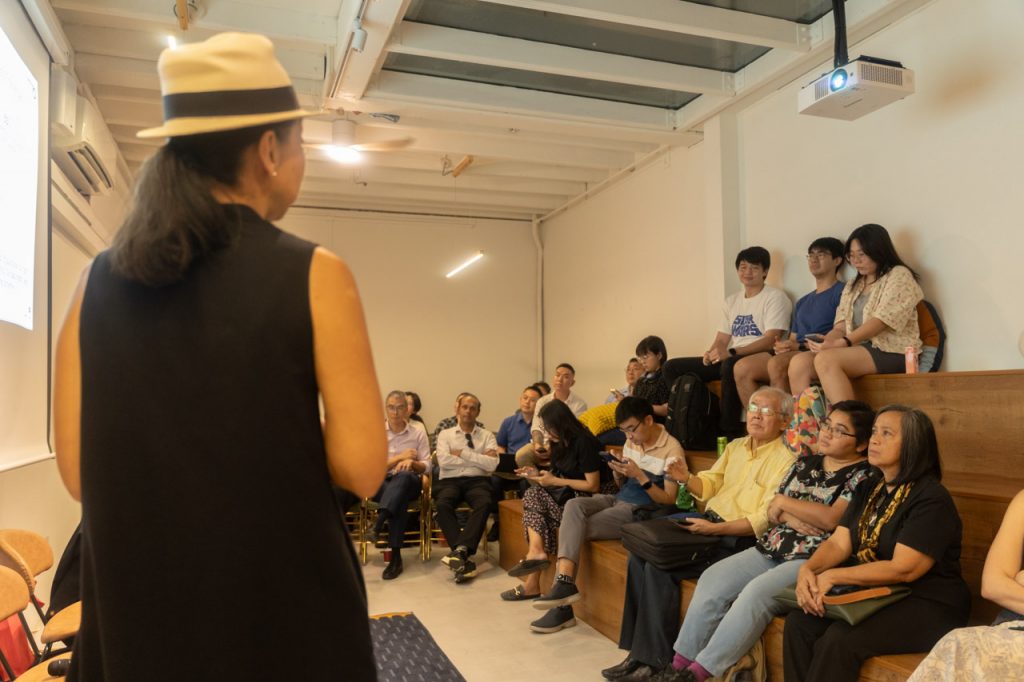
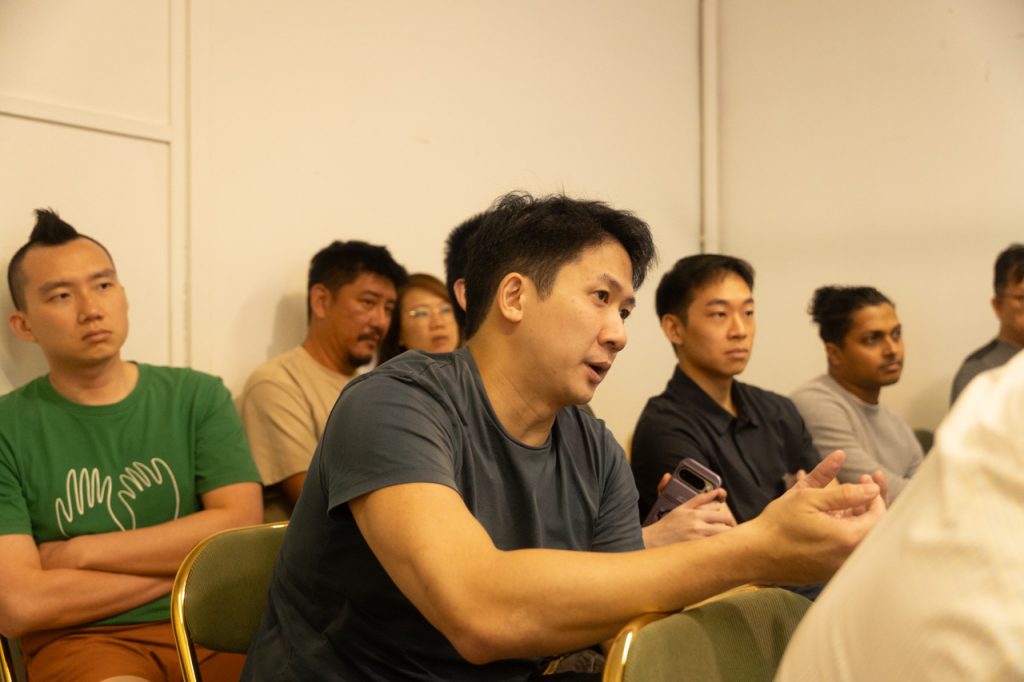
At the RICE dialogue, organised to mark the 35th anniversary of the NMP scheme, this tension repeatedly surfaced in the questions from the audience.
For example, one asked if the NMP scheme was designed as a political tool to blunt demand for opposition MPs. Another asked about the tension between representing the views of the public and raising potentially controversial or unpopular issues—and how NMPs manage this balance.
Underscoring both questions, I gather, are doubts: Are NMPs truly free to say what they want? And are they really non-partisan? The fact that two NMPs resigned this February to join the ruling PAP hasn’t exactly helped the public’s perception of the scheme.
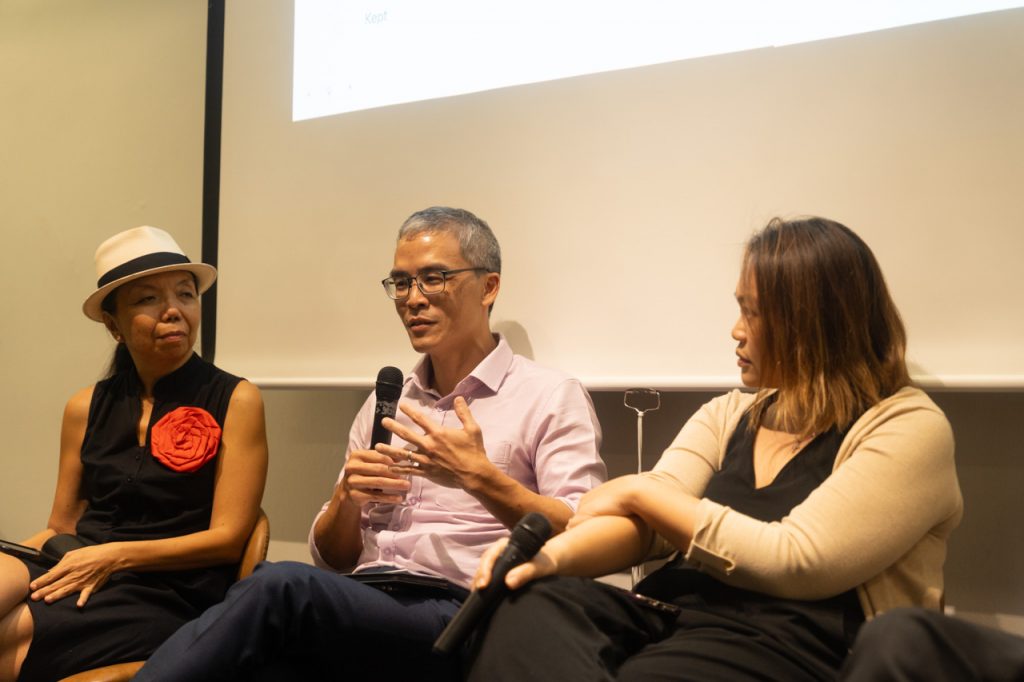
To that, all former NMPs on the panel chimed in to dispel the notion that they’re told what to say. They all insist that they write their own speeches (which is more than some elected MPs can say) and are generally free to raise questions in Parliament.
Interestingly, they also revealed the more subtle factors at play that can affect how outspoken NMPs are.
Ong recounted the experience of proposing several amendments to the Protection from Online Falsehoods and Manipulation (POFMA) Bill in April 2019, together with Professor Walter Theseira and Irene Quay—fellow NMPs at the time.
“When I actually tabled the POFMA amendment, I was told that if the NMPs think the law is bad, Singaporeans will think the law is bad.”
Ong says she was asked to reconsider her amendments. Theseira also shared his side of the story in Ong’s book, where he recalled that it was clear their amendments would not be accepted.
Still, the three of them made the decision to table the amendments in Parliament, believing it was essential to put their issues with the POFMA bill on public record.
Lien, the co-founder and CEO of the Asia Philanthropy Circle, acknowledges that there’s sometimes lobbying (or “persuasion”, as he puts it) from other members of the House.
“Nobody is going to tell you you can’t vote otherwise something bad will happen. And sometimes the bark is worse than the bite, right?”
He continues, “So it’s your own ‘OB (out of bounds) markers’. I mean, I was afraid because I was running a public-funded charity.”
Kuik agrees.
“There is a social pressure. It’s clear when people like you and when people stop liking you. And then, of course, the individual must make sense of it. Do I stop saying? Or do I keep saying?”
NMPs are in a strange position: They’re free to speak without fear of losing an election, yet they’re bound by the unspoken costs of alienating those who granted them access to Parliament in the first place.
But it’s for every NMP to decide if they’re speaking for themselves, the general public, or to win the favour of the establishment.
“I think an NMP does injustice to the system when the NMP decides: I’m not going to reflect what the public really thinks. I’m just going to say whatever gets me some applause from the establishment.”
The Uncomfortable Truth
Here’s the uncomfortable truth about the NMP scheme: its survival isn’t proof of its success.
It was introduced not because the public fought for it, but because the establishment wanted it.
While it isn’t perfect, it has given rise to some good. In an op-ed for RICE, Ong details how she used her NMP stint as an opportunity to speak up on “unelectable” issues—essentially issues that political parties did not want to touch at the time—such as mental health, LGBTQ+ issues, sex workers, and migrant workers.
NMPs have also made their mark in Singapore’s laws. Thanks to Professor Walter Woon, we now have the Maintenance of Parents Act. And while Dr Kanwaljit Soin’s Family Violence Bill in 1995 wasn’t passed, some of its provisions were included in amendments to the Women’s Charter.
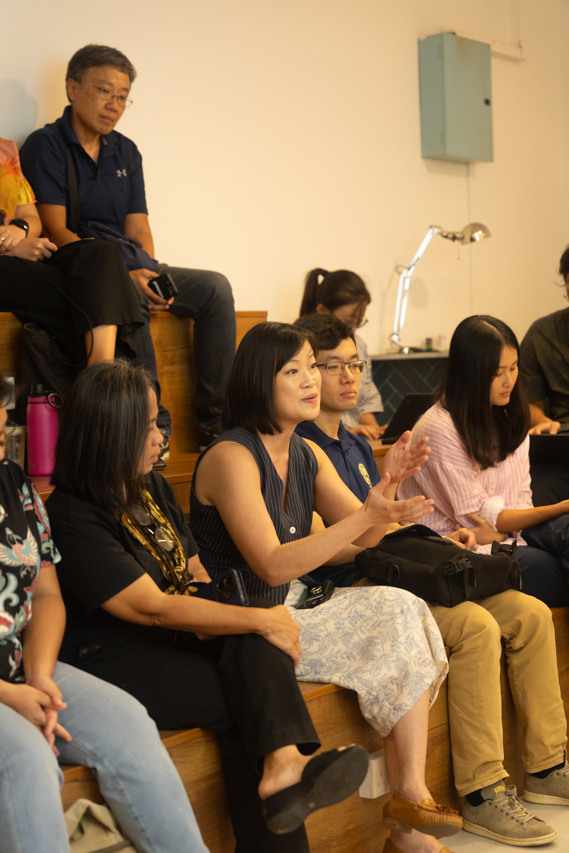
It’s also worth considering that NMP voices do hold weight in the halls. As Kuik says, “It really matters to the establishment what NMPs say and vote on. They pay attention to what we say yes or no to, and what we abstain on.”
Nair echoed this at the panel. “You can look at everything and say, ‘Oh, you came from the back door.’ But when there is an institution available under the Constitution, you take advantage of it and make the best of it.”
If Singaporeans see NMPs merely as “back door” MPs, or worse, as establishment proxies, the scheme will remain stuck in limbo—not rejected, but not embraced either.
For now, at least, Singaporeans say they want the NMP scheme. But it’s time for them to have a bigger say in what they want out of it.