Top image: Zachary Tang / RICE File Photo
It has come to this: blasting your music on the MRT can now cost you $1,000. Our days of enduring the noise of tinny Mandopop throughout our train rides might officially be over.
From the complaints, at least, it seems like Singapore’s getting noisier. Pickleball’s distinctive “pop” sounds have prompted 701 complaints since January 2024. And according to statistics from the Housing & Development Board (HDB), it received 27,600 noise complaints in 2022—a fivefold increase from the 4,800 complaints in 2019.
But these figures tell only part of the story. Complaints about noise stretch back decades, from gripes over traffic noise to construction.
Today, the difference lies less in decibels than in how modern life is organised. The sounds around us—and the annoyance that arises—are only reminders of how little space we have left, and how little control we have.
Looking Beyond Annoyance
With the rise in noise complaints, we’ve got MPs in Parliament weighing in about improving infrastructure. For example, in the Parliament sitting on October 15th, it was mentioned that HDB has increased the thickness of floor slabs in its newer flats to better insulate noise. There was also talk of improving frameworks to deal with noise complaints.
But maybe it’s not even about noise anymore. Maybe we’re just tired of feeling stifled. Singapore’s population has hit 6.04 million, making us one of the most densely populated countries in the world.
You feel it everywhere—in the classroom where competition never stops, on the MRT where you’re pressed against strangers, and even at home, where your window looks out to rows and rows of other windows. Even the sound of your neighbour simply living—the clatter of dishes or the pitter-patter of footsteps—can get on your nerves.
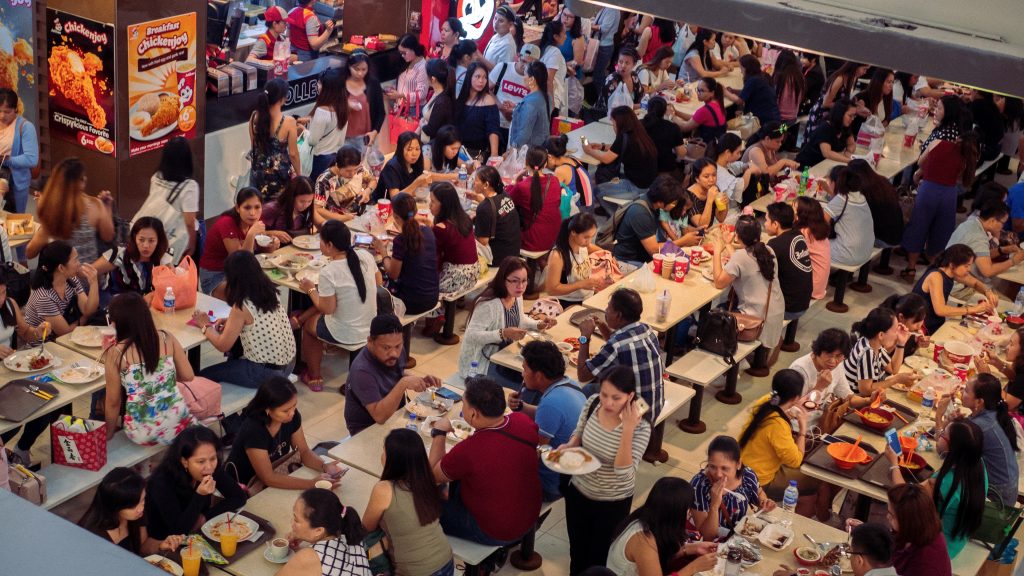
Psychologists have observed that noise annoyance is not merely about the decibels. A 2022 study by several researchers based in the United Kingdom found that people who reported being “highly noise annoyed” had a 1.23 times greater risk of depression, 55 per cent higher risk of anxiety and an overall 119 percent risk of general mental health problems compared to those who are less sensitive to noise.
In other words, noise annoyance may go hand in hand with mental health challenges.
In Singapore, at least, long work hours, high costs, and tight housing form the perfect echo chamber for irritation. The frustration we pin on noise often says more about how overstimulated and exhausted we already feel.

I remember when my neighbours were renovating. The drilling was constant, sharp, metallic. Rationally, I know these noises are a reality of urban life. There was absolutely nothing wrong with someone doing mundane home improvement work in their flat.
But I still found myself muttering curses under my breath, wondering why it had to come at the expense of my peace.
The Real Source of Our Frustration
Noise complaints are a serious issue, for sure. Take the Hougang block where people had to live for years at the mercy of a neighbour’s noise terror. But they’re also a symptom.
Making our HDB floors thicker might dampen some noise. But it’s not going to make all the other little instances of friction in society go away.
There’s a nagging sense that something has fractured in society, especially when we see comments from locals online empathising—disturbingly—with the Yishun knife attacker. The man had reportedly stabbed the victim after complaining about the noise her family was supposedly making.
His violence was inexcusable, but the sympathy it drew exposed something unsettling: how close many feel to snapping under the pressure of shared living.
We no longer see our neighbours as a shared ecosystem but as disruptions to our personal comfort. In a way, our desire for quiet is really a desire for control over the environment.
After all, we can’t control what our fellow Singapore residents get up to. But because we’re in such close quarters, the choices they make, like leaving confetti and joss paper strewn around, smoking, and, yes, playing videos out loud on the MRT, inevitably affect us.
I think this is the root of the frustration for many of us: We’re forced to bear the consequences of someone else’s actions, without any real power to change them.
For many, this manifests as passive-aggressive posts online and passive-aggressive public notices. In rare instances, it results in not-so-passive-aggressive violence.
Finding Calm in Chaos
I’m not trying to dismiss or downplay the issue of noise pollution. The negative effects of chronic exposure to noise pollution on our health are very real, ranging from disrupted sleep and increased stress to high blood pressure and obesity.
And in cases of nightmare neighbours, the noise is almost a form of inescapable psychological torture.
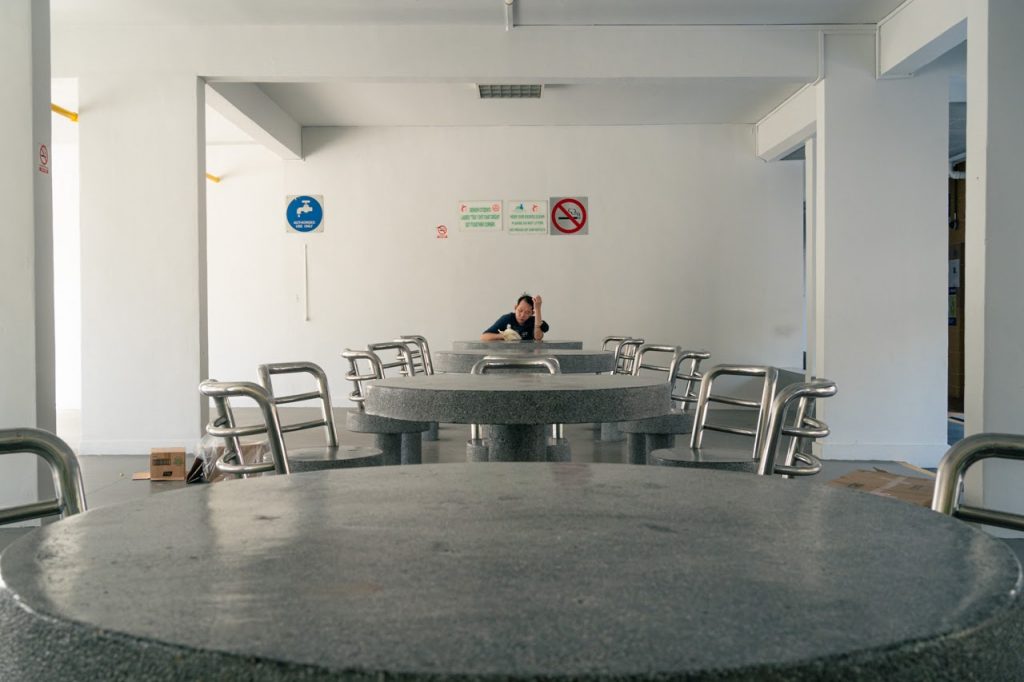
But the next time we find ourselves irritated by regular, everyday sounds around us—the drilling, the chatter, the music played out loud on the train—perhaps we should pause and ask what that frustration is really about. Is it just noise, or are we overwhelmed with something else?
We can’t possibly silence the people around us, so the question, really, is how are we going to live with it?
That said, the solution can’t just be preaching more tolerance. We need a deeper relook at how our space is organised. Maybe it’s not thicker floors we need, but more breathing room—literally and metaphorically.
And maybe it’s time to confront the question no one wants to ask: How many people can this tiny island really hold before the noise—and everything else—becomes too much to bear?