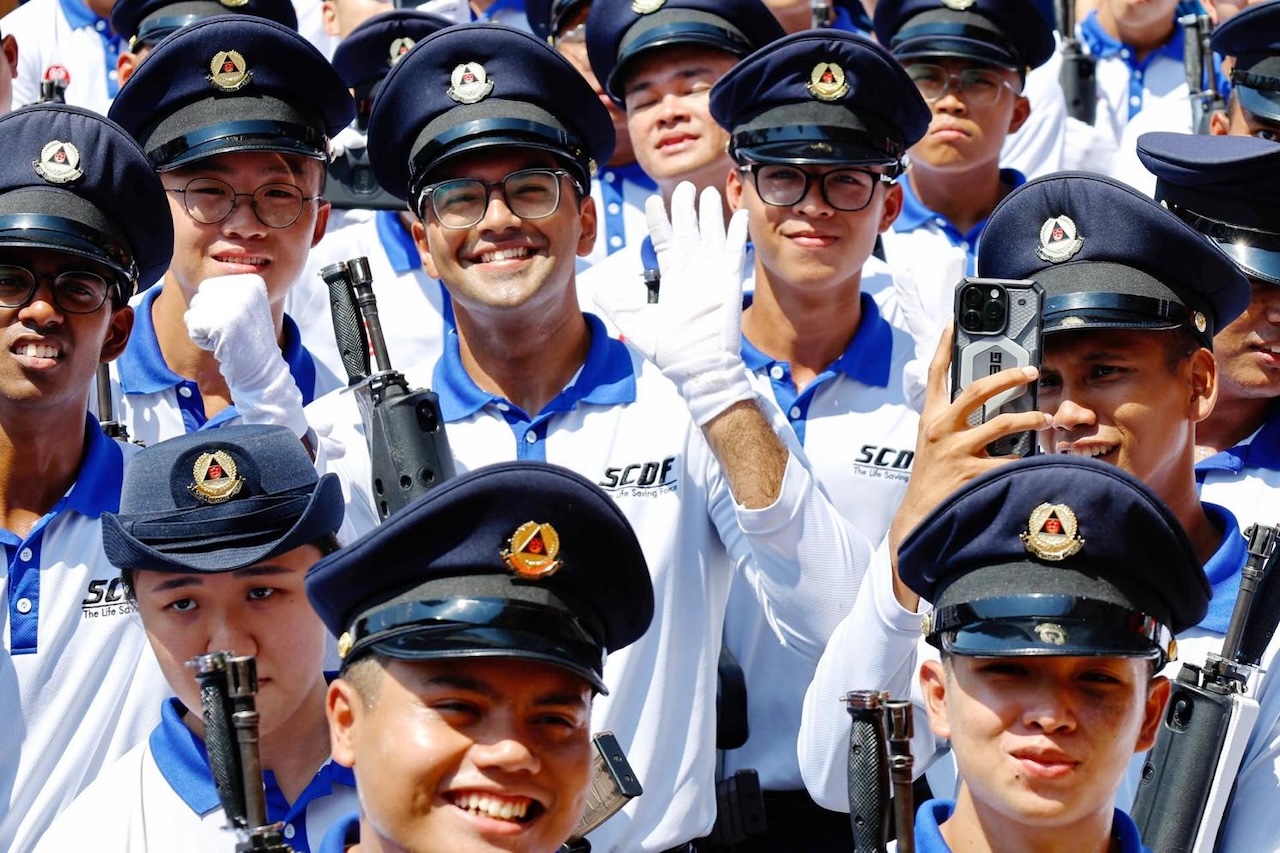
Top image courtesy of Ammar
Born-and-raised Singaporeans have never had to stake a claim to their citizenship. It’s something intrinsic and ingrained, like a surname, blood type, or disgust over AI-slop National Day banners.
But for non-Singaporeans who grew up here, the journey to attaining Singaporean status is an upstream swim that could span decades. By the time someone attains citizenship, it’s likely that they’ve cried over the Ten Year Series in preparation for ‘O’ Levels, sweated their way through National Service, or even met their partner and settled down.
At some point in time between their arrival in Singapore and their citizenship ceremony, they’ve already found their place in the country—pink IC or not.
If feeling at home in a country neither starts nor ends with becoming an official citizen, what matters most to ‘new’ Singaporeans?
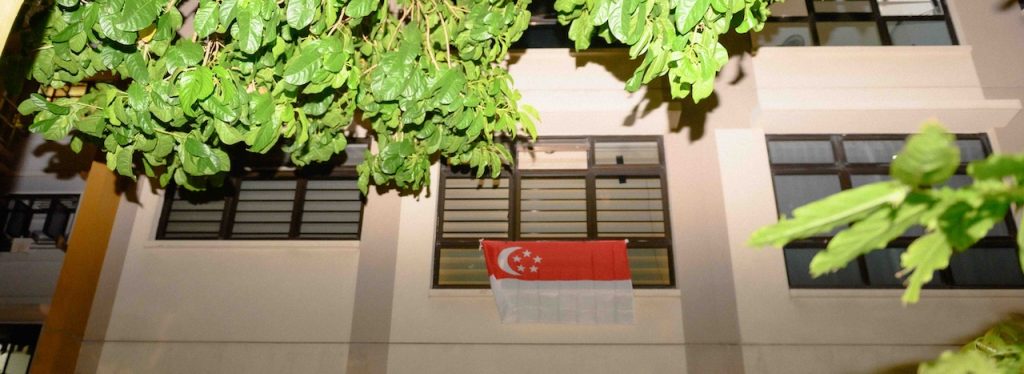
“I’ve lived in Singapore for my whole life, except for one year in South Korea. When deciding whether to remain as a Permanent Resident (PR) and renounce my Korean citizenship, I asked myself, ‘Would I be able to fit in with my peers? Would I understand the social hierarchies in Korea?’ I felt like I could associate myself more with Singapore.
If you dropped me anywhere in Singapore, I would be able to comfortably navigate myself back home. The fact that I’m able to go to a hawker centre and pay with PayNow, or pick out good food options, I think that makes me Singaporean.”
— Justin, 17
“Just being able to code-switch between Singlish and proper English, that’s something I picked up growing up here.
Beyond that, my ability to speak a few languages besides English and Tagalog is kind of reflective of what being Singaporean is like. I took French as my mother tongue until the ‘A’ levels. My minor at university was German, and now I’m learning Chinese because my partner is Chinese— I want to interact with his parents.”
— Anna, 23
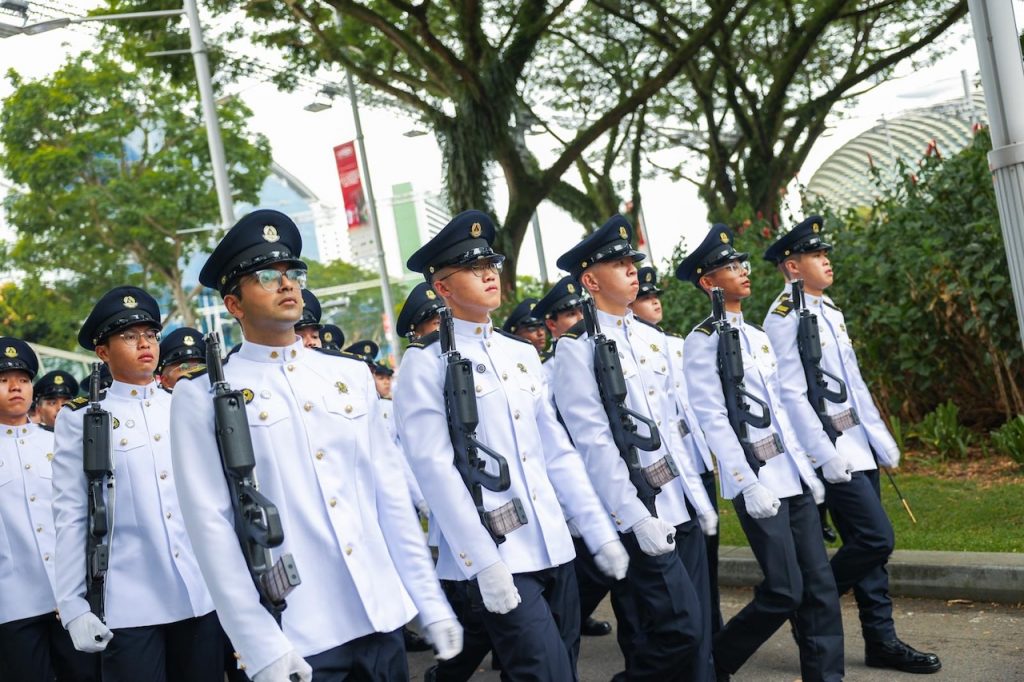
“My family moved here from Pakistan in 2010. Last year I was lucky enough to be a Guard of Honour at the SG60 National Day Parade. They had a name list, and there were 66 of us. 65 of them were Singaporean—the only PR was me. I had to fill out a special form for clearance, and I trained with the army at Seletar Camp. It was a once-in-a-lifetime experience, especially as a PR. It helped me develop a sense of belonging to Singapore.”
— Ammar, 20
“During COVID, I had a very heightened patriotic feeling. When all the lockdown things started, I was quite amazed at how efficient Singapore was in dealing with COVID as compared to the stories I heard about Hong Kong or China from my friends.
I did my university in Hong Kong, where classes were in English but daily life was in Cantonese. Living abroad made me realise how much I missed being able to just default to Singlish. Moving to the UAE also made me appreciate the nuances of our culture. Singaporeans can seem reserved at first, but we’re generally warm and willing to help.
In general, I already felt proud every time I came back to Singapore. One difference now is that I don’t get stuck in immigration while my Singaporean husband whizzes through the e-gate. That used to irk me.”
— Crystal, 30
“Once, when I went back to my hometown in Sarawak for New Year’s, my sister casually dropped a comment: ‘You seem to say a lot more things now’.
I was like ‘Oh, okay!’ It never even occurred to me that I was speaking my mind more freely, versus last time when I was more subdued or quiet. But I guess that’s what living in Singapore does to you.”
— Mich, 36
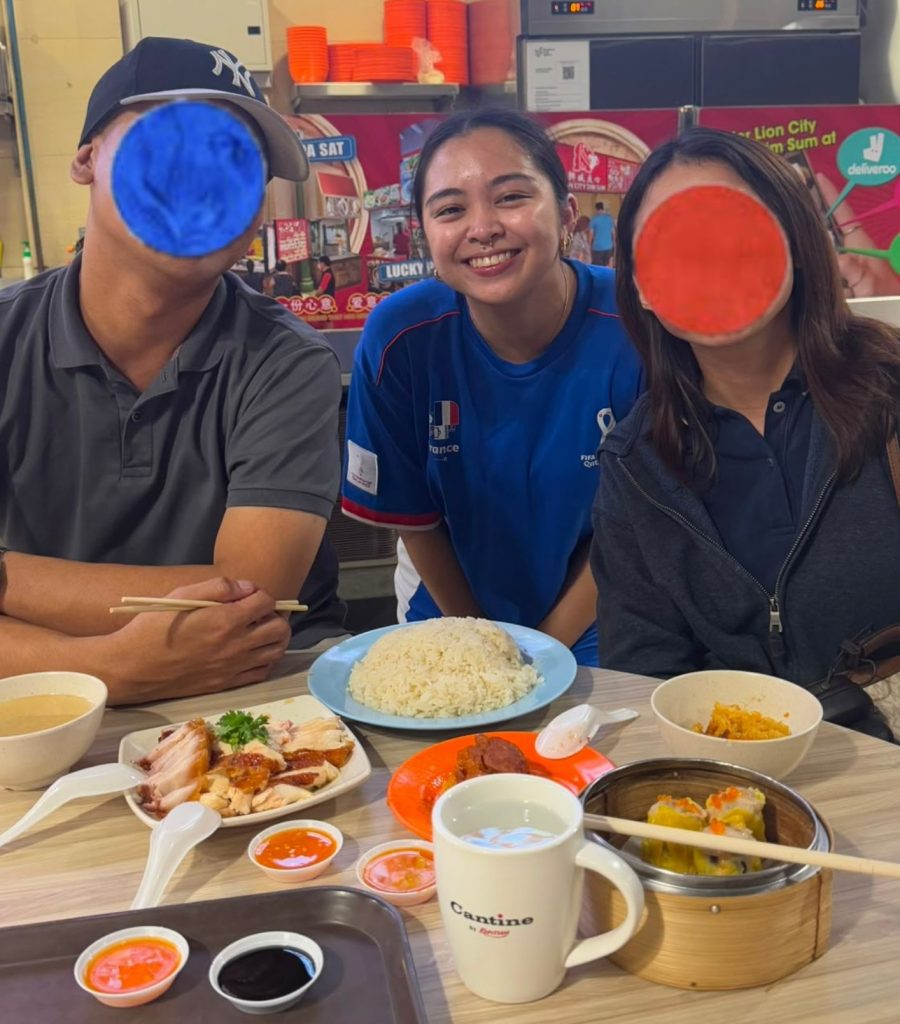
“I tend to be the one giving food recommendations, even to my Singaporean friends. I always bring them to Sengkang Kopitiam Square—it’s the biggest kopitiam in Singapore, which a lot of people don’t know about.
The stall aunties and uncles recognise me because I’m there every week. The chicken rice stall there is good because the meat is tender and the rice is fragrant. I’ve brought friends from the Philippines straight from the airport to the kopitiam for the chicken rice. Maybe that’s my Singaporean trait—I tend to know where to eat or where to find certain things.”
— Kirsten, 28
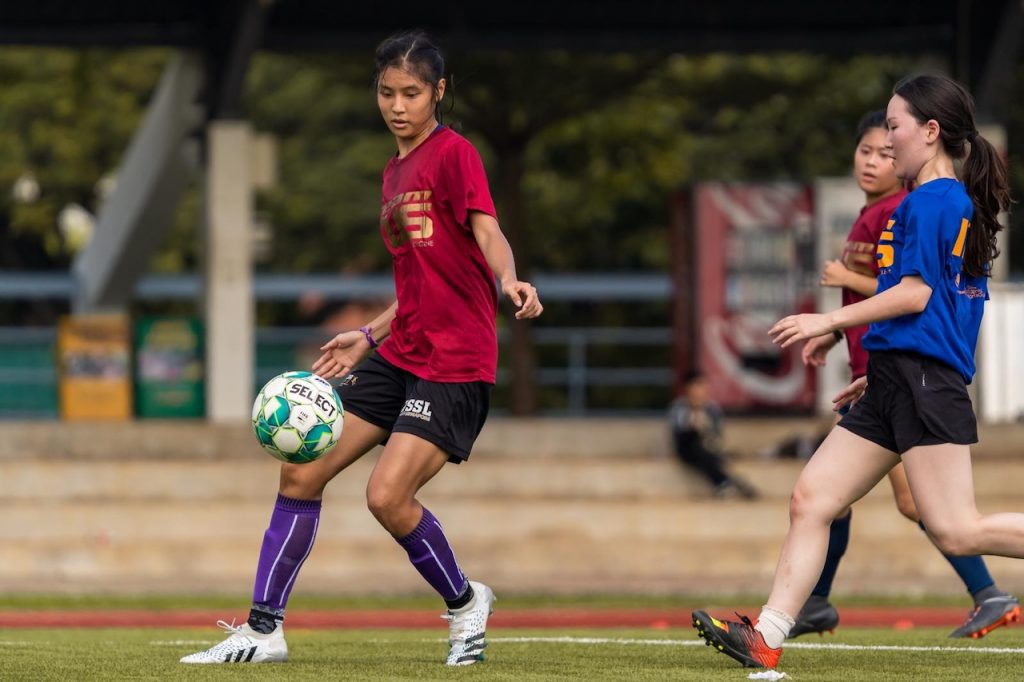
“I became so hardworking when I came to Singapore. I never used to study back in Malaysia—I didn’t understand what was going on in school. When I came to Singapore, I wanted to maximise the opportunities that I was given, so I joined multiple CCAs like photography and boxing. I also played for the Singapore Premier League a few years ago.
The culture was a big factor because, you know, Singaporeans study hard, play hard and train hard.”
— Seeerah, 27
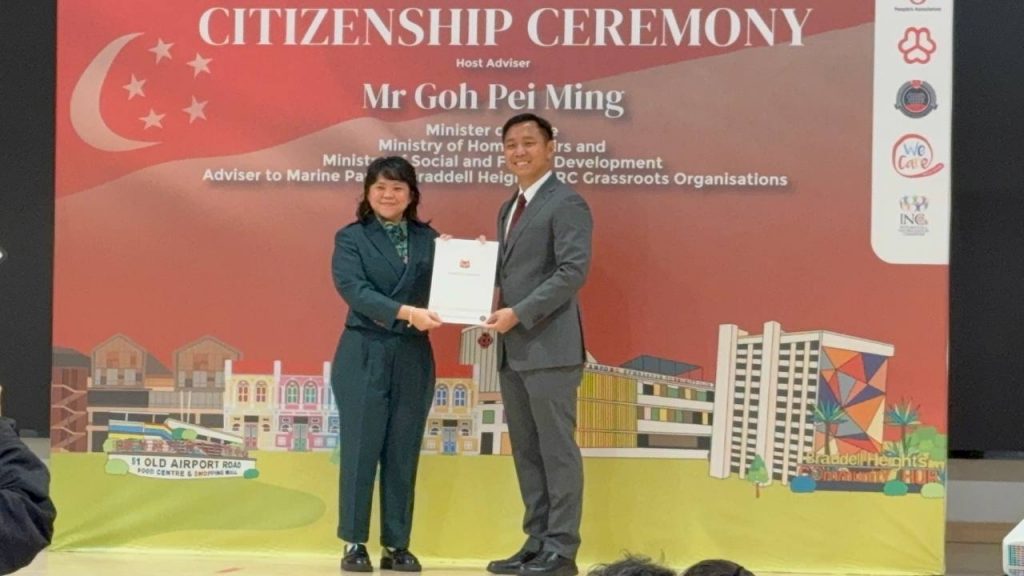
“My parents migrated from Hong Kong, so I was born here. Like most primary school kids, I went for the National Day Parade when I was in Primary 5 because it was an obligation, but it really left an impression on my memory.
I remember looking up at the pretty fireworks and thinking ‘Wow, it’s so nice to be here’. They also sang those National Day songs and the national anthem—it was a core memory that resurfaced when I was at my citizenship ceremony and sang the national anthem again.”
— Grace, 26