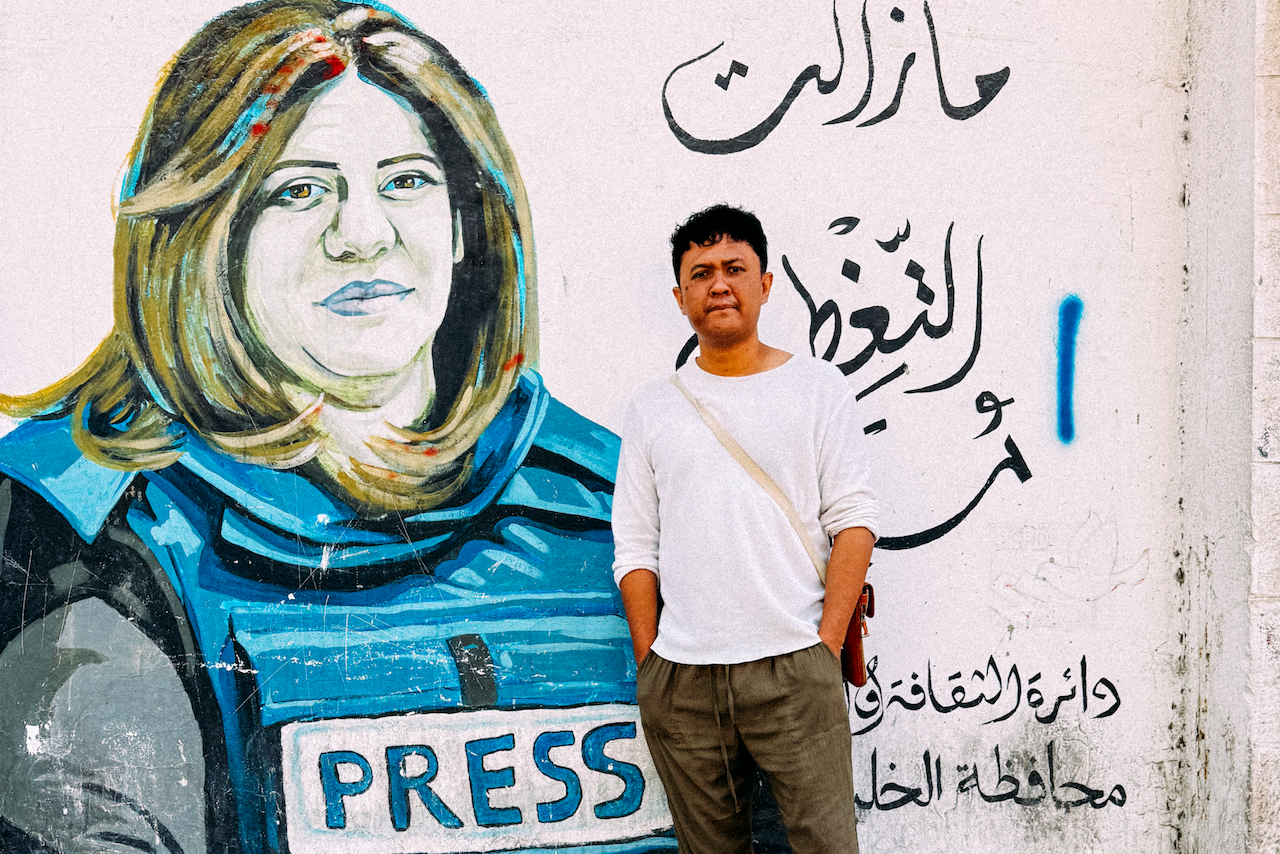
All images courtesy of Suffian Hakim unless otherwise stated.
When I told one of my buddies about my trip to Palestine, he quipped, “Bro, you live too long already, is it?” The insinuation there is that a trip to Palestine is a death sentence. It was a joke, of course, but this trip was, to be fair, an insurer’s nightmare at the very least.
On July 15, I packed my bags and left for Amman, the capital of Jordan. The Gulf Air flight included a 14-hour layover in Bahrain, during which I stayed in a hotel in northern Manama.
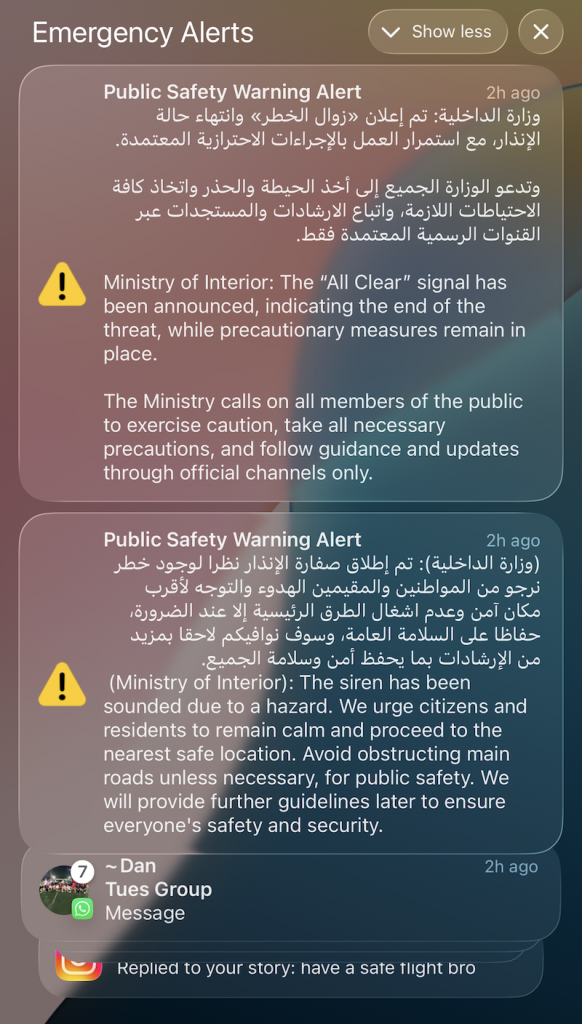
That night, I was awakened to the sounds of distant explosions, as Bahraini air defence systems intercepted Iranian drones heading towards the US support bases in southern Bahrain.
Just then, my phone lit up in the dark. This was shown on the screen:
The next day, I took my connecting flight to Amman. From Amman, I took a 6 AM bus to the King Hussein Bridge crossing, which connects Jordan to the West Bank. Even though the West Bank is Palestinian territory, Israel controls the West Bank side of the crossing.
On the Israeli side, the customs officer kept my passport and passed it to a member of the security department, who led me to a small holding room. I was detained for over three hours for questioning, but it was a relatively cordial exchange—more conversation than interrogation. I don’t think they get many solo male Muslim travellers from Singapore, so my immediate profile alone raised suspicions.
They asked me questions like, “What do you do for work? Why are you here? Do you have any connections with Hamas?” I answered their questions calmly and truthfully. I was cleared to enter the West Bank.
I have to be clear that this was a personal trip. I wasn’t going in my capacity as a journalist or an author. Other than being a tourist in Jerusalem, I was there to volunteer, to help people, and to learn about the on-the-ground realities in Palestine. And I sure as hell wasn’t there to connect with Hamas.
One of my friends, a veteran in various NGOs, told me before I left: Volunteering does not come for free. You pay an emotional and mental cost when you help people for nothing in return. That warm, fuzzy feeling of doing something good can only last for so long before the reality of systemic problems, burnout, and human suffering sets in. You end up carrying home stories that aren’t yours, and worrying about outcomes you can’t control.
I was steeling myself for that emotional burnout in Palestine. I did not expect the whiplash of coming home, where speaking up for the people I’d just stood among got you silenced.
‘Jerusalem… a City Lifted Above the Mundane Sorrows of the Earth.‘
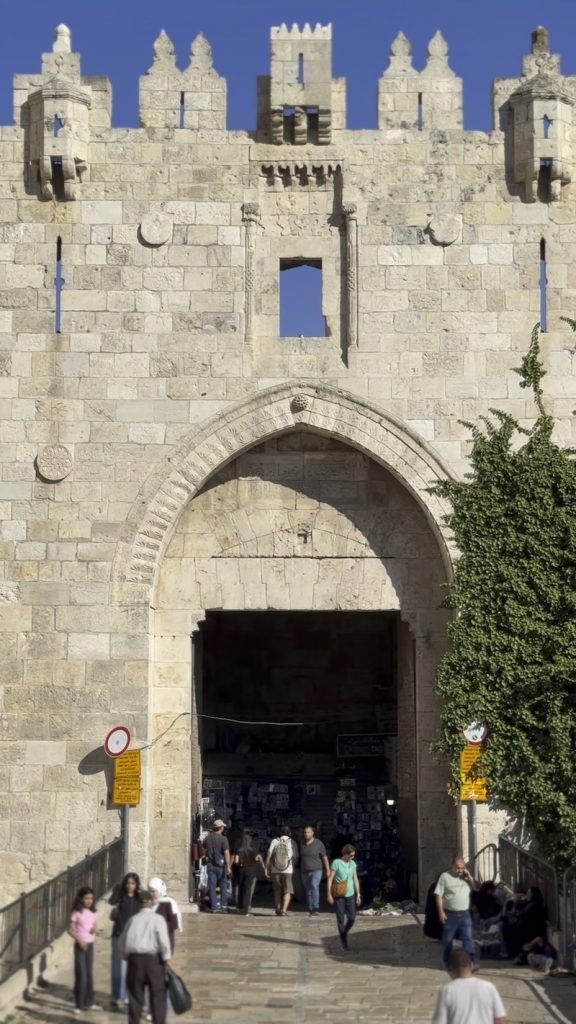
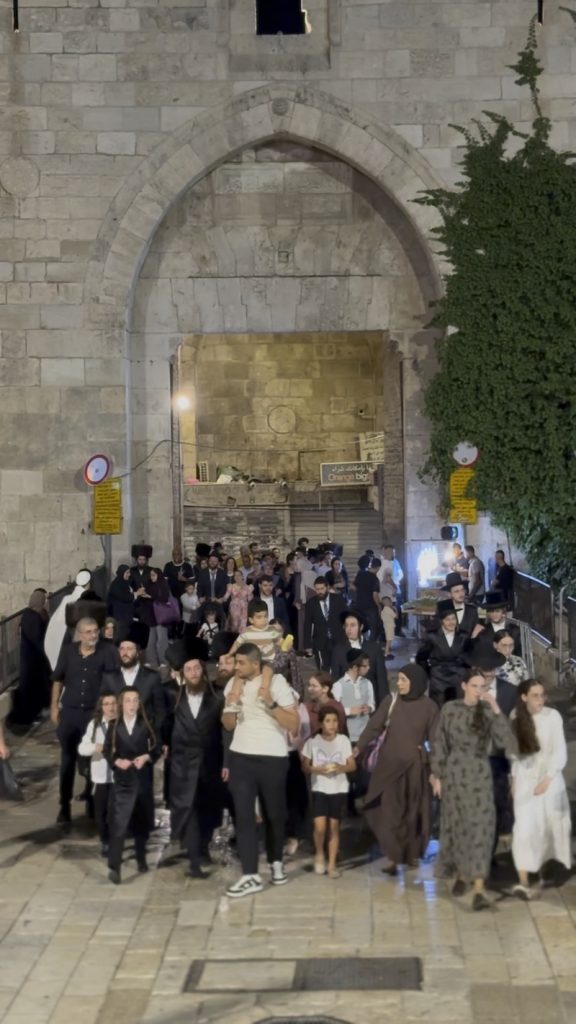
Jerusalem is a fascinating microcosm of the Israeli-Palestinian conversation. The Old City itself is divided into quarters: a Jewish quarter, a Muslim quarter, a Christian quarter and an Armenian quarter.
I spent my days roaming the Old City, taking in the sights. I would smile and converse with locals—Jewish, Muslim or otherwise. Some of my favourite people to speak to were old nuns, who treated me with a truly disarming grace. I observed cordiality—if not outright friendship—between Arab and Jewish shopkeepers.
But of course, there was a constant military presence in Jerusalem. Israeli soldiers were stationed at some of the Stations of the Cross along Via Dolorosa, at the entrance to the Wailing Wall, as well as every gate which led to the Al-Aqsa Mosque compound, ensuring that only Muslims could enter.
I was in Al-Aqsa a lot. Most of my afternoons were spent under the cooling shade of the Dome of the Rock, or doing my prayers in the mosque. Sometimes, I’d feed the cats scattered around the compound with kibble I purchased from Arab supermarkets across the road from the Damascus Gate.
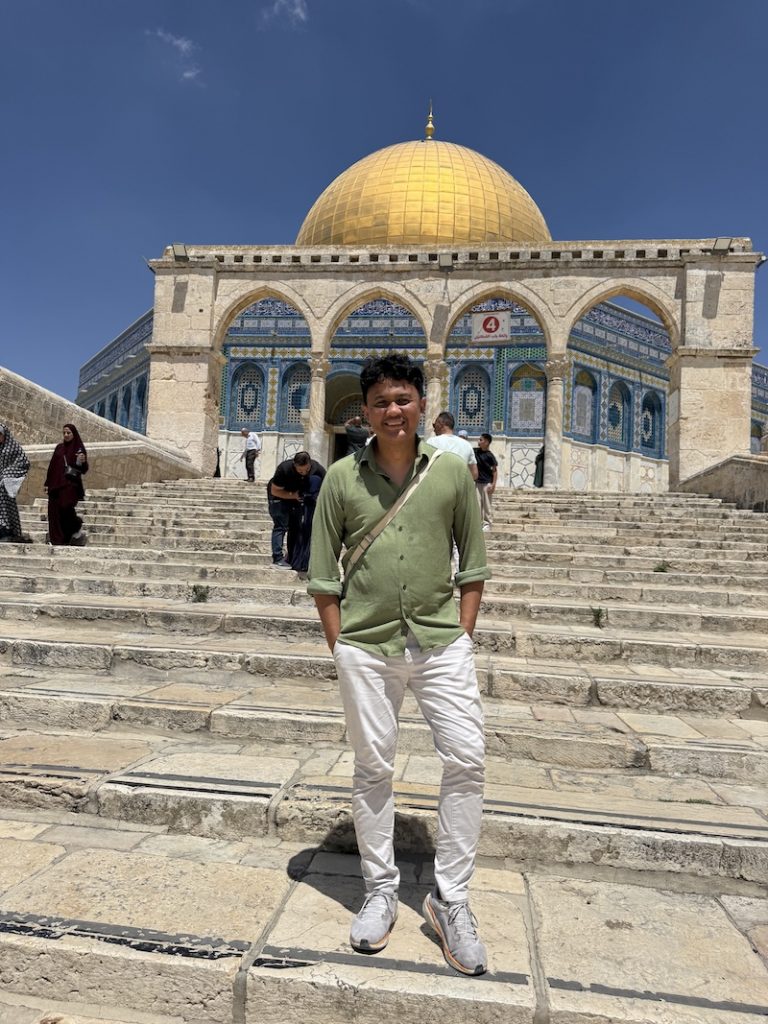
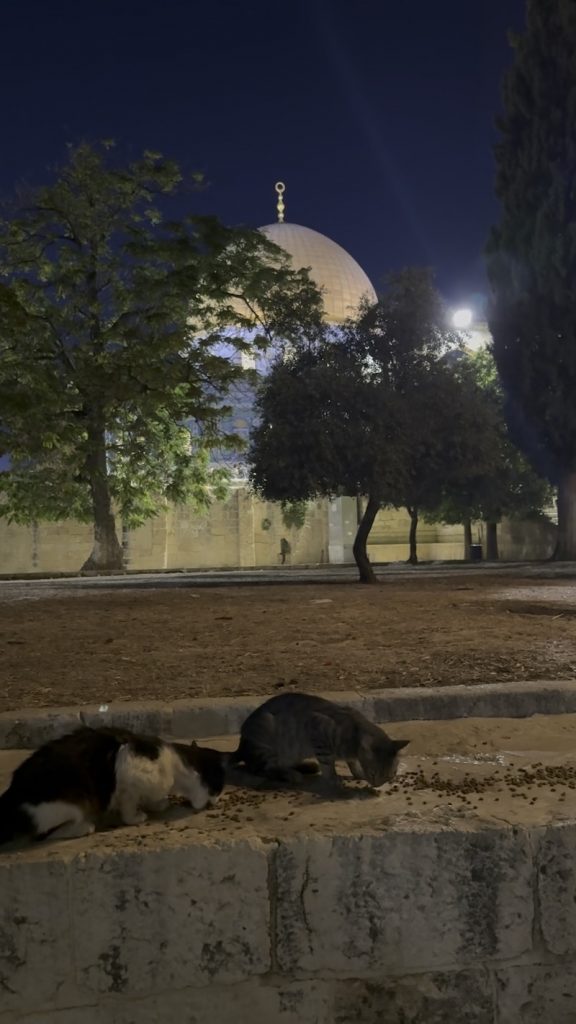
You can’t walk 50 metres in the city without passing beggars. Based on my own observation, the beggars are all Arab and—based on the proclamations and appeals they make when they beg—Muslim. A few of them were men with physical disabilities; one was a middle-aged mum who sat on the time-worn stone floor with her son, who appeared to be on the spectrum. There were a few old ladies, frail and weary and desperate. Every now and then, a child in clothes much older than they are.
There’s a superstition that some of these beggars might be angels in disguise—those of you who watched The Odyssey might have heard a similar notion.
But I couldn’t help but be Singaporean in my mindset about things. Having volunteered at local charity organisations, I understood that poverty and vagrancy to this extent can be largely mitigated through concerted efforts by the government in collaboration with charities or non-governmental organisations.
But I suspect the ecosystem for such initiatives to properly take root just doesn’t exist in divided Jerusalem. The realities in Singapore are galaxies apart from those in Jerusalem and the West Bank at large.
I helped and donated where I could. But there was no way I could give to all of them.
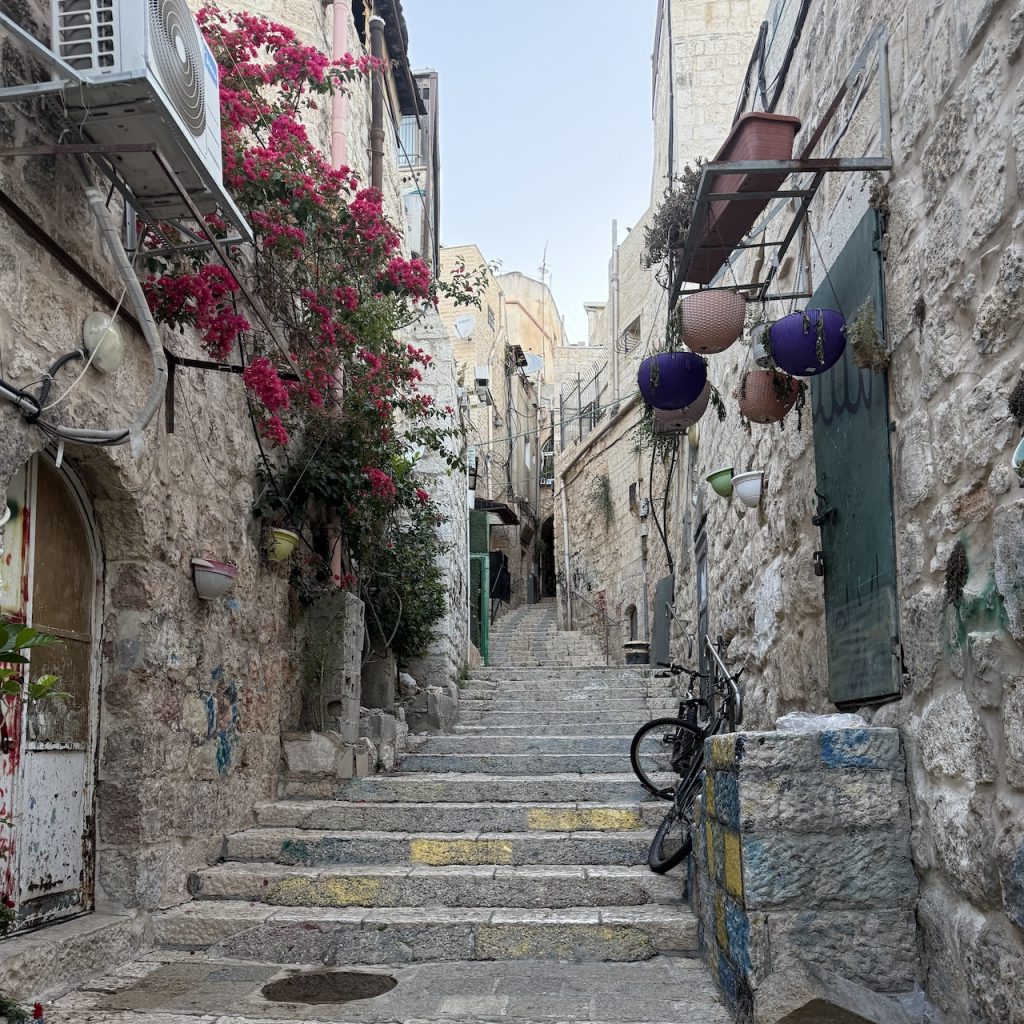
From Hebron With Love
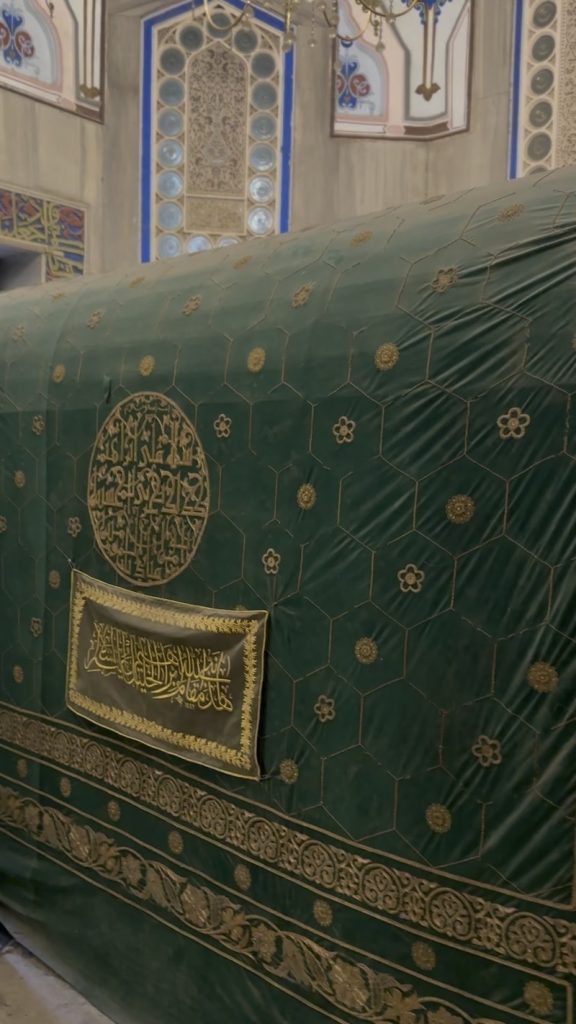
From Jerusalem, I headed to Hebron, which the Arabs refer to as Al-Khalil, short for Al-Khalil Al-Rahman, or ‘The Friend of the Merciful (God)’ in veneration of the prophet Ibrahim. It is famous for the Ibrahimi Mosque/Cave of the Patriarchs, the supposed final resting place of the prophet Abraham (Ibrahim in Islam) and his family.
There are two ways to get to Hebron from Jerusalem, and it’s a sobering example of inequality even in public transportation. If you’re Arab, the way to Hebron requires three different buses, spanning two cities (before you even get to Hebron) and a variable number of military checkpoints over a four-hour journey. If you’re Israeli (or an approved tourist), the air-conditioned, bulletproof bus goes by highway and reaches Hebron within an hour.
I’m going to be honest—I took advantage of my Singaporean passport and went the quicker way.
In Hebron, the bus dropped me off on the Jewish side of Cave of the Patriarchs, which Muslims know as Ibrahimi Mosque. The mosque used to be a facility that could be accessed by Jews, Muslims, and Christians, with allocated areas for each faith. That stopped in 1994.
During the holy month of Ramadan that year, Baruch Goldstein, an American-Israeli terrorist and a member of the far-right ultra-Zionist Kach movement, entered the mosque with an assault rifle and opened fire at Muslim Palestinian worshippers. 29 people, including children as young as 12, were killed, and another 125 were injured. Since then, the monument has been partitioned with walls and fences: a Jewish side and a Muslim side.
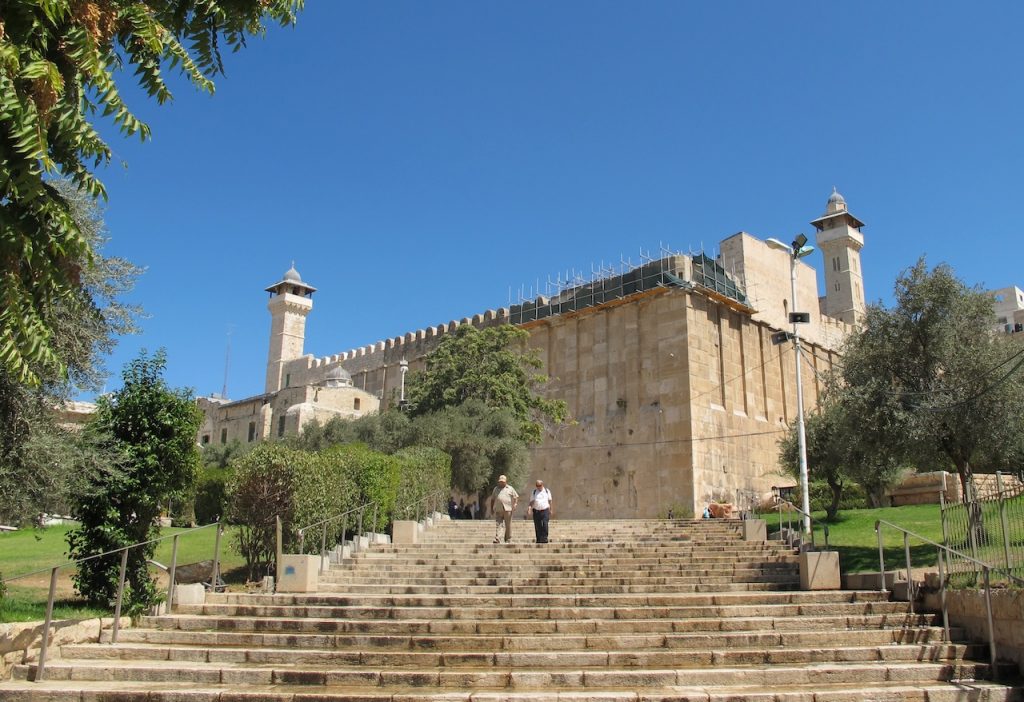
The soldiers guarding the monument asked me if I was Muslim. When I answered that I am, they pointed me to the other side of the compound. I had to walk past abandoned shops and houses to get to a small turnstile gate, guarded by armed Israeli soldiers, that would then lead me to the entrance of the mosque.
Inside, I sat by the Muslim section of Abraham’s Shrine and wondered what he would think of the state of the world today if he were still alive.
The Elder Statesman of the Old City
The Old City is where the divide between Israel and Palestine in Hebron is most obvious.
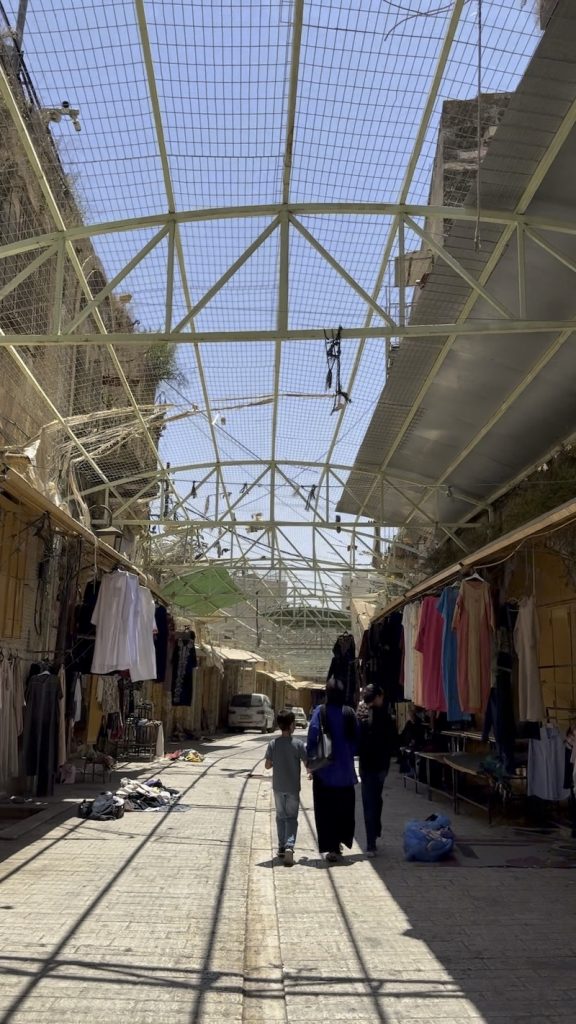
The streets of the old souk are topped with a protective fencing to shield the shopkeepers and their customers from garbage, urine and, occasionally, acid thrown by Israeli settlers who’ve taken over the buildings above. The walkways are filled with the apparatus of Israeli surveillance—multiple cameras pointing every which way.
It is in the Old City where I met Bader a-Tamimi, a man in his 70s who owns a shop and cultural centre facing the Beit Romano settlement and the gate that separates the Israeli settlements from Palestinians.
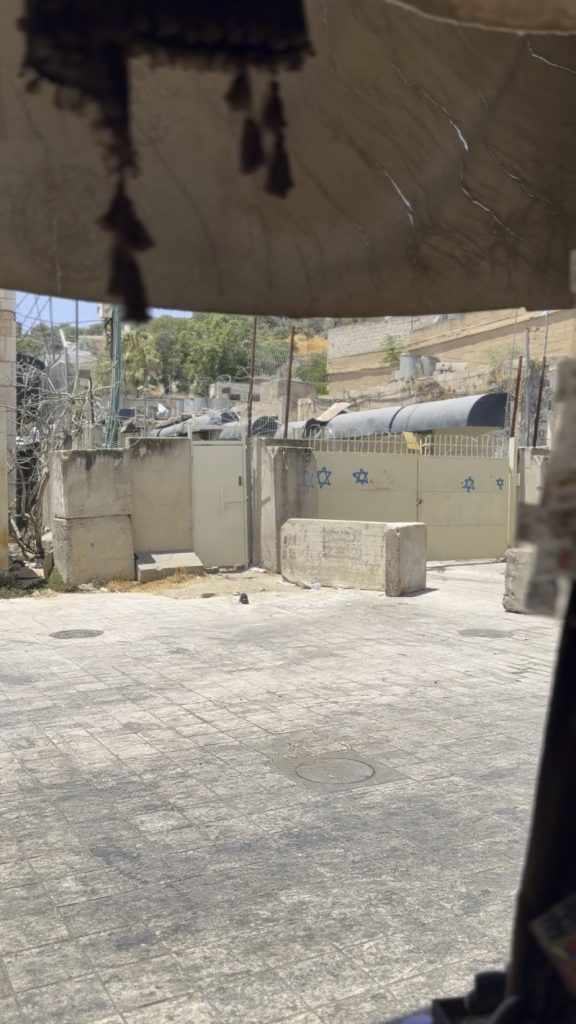
Bader’s a legend in Hebron. He and his family have owned the shop for many years, but as Israeli settlers begin expanding into Hebron’s Old City, he told me of cases of harassment by soldiers and settlers. He tells me that his shop has been set on fire twice. Both times, he stubbornly rebuilt.
He also tells me that on many occasions, Israeli soldiers would come in and freely take items for themselves. “I ask them to pay, but they just laugh at me and leave,” he tells me.
“But they will never do it when there’s a tourist in the shop. They speak to me politely when there’s a tourist.”
Bader displayed incredible hospitality when I visited, welcoming me with a cup of minty, refreshing sage tea and even dressing me in a thobe and a keffiyeh, the traditional Palestinian outfit.
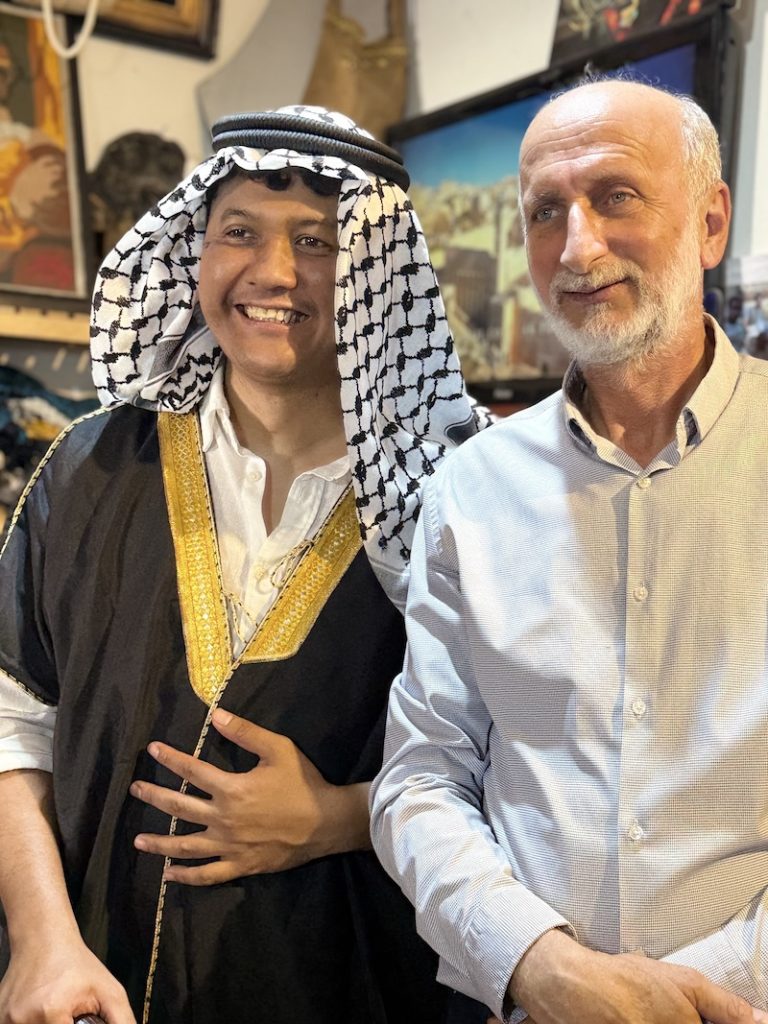
He regaled me with stories from his childhood, from the early days of the Palestinian struggle. He spoke of the walks he took down Shuhadah Street, once a bustling thoroughfare lined with street vendors that led to the roads connecting Hebron to Gaza.
Many of his former colleagues, the other shopkeepers of the souk, have left, relocating to places further away from Israeli influence. Bader, however, remains unfazed.
“I will remain here for as long as I can.”
Lessons in Humanity
In Hebron, I linked up with The Palestinian Centre for Education and Knowledge Exchange (it’s a mouthful, I know. They also go by ‘Go Palestine’), the organisation I chose to volunteer with. It meant teaching English to displaced and non-displaced Palestinians.
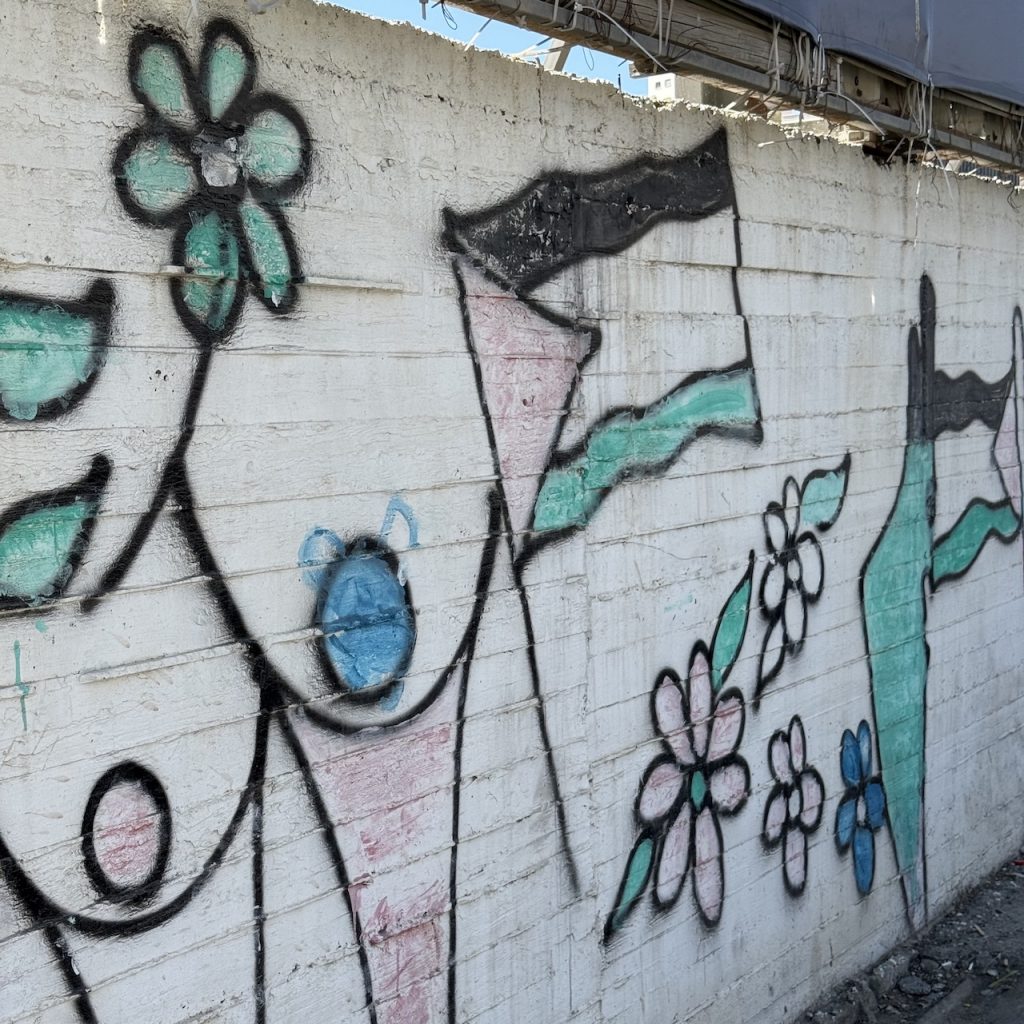
Non-displaced Palestinians referred to the many middle-class Palestinians who are living in the major cities of Ramallah, Jericho, Bethlehem and Hebron. Most of them have at least a rudimentary grasp of English, although some, like the staff at Go Palestine, are perfectly fluent.
My lessons catered to their specific needs. One of my students, for example, was a Procurement Rep at a pharmaceuticals company who travelled frequently to Europe for work, so my lessons for him centred around business English. Another was a 15-year-old boy who wanted to create social media content around football, so my lessons for him revolved around the kind of English normally used in content creation and football.
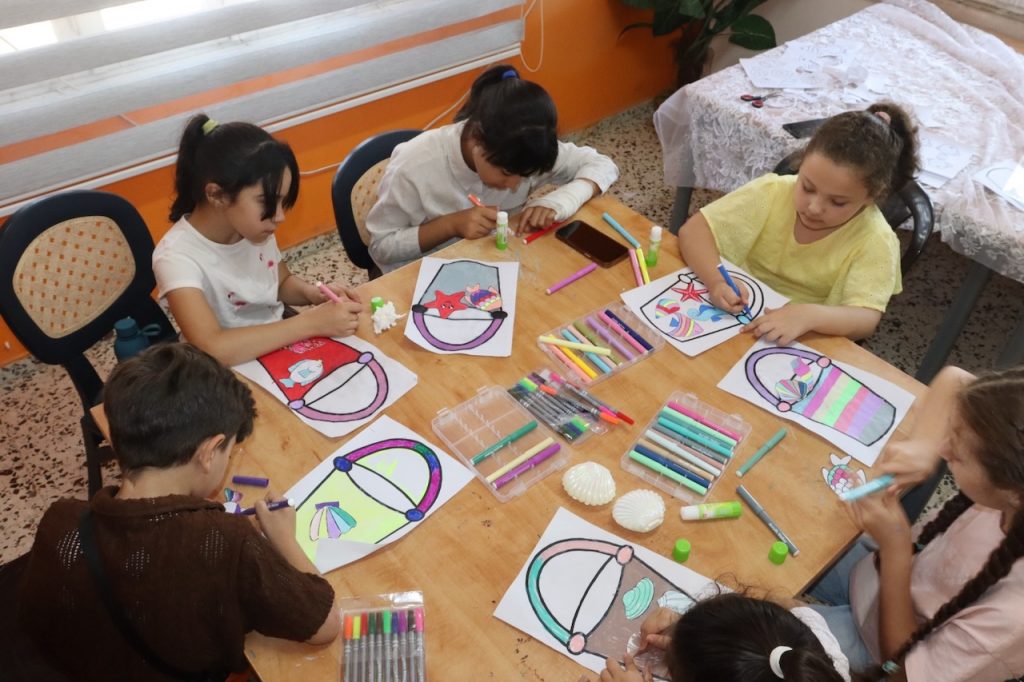
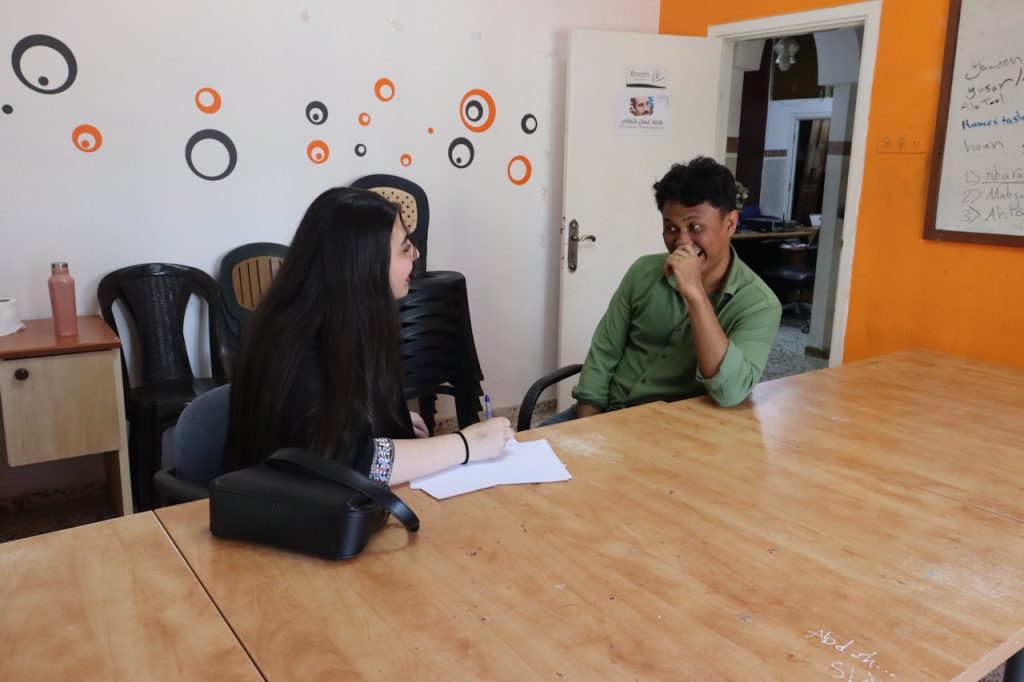
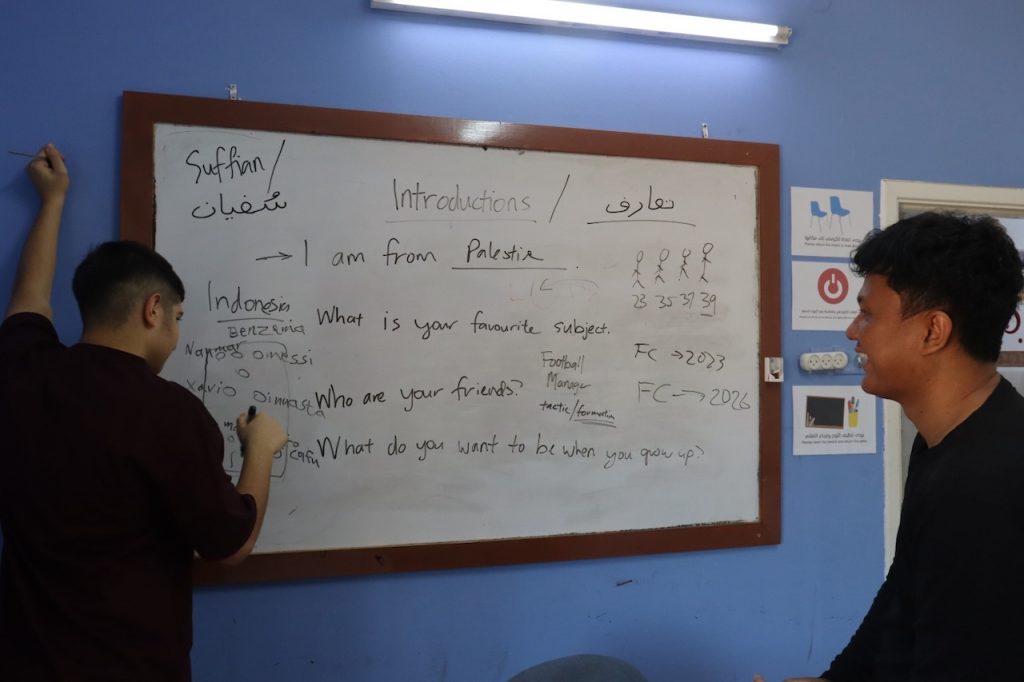
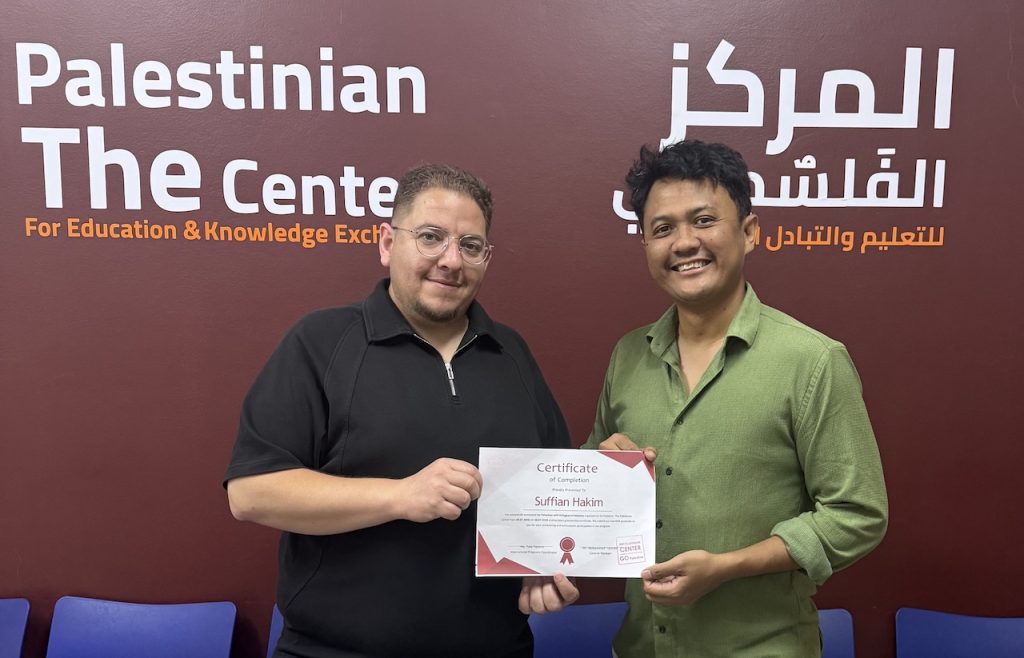
Displaced Palestinians are the ones who are stuck in refugee camps. Go Palestine works closely with the Al-Aroub Refugee Camp, located 15 kilometres south of Bethlehem.
In these situations, I would teach basic English to children. I would combine action in my lessons—I would get the boys to do football keepy-uppies, and they had to count their number of touches in English.
However, I was only able to visit it twice. On July 22, settler violence broke out in the village of Tal.
The Journalist With Nowhere To Go
Al-Aroub is a sad place. It was first established in 1949 in the wake of the Nakba—the mass displacement and dispossession of Palestinians following the 1948 Arab-Israeli War.
Al-Aroub houses Palestinians displaced from villages in the Hebron, Ramle, and Gaza regions. Its entrances are marked by Israeli military presence, with military outposts and vehicle barriers at the road into Al-Aroub. It is an urbanised concrete settlement constructed over decades by UNRWA-managed development, but this has slowed down as UNRWA faces structural funding shortages.
Paid employment is practically non-existent. I asked a Palestinian friend in Hebron, Amr, why they couldn’t get jobs in the major cities such as Hebron, Ramallah or Bethlehem.
“Those cities are already facing high unemployment,” Amr tells me in perfect English. “I have two Master’s Degrees, and I’m finding it difficult to find a job.”
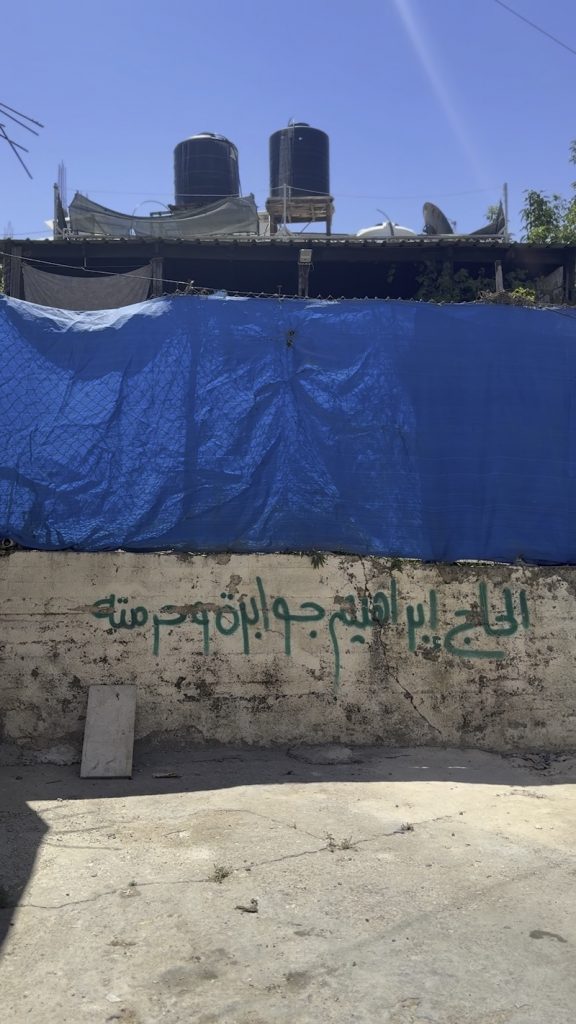
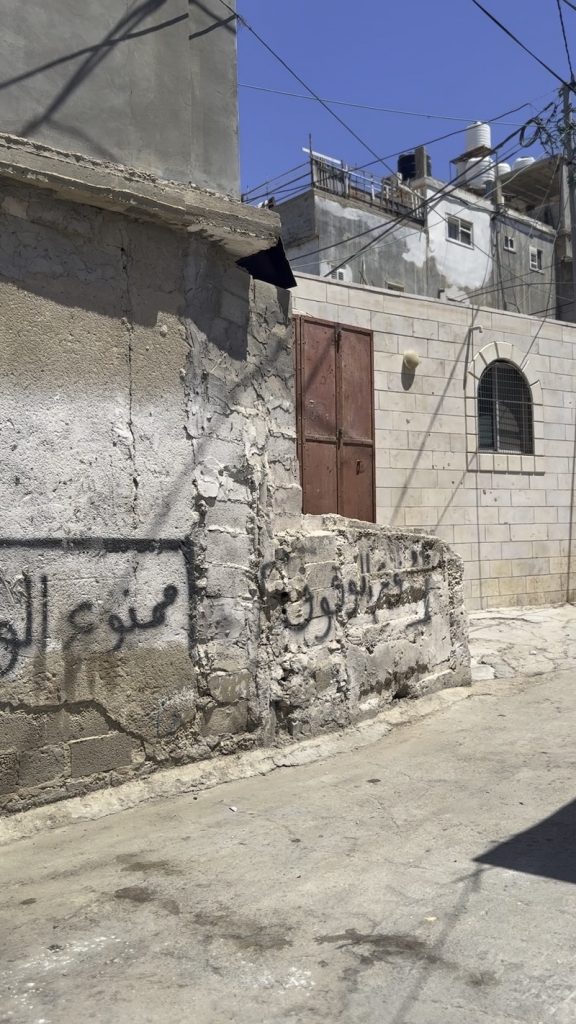
It’s in Al-Aroub that I met Mr Ra’ib, an 82-year-old man who lives there with his wife. Mr Ra’ib moved to the camp as a young man with his parents. A few years later, he managed to get a job as a sports journalist in Kuwait, where he built a career as a reporter at a national newspaper.
“I was very happy to leave the camp and write about football,” he says in a mix of English and Arabic.
Some years later, however, his father fell ill, and Mr Ra’ib returned to the camp to take care of his family. Shortly after, however, the first Intifada happened, and Israeli authorities began to limit the movement of refugees. Since then, he has been stuck in the camp, serving as an English teacher for Primary school kids, a job that pays only occasionally.
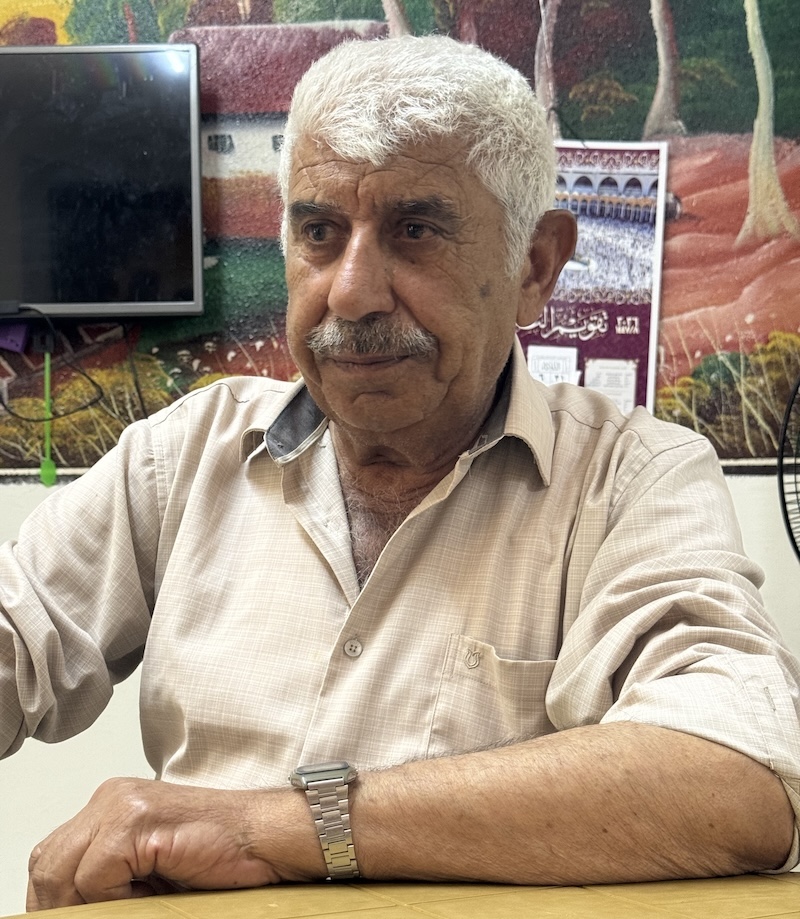
You don’t need a lot of empathy to feel the anger and frustration Mr Ra’ib feels every day. Even speaking to him now, I sensed the depth of his knowledge and his keen intellect. Despite being unable to wield it to its fullest potential, his mind never dulled.
“Tell me about Singapore,” he asked.
It’s the same question Palestinian refugees in camps often ask me. I quickly learnt that I was their only real window to the outside world—they have phones, but most of them can’t afford data.
They thirst for a reminder—any reminder—that there was a larger world out there that is beautiful and caring and peaceful that does not actively seek to suppress or kill them.
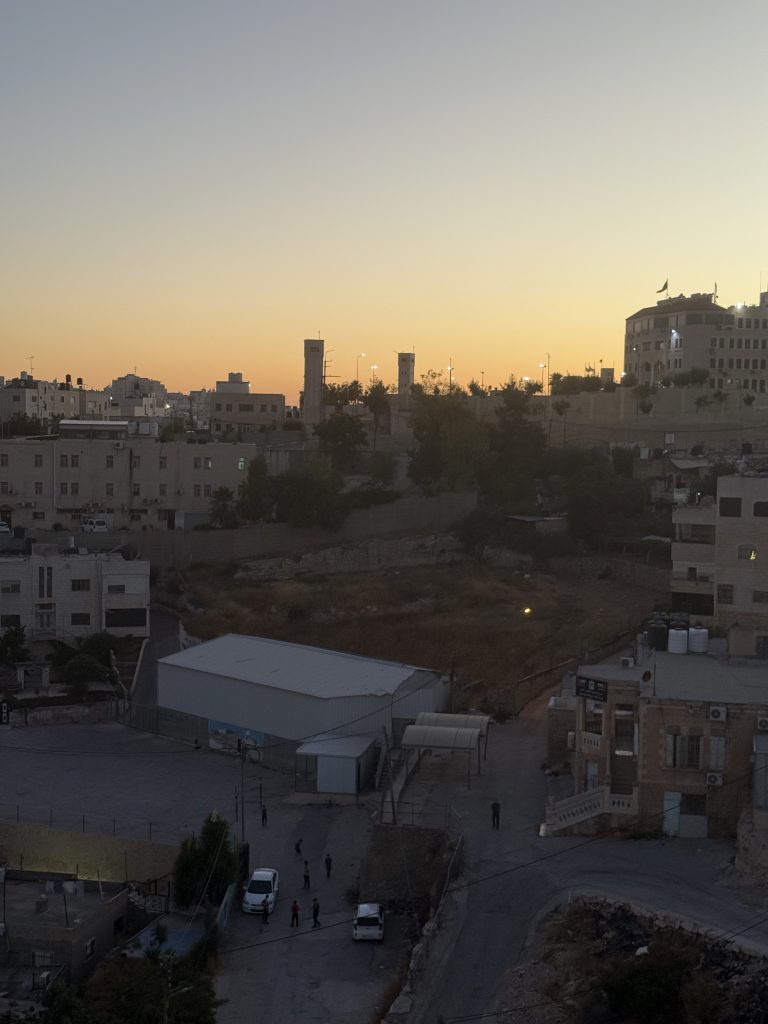
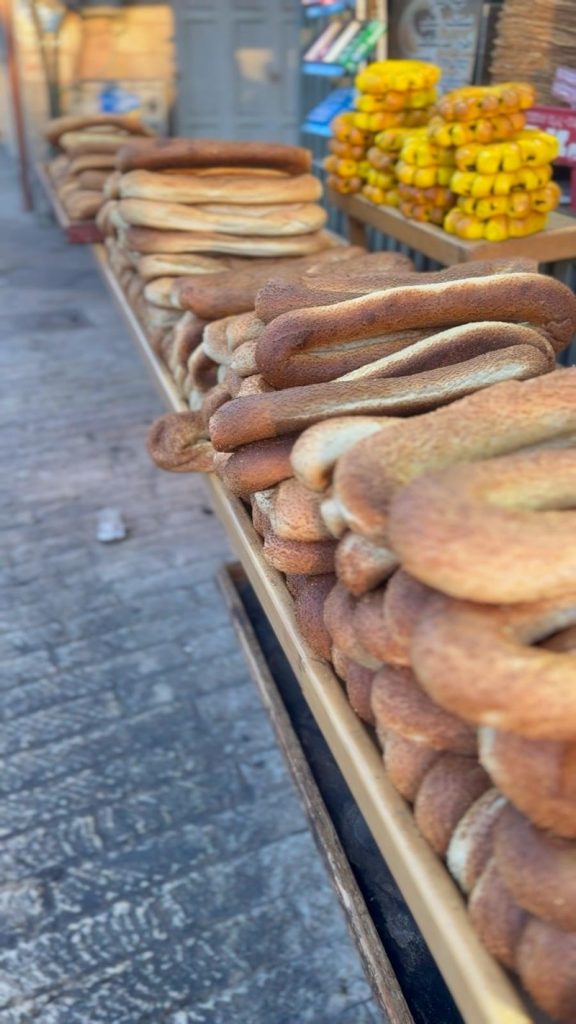
The Mezzanine of Moral Standards
After 11 nights of checkpoints, refugee camps, English lessons, Arab lessons, and endless cups of sage tea with people whose livelihoods were actively being erased, I boarded my flight back home.
The arrival in Singapore gave me major emotional whiplash.
I went from the dusty, hyper-militarised, high-tension atmosphere of the West Bank directly into the air-conditioned wonderland of carpeted terminals and pristine order of Changi Airport. The only thing weighing heavy on my mind was whether to take an MRT or a Grab car to the office (yeah, it was straight to the office from the airport, a concept my Palestinian friends would marvel at—for the wrong reasons).
My phone buzzed. It was a pop-up news notification: “British trip-hop band Massive Attack under police investigation after displaying Palestinian flag at Singapore concert.”
Within hours, the machinery of Singaporean political panic kicked into high gear. Members of the public lodged police reports. One attendee claimed to have tried reporting the incident via the SGSecure app—which supposedly crashed under the weight of the moral emergency.
Then, according to a statement by Massive Attack on their social media accounts, the band members were detained, isolated, and interrogated separately by police, with hotel rooms searched and passports temporarily confiscated.
Among those present at the Massive Attack concert was visual artist and performer Rizman Putra.
“When the Palestinian flag went up, I didn’t see a political gesture. I saw an act of remembrance. For a few minutes, music did what politics so often fails to do: it made thousands of people stop, feel and acknowledge the humanity of others,” he says.
“That’s the power of art. It doesn’t tell us what to think; it asks us not to stop feeling.”
Rizman also noted an uneasy silence among some in the crowd as the band members chanted, “Free Palestine!” He said, “It felt like some people were uncomfortable after the chant was heard, like somebody said, ‘Fuck you!’ in a classroom.”
It’s worth noting that Guns N’ Roses digitally displayed the Ukraine flag with the accompanying words “Slava Ukraini” (Glory to Ukraine) while singing an anti-war anthem when they performed in the National Stadium in 2022. This, despite the fact that IMDA regulations stipulate that there shall be no display of flags in support of any causes.
Guns N’ Roses are, in fact, returning to Singapore for a concert in November.
Look, I understand why the authorities acted as they did. Public reports were made; action had to be taken. Even as a Singaporean writing this, I feel the instinctual, conditioned fear of importing foreign politics or breaching local laws.
But given what it calls for, given how so many Singaporeans feel about the issue, given the aural majesty of ‘Teardrop’ and ‘Unfinished Sympathy’, given everything I’ve just seen in Palestine, the ban, in response to what is essentially a call for peace, is disheartening.
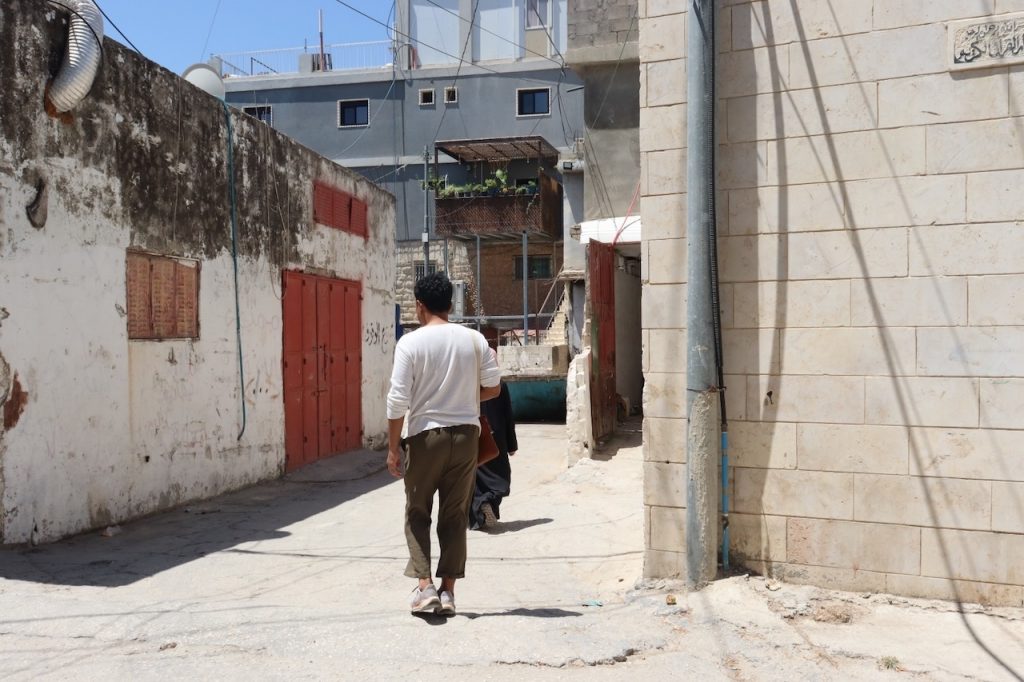
What Palestinians Think of War
As with these things, I must end with the necessary caveats: I am severely against this Likud-led Israeli government, but I am not anti-Israeli. I have met some truly wonderful Israelis who oppose the war and the cruelty that the Palestinians have been subjected to. We saw this in the Tel Aviv protests of July 28.
I can condemn October 7 as a horrific act of violence, but also recognise how it pales in comparison to the abject destruction of Gaza and the over 21,000 Palestinian children killed since 2023, as well as the intensifying settler violence in the West Bank. Not to mention the atrocities in Lebanon.
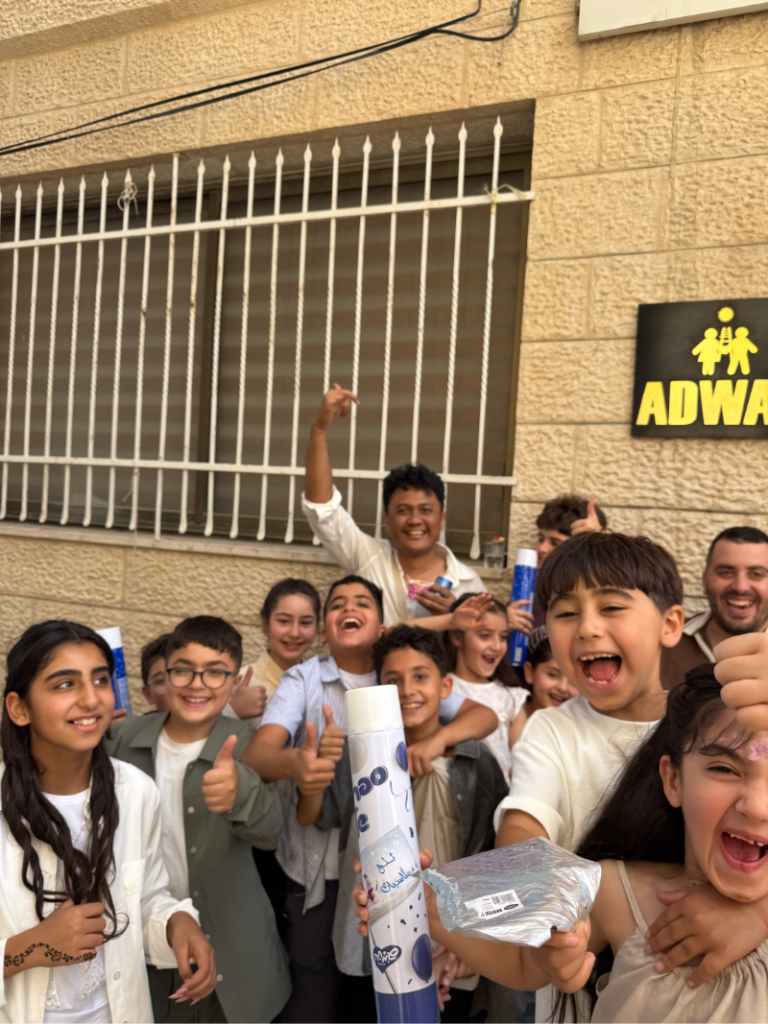
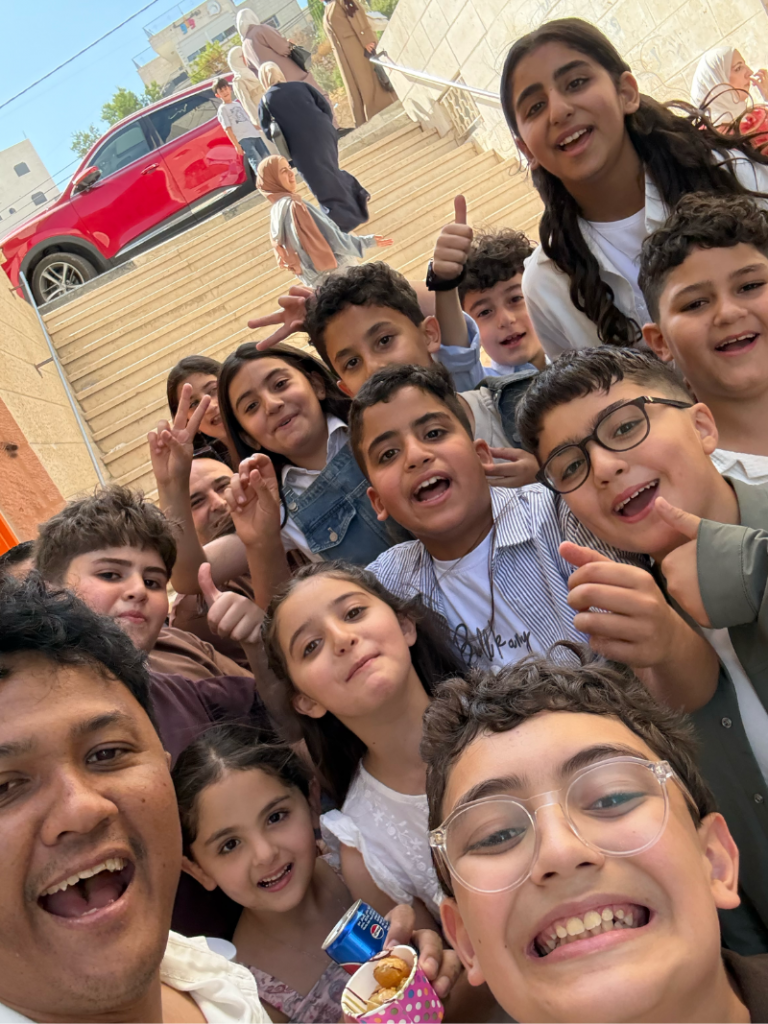
When I speak to Palestinians about war, there is a specific brand of anti-war sentiment among them.
Perhaps it can be best summed up as this: No matter what the other side does, do not let the spirit of war enter you. Most of us cannot contain it. War mutates, and it mutates us. War is an unbridled monster, with an unquenchable thirst.
It grows beyond the reasons that we tell ourselves necessitated it; it invades places that it was never supposed to enter. A child’s playroom, a school, a lover’s bed, places of healing, places of worship.
Every time we choose to silence calls for peace in Palestine—or anywhere for that matter—we allow this already monstrous conflict to mutate just a bit more. The time will come when we will regret the things we did, or didn’t do.
I won’t be so naïve as to say peace comes easily. Like the architecture of Mezzanine, we exist on these awkward half-floors—suspended between the overwhelming gravity of what is happening over there and a suffocating inertia back home, where we are expected to censor our empathy for some just to protect the comfort of others.
One of my favourite songs from the Mezzanine is ‘Risingson’. It has one of my favourite lines in trip-hop: “Toy-like people make me boy-like.” A thinking, intelligent individual is infantilised, reduced to a passive, compliant consumer in the name of a polished, orderly status quo that ignores the world outside of itself.
I don’t need to travel to a warzone to tell you that I don’t want that to happen to me, or to you.