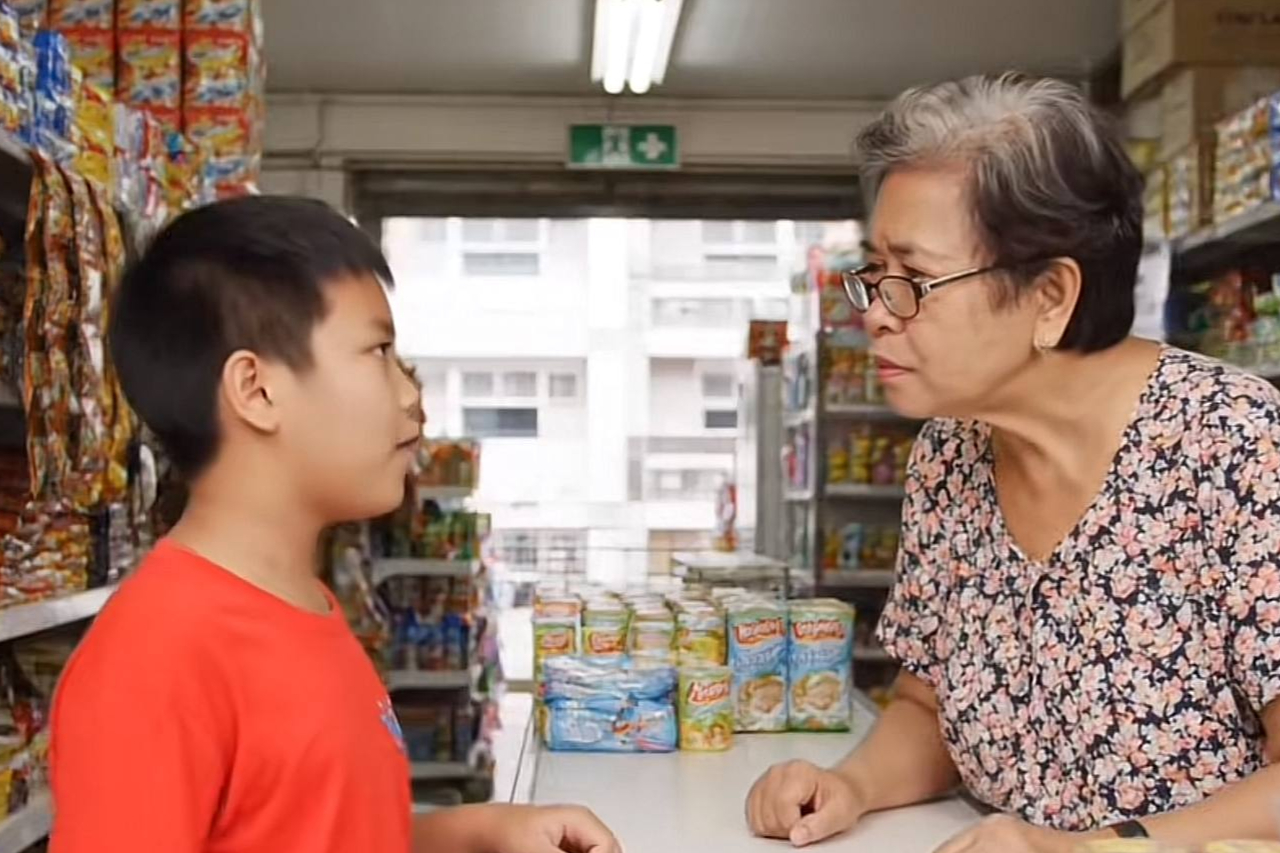
Top image: TikTok Screengrab / @Kwantzyy
The video I’m watching is bizarre, to say the least.
Bigfoot is cracking open a durian at a roadside stall in Singapore, sweat glistening on his shaggy fur as he fumbles with the spikes. He manages to split it open with surprising finesse before blurting, in oddly accented Singlish: “Eh bro, who drop bomb inside this fruit ah?” Then he dives in, devouring the fruit with unnerving enthusiasm.
There’s a new brand of Artificial Intelligence (AI) slop populating social media, which features nonsensical scenarios with a distinctly Singaporean twist. This video is a product of this peculiar genre.
And Singaporeans seem to be eating this stuff up. One viral video featuring a child buying a pack of cigarettes from a provision shop has over 1.2 million views.
Another of an otter interviewing a kiasu auntie has over 835,000 views. There are TikTok accounts such as @edumemesg, which is dedicated to making fun of various Singaporean student co-curricular activities, from girl guides to volleyball.
Other accounts pump out reactions to local happenings, like the recent sinkhole in Tanjong Katong.
It would be easy to dismiss these videos as just another wave of internet nonsense. But even if it’s all just silly TikTok brainrot, the reality is that there are Singaporeans out there finding this stuff funny and engaging with it. Some are even taking it upon themselves to create more of it. That, to me, is concerning.
Do we really have such a low bar for humour? And are we normalising lazy content creation?
What We’re Laughing At
Fine, I’ve chuckled at some of these videos.
Some videos are truly pure nonsense, like the one where Ah Meng (yes, Singapore’s iconic orangutan) complains about zoo life in Singlish. But I think part of why these videos go viral is because they’re entertaining in a low-stakes, brainless way. The Singlish is broken. The random Hokkien swear words that the AI characters spew are delightfully crass.
The punchlines are so clumsy that they are sometimes inadvertently funny. It’s absurdity for absurdity’s sake.
There are, however, some AI meme videos which reveal something a little darker once you look past the absurdity.
We see Singaporean tropes and stereotypes amplified in these videos: The financial advisor with a hidden agenda, the ‘lazy’ homeless man, the gangster spoiling for a fight with anyone who dares look their way. Some videos also have racist and fatphobic themes.
In a way, I’m not entirely surprised that the person who thinks a fat woman is a funny punchline is also the same person who would run an AI meme account.
The problem is that it genuinely doesn’t take too much effort to pull up an AI engine, type in a prompt, and generate a video full of cheap shots and caricatures. The way I see it, all these tropes work because they tap into prejudices already embedded in our culture. They’re convenient punchlines for people incapable of actual, nuanced humour.
When Slop Becomes Culture
AI slop is not just confined to obscure meme accounts. It’s creeping into the mainstream. Online content simultaneously reflects and shapes the landscape we occupy, after all.
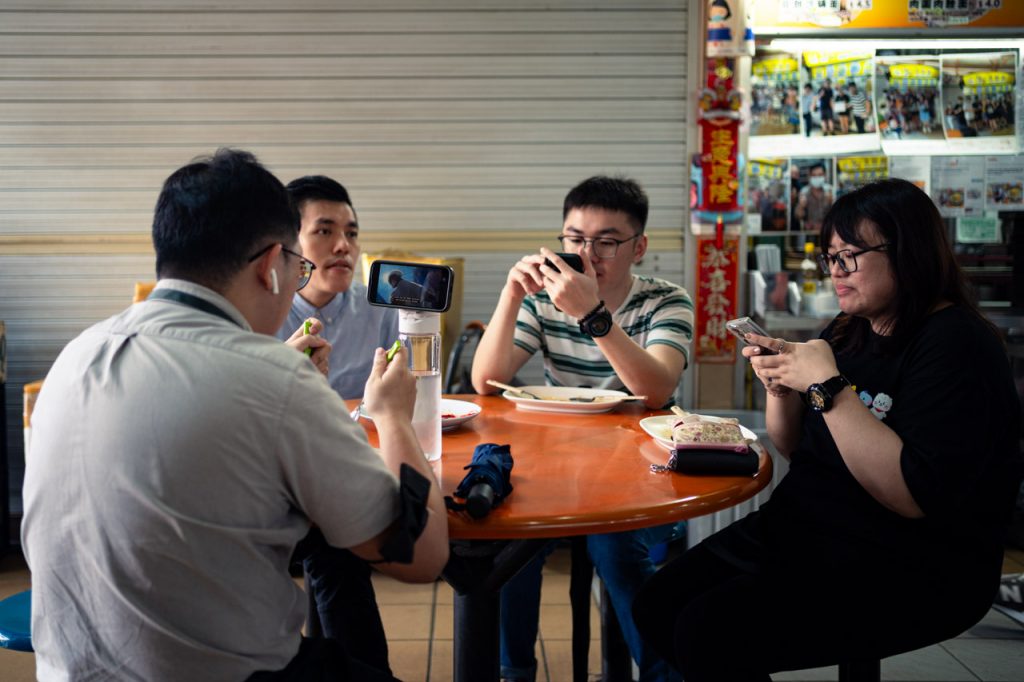
Right now, we’re seeing AI permeate throughout the creative industry. Companies with the resources to hire real-life creatives are instead opting for AI-generated advertisements.
Singaporean filmmaker Jack Neo, too, has hopped on the bandwagon, posting a disconcerting AI-generated SG60 music video featuring an AI Lee Kuan Yew.
The lack of resources is not the issue here, clearly. The real issue is the legitimisation of AI as a creative shortcut. When we treat AI content as just harmless fun, we’re also indirectly signalling that we’re okay with consuming this low-effort drivel.
In reality, if we actually care about our creative industry, we ought to be asking more of our content creators, whether they’re making memes or ads.
The Attention Economy
Perhaps the real question isn’t whether the memes are funny. It’s what our appetite for them says about us.

AI meme videos might be mindless entertainment. But they’re also a mirror. And right now, what they reflect is a culture too comfortable with cheap laughs and low-effort content.
After all, attention is now the hottest commodity. When we reward content that takes the least effort to produce with our attention, we’re also sidelining the content creators who are actually doing something original.