

All images by Darren Satria and Yee Jia Ying for RICE Media
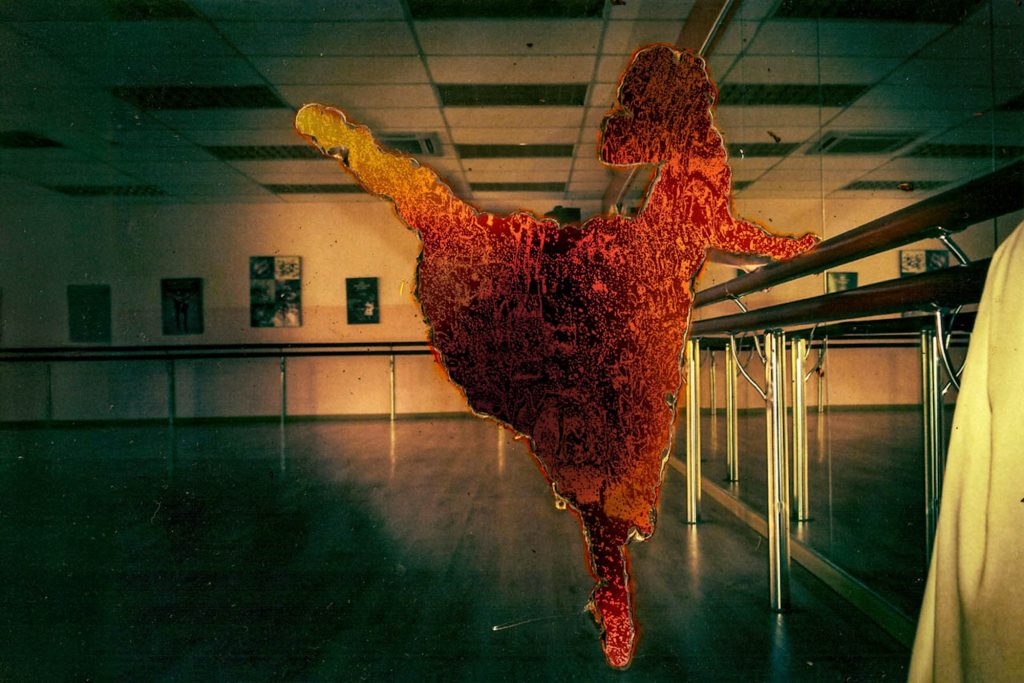
At 4 years old, I took ballet classes.
At 6 years old, I took piano lessons.
At 7 years old, I did horseback riding in Cambodia. I remember how I was barely holding on to the saddle as my trainer shouted instructions I barely understood.
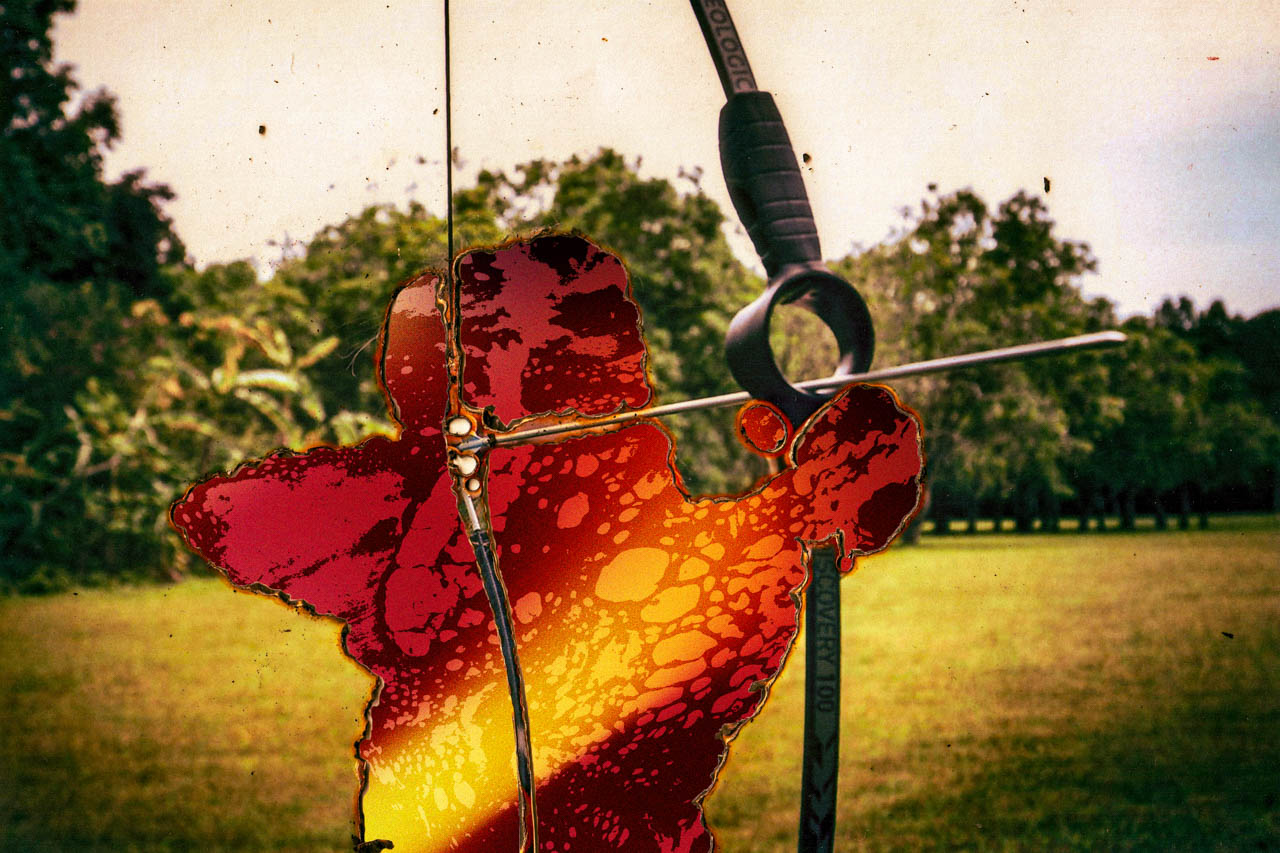
At 8, I was taught precision, aiming at targets on an archery range.
At 9, survival—learning to swim among shouting kids at the condo pool.
At 10, I was rock climbing. I remember clipping into a harness with my chalked palms, getting ready to ascend a 15-metre-tall rock wall in Malaysia, pretending that heights didn’t scare me.
At 11, I learned sailing every Friday at Changi Sailing Club.
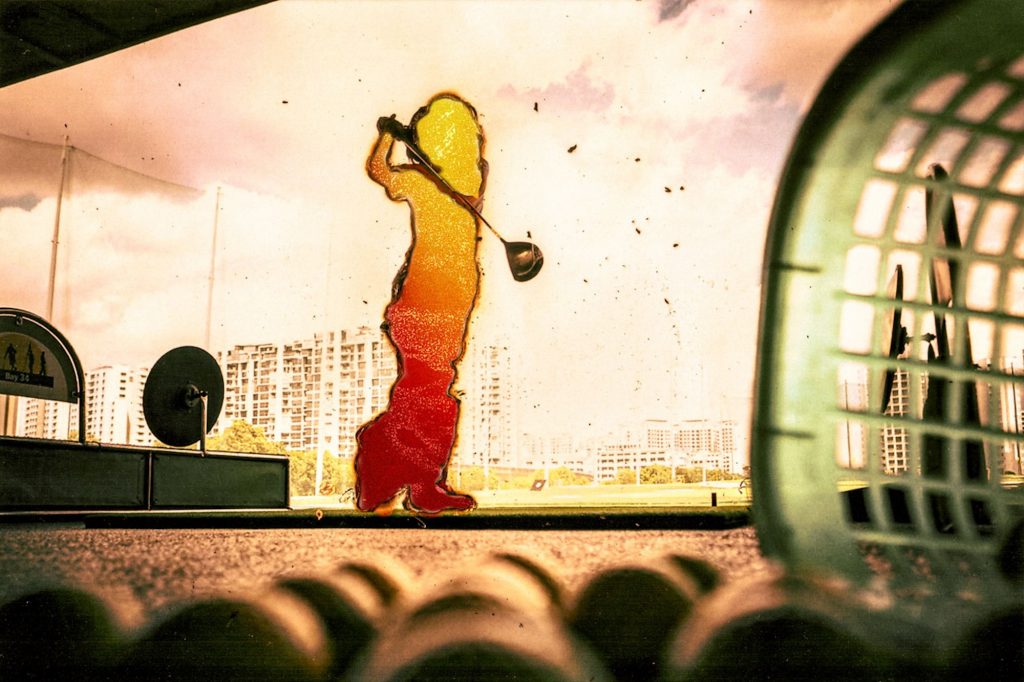
At 12, I learned to golf every Saturday at Marina Bay Golf Course.
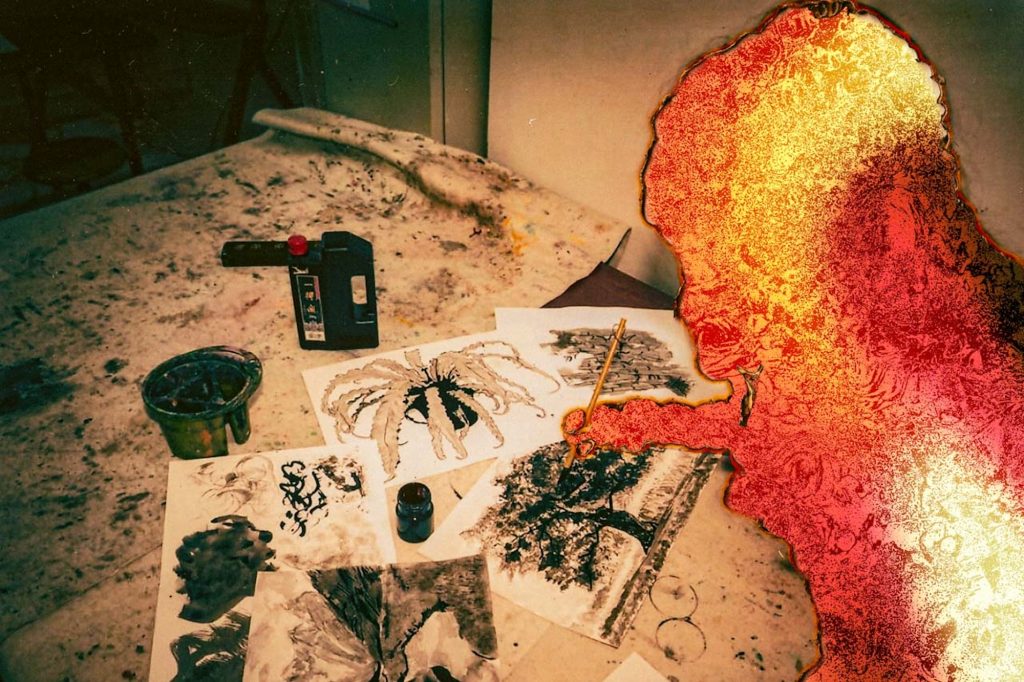
At 13, I was taking art lessons. There were many mornings when I was dragging a portfolio bag bigger than I was from a car park in Bugis to my class, sweating and exhausted before the lesson even started.
It is 2025, and I just turned 20. I’m currently in my first-ever internship at RICE. It was only when I recited every single extracurricular activity of my childhood to my older colleagues over lunch that I realised how I was a pretty privileged kid—and also how it was all probably too much for a kid to handle.
For a long time, I thought what I had was a normal Singaporean childhood. But now I know, it is not.
It sounds like a dream to have parents who actively supported whatever interest I might have—just to try everything under the sun and see what clicked. I suppose I’m lucky that way, and I acknowledge that so many others don’t have the opportunities I did.
What I didn’t have, though, was space. I felt like I never had the chance to just… be. In a childhood running on a packed schedule, there was no time to be bored, to wander, or to make my own decisions. And now, as I exit my teenage years, I’m realising how much that kind of freedom actually matters growing up.
That’s the part that feels bigger than my own experiences. In Singapore, it’s a blueprint many families of means follow automatically in the name of giving children a head start in life. This story isn’t about blaming my parents; it’s about the impact of a childhood ruled by heavy expectations of greatness.
My parents called it “enrichment lessons to build potential”. I call it a childhood spent trying to earn the feeling that I was enough—and the reason I grew into an adult paralysed by the fear of failing.
An Over-scheduled Childhood
By the time I graduated from primary school, I felt like I had already done everything. Ballet, piano, abacus, swimming, rock climbing, archery, horse riding, and golfing. If it fit into my schedule, my parents signed me up.
Most mornings, I chose sleep over breakfast, though sometimes I’d grab something to go as I stumbled out the door for lessons. Because sleep was the only time my mind could get a break.

Let me paint a picture of my schedule from age six to eleven. Every Thursday, piano lessons were a weekly constant. I’d walk from school holding my music sheets and snacks, my fingers sticky from the freshly cut fruits my mother packed.
After that, it was straight to four hours of tuition, which lasted till 9:30 PM, then a quiet walk home with a growling stomach. I would step into the house past 10 PM, my eyes tired, fingers aching from rehearsing for a piano exam or from hours of learning and absorbing whatever I could.
Weekends weren’t much different; I’d wake up at 8 AM, drag myself out of bed, and head to my art lessons.
To be fair, the Saturday art classes were always the highlights of my week. Those classes were where I could freely express myself without worrying whether I was “good”. I would paint and draw however I liked, and I did.
But other classes, like horseback riding and swimming, which I had no interest in, left me frustrated, tired, dizzy, and terrified. Still, I went.
Whenever I seemed close to giving up, my parents would always respond with this line:
“When I was younger, I had no money or opportunity to learn any of this. Sending you to all these classes is my way of living my childhood dream through you.”
Liking a class became proof to my parents that I should continue. For the ones I didn’t enjoy, protesting never felt like an option. Saying no felt impossible; the guilt was that if I were to give up, I would also have given up on myself and their childhood dreams. The more I replayed what they said in my head, the more pressure I felt to live up to it.
But I’m thankful for my parents—I genuinely appreciate their intent. They grew up with almost nothing, and wanting to give their only child what they never had was touching.
My dad works as a co-director in a local company, and my mum is an accountant in a company she practically built herself. These enrichment classes weren’t cheap; I knew how much time, money, and effort went into getting me through them.
I never resented my mum and dad.
This was their first time being parents. The only sources of reference they had were their friends and relatives, whose children had also been through the same number of classes (or even more) as I had.
But the weight of expectations was always there. Every “Good job” or “You did great today” eventually felt hollow because deep down I knew I wasn’t performing for myself. I was looking for reassurance from people I loved. I was a child chasing a standard that felt impossible to satisfy—a bar I never questioned.
That is, until much later, when the cracks were starting to show.
Self-doubts and Burnouts
By the time I reached Primary 6, something changed. After years of moving from class to class and doing whatever I was told, learning stopped feeling like learning.
I wasn’t curious anymore. I was just scared of falling behind, of disappointing someone, of wasting everything that had been invested in me. I remember sitting at my desk, a worksheet before me, feeling nothing but the weight of the workload.
I was tired in a way that sleep couldn’t fix. Encouragement from teachers or friends provided no comfort.
When I failed at something, laughing it off became easier than dealing with the emotions. When I succeeded at something, praise became a strange reminder that I was supposed to keep performing—for others, not myself. Half the time, my mind felt blank, but my body kept following instructions anyway.
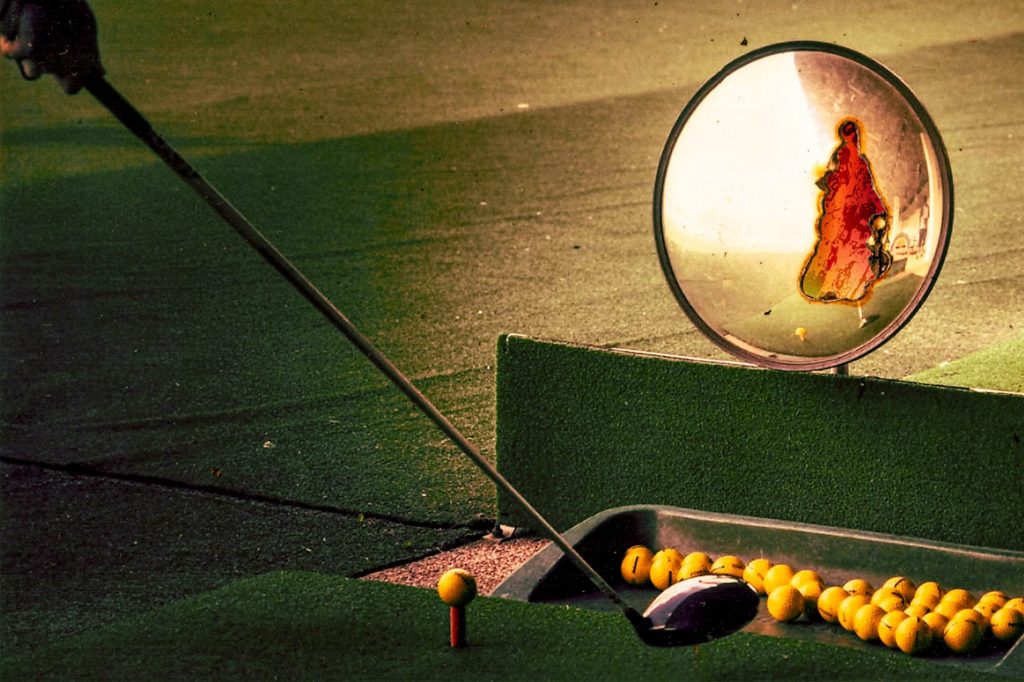
Slowly, I stopped trying. I skipped enrichment classes and pretended to study hard. My teachers began to notice my grades slipping, and some even told me I was going to fail my PSLE. Hearing it wasn’t shocking—it only confirmed what I already saw myself as: A disappointment.
The thought of not being good enough became so familiar that it didn’t even sting anymore. I started avoiding anything that required effort. When I couldn’t verbalise how all those enrichment lessons were taking a serious toll, failing felt like the only way to signal it.
I scraped by PSLE to get into a decent secondary school, but that feeling still followed me. I coasted for almost two years, convinced that trying anything was pointless. But eventually I realised that if I didn’t pick myself up, I wouldn’t even make it to graduation, let alone pass it.
That fear of failing myself pushed me to finally take things into my own hands.
So I asked for tuition in almost every subject in exchange for dropping most of my enrichment classes. I needed to know I could still rebuild myself after spending so many years running on empty.

I made it to an art school afterwards. Somewhere along the way, I figured that creating art has always been the one constant. It was the subject that gave me the freedom to explore, to play, and to experiment with materials in a way I had always craved as a child.
But even in classes I enjoyed, like art or theatre, a part of me was still wondering whether I was good enough. Every interest made me feel like I was putting on a show for everyone.
Over time, the mental impressions began to emerge. Too much freedom felt uncomfortable. Rest and inactivity felt like failure. Even now, I catch myself hunting for structure, external validation or just something to do.
Which, I guess, is the part of over-enrichment that people don’t see: the feeling that you need to be prepared and have a plan for the next thing, even when there isn’t one.
Adaptation and the Costs After
I wouldn’t say it’s all that bad. I’ve learned to adapt quickly, respond swiftly, and keep going even when things get messy or complicated. Once I start something, I don’t drop it. I’ll find a way to make it work, even if it means stretching myself thin or forgoing sleep to get things done.
Somewhere along the way, I started seeing these traits as proof that the whole “over-enrichment” idea somehow worked.
In some ways, it did. But at what cost?
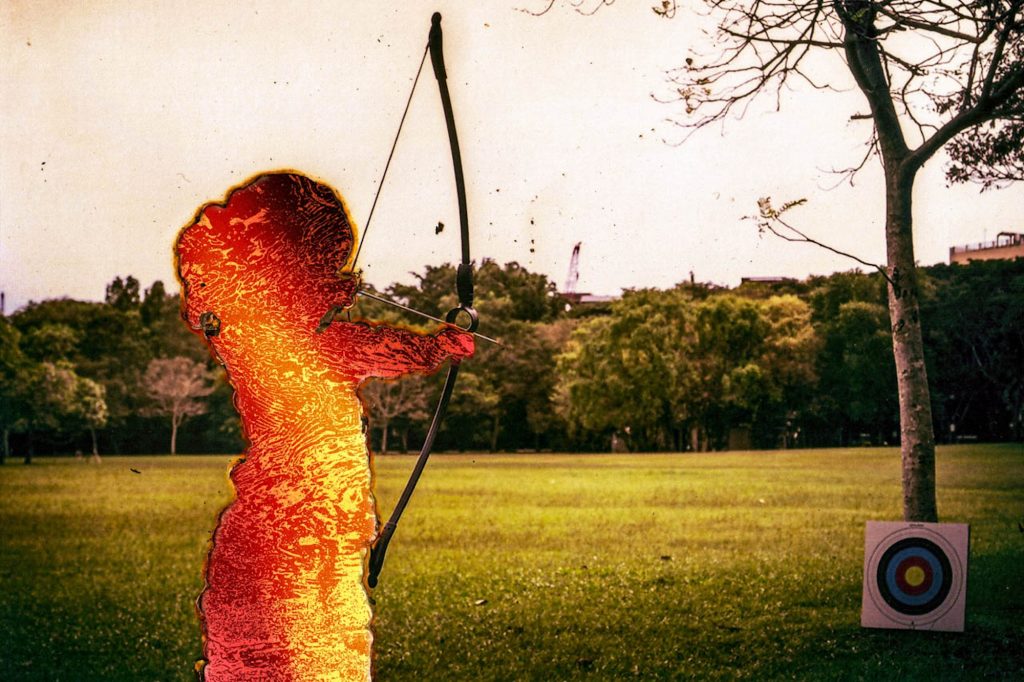
These days, I still take on more than I can realistically handle. I literally pass out from exhaustion. I often find myself in positions I just take on because I assume I would be too free. I’m juggling too many things at once, to the point that an empty schedule feels even more stressful than having activities planned.
I work fast, I learn fast, but I also burn out fast… and half the time I don’t even notice until someone points it out.
In hindsight, the toll wasn’t just emotional; it was physical. It’s like my body remembers and feels the stress I grew up with. I never realised how far I push myself until moments my body forces me to stop. I black out before major school assessments or decisions in my life, and vomit from stress because my mind runs faster than my body can function.
These were not just one-off, overdramatic events; they were signs that I was taking on too much. Even now, when I feel my body shut down, a small part of me argues that rest is for the weak. Which is a notion I’m still trying to unlearn.
The Shape of a Singaporean Childhood
Now that I’m older, I am more willing to have deeper conversations with my parents, especially my mum, who’s starting to see how it all shaped me.
She doesn’t exactly regret sending me to all those enrichment classes, but she regrets not giving me the space to voice how I really felt or to slow down when I needed to. She admits she put unnecessary pressure on me without realising how much I was struggling.
Honestly, I don’t blame her. How would she have known?
Ultimately, no matter what my parents put me through, I don’t entirely blame or hate them for it. Again, I’m lucky to have had all those opportunities. Deep down, I know they were trying to give me every possible head start and options in life, even if it might have been a tad excessive. They were both probably acting out of fear when people around them did the same.
Their anxiety became my operating system. Their instinct to preempt every failure meant I never learned to sit with it comfortably. Their hunger to expose me to every skill meant I never learned to be at peace with one speciality. Their hopes and dreams for me to stand out made me deathly afraid of blending in and being average.

It feels like a big part of Singaporean parenting is that kiasu-ness breeds the fear that kids will ‘lose out’—even when they’re barely keeping up or have too much to handle. It’s only now, looking back, that I can see how much of me was shaped by that system.
Like many Singaporean parents, past or present, they’re just trying to protect their children from an unforgiving, uncaring system built on the foundations of brutal meritocracy. Even the millennial parents of today sign their kids up for everything, sometimes overwhelming their schedules (tuition, dance classes, sports, etc.) out of fear of missing out.
The more parents try to cushion their kids’ futures, the more they hardwire children to equate love with performance and busyness with safety.
When I see cousins, neighbours, and kids running around tuition and enrichment centres on both weekends and weekdays, it somehow feels as if the cycle hasn’t changed much. Some of them seem younger than I was when I first started—they’re already juggling robotics classes, coding, music, sports, and an endless array of subject-based classes even before they start primary school.
I worry that eventually they will adopt the same mindsets I did.
If I could say anything to them now, it would be this: Your worth doesn’t have to be decided this young. The harder question is why we’ve normalised a system where children already feel it has to be.