Sean Lim, 27, is an Associate Psychologist with a penchant for buying little treats—and he’s gotten pretty good at justifying them.
In this RICE Community Voices piece, he argues that Gen Z’s small indulgences are how a generation locks in when everything else is out of their hands.
Top image: RICE file photo
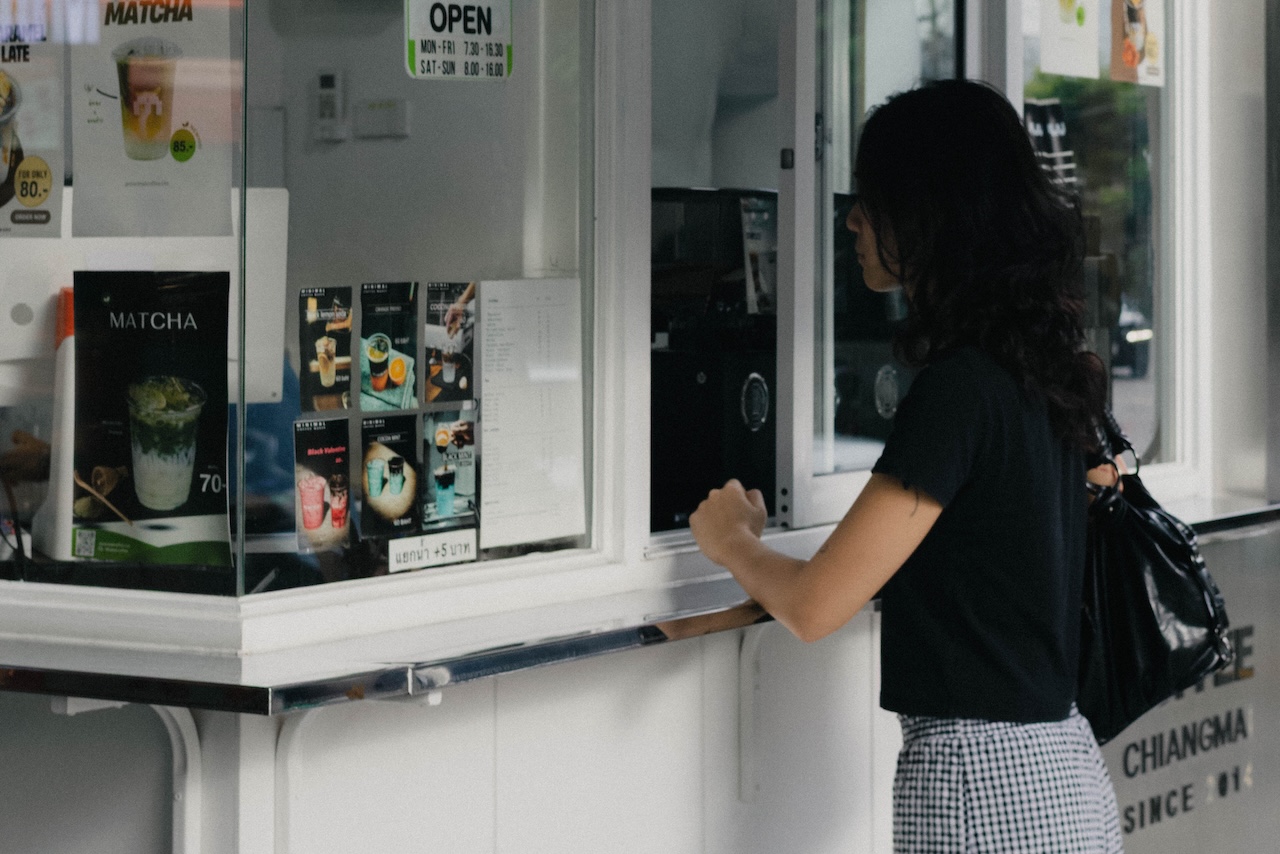
The vintage store I walk into is a cosy spot tucked into the shell of an old building, filled with racks of secondhand denim and shelves of colourful knick-knacks. At the back of the shop, a tiny matcha counter draws a queue—I barely notice the bustle. Indie music hums softly in the background as I join the line.
The barista scoops bright green matcha powder into a bowl, adds cold milk, then whisks everything until it blooms into a soft layer of foam. The jade-green concoction is poured onto a waiting cup of cloud-white milk.
The cup is in my hands now. The straw slips through the creamy layers, and I stir, watching the colours spill into each other like streaks of watercolour. With every turn, ice cubes knock gently against the cold cup.
I take a sip. For a brief moment, I forget the hellish week I’ve had at work.
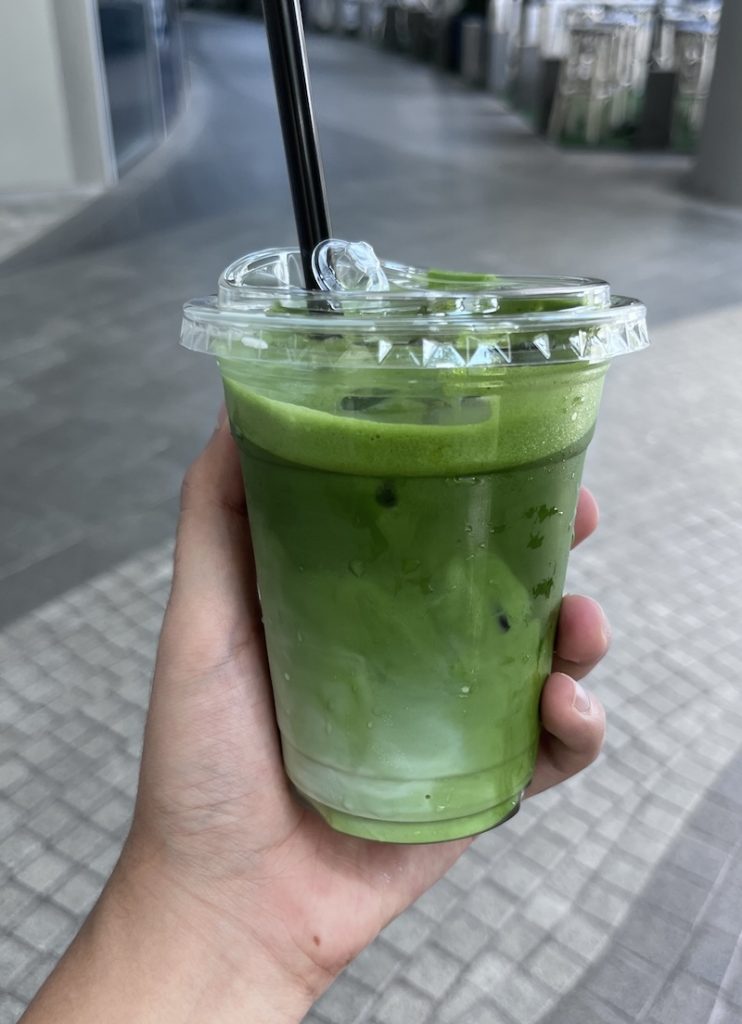
This little treat cost me $8. I know, $8 for green tea and milk sounds ridiculous, especially as a freshly minted working adult with bills to pay and a long future to worry about.
I can almost hear my parents shaking their heads: Gen Zs, always so frivolous with their spending. $8 is a proper lunch at the office or five MRT rides.
And yet, every Saturday, I find myself drawn back to the same little ritual. Financially, it’s hard to justify. Psychologically, though, I know why I keep coming back.
Fixed Futures
Gen Zs are often described as impulsive and impatient. We easily spend on things like squishies, blind boxes, and anything we come across on TikTok Shop. Staying in one job for more than a year feels too long.
On the surface, the stereotype fits. But I think that misses the larger story—a story of a Singaporean dream that no longer applies.
We grew up with a simple principle: work hard first, enjoy yourself later. My parents had several variations of the same thing. Sow the seeds now and reap the fruits later. 先苦后甜 (bitter first, sweet later). Much of my life—and the lives of so many fellow Singaporeans—has been built around that promise.
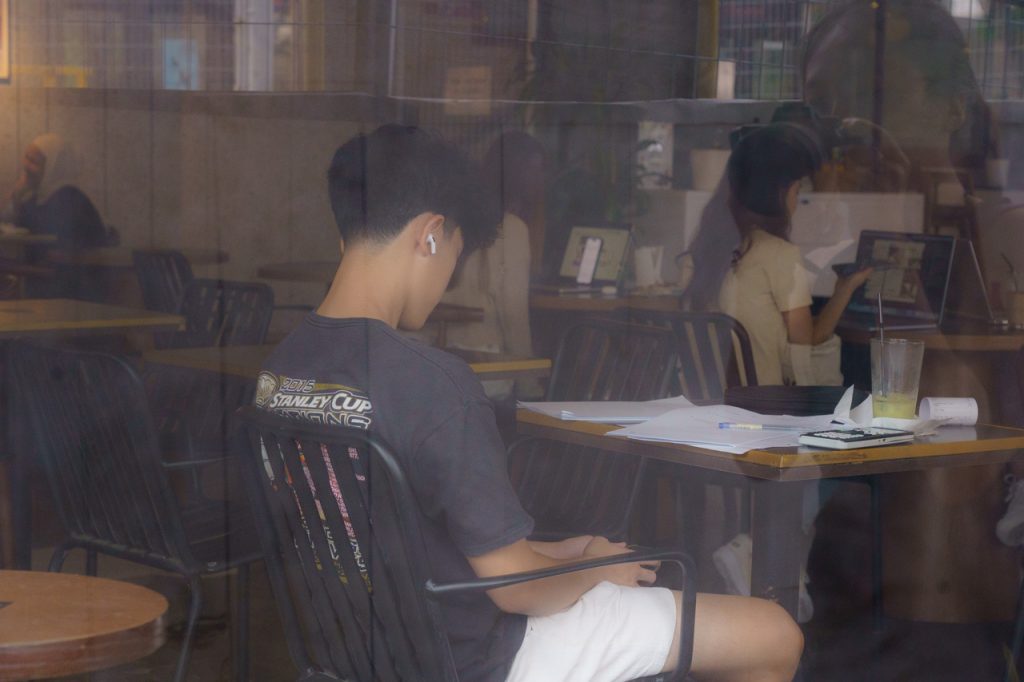
It started in my formative years. School in the morning, tuition, remedial lessons, and enrichment classes in the afternoon, followed by homework and revision at night. All of it served one goal: get good grades and make it into junior college.
After O-Levels, I chose polytechnic over JC because, honestly, I was done with the whole academic grind. I thought I could ease up for a while, study something I actually liked, and maybe have a life outside of school. That sounded like a pretty reasonable plan.
Except that if I wanted to get into a good university, I needed good grades. Really good grades. And even that wasn’t enough. I also needed a strong portfolio, relevant experiences, and a convincing answer to the question, “So, what makes you special?”
It’s a tall order for a teenager whose main pastime was, well, studying. Turns out, I hadn’t escaped the grind. I’d just found a new version of it.
I worked hard, and it paid off. I made it to one of the Big Three universities. I still remember the look on my relatives’ faces, a mix of pride and disbelief. Apparently, getting into NUS as a poly graduate was something of a statistical anomaly. My future was set, they said.
For a little while, I believed them. I even revelled in it.
The Waiting Room
Then university began, and slowly, the certainty started to unravel. My friends and I heard horror stories of entire industries shrinking overnight and graduates struggling to find jobs. Blame it on AI, blame it on geopolitics.
The numbers back this up. In the first quarter of 2026, job vacancies plummeted. The share of graduates unable to secure permanent work within six months of graduation rose from 7.1 percent in 2023, to 8.8 percent in 2024, to 11.1 percent in 2025.
And as the job market tightened, internships stopped being a nice-to-have and became a requirement. Employers want graduates who are already experienced and industry-ready, turning the entry-level job into a “third-year job.”
A degree was no longer enough. We had to prove we were employable, too. So we did more. I studied for eight hours a day, then spent my “breaks” doing internships. There was always something else to do to make myself a little more employable.
I eventually graduated with First Class Honours and completed six internships. That was enough, thankfully, to convince the job market I was employable, and I landed my dream role as an Associate Psychologist.
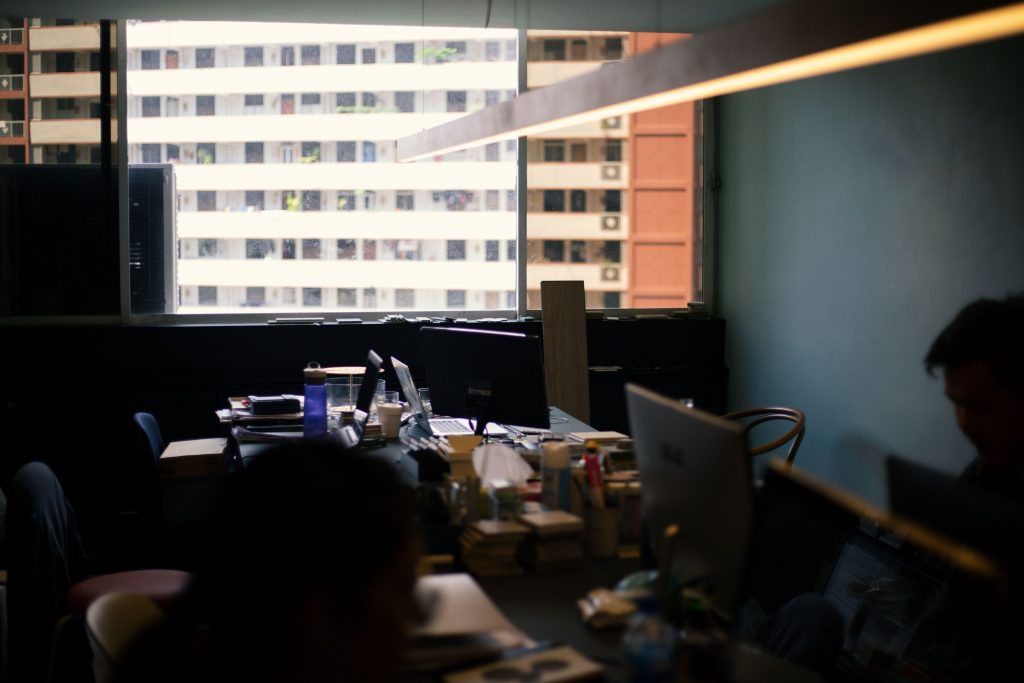
I was ridiculously happy just to be employed. I thought I’d finally reached adulthood—surely, I could start living now.
Except adulthood, it turns out, is just another stage of preparation. To become a clinical psychologist, I still need work experience and postgraduate clinical training. To get through the door of grad school, I have to prove myself all over again.
In Singapore, hundreds can compete for just a few dozen spots in clinical psychology programmes. Like me, they’ve spent years padding their CVs. The things that once made me stand out have become the baseline.
For those who don’t need a postgraduate degree, there’s still no guarantee of stability. We’re told to adjust our salary expectations, even though the cost of living keeps climbing. Retrenchments surged to a three-year high, with degree holders bearing the brunt. AI looms over the workforce, raising fresh questions about which jobs—or even industries—will still exist in a few years. The goal is no longer simply to get a job, but to remain employable.
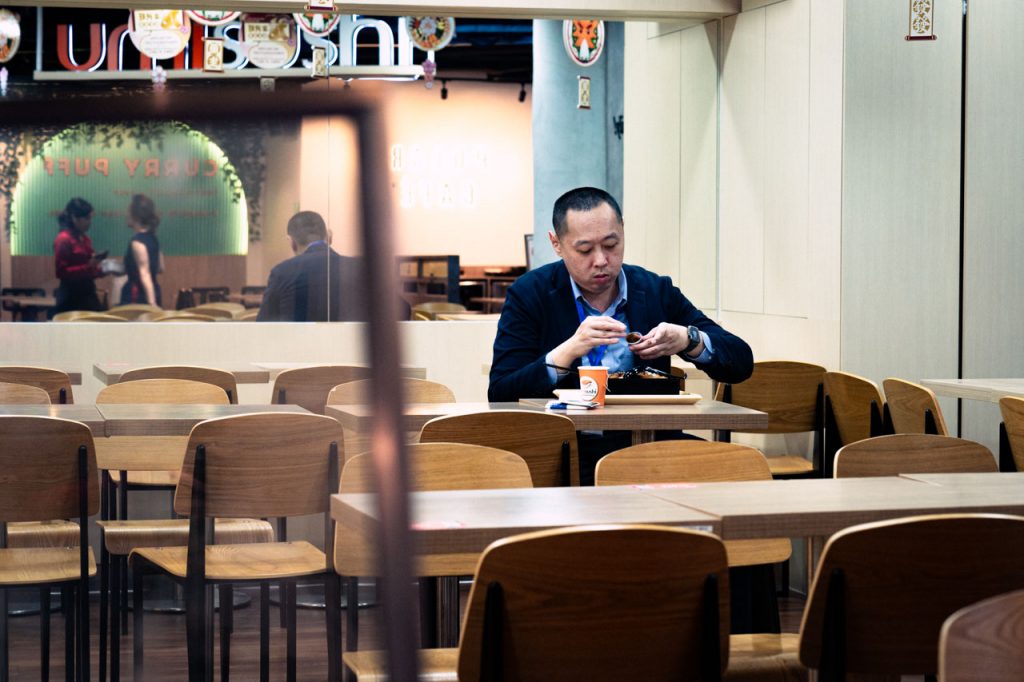
And even for those who do manage that, we’re left wondering: when can we afford a place of our own? Resale prices have risen by roughly 55 percent since the start of 2020. A four-room flat in Tampines now has a median resale price of around $820,000. In Ang Mo Kio, it’s over $1 million for a five-room flat.
Sometimes I look at everything I’ve achieved and think: am I there yet? I know I’m incredibly fortunate. I’m grateful for my education, and I really love working in psychology. By any reasonable measure, I’m doing well.
But I think two things can be true at once: we can be grateful for where we are and still feel stuck in limbo. I’m not asking for an extravagant life. Just ordinary markers of a Singaporean adulthood: a stable career and a decent home.
With the way things are these days, both feel out of reach. Somehow, at 27, I’m still sitting in the waiting room.

What We’re Actually Buying
Maybe that’s why the pricey matcha matters. It gives me something adulthood rarely does: a decision that is entirely mine to make.
I can’t control when I’ll achieve career stability or finally have a home of my own. I can put in the work and do my part, but the bigger decisions aren’t fully mine to make—if I can even make one at all.
I know the weekly cups of matcha won’t change that. But for a few minutes, I get to choose. In a life full of uncertainty, that tiny sense of agency feels worth the $8.
For some of my peers, this feeling comes in a different package: blind boxes. Pop Mart has gone from niche toy brand to global obsession, with its colourful little characters finding their way onto desks, shelves and, apparently, floor-to-ceiling display cabinets.
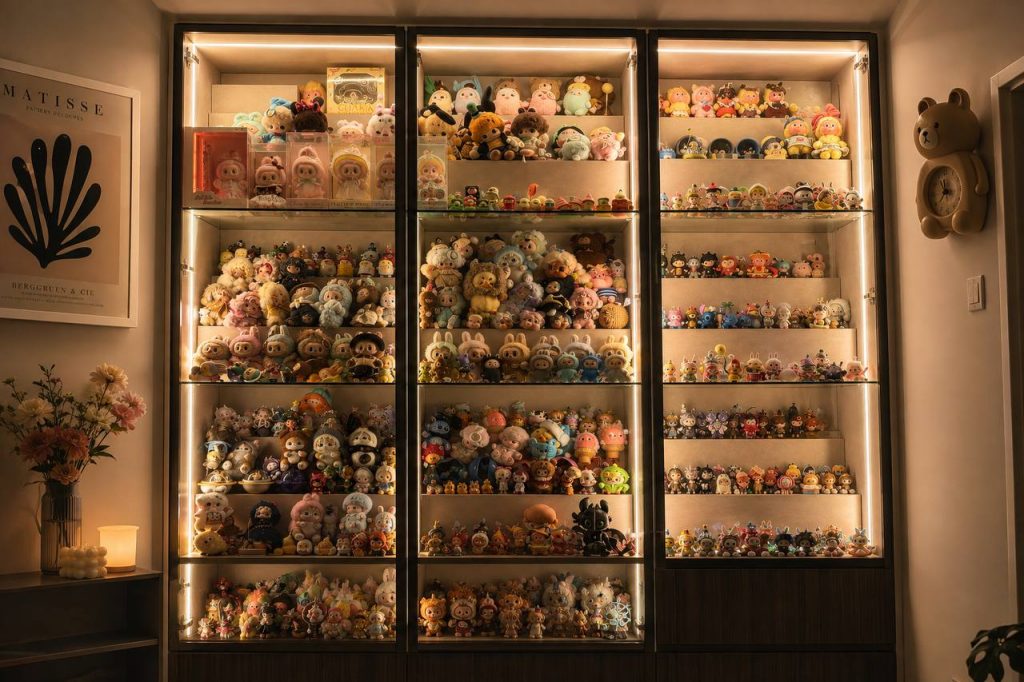
Claudia, 28, has amassed a Pop Mart collection large enough to colonise an entire wall of her home.
“I’ve done the math,” she says. “I’ve spent nearly $20,000 in total on these.”
Her mother has, understandably, suggested that the money could have been put to better use. Claudia doesn’t disagree—it’s an objectively difficult number to defend.
But financial logic doesn’t quite explain the collection. Claudia works in a demanding contract role dependent on external funding. The workload is heavy, and there’s no guarantee her contract will be renewed.
Against all that uncertainty, the collection is one thing she can count on. “They’re so cute,” she says softly.
Claudia explains that she went through a rough patch with her mental health. She tried to distract herself with binge-eating and partying, but neither stuck. I would call these maladaptive coping mechanisms, but then again, spending nearly twenty grand on Pop Mart figurines isn’t exactly textbook self-care either. But for Claudia, it helps.
“It’s the only thing that can cheer me up after a long, hard week.”
She can’t control what comes next, but she can make one thing certain: her weekly unboxing ritual. We aren’t just buying the $8 matcha or $20 blind box. We’re buying a little say in our own lives.

The Last Decision That’s Ours
But not everyone I spoke to saw it that way.
“Our parents didn’t have everything in their twenties either. Nowadays, we’ve become so used to instant gratification that we expect everything to happen quickly. Sometimes, you just have to be patient,” Pei Yin, 27, tells me.
Are we Gen Zs really lousy at delayed gratification, though? I’m not convinced. If we were, we wouldn’t have spent most of our lives studying and working.
Our parents waited for a future that followed a more familiar shape. By 27, many were already reaching adulting milestones: a stable career, a home, marriage, children. Their lives were certainly not easy, and none of these things was handed to them. But there was a clearer sense of what came next.
For us, that path feels less certain.
You can do everything you were told would set you up for adulthood. Get that shiny degree, land that dream job. Then you arrive, only to find that those aren’t enough anymore. You now need a shinier degree and a century’s worth of work experience.
Just when you think you’ve made it, the finish line shifts again. You perpetually feel almost-there.
I’m not arguing that Gen Zs have it harder than the generations before us. In many ways, we have opportunities our parents and grandparents never did. But we’re growing up under a unique set of social and economic conditions.
This phenomenon is described as the lipstick effect: amid economic uncertainty, bigger purchases feel out of reach and, in response, people buy small, affordable luxuries that provide a dose of happiness and normalcy.
That, I feel, is what’s happening here. We’re finally earning adult money, and we’re choosing to spend it on fun little things our childhood selves would’ve wanted, like stickers, keychains, or squishies. The grown-up stuff is crazy expensive, so we buy what’s within reach.
It’s the only way we can still exercise what little freedom and agency we have. We know everything can disappear in an instant tomorrow, so why not enjoy today?
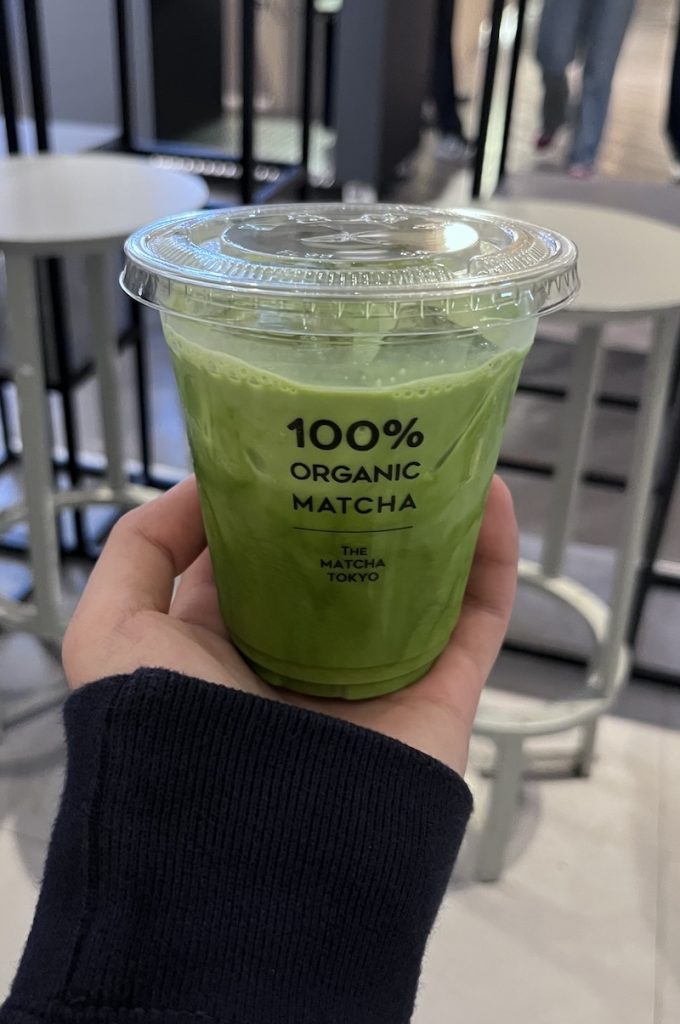
While We Wait
The next Saturday, I’m back at the same little vintage store.
The decision is the same: an $8 cup of matcha. Again, I think about the more sensible things I can buy instead.
But I no longer see the matcha as simply an unnecessary expense. The truth is, we’re still delaying gratification. We’re still studying, working, saving, and building our futures.
Our little treats and trinkets don’t solve uncertainty. They don’t guarantee that everything will work out. But they remind us that we can’t spend our lives preparing for what comes next.
Maybe the Singaporean dream has changed; it’s no longer a straight path from hard work to stability, or from sacrifice to security. When the destination is unclear, building a life also means finding meaning and joy along the way.
So I collect my drink, and I take a sip. First comes the familiar bitterness, then the subtle sweetness—先苦后甜 (bitter first, sweet later). Just as I was promised. Except now, I get to choose a little sweetness along the way.