In July 2026, a group of final-year journalism students from Nanyang Technological University’s Wee Kim Wee School of Communication and Information reported from Hong Kong as part of their Going Overseas For Advanced Reporting (GO-FAR) fieldwork.
In this contributed story for RICE, Savanna Tai follows the stuntmen trying to stay afloat in an industry whose action films once enthralled the whole world.
Top image: Savanna Tai
“Jacket on, jacket off.”
Jackie Chan is firm and unwavering as he tells a young Jaden Smith to toss and pick up his jacket from the ground. For days, rain or shine, Smith’s character, Dre Parker, does this in a courtyard, increasingly weary and fed up with how this could be kung fu.
I was seven when The Karate Kid (or, really, The Kung Fu Kid) was released in 2010. I was in awe. Not so much about throwing punches and blocking blows, but the discipline and precision that martial arts demanded.
Later on, I joined my dad in front of our television to continue my kung fu flick education. On screen, Donnie Yen’s face is stiff, but his hands snap forward sharply, sending opponents mid-air in slow motion before they crash through furniture. Those hands in Ip Man brought Wing Chun back into the mainstream, decades after Bruce Lee turned his craft into a ‘70s global spectacle.
I also learnt how much pain and commitment the job asks for, all so we can watch. In the 1985 action comedy Police Story, Jackie Chan jumped from the top floor of a shopping mall onto a 24m pole strung with lights, slid all the way down, and crashed through a glass roof at the bottom. The man came away with second-degree burns on his hands and a dislocated pelvis.
For many Singaporeans, these films came home from Johor Bahru: pirated VCDs in flimsy plastic sleeves, bought for a few ringgit on a weekend run across the Causeway. The cam rips were shaky, and a stranger’s head would drift across the frame every once in a while—but we watched every second anyway.
That was the essence of Hong Kong action cinema: rough and relentless, made by actors and stuntmen who risked their lives on sets with next to no safety rules. But when names like Jackie Chan, Donnie Yen, Bruce Lee, and Jet Li are still referenced as cornerstones of Hong Kong action cinema, you’d wonder— who will carry on the mantle?
The New Blood
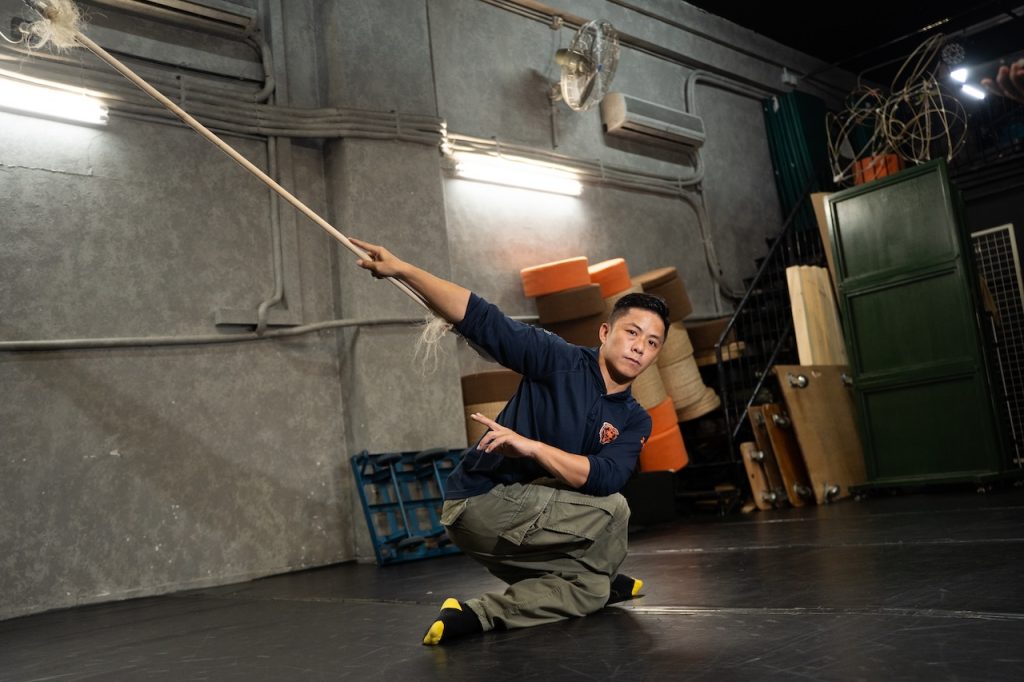
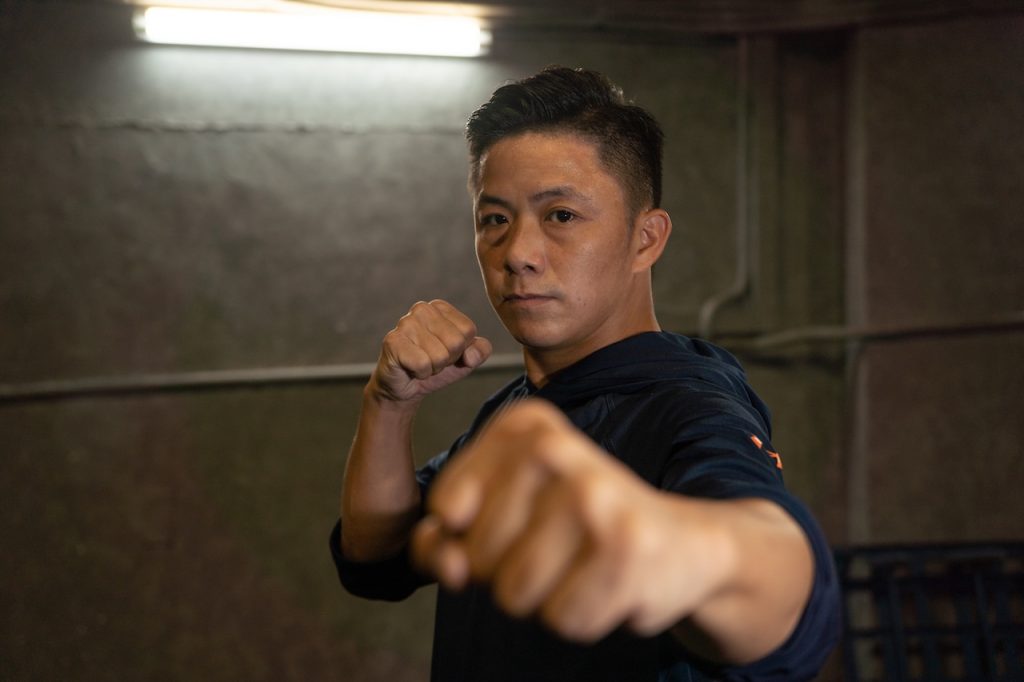
I met Tang Sui Wa in a practice room in Kowloon, home to the Avenue of Stars, where Hong Kong cinema gets its bronze statues and handprints. Emerging from black curtains that partition the practice room and the lounge, the soft-spoken stuntman smiles sheepishly as he shakes my hand.
The 43-year-old didn’t always dream of becoming a stuntman, but growing up in the golden era of Hong Kong action cinema led to two years of martial arts training. In 1999, when TVB was recruiting stunt performers, his coach nudged him to give showbiz a shot.
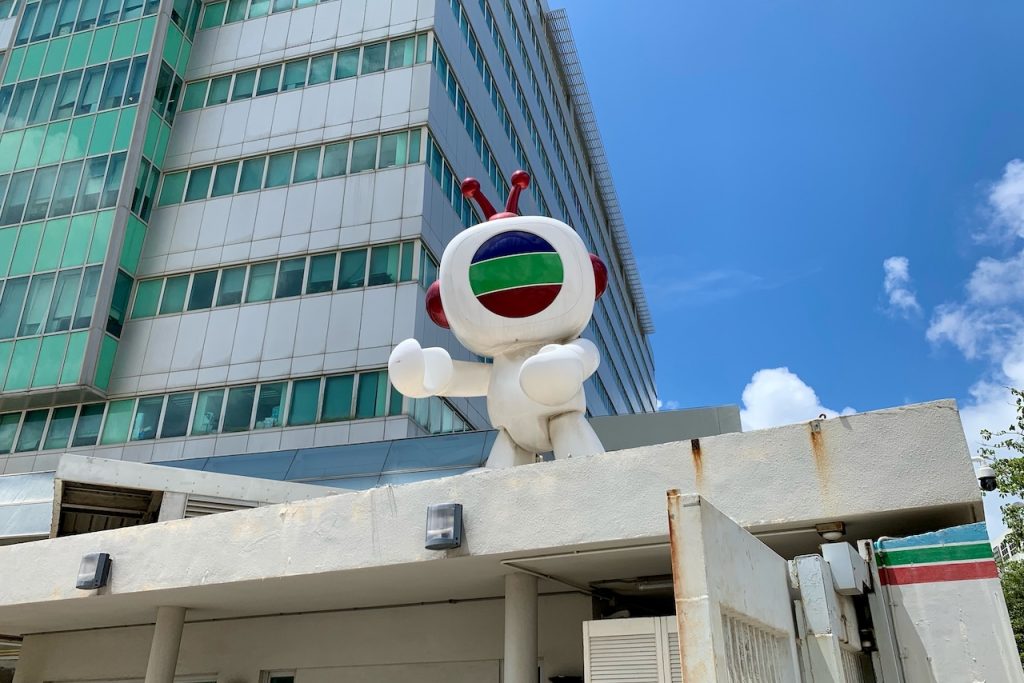
At 16, he was training daily in the television network’s headquarters, firing punches and slicing the air with knives for three months. His training brought him behind the scenes on TVB sets, where wire-bound stuntmen leapt from buildings and crashed through windows.
“When we entered the industry as rookies, we saw those veterans as icons. They did stunts that seemed impossible and would try multiple ways to see what worked,” he says in Mandarin.
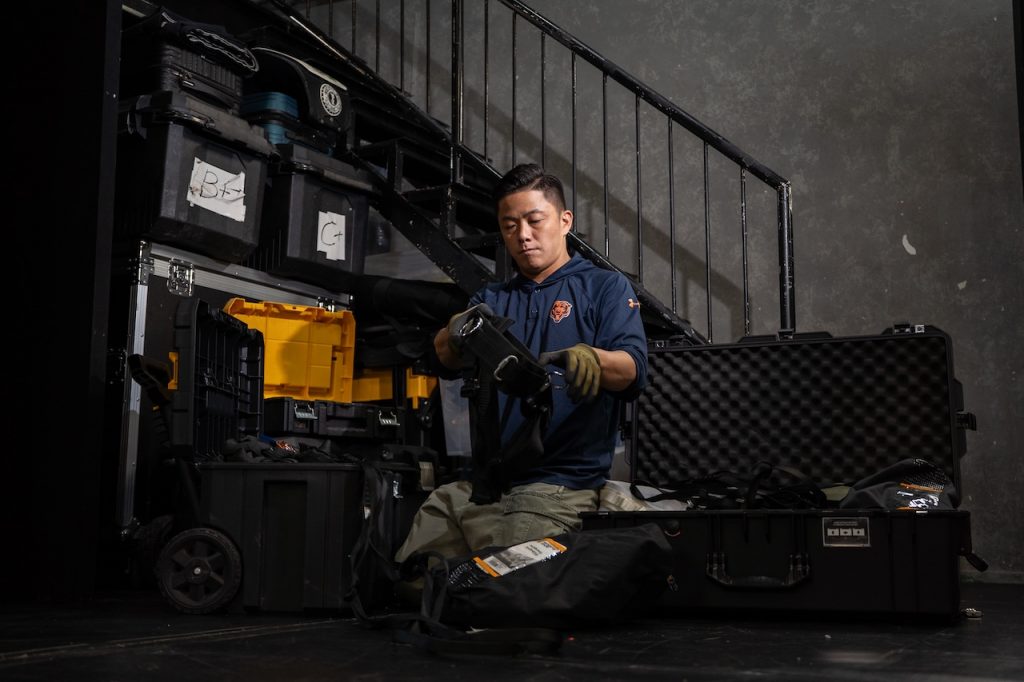
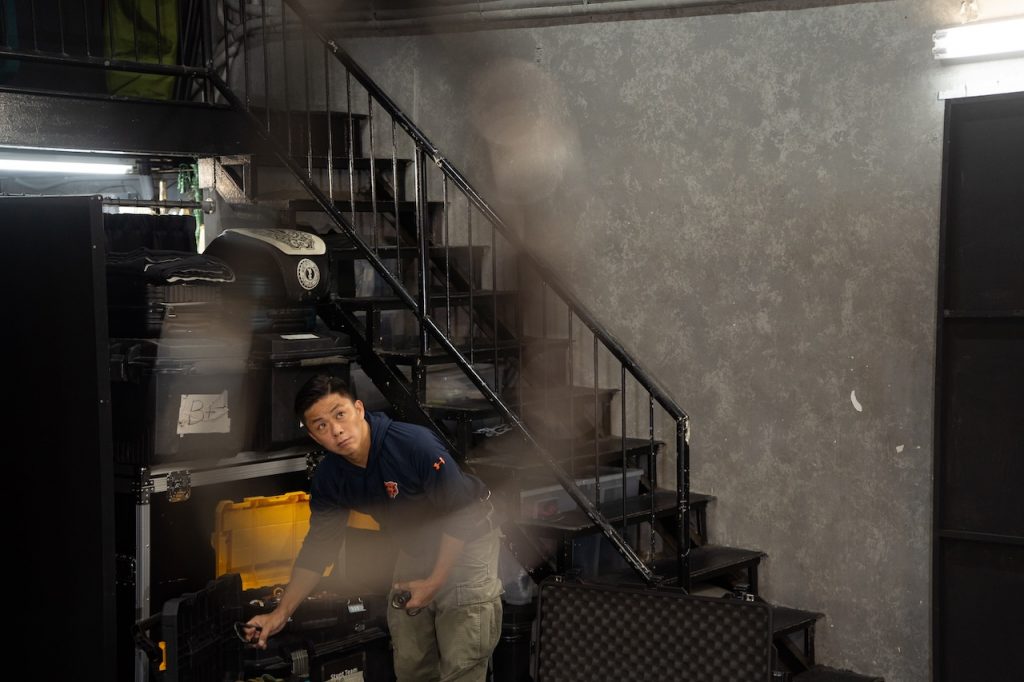
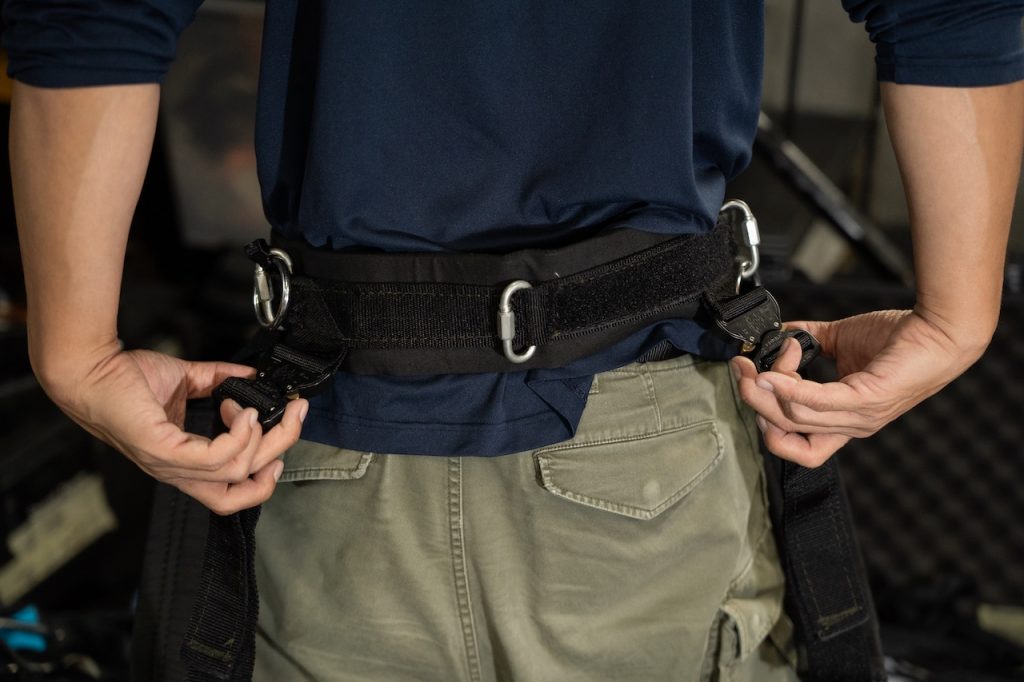
As the broadcaster’s production output soared in the early 2000s, he spent the next nine years as a stunt performer in modern and period dramas.
“We worked very long hours from day to night, basically without any rest. Sometimes I played seven or eight different stunt doubles in a day,” he recalls.
The demand kept him busy with a constant flow of jobs. But it didn’t last. The reality of Hong Kong’s television and film industry today is a far cry from its heyday in the ’80s and ’90s, when the city was the world’s second-largest film exporter after the US.
Box-office revenue hit a 14-year low of HK$1.13 billion (S$180 million) in 2025, while TVB recorded its seventh consecutive annual loss in 2024, with a net loss of HK$491 million (S$80 million).
Locally produced films released each year have dwindled to fewer than 50, down from around 200 in the 1980s, according to the Hong Kong Film Development Council (FDC).
Back in Singapore, I spoke over the phone with veteran stuntman and action director Cheung Wing-fat, best known as ‘Mars’, Jackie Chan’s right-hand man. A respected player in both Jackie Chan’s and Sammo Hung’s stunt teams, he’s been in over 100 films since he started acting at 12.
“It’s very painful to watch the industry decline. Production volume, especially martial arts movies, is almost one-tenth of its past level,” the 72-year-old remarks.
“In the past, our entire industry relied on movies to make a living. But now, stunt performers have to change jobs. Some drive taxis, some help people look after homes.”
Doubling Up to Double Down
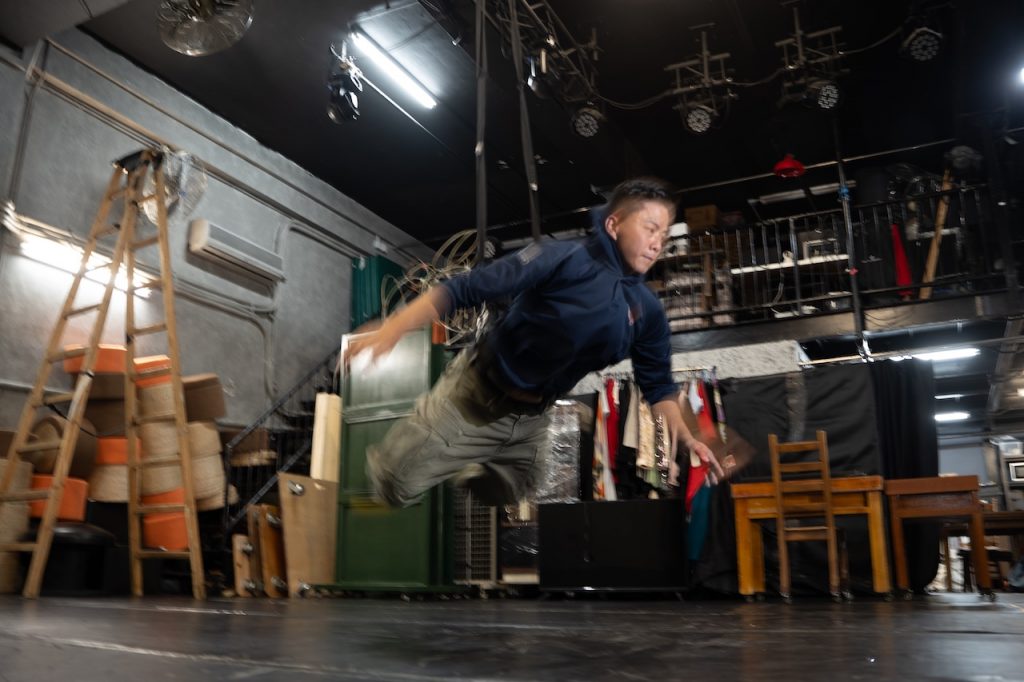
I ask Sui Wa what it’s like being a stuntman today. I expected a torrent of complaints about how the industry had dried up.
He pauses before musing that things were “alright”.
“Beyond films and television, Hong Kong concert productions hire a lot of stunt performers. Stage plays like Peter Pan also need wirework and stunt crews. Music videos often need action choreography too,” he adds.
Turns out, the precision and care needed to face danger head-on have become a prized asset in today’s entertainment industry.
After the much-publicised accident in which a 560kg LED video screen fell on a backup dancer at Cantopop boyband Mirror’s concert in 2022, Sui Wa was roped into two years of discussions with the government and industry leaders to improve safety regulations.
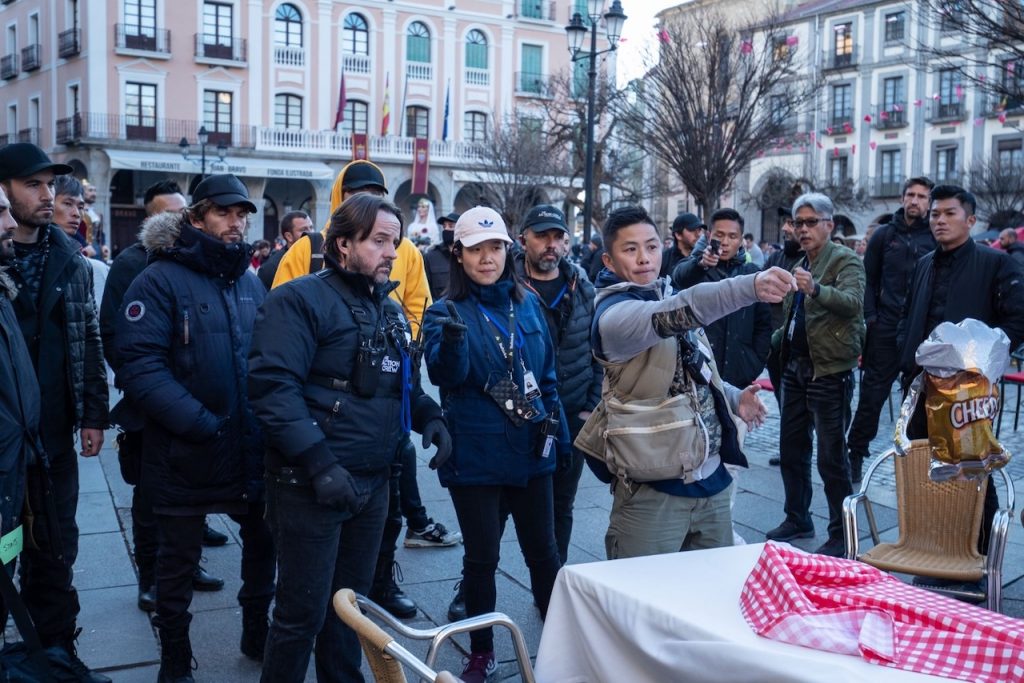
To date, his expertise has found its way into over 400 television, film, concerts, theatre and music productions—not just in stunt work but directing, choreographing action, and keeping other performers safe.
“Being a stunt double requires much more than performing action. You must imitate the actor’s movements—even the way they walk—so that audiences can’t tell the difference,” he explains.
“Only after proving yourself as a stunt double do you move on to more specialised responsibilities like wire work. Imagine lowering someone safely from the third floor: the performer must have complete confidence in the crew controlling the wires.”
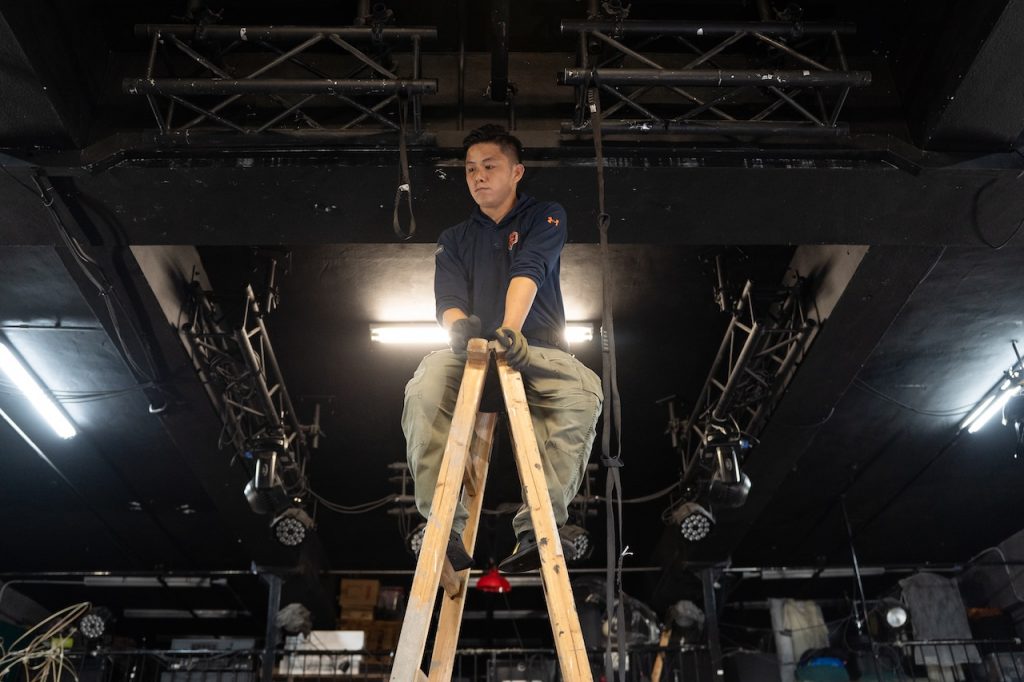
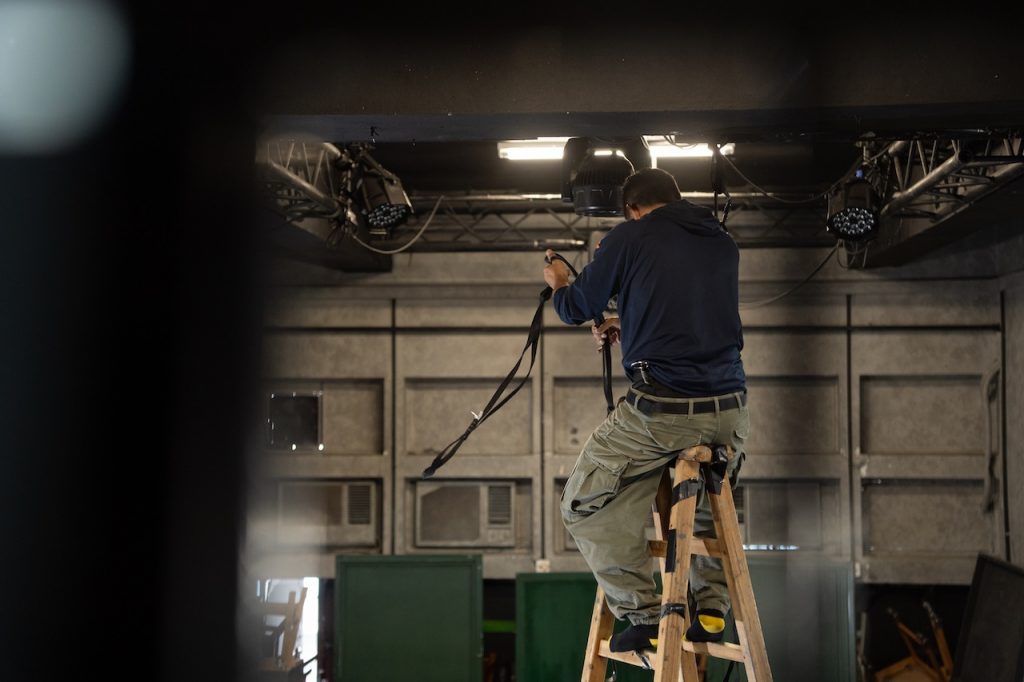
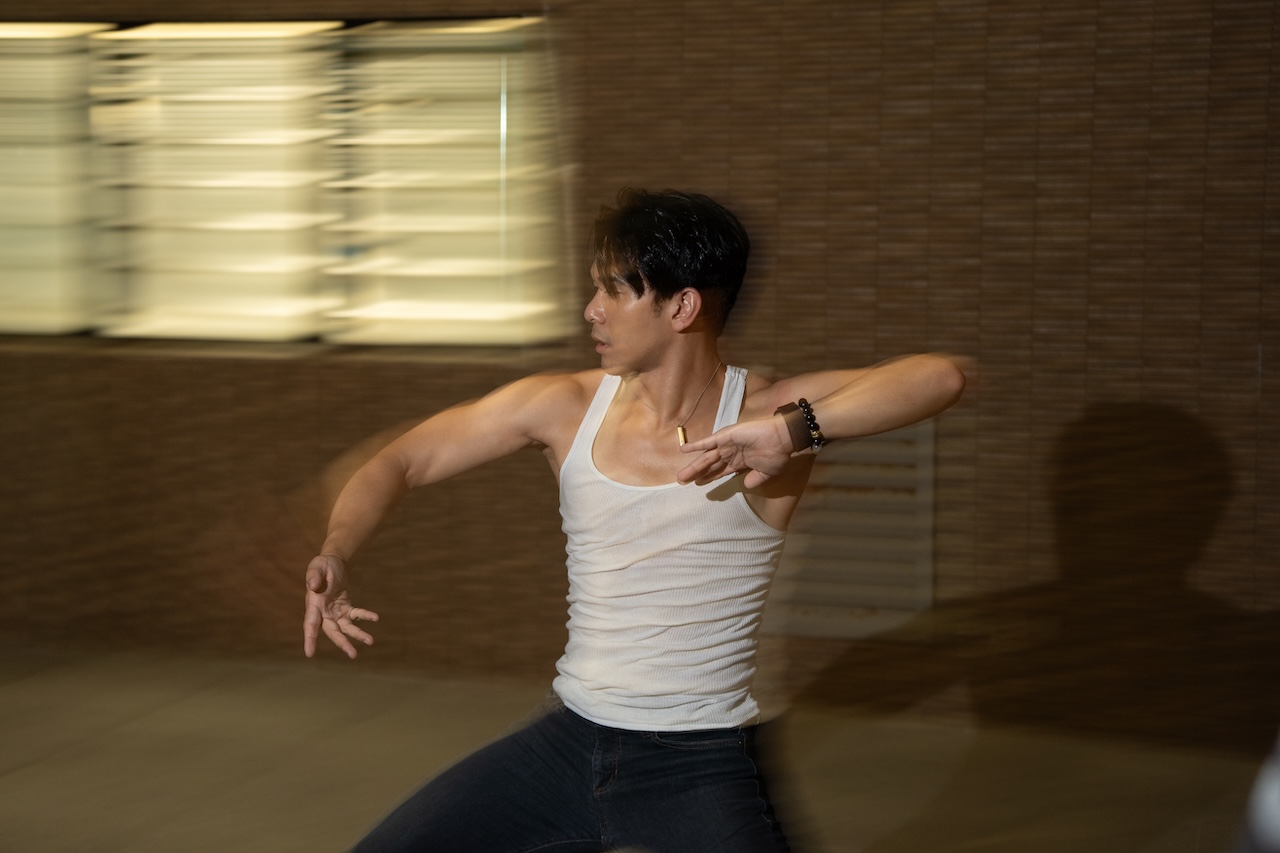
Andrew Pong, a 34-year-old Hong Kong stuntman, attests that stunt work alone can’t pay the bills anymore. He started martial arts at two and comes from a long line of actors, and neither guaranteed him work.
His parents, Chin Siu-ho and Sharon Kwok, starred in Tai Chi Master and Fist from Shaolin, respectively. His uncle, actor-stuntman Chin Ka-lok, was part of Sammo Hung’s stunt team (Sammo is Andrew’s godfather as well). His signature martial art, the White Crane Fist, stemmed from “old school” training with his grandfather, Chan Hak Fu, a second-generation practitioner.
At 17, he was already training with his godfather’s stunt team and landed his first stunt role as a karate expert in the 2009 action-comedy Choy Lee Fut, where 36 hours of acrobatics and taekwondo kicks left Andrew’s feet covered in bloody blisters.
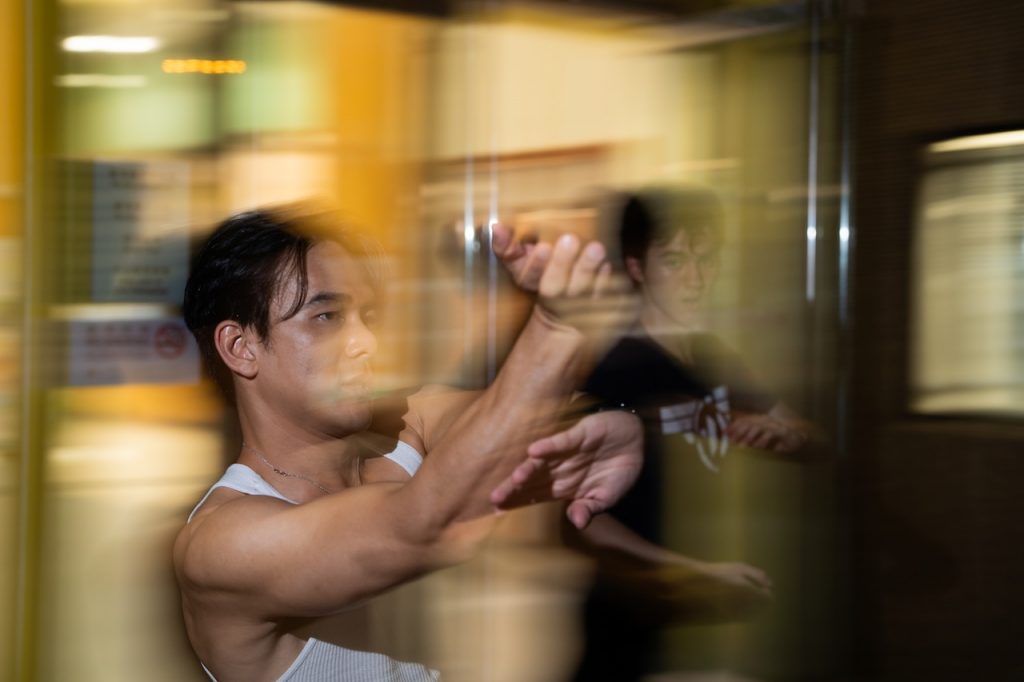
To date, Andrew has been set on fire, flipped in a car, and dropped off a 13-storey building. He has the concussions and the scarred hands to show for it, but he shrugs off the physical toll.
“These are minor things, in my opinion. Luckily I’ve never broken any bones,” he laughs. “I’ve done flips from the fifth floor onto concrete, and a whole shock goes up your body. That was really painful.”
But neither his scars, production credits nor deep industry ties could protect him from industry pressures—including mainland competition as more productions shift to China.
“If I were to find a stuntman in Hong Kong, you’re looking at an average of HK$2,200 a day, 14 hours. But if you’re looking for a stuntman for HK$2,200 in China, then you’re paying for two weeks,” he added.
Even without a martial arts portfolio, Andrew can easily pass off as an actor or a model. It makes sense when he tells me he was scouted as a K-pop trainee at South Korean entertainment giant SM Entertainment for two years in college, before returning to acting and stunt work in action flicks.
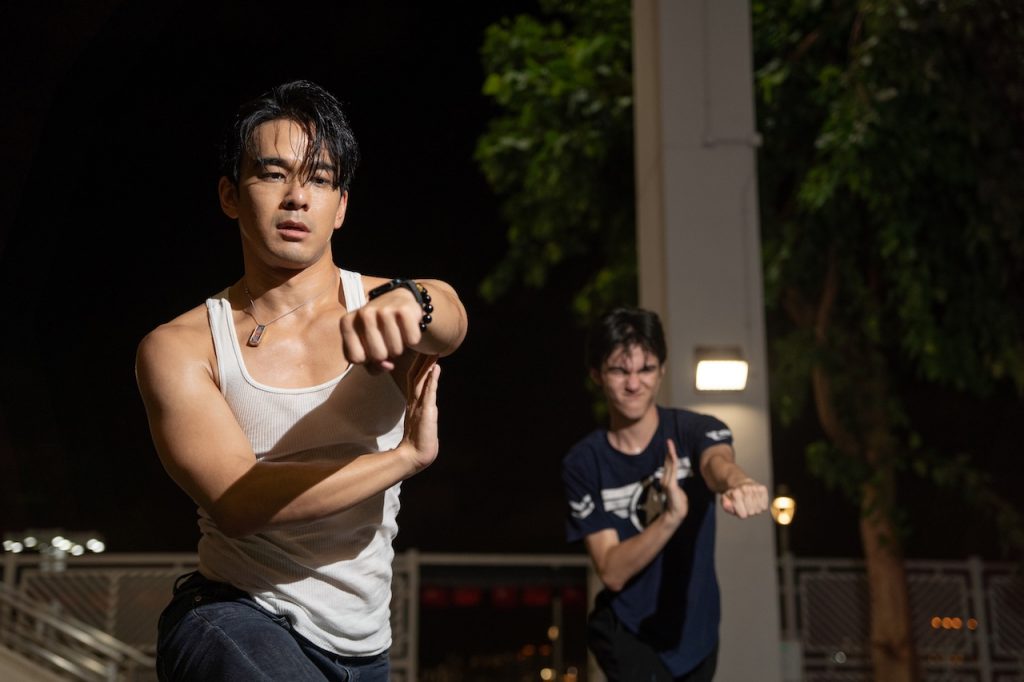
Today, his glitzy K-pop training stint feels like an extension of brand endorsements on his social media feed. Beyond martial arts content, Andrew also produces lifestyle and travel reels synced to trendy audio.
“Actors and stuntmen should be more proactive in creating content. It’s the only way to showcase yourself,” he notes. “Everyone is a filmmaker with their phone nowadays.”
In February 2026, Andrew co-founded production company The Southern Brothers, hoping to dip his toes into directing and producing. The company is working on three documentaries, including one on the White Crane Fist style.
“(If you) learn to become a director, a stunt coordinator, a cameraman, and do post-production, there’ll always be a space for you in the entertainment business.”
Schools of Hong Kong Hard Knocks
The recent shuttering of Sandbox Training Ground, Singapore’s first dedicated stunt school, is a familiar reality in the birthplace of famed stunts where action icons learnt their first kicks and built their decades-long careers.
“Before the 1970s, there were schools where students learnt these stunts. When we were young, we trained there for about six to eight years, so it felt natural when we came out to make movies,” Mars explains.
“But those schools are gone now. Most programmes are in Beijing or Shanghai.”
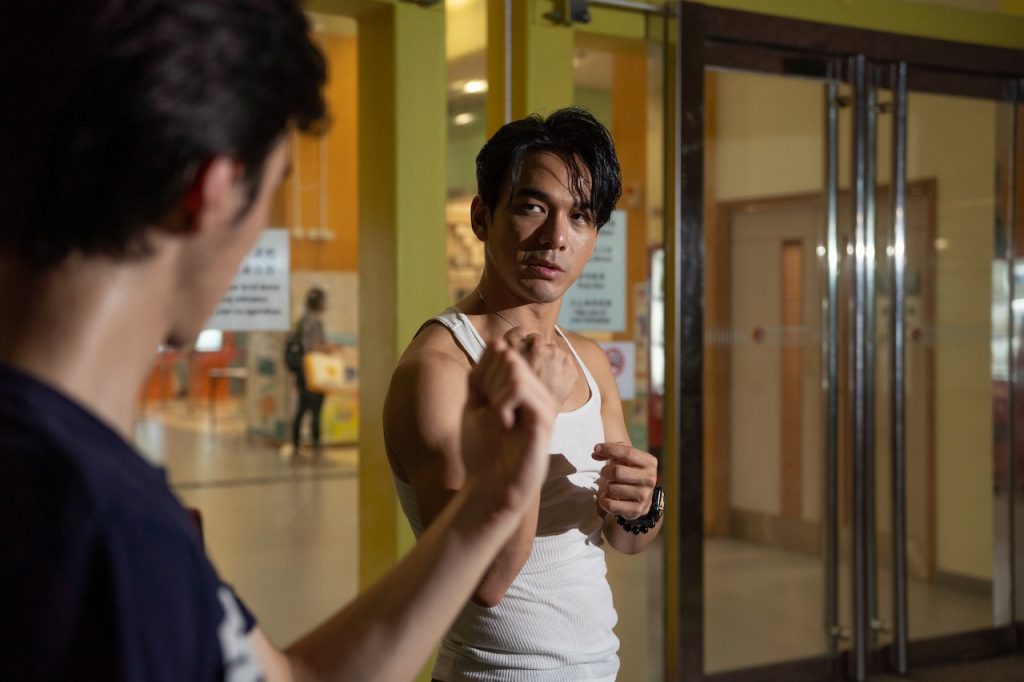
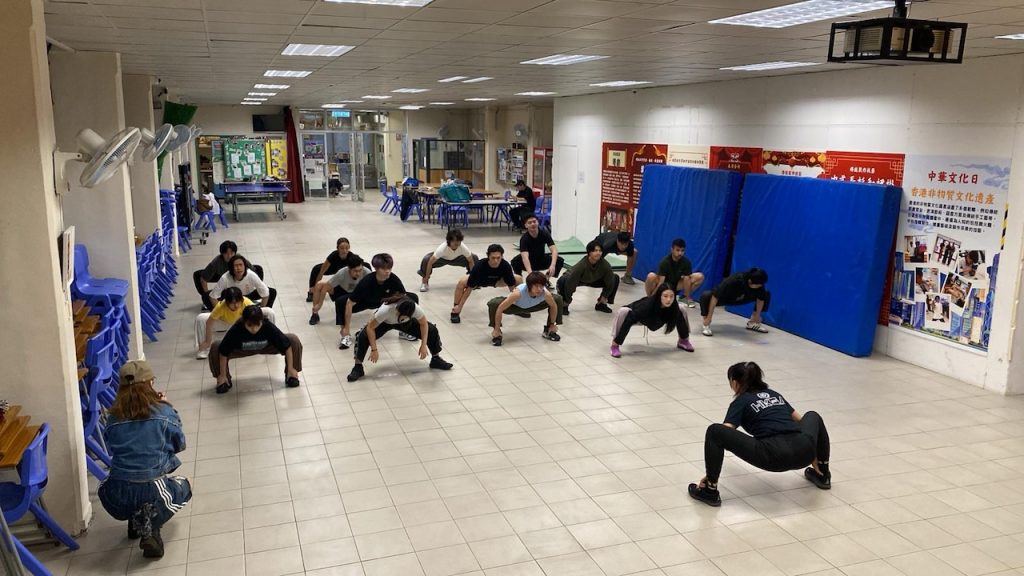
When the Hong Kong Stuntman Association held its stunt training course in May this year, it invited over 100 stunt hopefuls to apply. Yet only 20 were selected, aged 18 to 33.
The course, backed by over HK$3 million (S$500,000) from the FDC, was last held in 2015—more than a decade ago.
Unlike the premise in The Sandbox, these students hadn’t been lulled by a Marvel superhero movie casting. There was no guarantee they’d make it into the industry; the association’s training course was their only shot.
Sui Wa, who is an association board member, had watched students’ faces contort, their shirts soaked in sweat from stunt training he had designed. He shared that the long interval from the last course was because the industry couldn’t take in so many newcomers. Realistically, students also needed up to 10 years of training.
“If they’re fortunate, they’ll be able to work alongside experienced stunt performers, continue training on set, and gradually build their careers. I believe it’s my responsibility to pass my skills onto the next generation,” Sui Wa says heavily.
“Our stunt culture survives because people are willing to share. Everything I’ve learned came from my seniors.”
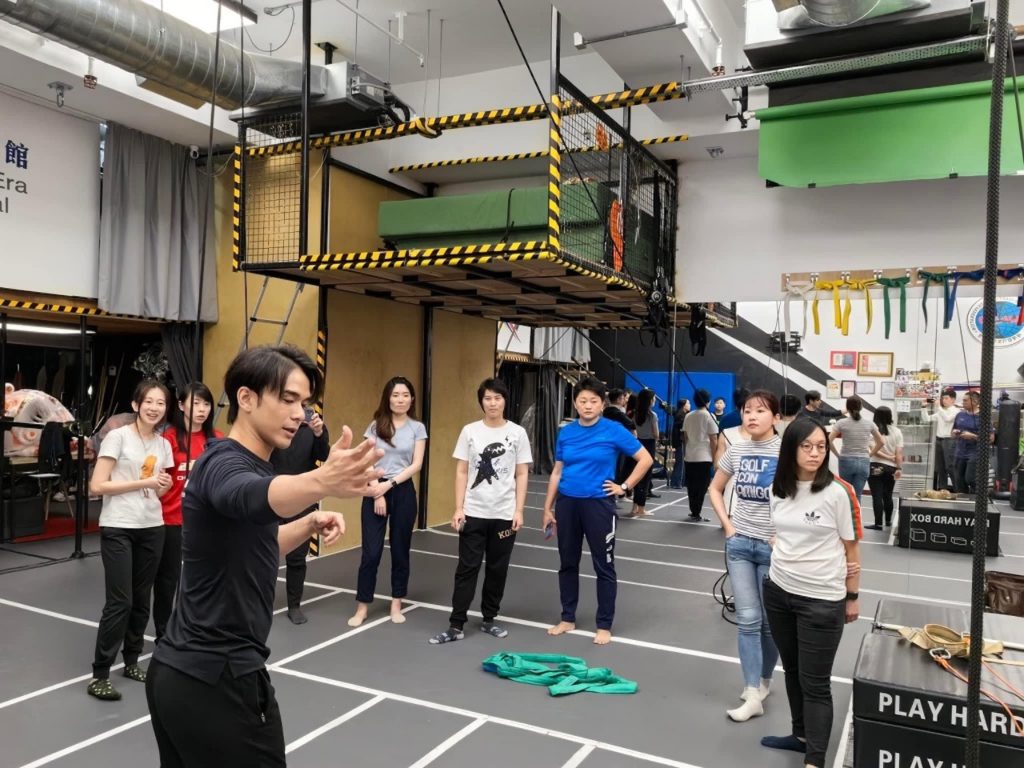
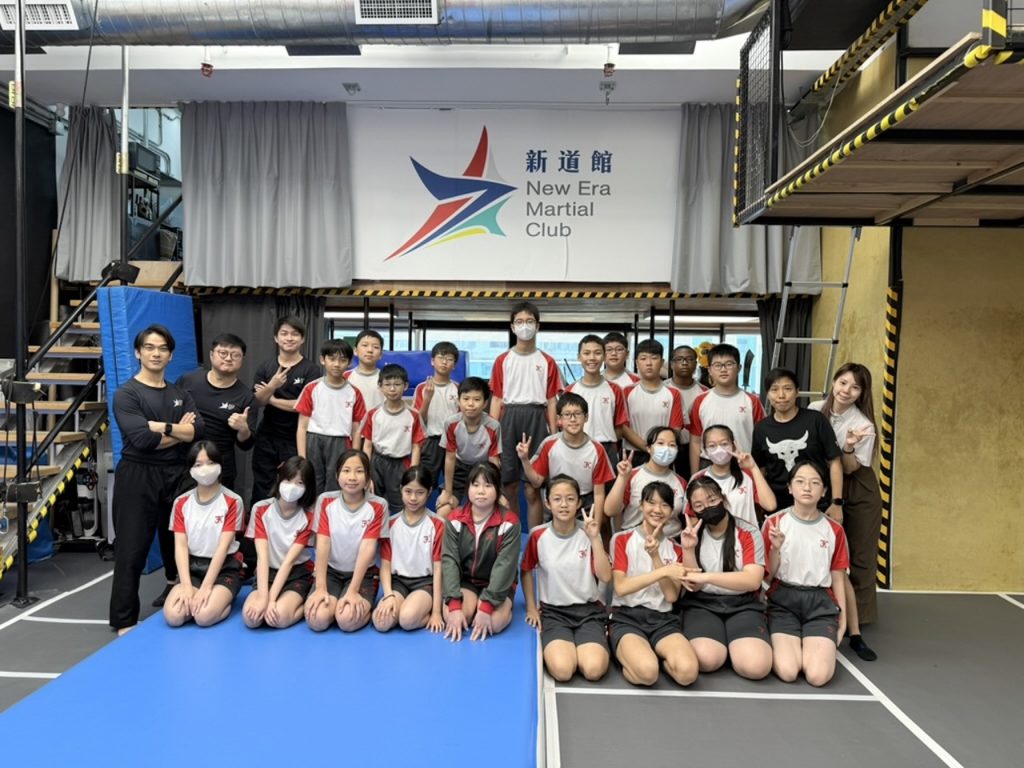
Andrew’s approach reflects a more diversified take on the craft. In 2022, he opened New Era Martial Arts Club in Quarry Bay. Inside the 46-square metre studio, about the size of a two-car garage, Andrew supplements classes in wire works, fall-training and weapon wielding, with ones in taekwondo, lion dance, Chinese dance, and line dancing.
But budding stuntmen are not flocking to his academy. Instead, it’s schoolkids on excursions.
“We teach a lot of children from schools. The government is reminding them that martial arts, Chinese dance, lion dance… they’re all part of Hong Kong’s culture,” Andrew says.
Backed by government grants under a non-profit license, he shares that plans are underway to relocate and triple the floor space of his academy in what he calls Hong Kong’s “largest cultural sports centre”.
Broken Bones, Unbroken Spirit
As decades of stunt work left veterans with creaky joints and worn-down bodies, the industry is adopting safer methods as the landscape shifts.
“40 years ago, we used our bodies to fight. It wasn’t special effects,” affirms Mars, who continues to provide his expertise to TVB today. “My bones are almost 70 percent damaged now.”
“So many martial arts actors now don’t want to shoot movies because directors say, ‘There’s no need to fight. We can use CGI and artificial intelligence (AI).’”
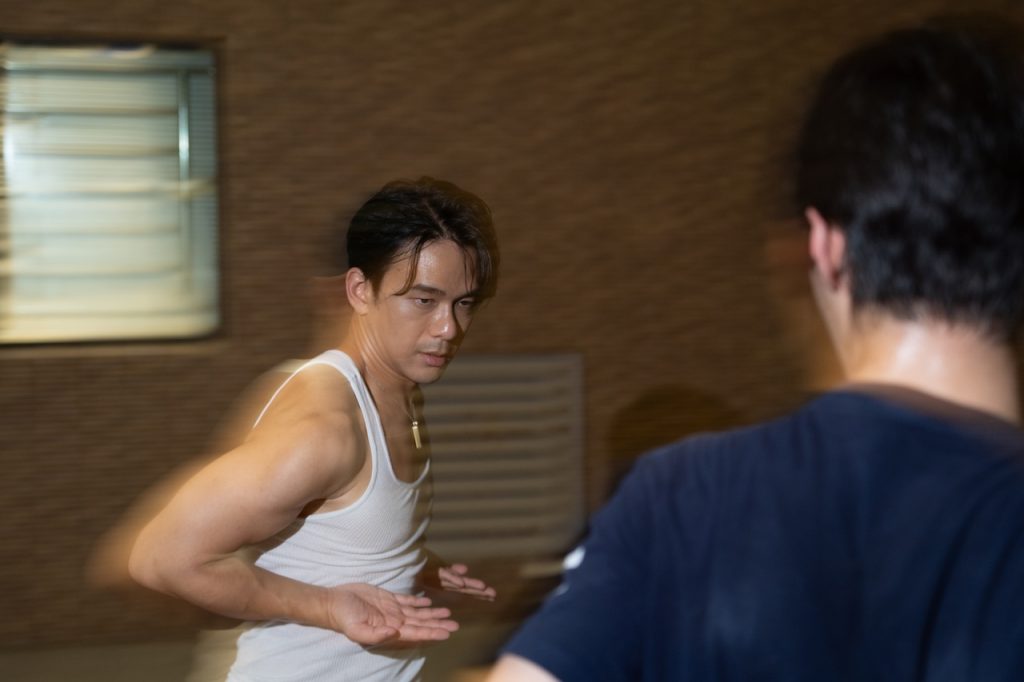
Andrew sees an upside to AI. The action on screen is as big as ever, and far fewer people get hurt making it.
“Back in my uncle’s era, eight people jumped from eight floors high onto a bunch of mattresses, and everybody went to the hospital afterwards!” he exclaims.
“But now I can tell the AI to extend one floor to eight floors high, so the action and impact remain the same, but everybody is a lot safer.”
Still, Sui Wa reminds me of the essence of Hong Kong action cinema: grounded in tactile, high-impact action and rigorous trial and error. Perhaps like martial art’s discipline and precision, this tacit understanding among its stuntmen will help the industry outlive its decline.
“Dynamic action still requires human choreographers and performers to design, test, and perform,” he says.
“Stunt teams that have collaborated for 20 years share an unspoken understanding of tempo and wire-rigging that software cannot replicate.”
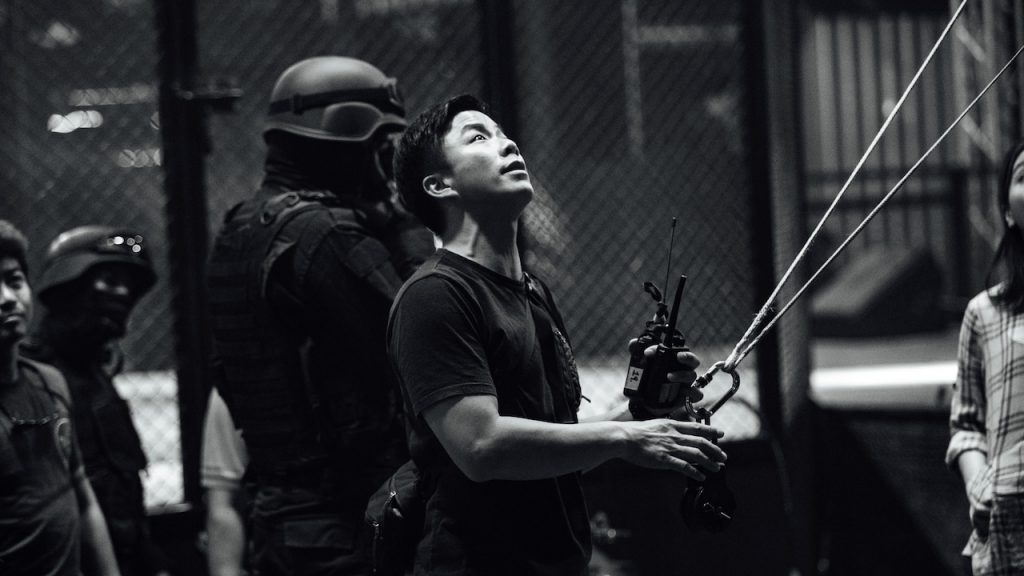
For him, surviving in the industry began with being a physical shock-absorber. Increasingly, the work is reminding him of the creative flair needed to preserve his craft’s legacy.
“After I became a stunt double and later an assistant director, they would hand me a script and ask, ‘How would you stage this scene?’” he recalls.
“You couldn’t simply answer, ‘I don’t know.’ There was pressure, but that’s how I gradually learned to analyse scenes, solve problems and develop my own ideas.”
Sui Wa pauses, letting the memory settle before softening into a smile.
“That’s how each generation learns from the one before it.”