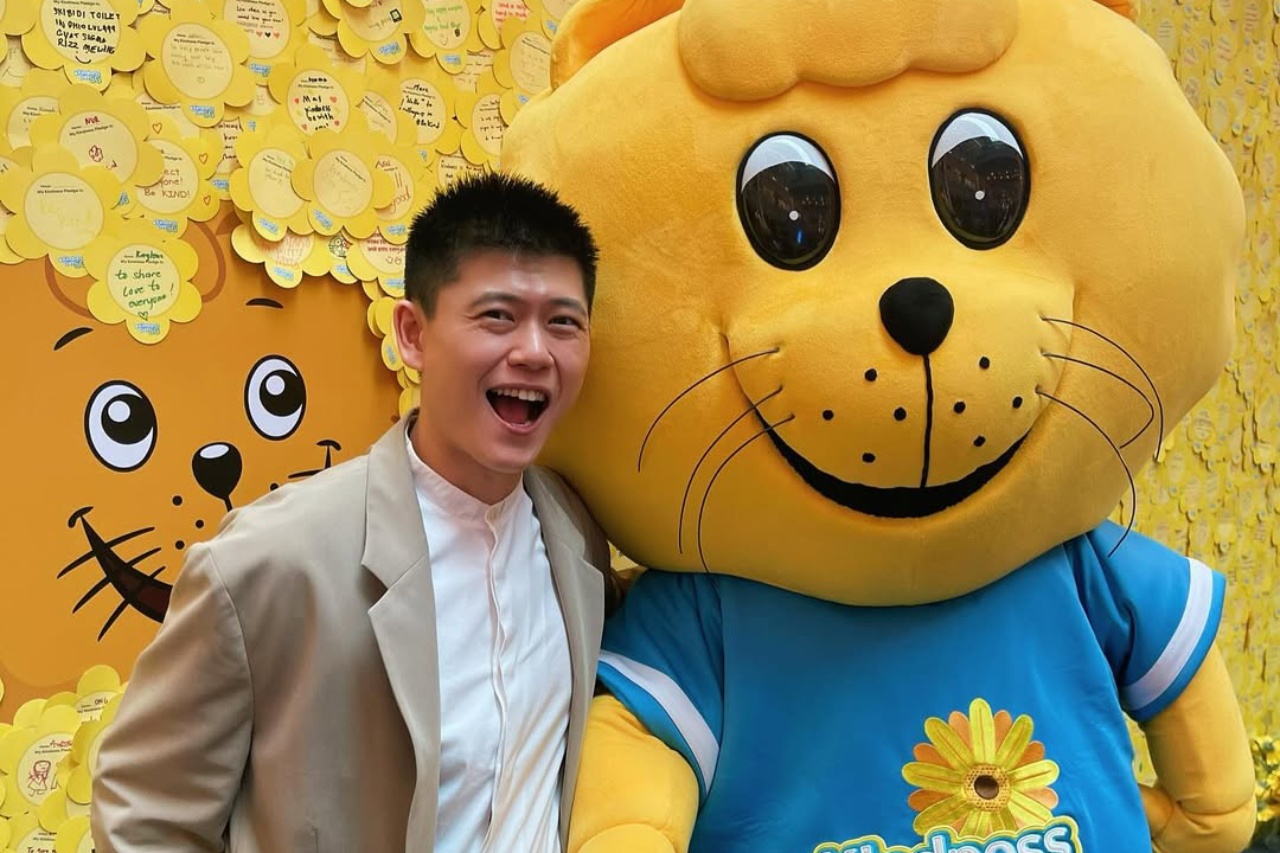
Luo Chen Jun (CJ) is a Singapore-based community leader and social impact advocate best known as the founder of Uplift, a ground-up movement that empowers vulnerable children and families. Beyond his social impact work, he actively champions conversations on legacy, compassion, and service.
In this op-ed for RICE, CJ shares why he pledged to donate his whole body and brain after death—and why he hopes more Singaporeans will have this crucial conversation with their families.
Top image: @thelazysteward / Instagram
I still remember the look on my mother’s face when I first mentioned that I would be donating my body and brain after my death.
“Whole body donation? Your whole brain, too?” she blinked. “Will you still get reincarnated if you give away everything?”
We were having dinner. I had just signed my pledge forms: one for the Medical (Therapy, Education and Research) Act (MTERA), and another for Brain Bank Singapore. I had officially pledged to donate my whole body and brain after I die for research, education, and healing purposes.
The silence that filled the table was thick. My parents didn’t contest, but they also didn’t nod. I had crossed an invisible line, one that had been approached subtly for generations before me.
In Chinese Singaporean families like mine, we don’t talk about death. We don’t talk about what happens to your body after you die. And we definitely don’t talk about it over dinner.
But I knew I had to say something. When I made my pledge, I wasn’t making a medical decision. I was consciously deciding to live and die differently.
A Decision Bigger Than Myself
The idea of donating my body to science first began to take shape during the COVID pandemic. Like many, I found myself with a lot of time to sit and reflect on life, loss, and legacy.
I’ve always been involved in community work, whether it’s volunteering in the grassroots, working with underserved youths, empowering women from lower-income households, or supporting children with cancer. But there was something about the permanence of death that made me think: Could I be useful and serve my community even when I’m gone?
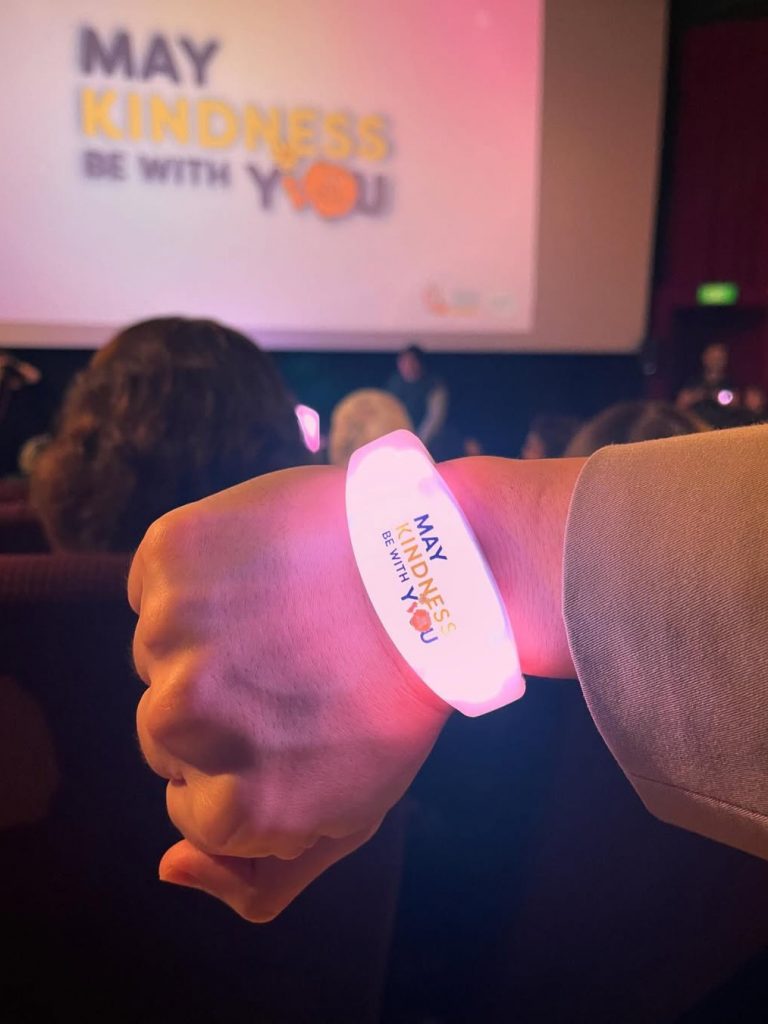
I first learned about whole-body and brain donation during a hospital clinical trial visit, where I saw a Brain Bank Singapore leaflet. Realising that brain donation requires separate consent from the usual organ donation that all Singapore citizens and permanent residents do (unless they opt out), I made the pledge that same day.
Later, I learned about the Silent Mentor Program, which trains medical students using donated bodies with deep respect. The conviction settled in me: When I die, I want my body to keep giving.
I’m not new to healthcare outreach and clinical trials. Back in the pandemic, I participated in local COVID-19 clinical trials: one with SingHealth on a post-COVID treatment drug, and another with the National Centre for Infectious Diseases (NCID) testing the Covaxin vaccine.
Still, it was news to me that whole-body and brain donation were options in Singapore. I thought to myself: If I didn’t know, what does the average Singaporean know?
In Singapore, under the Human Organ Transplant Act (HOTA), Singaporean citizens and permanent residents will donate their kidneys, liver, heart and corneas for transplant when they die, unless they opt out.
It’s also possible to opt in and pledge more organs, or even the entire body, for research and education under the MTERA. Separately, Brain Bank Singapore accepts brain donations for research on neurological conditions such as dementia, stroke, and mental illness.
Each donation serves a different end. Organs save lives in a moment. Brains improve understanding of conditions such as Alzheimer’s. Whole bodies help develop the next generation of surgeons. After death, you can heal, teach, and empower.
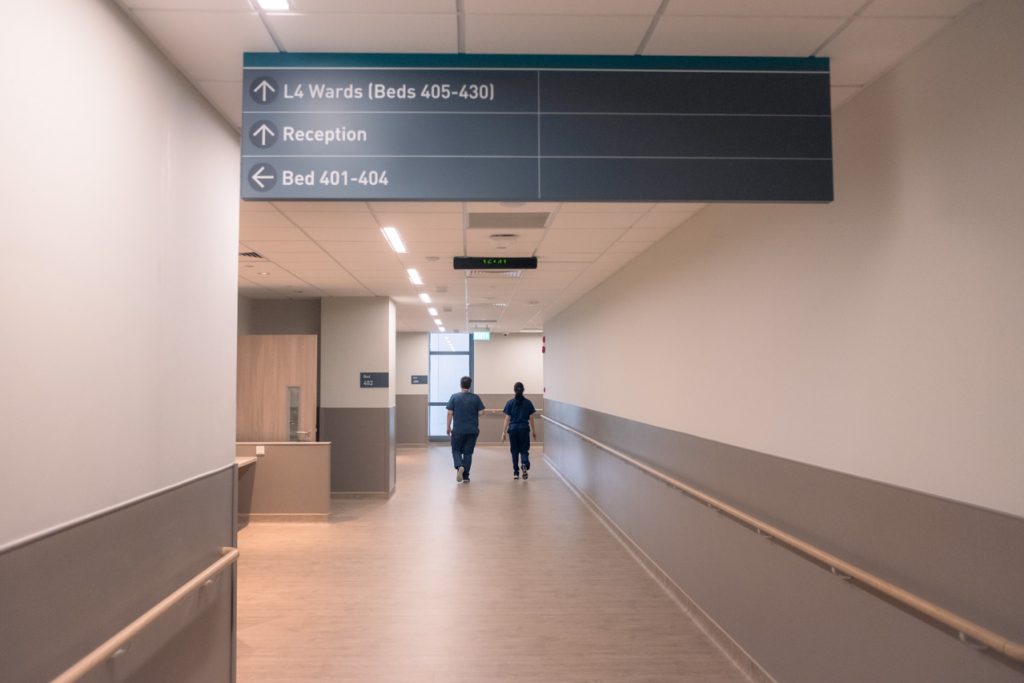
What shocked me most was learning that one brain donation could be used for hundreds of studies. That’s hundreds of possibilities for breakthroughs and hundreds of opportunities for improvement.
My pledge means that after my death, my body will be transferred to an assigned hospital or university for education and research. It will be used respectfully for between 18 and 36 months before being cremated, with the ashes typically buried at sea.
Even though my body won’t be at my funeral, it doesn’t bother me. A funeral is ultimately about remembrance, not the physical body itself. If people ask where my body is, my family can tell them the story behind my donation. That’s the legacy I want to leave.
There is a Chinese saying: “生不带来,死不带去”. It means when we’re born, we bring nothing; when we die, we take nothing. To me, that means the most meaningful thing I can do is live generously. And even in death, my body continues to serve.
Breaking Cultural Taboos, One Conversation at a Time
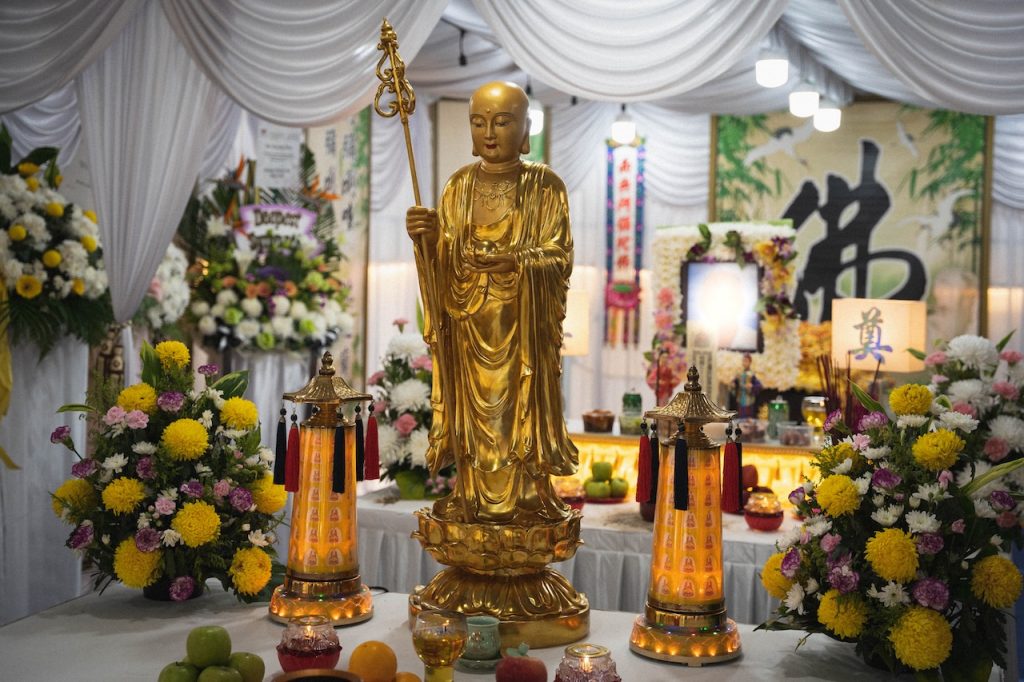
In most Asian cultures, the body is sacred. My family and I practice Buddhism—mainly Tibetan Buddhism—though Taoist influences, such as observing the Hungry Ghost Festival and traditional superstitions, also shape our beliefs and practices.
Growing up, I was taught that disfiguring your body in life, or in death, could make your karma worse, or complicate your next reincarnation. When an elder passes away in the family, we burn fake money, or joss paper, and pray for their spirit to be guided.
So when I picture someone slicing open a dead body, regardless of the noble intent behind it, it feels like a violation.
My family wasn’t opposed to organ donation in theory. But the idea of donating my entire body and brain sounded extreme to them. To put it simply, my decision came as a shock.
“But you mean you’re not going to have even a wake?” My aunt said, horrified. “No coffin? No final viewing?”
They were justifiably concerned. I struggled too, at first, torn between family duty and my own values. But over time, we talked. I shared articles and YouTube videos about body donation. I described how donated bodies provide training to future doctors and provide cures for diseases that tear families apart.
Through our shared Buddhist beliefs, they came to understand and even take pride in my choice. I told them that since I have no children of my own, this legacy would be my way of teaching my nephews the value of giving back, even beyond one’s lifetime. Gradually, the fear they had initially held gave way to understanding.
My mum still prays for me. But she is also chanting a line about compassion and service now.
How Do We Want to Go?
My volunteer work with children with cancer and healthcare workers has long shaped my awareness of impermanence. Deciding to opt for whole-body donation deepened that understanding.
Death should not be feared or hidden, but planned for. By normalising conversations about mortality, I can ensure my life and death serve a greater purpose.
Singapore is modern, but we are still very quiet about death. We whisper. We avoid. We are superstitious about being inauspicious.
In Chinese culture, at least, I think the avoidance of the topic of death stems from tradition and superstition. Even uttering the word death is believed to bring bad luck; elders often reflexively brush it away with “choi” (typically said to ward off misfortune). We avoid the number four because it sounds like death in Chinese.
Younger generations are more open, but out of respect for elders, many still tiptoe around the subject. However, in avoiding these conversations, we let stigma win.
When we avoid these tough conversations, we also lose clarity and autonomy. Funerals are often said to be “for the living,” and without open conversations, the wishes of the deceased may never be known or respected. By avoiding the topic, families miss the chance to plan meaningfully, and society misses the opportunity to normalise dignity in death.
I don’t think everyone has to make the same choice as I did. Not everyone can. However, I do think we have to have more conversations about what we can do after we die. How do we want to go? What does legacy mean? These conversations shouldn’t just happen in temples or hospitals, but also in cafes, hawker centres, and at family dinners.
If my story helps even one person start that dialogue, it’s worth telling.
What Legacy Really Means
People often ask me if I am afraid of death.
I’m not. If anything, I feel at peace. Because in a world where many things are beyond our control, donating my body is one decision I can take to turn death from something inevitable into something generous.
There is another Chinese saying that I often think about, 身教重于言教, which translates to ‘leading by example is more powerful than teaching with words’.
I have spent my life trying to live by that principle. And if I can still save, heal, or teach with my body after I am gone, then death is not the end; it is just another act of service.
If more Singaporeans make this choice, it would say something profound about who we are becoming.
We would be a kinder and more progressive society—one that puts compassion and contribution above superstition. We would be a society that is willing to be generous to others, even in death.
That is the legacy I hope to leave.