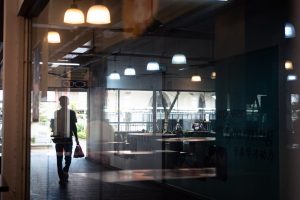
Top image: Nicholas Chang / RICE File Photo
“I’m sad because for some of us, it was one of the very few places in Singapore that rose above the pretty-much-everything-is-the-same kind of offerings,” wrote Federico Folcia in an impassioned post on LinkedIn.
The CEO and co-founder of Crane, a creative community space, was speaking about The Projector’s sudden closure. But his words could just as easily apply to the many independent businesses Singapore has lost over the years.
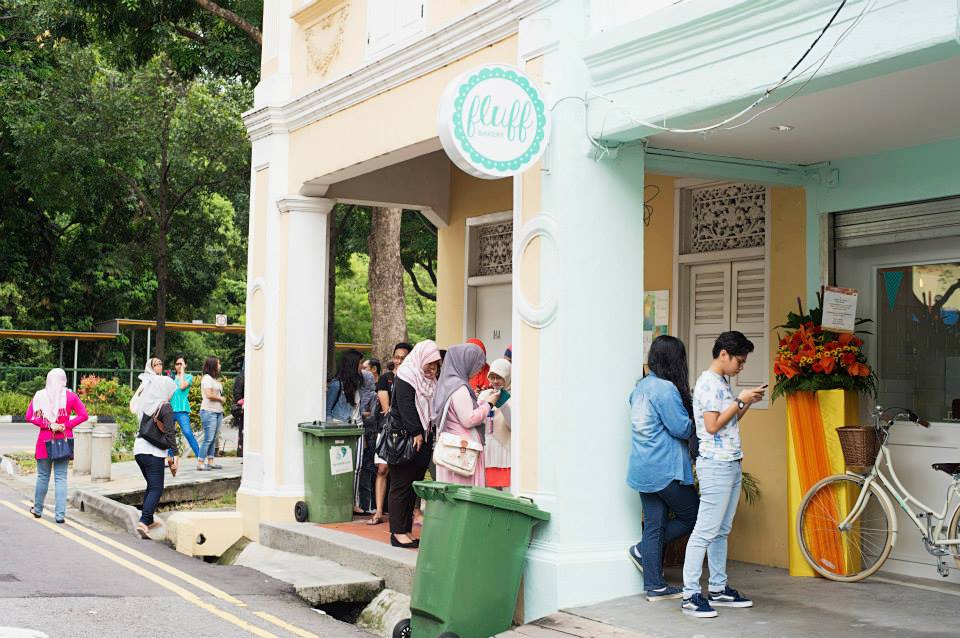
The Projector’s announcement came on the heels of 12-year-old halal bakery Fluff’s own liquidation post on social media, prompting such a massive reaction that some even put together tribute videos. A content creator laments how food influencers have failed the brand, reminding followers to “support the brands you love the most”.
At this point, it feels like a weary pattern. A quirky homegrown business opens. It gets hyped up on Instagram and TikTok. They shutter with a farewell note that cites rising operational costs/out-of-control rent/demanding landlords/volatile market conditions, or all of the above. Fans grieve on social media.
Sometimes these announcements land like a gut punch like it did for The Projector, Fluff Bakery, and Flor Patisserie. The places had the fandom, they had the clout—so why did they fold?
Mourning their loss isn’t enough. We need to ask why this keeps happening, because it can’t just be chalked up to rent. Why can’t Singapore’s most beloved independent businesses last?
Significant, Not Sudden
With the closures of businesses like The Projector and Fluff Bakery, it’s plain to see that beloved doesn’t always mean financially sustainable.
“What looks healthy from the consumer side doesn’t always match what’s happening on the balance sheet,” says realtor Shamir Wahid. “Costs climb faster than sales, and after a while the math just doesn’t work.”
The post-COVID-19 surge in these closures can be attributed to the deceptive “friendlier” rents offered in the “soft” post-pandemic years of 2021 to 2022.
“These rates didn’t last,” says Ridjal Noor, who oversees marketing for local briyani restaurant chain Saffrons Group. “Landlords simply aren’t renewing them.”
Mohan Vithilangam, founder of Singapore Pub Crawl, echoes the lament over steep rents, tax hikes, inflation and supply costs driving millennial businesses into unmanageable debt. Stricter compliance measures have also impacted brick-and-mortar businesses, especially those in F&B, he says.
But economic factors like these are a perennial challenge, says Canadian business consultant Danielle Erickson. The 50-year-old, who does consulting work with local businesses, puts it bluntly: “Globally, independent brick-and-mortar businesses being squeezed by rent, wages and supply costs is not new.”
“The real question here is: Do you have the systems and foresight in place to absorb them? The problem is that many owners haven’t designed their business models to withstand these pressures.”
I’m not saying that landlords and rents aren’t a big factor behind these closures. They absolutely are.
But villifying landlords isn’t going to change a thing. What’s perhaps less convenient—but more impactful—is examining the factors that we can change.
For consumers, that means re-examining our own consumption patterns. For indie businesses, it’s about rethinking how the business is run.
The Millennial Founder Trap
Digital marketing consultant Hatta Aziz admits he had to learn this the hard way.
“When I started my first business, I ran it as if I was still a digital marketing manager at my previous company,” he reflects, noting that many millennial founders started out in the workforce.
“Being a technically skilled employee and being a business owner are two separate things. As a skilled employee, you’re tasked to be excellent in that specific role. When you take that to your business, it often ends up being a critical success, but not a commercial one,” says the 39-year-old, who now runs two digital marketing firms.
“What I should’ve done was step away from the minutiae of the on-ground work and focus on growing the business and revenue.”
And that’s what Calvin Seah and Mustaffa Kamal, founders of The Black Hole Group, have done. Both have stepped back from actively running the business in Singapore, which has expanded from the hole-in-the-wall hostel cafe Working Title on Arab Street to an F&B group with seven restaurant brands and more than 10 outlets islandwide.
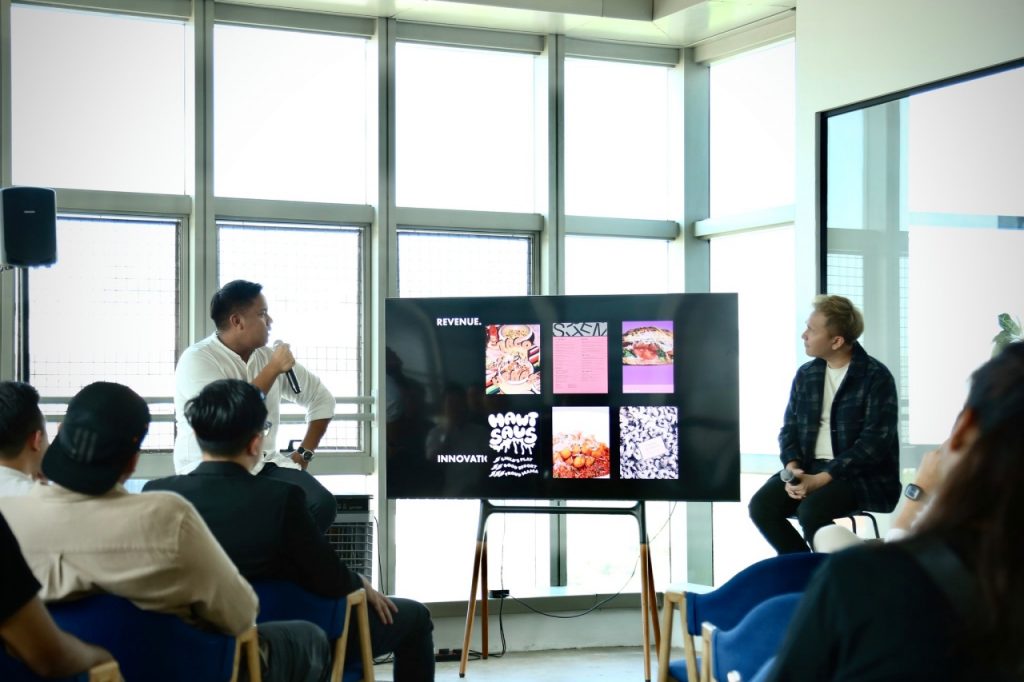
Helming the headquarters in their place is Afiq Sulaiman, who started out as an intern at the company.
Costs are just the surface, says the 30-year-old.
“The harder part is the weight of leadership, lack of mentorship, and the absence of a real support system.”
“When you’re operating in isolation, the burden can be overwhelming, no matter how strong your brand is. Millennial entrepreneurs like us are expected to scale like corporates while still keeping the intimacy of a family business, and the tension leaves many of us feeling isolated.”
That impossible tension results in many business owners chasing every shiny opportunity—expanding too quickly, for example—instead of digging into what actually sustains them.
“In many ways, that lack of focus can be more damaging than rent hikes,” he adds.
Make Room for Culture
All that is to say that the root of the problem goes far deeper than costs. It’s also the absence of cultural and institutional support. Indie entrepreneurs operate in isolation, without the mentorship networks or systemic safety nets that allow experimentation elsewhere.
Ridjal, a veteran businessman and founder of PullUpStand.com, announced in mid-August that he’s restarting his monthly Huddles, where he brings together 20 business owners from diverse backgrounds and industries in a room to network.
“I intend to run a few sessions before I introduce mentoring and personally invest in a few to help them scale faster,” he says, urging young entrepreneurs to ditch the solopreneur mindset and give networking a real chance.
“Don’t just come with a hunting mentality… The philosophy of networking is simple: Givers gain. Plant seeds, create relationships and lend support to each other.”
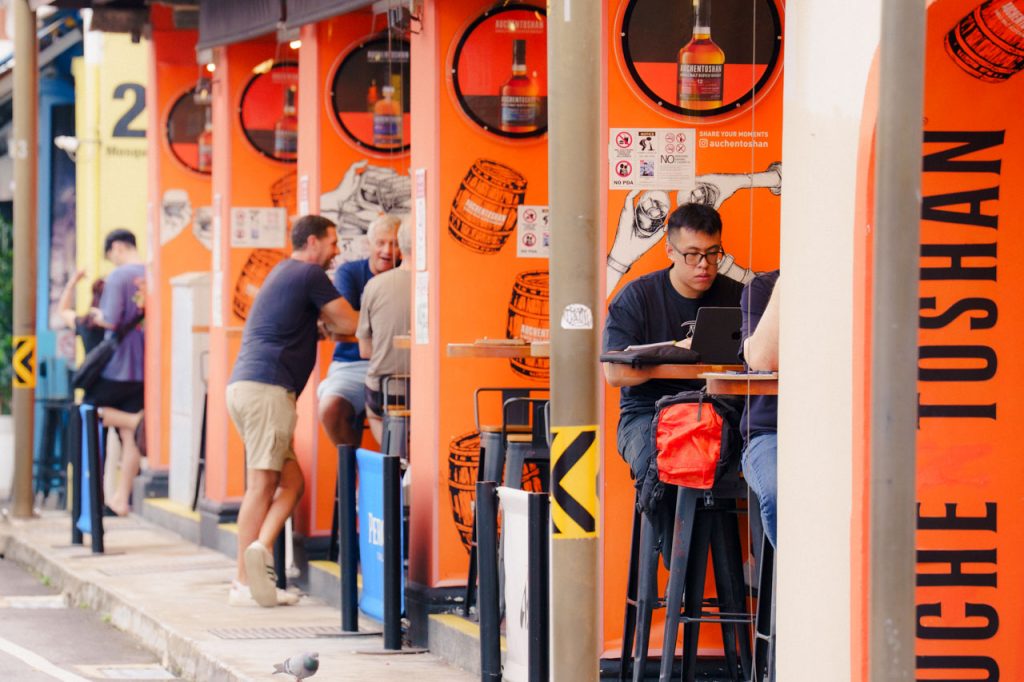
Can customers do anything? Some of the public conversation regarding these closures involves putting the onus on loyal customers to cough up the money to keep these enterprises afloat. But Folcia maintains that businesses are meant to serve them, not the other way around.
“Life here is expensive, and no one should be expected to support businesses just as a gesture—that’s not sustainable.”
“A community isn’t a faceless crowd waiting to rally—it’s something you nurture every day. People only stick around if they feel real value and connection,” he affirms.
Creating something real is a role observers believe the Government can play.
In a fervent Instagram post responding to The Projector’s closure, Singaporean musician Kevin Lester, better known as THELIONCITYBOY, wrote how deep pockets, grants and sponsorships are not enough for anyone—not even the best-loved brands—to survive.
What the city really needs—and in fact, has been needing for a long time now—is space: Space for “new conversations”; space for “alternative ideas”; space for “new ways of thinking, seeing and feeling.”
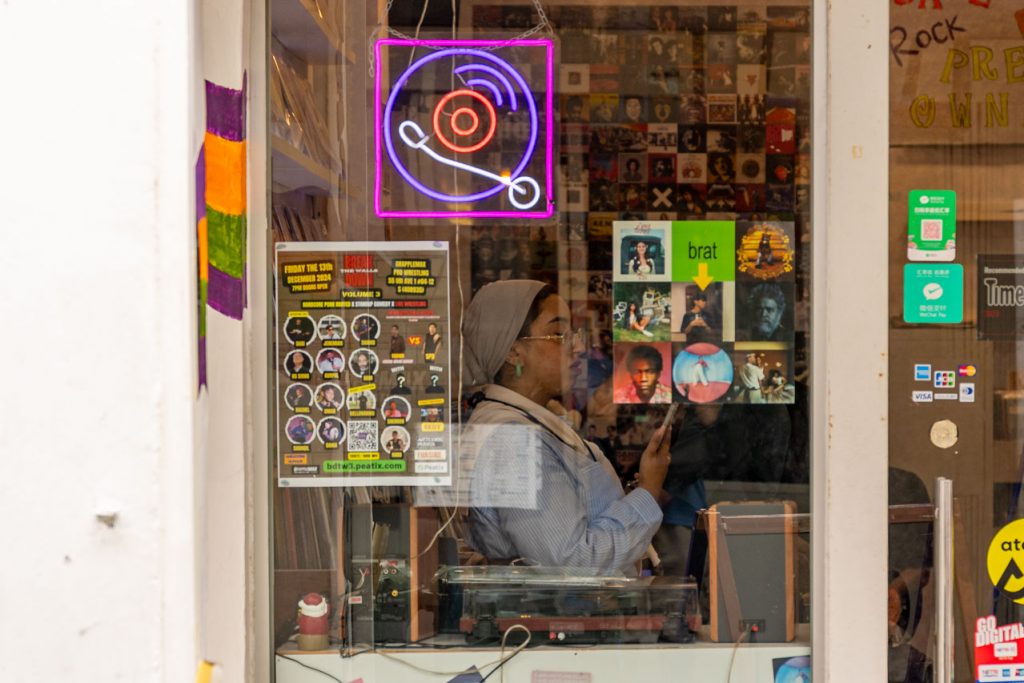
And contrary to the mainstream narrative, it appears we’re not quite short on space.
In Singapore, approximately 90 per cent of the land—or possibly a larger proportion—is state-owned. Back in 2002, then-MP Dr Amy Khor confirmed this figure in Parliament and added that it was “set to grow due to reclamation and acquisition”.
Folcia, who’s lived in Singapore for 15 years, says he’s never seen a country that mirrors this model. If it’s tapped on, it could be a boost for local businesses.
“I’m seeing many unused, state-owned spaces in various neighbourhoods. Instead of leaving them empty, could we instead fill them with things that add value to society?” he asks.
“Filling space isn’t just about property management—it’s about culture and community. The first step is to measure value differently. Right now, everything is judged by money. That’s why indie spaces… stay invisible. Regulators should lead in protecting cultural identity instead of leaving it to the market.”
Other countries show that it’s possible. In France, 1 per cent of the budget for a public building project must be allocated to art—an initiative that has been put into practice since the 1950s. In Italy, notable figures like Martin Scorsese continue to campaign against abandoned theatres being converted into yet more shopping malls and supermarkets. In Canada, the Toronto-based non-profit organisation ArtScape continues its work to transform neglected buildings into spaces for what has been described as “creative placemaking”.
“Singapore could do the same,” Folcia urges. “If regulators, investors, owners and communities work in sync, we could preserve what makes life here worth living—spaces that add meaning, not just prosperity.”
Lester solemnly agrees.
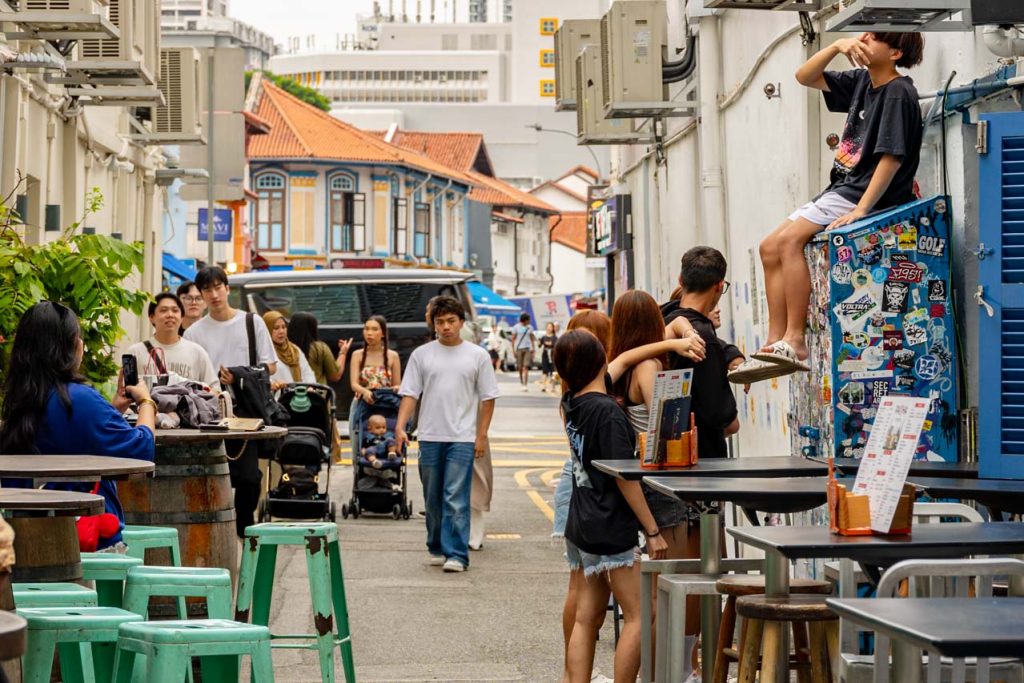
“If the only stories we’re willing to support are the ones backed by state grants, corporate branding, donations… then we’re saying that culture has no space here unless it sells at a premium.”
“Each time we lose a place like (The Projector), the city becomes a little cleaner, a little shinier… and more forgettable,” he adds.
Fluff Bakery and The Projector did not fail because Singaporeans stopped loving them. If anything, their closures proved the opposite. The outpouring of grief was instant and genuine. But love, in an expensive city, is not enough.
The fight is not for customers to spend more out of obligation to “support local”. It is for regulators, investors, and communities to redefine value itself: To see homegrown, independent spaces as essential to the texture of life around here.