Natalia Tan, 25, is a Singapore University of Technology and Design student majoring in Architecture and Sustainable Design.
In this RICE Community Voices piece, Natalia pays tribute to Headquarters, the Boat Quay techno club—and the room that raised her—that’s set to close on May 30, 2026.
All images courtesy of Natalia Tan
I was 18. Fuelled by the kind of overconfidence that ails the young, I climbed up those narrow stairs to Headquarters, half-stumbling in the dim light and fully forgetting that I was about to go clubbing for the first time ever.
To be fair, there was some anxiety too, but excitement loomed larger. At that age, I genuinely believed I had some invisible frequency that made people bend to my will—that the world arranged itself around me if I wanted it badly enough.
Maybe it did. The doors opened, and I walked through.
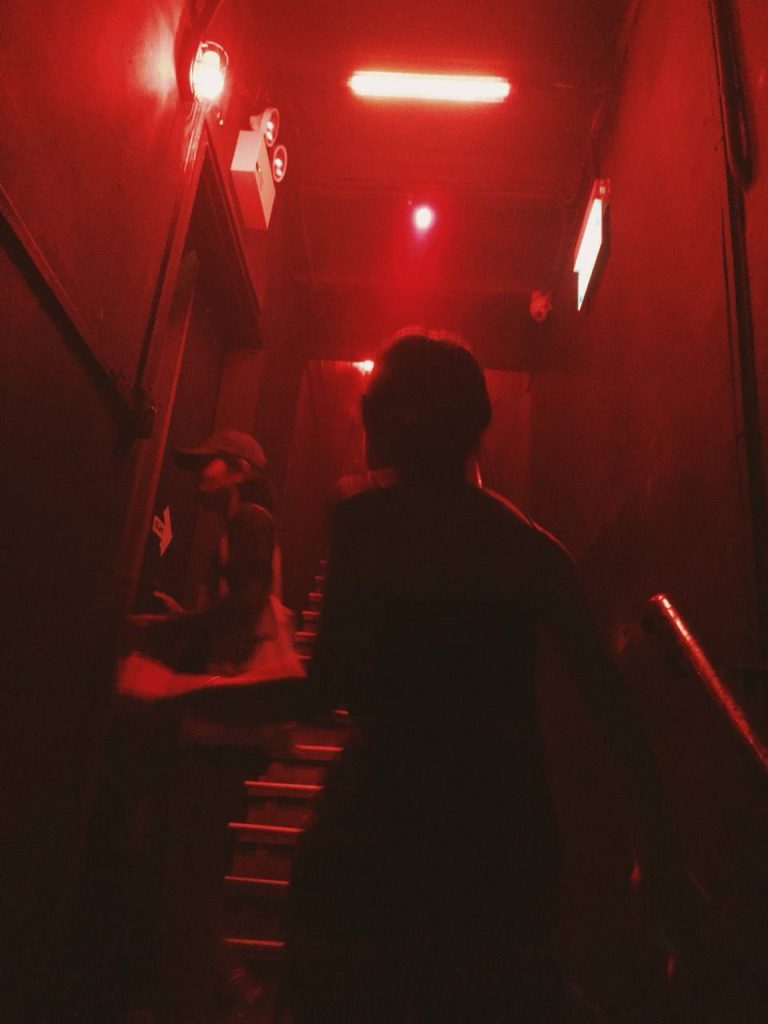
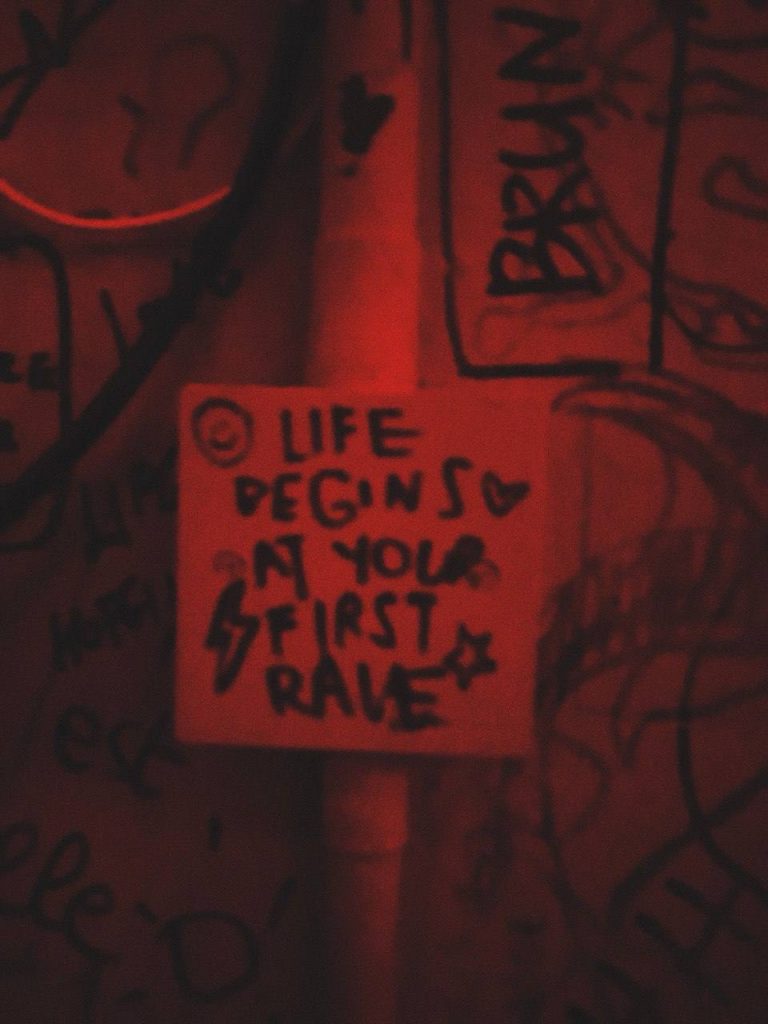
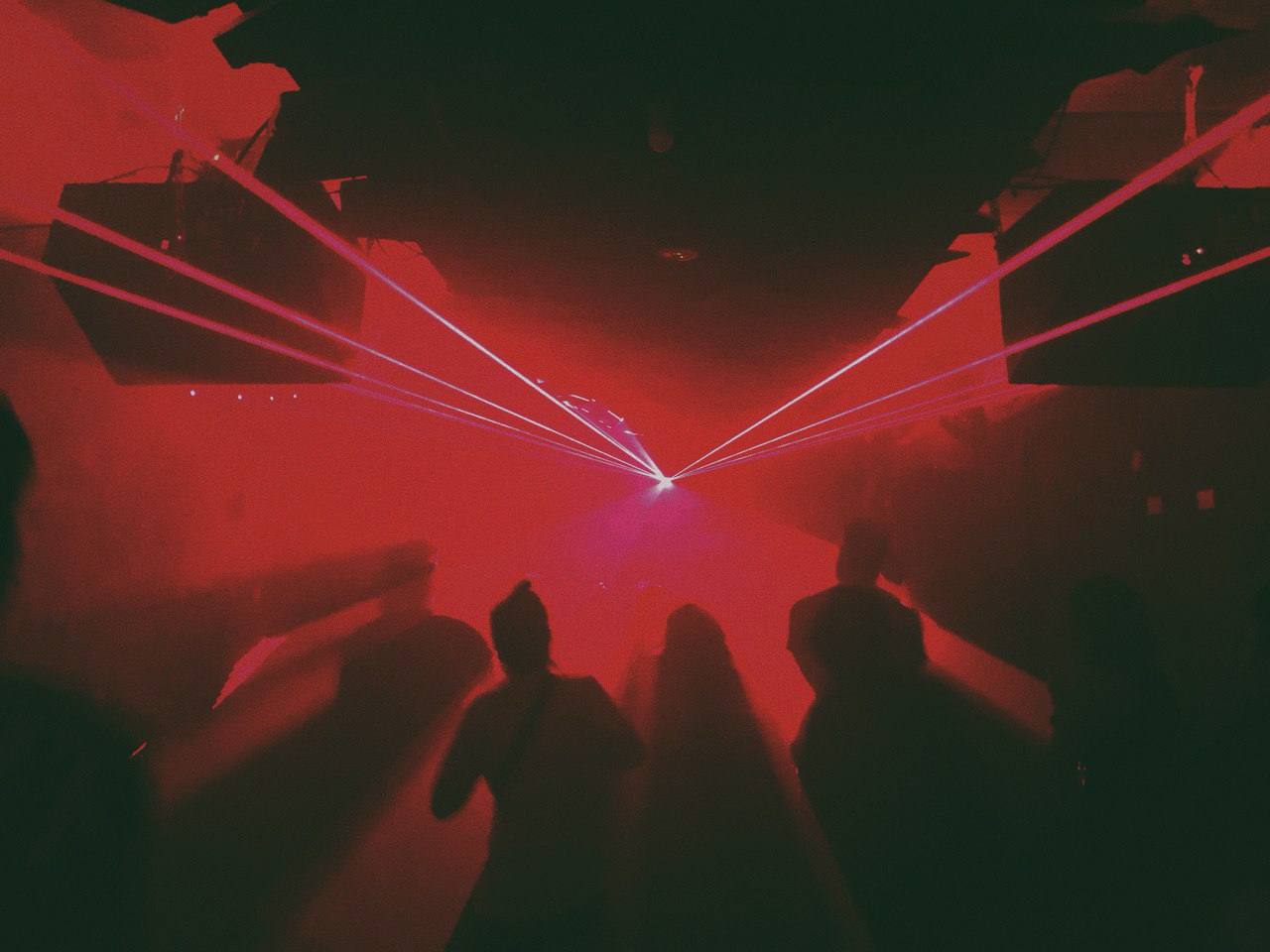
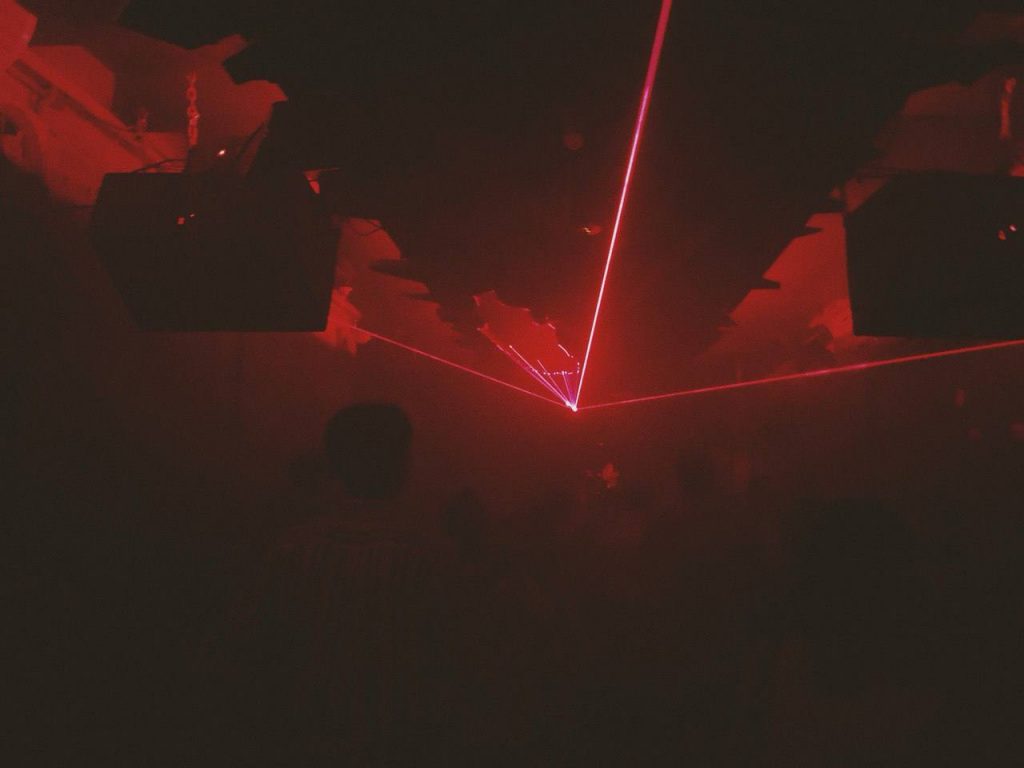
The first thing that hits you is the sweet, resinous, and slightly holy smell: palo santo. Then the red light. Then the fog. Some smoke machine is going absolutely overtime to keep bodies half-hidden, blurring everyone’s edges.
The room was long and dark; the walls were covered in graffiti. Nobody was talking, and nobody came up to me. Nobody cared about this young girl standing in the corner in her little Nike sneakers (that she put a lot of thought into before heading out). It might have been the best I’d felt in years.
At the far end of the room, there was a cage. Inside the cage was a woman, standing behind her DJ console.
I didn’t know her name, and I certainly didn’t know anything about techno, really. But the music she played pulled me into the narrow dance floor, where I somehow ended up in front of the cage. It was where I stayed for the whole duration of the set.
This woman masterminding the mix was focused in a way that felt almost confrontational, and beneath that intensity was this warmth. Without saying a word, she was assertive and powerful, yet sweet. She was mesmerising.
For some reason, I felt compelled to say something to this lady when her set ended, as she stepped out of the cage. Away from the ruby spotlight, her small stature was even more obvious. She was maybe 1.5m tall, and it somehow made that night feel even more perfect. I shook her hand and told her I had never experienced anything like that.
She took the compliment kindly. Her name was Eileen Chan, and she was the founder of Headquarters by The Council.
I returned every weekend.
Escape to Boat Quay
I should explain how I even got there in the first place. I had never been to a club before—not Zouk, not Drip or whatever these sober raves are called now. It never felt like I was missing out either. I’ve always had a small, quiet life, and I liked it that way.
I made friends who started pulling me to watch live DJ sets in Singapore—a seemingly underground world I didn’t even know existed. I was in an ivory tower, and knowing that we had a thriving techno scene cracked a window open.
Quite literally, actually. Every weekend, I climbed out my window, walked on the perimeter wall of my house, cut through my neighbour’s yard, and jumped over their gate. I made my way to Boat Quay and met friends at the stepped stairs by the Singapore River.
We drank, we laughed, and we pissed in the river. Then we went up the stairs to Headquarters and danced the whole night until we were sweaty and drunk and barely holding it together.
Every weekend felt like a righteous release from the version of myself I wore in front of family. Headquarters was a safe haven that drew in kids who didn’t feel they fit into the Singaporean script. I met queer kids; I met people whose families had given up trying to understand them—or whose families were straight up fucked. I met so many who were caught between expectations, between who they were supposed to be and whoever they were actually becoming.
This must be the place. Nobody had to be performative; it was just us in the dark giving ourselves entirely to the music.
Eileen’s Designs
Eileen had a firm philosophy for Headquarters. She built this raw space with a council of people who truly gave a damn about the music, and the music was true Berlin techno.
It felt like a defiant act, especially against a backdrop of the crowd-pleasing EDM my peers were losing their minds over. This music didn’t want to please you. It just kept moving forward relentlessly, not building toward anything you could anticipate.
There’s a hypnotic darkness to German techno, and within the crimson hue of Headquarters, it even felt a little dangerous.
Every time I thought I’d caught up with what I was feeling, it shifted. The rhythm just kept moving forward, and it kept pulling the floor out from under me. It was something that broke my teenage conceit—that realisation there are so many things in the world I’ve yet to discover. Headquarters raised me.
I wish Eileen could have seen me grow up, too. At the age of 32, she passed away. Her death was mourned by the global dance music community, but what I kept thinking about was what she’d built here in this country, for people who had nowhere else to go.
I returned a couple of times to the same stairs, the same red light, the same fog. Things didn’t feel the same.
The room started changing; it began filling up with different energy. A lot louder and less safe. Men—older and expatriate in nature—talking at full volume on the dance floor, ignoring the music, spilling drinks, and hitting on girls far too young for them.
I know how this goes. Scenes get discovered and then consumed. Cities evolve, money moves in, and capital eventually pulls the soul apart. It’s not personal.
But I didn’t have to stay and watch. I stopped going. I bade farewell to Headquarters years before the lights go out for good on May 30th.
I still think about the potency of people and the infrastructures they inhabit. Now, at 25, I’m writing this from Japan, doing an architecture internship. Maybe all those years growing up in Headquarters shaped the way I think about the deliberateness that goes into design, like what Eileen and her team built.
Spaces like these survive on the will of whoever built it, and when that person is gone, the walls stay up, but something else leaves.
But soon, even those walls are coming down too.
I think about the girl who climbed those stairs years ago—overconfident, naive. Who the hell did she think she was? But I’m grateful she walked through the door; I’m grateful the music never once let her believe she had it all figured out.