This story is part of RICE Media’s Storytellers initiative, a mentorship programme for budding content creators to learn about the art of creative non-fiction. This piece is a product of a partnership between RICE Media and Singapore Management University (SMU) for its Professional Writing module.
Top image: Zachary Tan / RICE file photo
“Mummy has breast cancer…”
It felt like a weight dropped on my chest. I couldn’t breathe.
“Daddy and I didn’t want to tell you and your brother while you were doing your internship. We really didn’t want to worry you, but now that it’s over, we thought you should know.”
The words landed softly—almost too softly—as if gentleness could make them hurt less. I went completely quiet.
I remember my mother’s voice tightening, holding herself together for her kids. How could I cry when she was trying so hard not to?
I did the only thing I could; the only thing I knew how to do. I comforted her.
“Everything is going to be okay, Mum,” I said, my voice cracking. The words tasted like a lie even as they left my mouth.
That night, alone in my room, the questions came like waves I couldn’t hold back. How could this happen to my mum? The one who was always sacrificing herself for others? The one who had always been healthy, the one who cared so deeply for everyone else?
And then other questions surfaced.
How scared was she when she first heard the news? Was there anything she wanted to say to her loved ones but didn’t know how to put into words? How is she coming to terms with the knowledge of possible death?
We had never really talked about things like this before. Conversations about death were always left unspoken. And now, when it suddenly mattered, I didn’t know how to even begin asking—but I’m sure I’m not the only one who has felt this way.
The Silence We Call Love
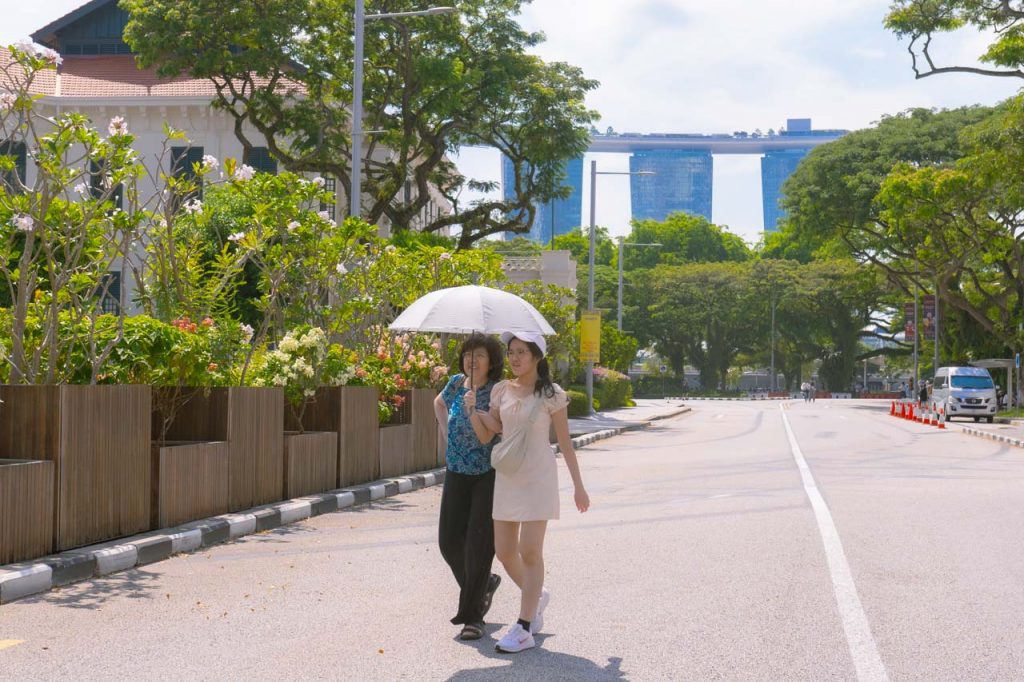
In our stoically Singaporean way, expressions of love within my family took quiet, practical forms. Herbal soups brewed at the first sign of illness. The ever-familiar “Have you eaten?”
But my mother’s cancer diagnosis shone a light on another act of love: the unspoken pact to shield one another from emotional pain.
We protected each other by keeping difficult conversations unspoken. “Choi” (“touch wood”) was used to ward off bad luck, and it became our family’s way to shield ourselves from anything too heavy to hold.
I’d always felt a little strange about how deeply death affected me. As a child, I would sit in the back of the car after a funeral, tears silently rolling down my cheeks as my father drove us home. What if one day it were someone in my own family?
But I never voiced it. Not once.
This silence runs deep in many Singaporean families, rooted partly in superstition, partly in stoicism. To speak of death is to invite it; to show fear is to burden the ones you love. So nobody speaks.
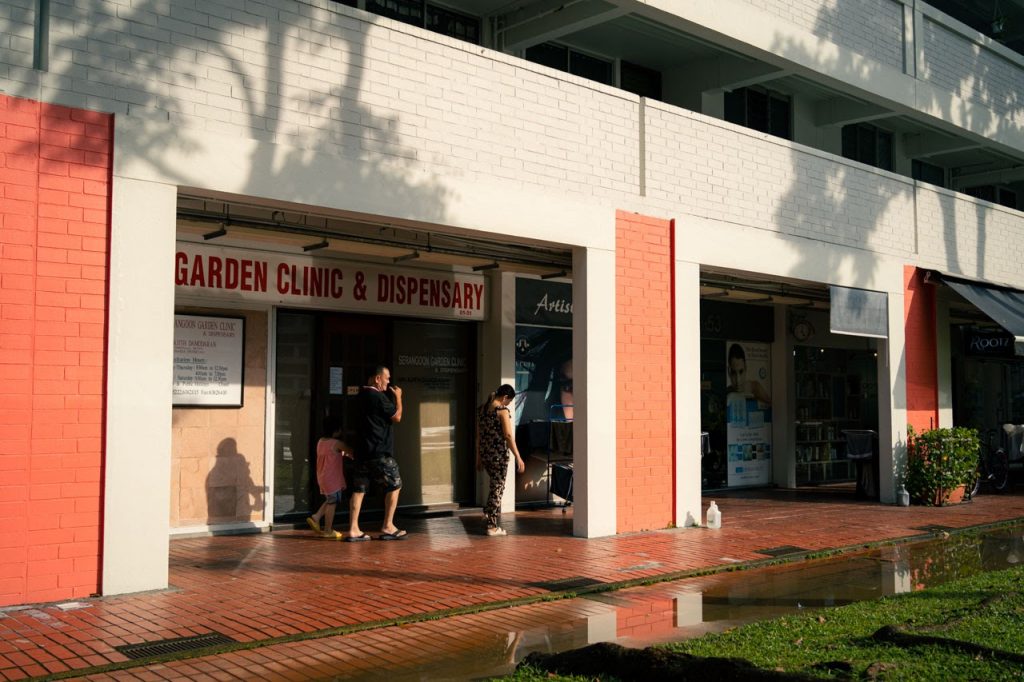
Sometimes, even doctors are asked not to fully disclose a diagnosis, out of fear that the truth might take away hope or bring misfortune. What’s intended as kindness often leaves people carrying their fear alone and their loved ones in the dark.
My mum’s diagnosis shattered that illusion. When my parents finally gathered my younger brother and me to let us in on what had been happening, the weight of their silence hit me like a bodily blow. They had shouldered the fear, the hospital visits, and the scans just so I could finish my internship without, as they defined it, “distractions”.
When Every Moment Starts to Feel Like the Last
The weeks that followed became a blur of sterile hospital corridors, the sharp smell of antiseptic, and chemotherapy’s vicious side effects.
One evening after her chemotherapy session, I found Mum resting on her bed, looking smaller than I had ever seen her. Her hair was thinning visibly, its soft strands drooping onto the pillow whenever she moved. Blotchy patches had begun to appear on her skin—hyperpigmentation being a common side effect of the treatment. Her once-strong frame now seemed fragile, her shoulders slightly hunched under the weight of exhaustion.
I sat beside her and gently took her hand—the same hand that had stirred pots of herbal soup late into the night, and gently patted my back when I came home crying about something that went wrong.
Now, every ordinary moment carries the quiet weight of “What if this is the last time?”
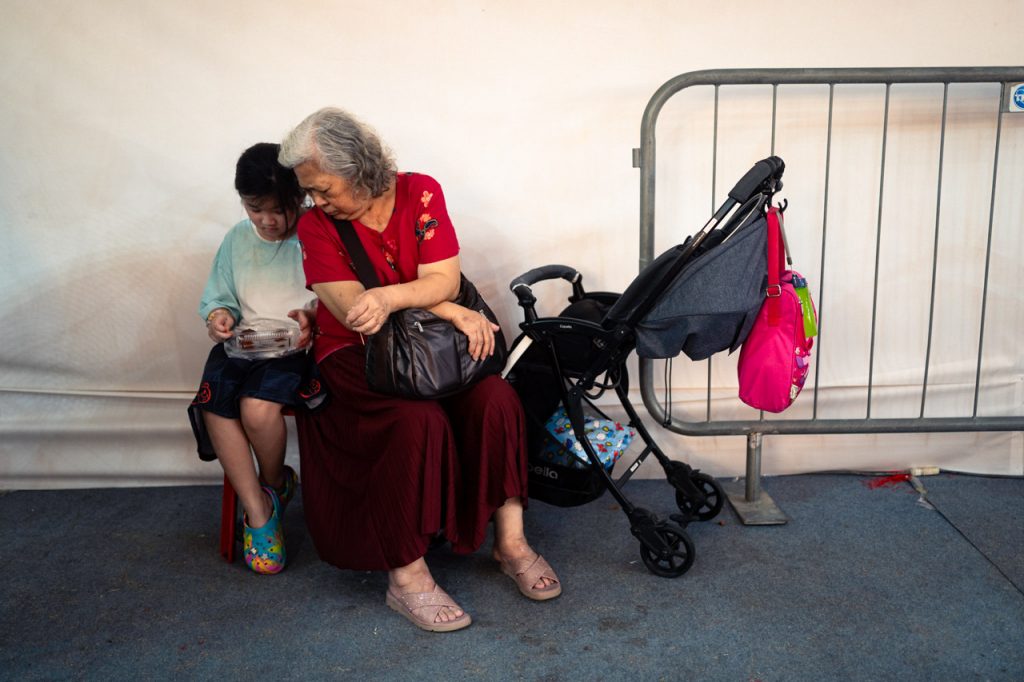
Anticipatory grief is a strange, cruel thing. You’re mourning someone who’s still here, so it feels uncouth to let those thoughts in. Yet they colour every interaction—hugs last a little longer, simple family dinners become things I want to create core memories around.
We started opening up, slowly and awkwardly at first. Cancer left no room for avoidance.
One afternoon, I forced out the question burning in my chest: “Mum, are you ever scared of dying?”
I couldn’t look her in the eyes. She paused before answering, admitting softly that she was. There was a calm acceptance in her voice that unsettled me. She spoke about death as something inevitable, something she could not control.
I found myself asking more, even though each probing inquiry felt scary to utter out loud. I asked what scared her most. She told me it was not the physical act of dying, but the thought of leaving us behind.
For the first time, our conversation did not stop at reassurance. Neither did we retreat into familiar phrases about staying strong or getting through it. Instead, we stayed in the discomfort. I asked if there was anything she still wanted to do or anything she felt she had not had the chance to do.
She paused, as if the question had caught her off guard. Then she said she had always wanted to try something ‘artsy’. She also mentioned travelling, seeing more of the world beyond the routines she had spent most of her life in.
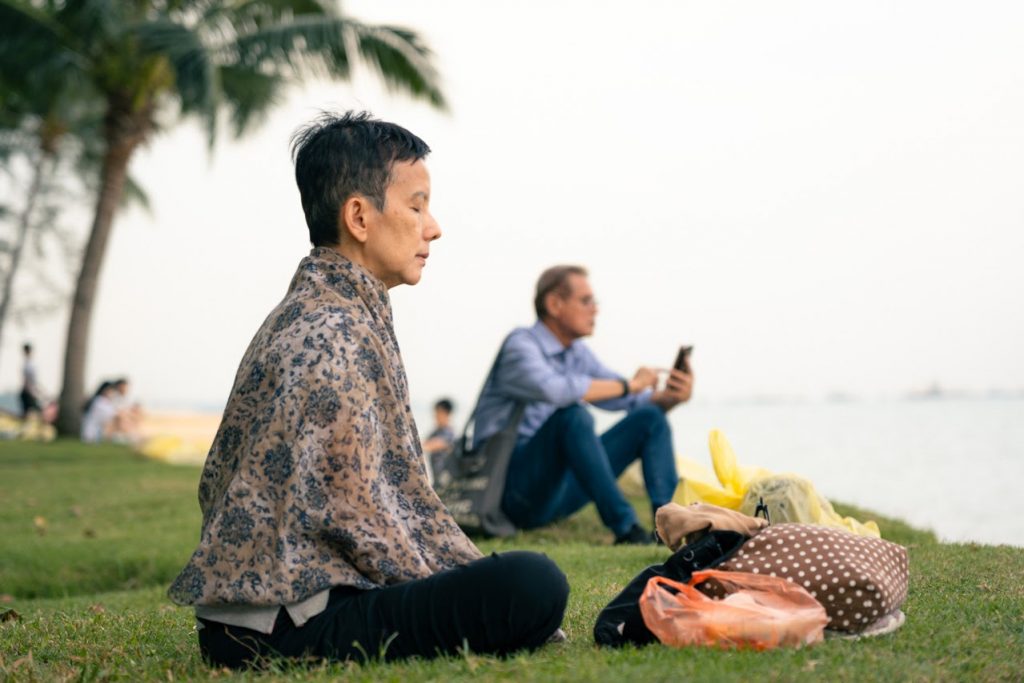
I realised that those things were just parts of her life that had been set aside over the years while taking care of everyone else. It was a side of her I’d never have known had I not felt compelled to ask before I no longer had the chance to.
The conversations we had didn’t erase the fear or the bitterness, but they made the fear feel a little less lonely. For the first time, we were facing it together instead of carrying it on separately in silence.
The Urgency of Love and Life
There was a point in time in my raw turmoil that I kept asking: Why does death have to exist?
As the weeks went by, I found my own answers. Without the possibility of loss, it’s easy to move through life without paying attention. To assume there will always be more time for more conversations and infinite chances to say what we truly mean.
But when that assumption is taken away, everything becomes clearer. It gives our days urgency; it makes love feel fierce and intentional.
So we hold on a little longer and listen more carefully. Because to acknowledge death is to also acknowledge how much of life we have been living without fully seeing it.
Illness forced our family to confront what we had avoided for years, but in that confrontation, love began to look different. Love wasn’t just about protection anymore. It became about sitting together in fear and asking each other the tough questions. We spoke about death in ways we never had before: about fear, about time, about what mattered if things did not go the way we hoped.
We started worrying less about the old constraints of “don’t talk about it,” and letting ourselves say things we once thought were better left unsaid. We were finally being honest with each other.
Before it’s Too Late
There is no clean, tidy ending to this story just yet. My family is still learning how to live with uncertainty.
Some days, hope feels strong after a good scan result. Other days, fear returns in waves, leaving me anxiously reaching for her hand. Coping has become a series of small, deeply human acts, like crying quietly in a room where no one can see, laughing over old photos until sad tears mix with joy, and holding on to ordinary moments as if they are fragile gifts.
My mother’s cancer has taught me that fear and love often share the same heart. I can be deeply afraid and still deeply hopeful; I can grieve the loss of our old certainty while still treasuring every ordinary evening at home with her.
These contradictions do not cancel each other out. They simply make us human.
It made me wonder how many Singaporean families out there are carrying unasked questions and unspoken fears, believing there will always be more time.
Maybe there will be.
Maybe there won’t.
But if this has taught me anything, it is this: the conversations we avoid do not become less important just because we push them away. They only become harder when life finally forces them upon us.
And sometimes, the deepest way to love someone is to find the courage to speak the words before life forces them out of you.
Truthfully, I am still scared. But every single day, I cherish every moment of being afraid. In that tender, aching space between fear and love, our family is slowly, painfully, and beautifully learning how to die well… so that we can finally learn how to live well while we still can.