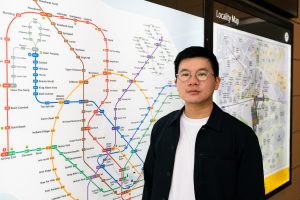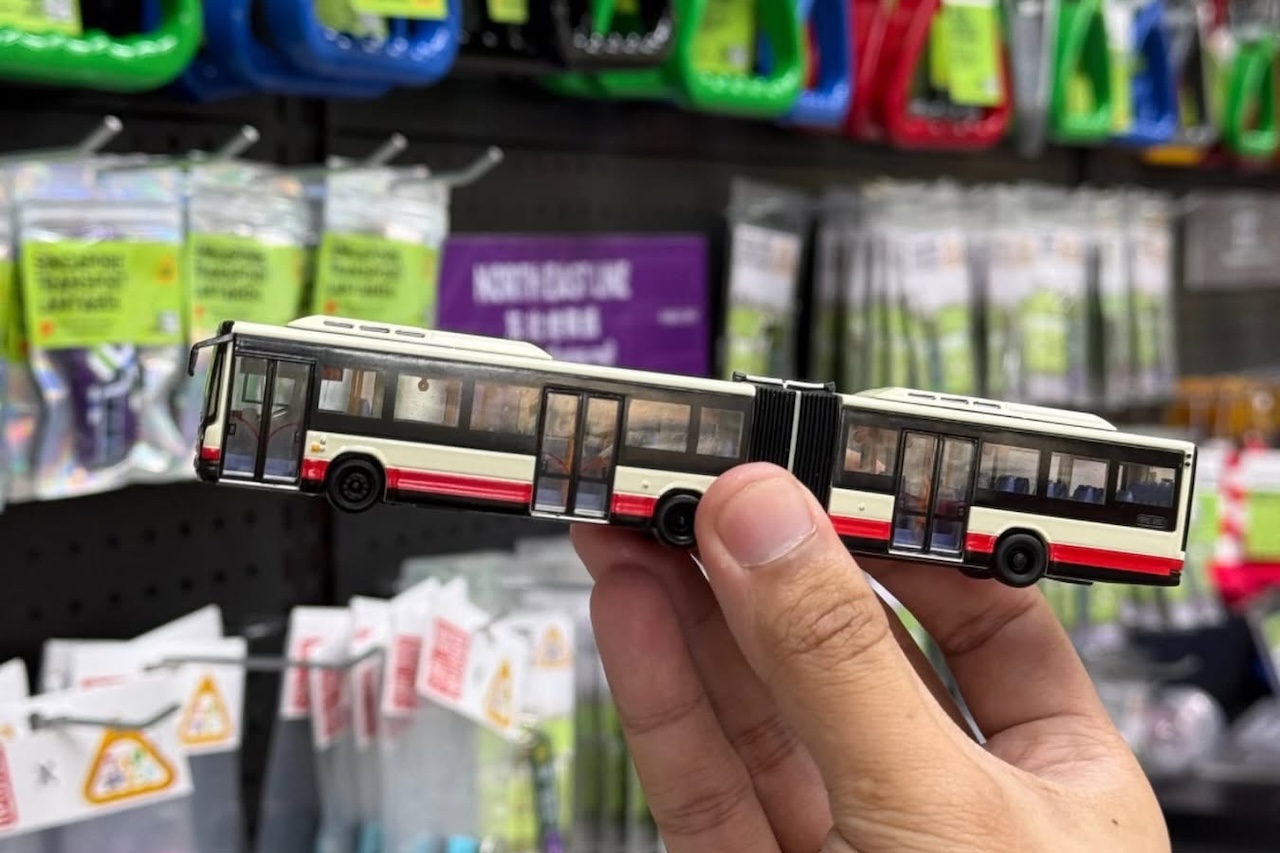
Danial Sim, 28, is the founder of Tap Space, a label dedicated to miniatures and memorabilia of Singapore’s MRT and buses across different eras, now with a storefront in Burlington Square.
In this RICE Community Voices piece, he makes a case for the parts of the daily commute we’ve trained ourselves to stop seeing—and why the things we stop noticing are the ones we end up missing.
Top image: Tap Space SG / Facebook
Some of my childhood memories from commuting across Singapore have nothing to do with getting from one place to another.
I remember the old fabric upholstery on bus seats, for example. They were far more comfortable than the hard plastic ones we have today—but they had an incredible ability to trap dust. Every now and then, someone would smack the seat before sitting down. A small puff of dirt and long-trapped odours would blast upwards.
I also remember how bus rides felt before air-conditioning became the standard. On sweltering afternoons, the heat settled inside the cabin and stayed trapped, even with the windows open. The real challenge, however, came when it started pouring. Suddenly, everyone would leap into action, trying to shut the windows. Half the time, they were stuck, and the person sitting next to them would just have to enjoy the cool rain splashing their laps.
I still remember the deep, rumbling growl of older diesel buses when they paused at traffic lights and bus stops. They weren’t particularly quiet or comfortable (or environmentally friendly), but they had character. Every bus ride felt alive in a way that’s difficult to explain today.
I remember staying late in Nanyang Polytechnic for my CCA commitments before rushing to catch the last train home. One of my favourite stretches was between Khatib and Yio Chu Kang. I spent those rides staring out of the window, wondering what the landscape might have looked like if the old Disneyland plans for Singapore had actually gone ahead. Every time the train passed through that stretch, I imagined a completely different skyline.
When I share these stories with people I meet through Tap Space, I realise I’m not alone in these experiences. I got to meet enthusiasts who wake up at the crack of dawn to witness the opening of a train line. Even collectors who preserve old tickets, maps, train signs, and route information.
Many of the people I meet today aren’t the typical transport enthusiasts—they don’t know fleet numbers or train models, for instance. But what they do know the route they took to secondary school. The train station where they met someone important. The bus service that brought their tired bodies home every day during their National Service days.
When Singaporeans mourn the loss of buildings, spaces, shops, hawker stalls, and commuting services, they are rarely mourning the object itself. They’re grieving the part of their life attached to it.
When Routes and Routines Disappear
One of the strangest things about growing up in Singapore is how quickly you get used to change.
A building you’ve walked past your entire life suddenly disappears behind construction hoardings. A familiar neighbourhood gets redeveloped, a coffee shop closes, a route changes. Before long, the new version settles in, and life carries on. This city replaces itself faster than most people can keep up. Permanence is a luxury we can’t seem to afford.
We feel it most on public transport commutes, the one part of life in Singapore we can’t avoid touching every day.
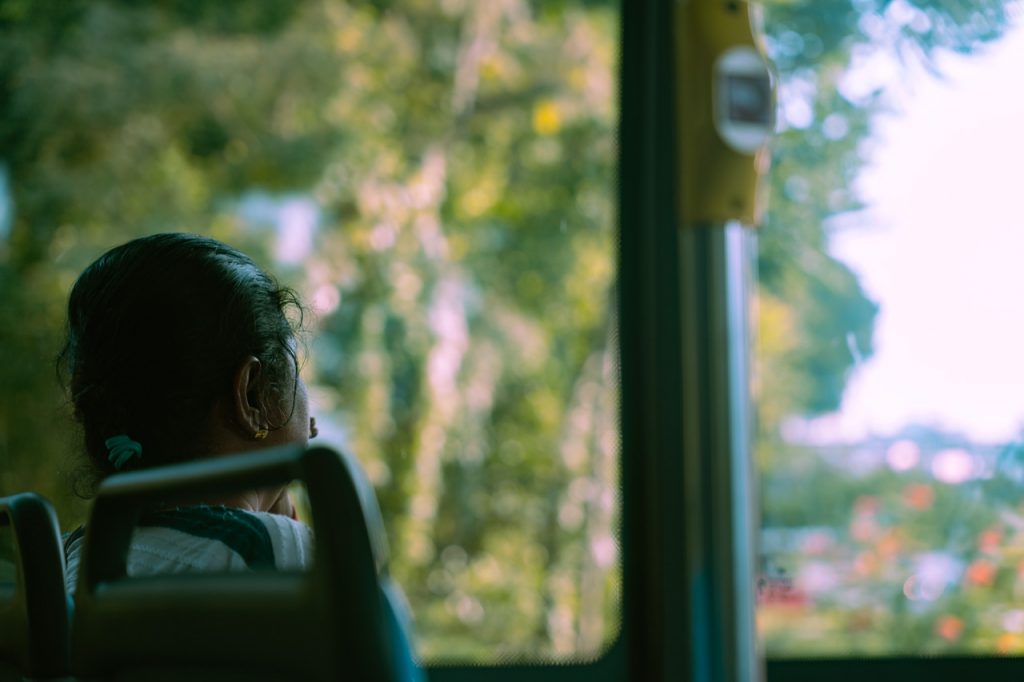
Today’s buses are objectively better in many ways—cleaner, more environmentally friendly, more inclusive, far more comfortable. Yet whenever I board one of the newer electric buses, I sometimes feel like I’m moving through the city inside a floating box. The roar, vibration and character that once defined the journey have gradually faded into near silence.
The older fleets came in colours that felt distinctive and memorable. Red. Yellow. Liveries that stood out immediately. Today’s green branding is undeniably iconic, but after seeing it everywhere for so many years, I sometimes wonder if we’ve lost a little bit of that personality.
The trains tell a similar story, too. Looking back, the cabins—those ones with orange seats—were cramped and occasionally stuffy. Yet there was something oddly comforting about them. As a child, I remember staring at the yellowing cabin walls, wondering if they had always been that colour or if it was time that decayed its hue.
I never imagined those details would matter to me. Then one day, they were gone.
Anchors of Memory
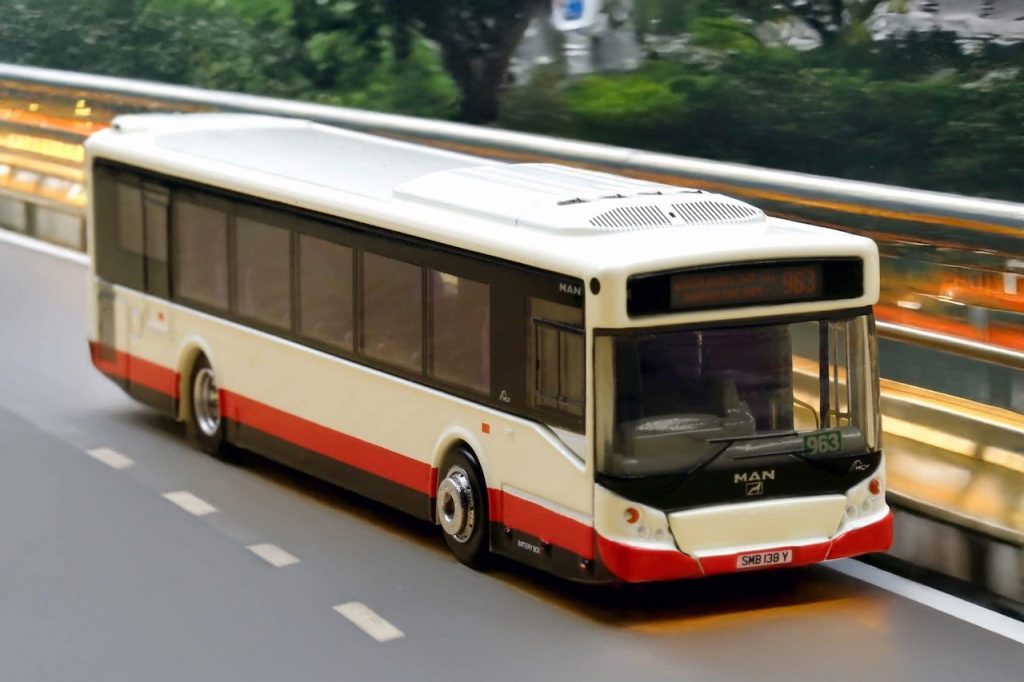
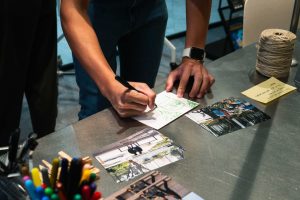
I created Tap Space as a preservation effort—turning overlooked transport details into physical objects people could hold on to. The products become anchors of memory long after the real thing disappears.
One time, I was interacting with Japanese customers during a pop-up event. Shirai, one of the customers, immediately reached for a Redhill MRT station keychain. When I asked why, she smiled and told me she used to live there while working in Singapore years ago. She also picked up the Great World keychain because it reminded her of meeting friends there after work. Others gravitated towards Orchard and Somerset because they associated those stations with weekends spent wandering through Takashimaya.
I’m increasingly finding that the things Tap Space creates serve as catalysts for people to share the memories they associate with their commutes. Whenever we release designs inspired by older buses or retired train models, people immediately talk about discontinued routes, the buses they grew up riding, or journeys they used to make with family members who’ve passed.
The longer I spend speaking to people, the more convinced I am that we often don’t realise how much a place means to us until it changes.
And if we stop noticing the spaces we move through every day, what happens to our relationship with the place we call home?
The Weirdness of Caring
Back when I was in school, nobody really cared about train and bus models, or whether a certain route was disappearing soon. Meanwhile, I noticed differences in engines, interiors, sounds, and even how certain vehicles felt when they pulled away from a stop.
I can understand why it seemed so strange. While my friends were spending weekends doing things normal teenagers do, I spent hours at bus interchanges taking photographs of vehicles. I felt a genuine sense of loss whenever a familiar bus or train was decommissioned, watching them go on their final routes.
Saying it out loud now sounds slightly ridiculous.
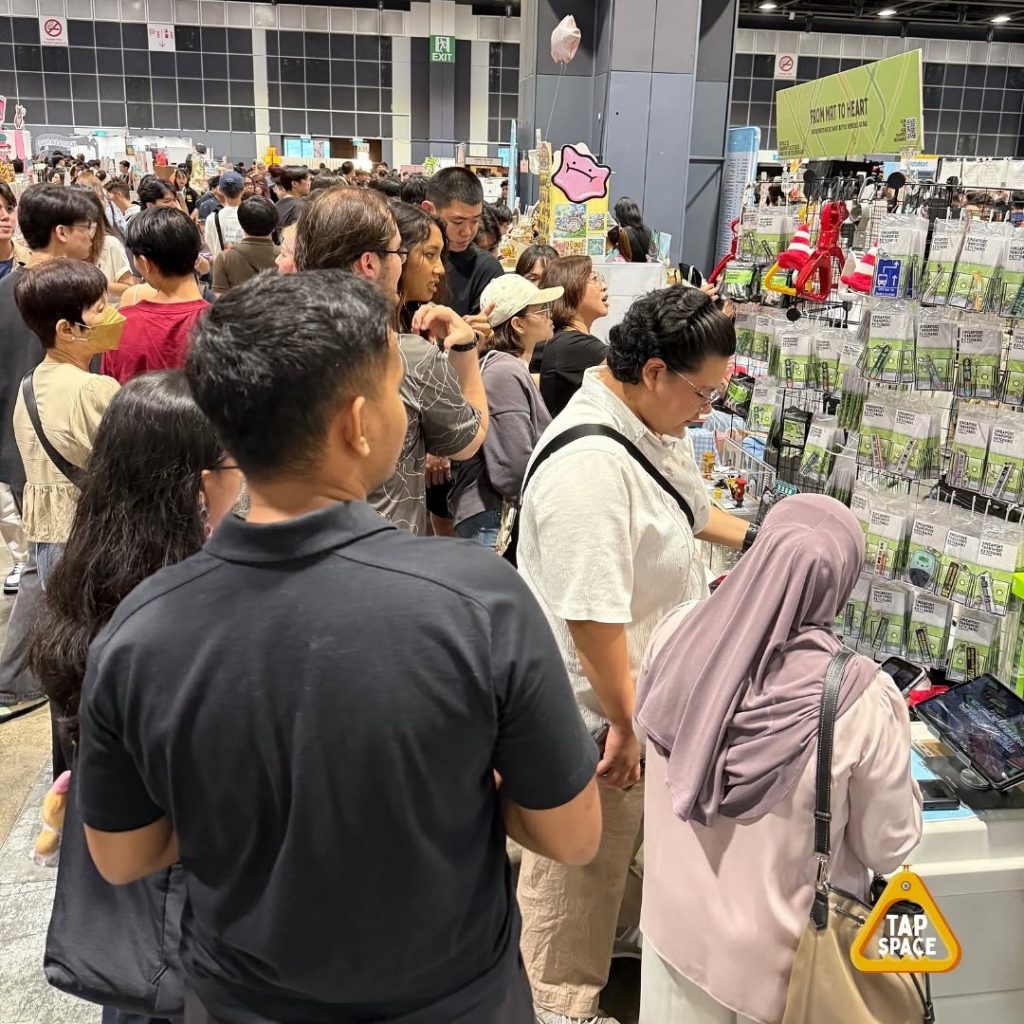
So when I started Tap Space, I thought I’d just be serving my tight-knit community of transport enthusiasts—many of whom have since stepped into the industry themselves.
But I’ve since realised that everyday people too have a stake in it. I see it when a parent crouches down to their toddler’s eye level, grinning at a bus stop diorama. I see it when they pick up one of my collectibles and pause—like they’re looking at a version of their life they didn’t realise they missed until it was in their hands.
It turns out plenty of people have been missing the same things I have. They just never had anything tangible to hold.
Please Mind the Platform Gap
Public transport is the backdrop to so much of our lives that we barely register it as it happens. And I get why! Long days leave you wrung out, and the ride home is the only unstructured moment in the whole day. It’s the one window you get to zone out between work, school, errands, or whatever else is waiting—so of course you might spend it scrolling on your phone.
Subconsciously, though, those sensory details on a commute lodge themselves somewhere deeper and start to carry weight. The sharp banking turn near Joo Koon. The announcement asking passengers to hold on to the handrails as the train changes tracks at Jurong East. The station broadcasting “help keep our stations and trains clean”—the one you’ve heard so many times that it’s part of your internal soundtrack.
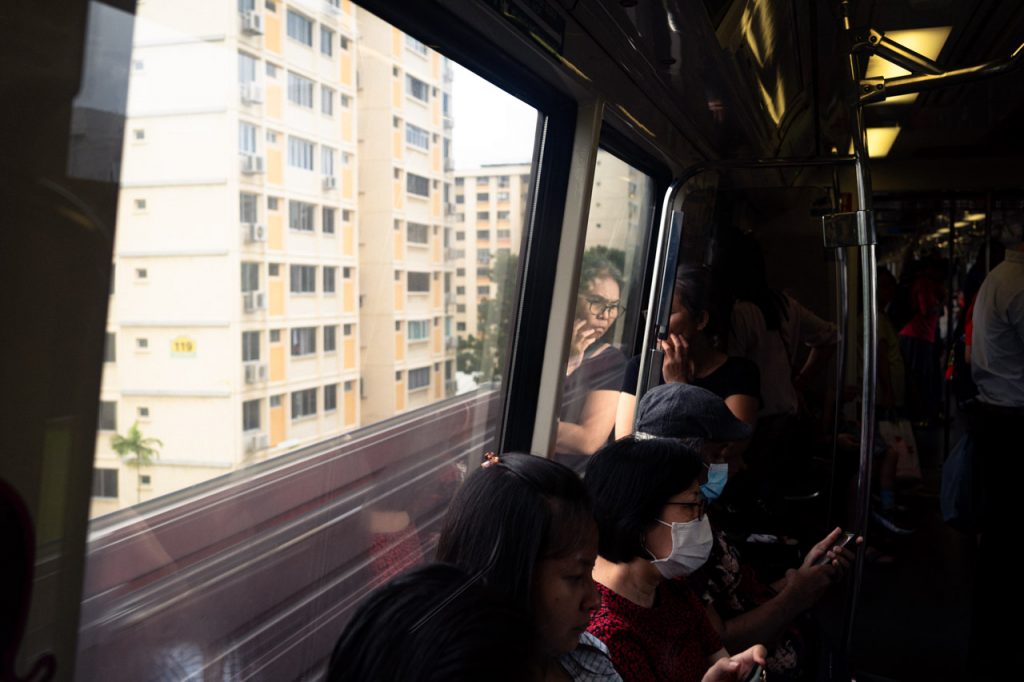
Singaporeans often talk about identity through food, language, or landmarks. But infrastructure shapes us too. Buses and trains become mobile containers for things like routine, exhaustion, growth, friendship, and memory. They’re where a huge portion of Singaporean life unfolds.
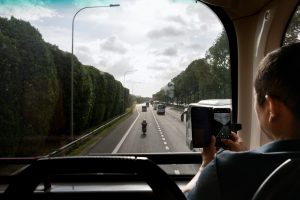
Maybe that’s why, after all these years, I still find myself looking out of the window. But I’m not searching for anything in particular. I’m just trying to remind myself that I’m still here, moving through a city I thought I already knew.