This story is part of RICE Media’s Storytellers initiative, a mentorship programme for budding content creators to learn about the art of creative non-fiction. This piece is a product of a partnership between RICE Media and Singapore Management University (SMU) for its Professional Writing module.
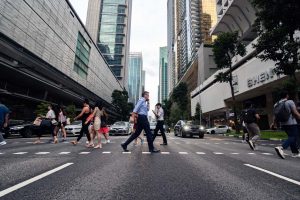
Top image: Anna Grace Wang / RICE file photo
At Philadelphia International Airport, a Singaporean student stands at the check-in counter, carrying four years of memories made at Pennsylvania State University—memories of late-night study sessions, cold winter storms, and friendships that deepened into chosen family.
Kate* is finally heading home; she’s looking forward to hawker breakfasts, familiar faces, and the hot and humid weather she secretly missed. The excitement of returning home is real, but so is the deepening pit in her stomach.
The job market in Singapore is tough, her family and friends back home say. She worries about what she’s returning to. Deep down, she’s afraid of going back without a job lined up.
For the past four months, Kate has been applying endlessly, reopening the same LinkedIn page every day without fail, reading job descriptions until her eyes blur and applying to any new job listing. Sometimes she’s not even reading the descriptions before clicking the ‘Apply’ button, hoping for any reply she can get.
Kate is just one of the many graduates coming home to Singapore in this bleak job market.
The Appeal Abroad
As the job market tightens and ‘safe’ industries wobble, the old path to success in Singapore is showing its cracks.
A CNA straw poll of 2024 and 2025 local graduates found that 26.7 percent had yet to secure full-time work, with a quarter unsure about acquiring a job in the next six months. Respondents cited intense competition, lengthy hiring processes, and unclear employer expectations as some of the top reasons.
With the old formula breaking down, many graduates find themselves in limbo, let down by the system that once promised success and stability.
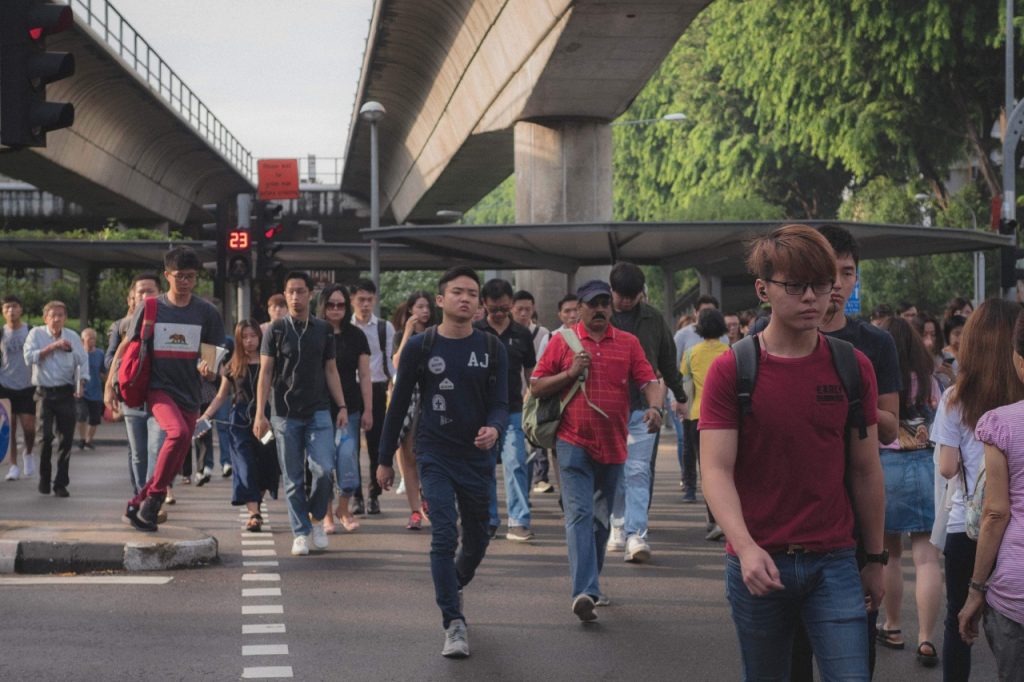
This uncertainty doesn’t only affect graduates from local colleges. For the thousands of Singaporeans who study abroad each year, the question of whether to stay overseas or return home becomes even more complicated.
In 2023, Singapore recorded 21,666 students studying abroad. With today’s youth feeling the pinch of today’s job market, some Singaporeans are now looking abroad—and not just for higher education. Because if opportunity no longer feels within reach within the island’s borders, maybe the next best thing is to go somewhere else.
Kate is part of that wave, trying to figure out if the world beyond Singapore really does offer more room to breathe. After graduating in 2025 from Pennsylvania State University, returning home felt bittersweet.
“I enjoyed my time at Penn State,” she explains. “I actually had a hard time right after graduation because I was coming back to Singapore, and I was very sad that I would not see my friends again for a long time. They were my family when I was there.”
The thought of job hunting only added to the weight: “The job market was something I was anxious about; it was also almost impossible to find a job [in the US], so I was worried about the situation in Singapore. Especially since I lack the ‘local experience’.”

Despite an increasingly uncertain geopolitical climate today, the allure of studying overseas hasn’t dimmed. In fact, it’s only getting stronger.
Educational consultancy Crimson Education recently reported a nearly 5 percent increase in Singaporean applications to US universities in 2025 compared to 2024—a small but telling bump.
“Many also understand that the landscape may change, particularly for those applying in a few years from now,” says Joanne Gao, Director of Asia at Crimson Education, in comments to CNA.
“So while they’re mindful of the risks, they’re also thinking long-term and weighing the opportunities that a US education can offer.”
There’s also the intangible value, such as the expanded worldview that comes from living abroad. Students say they feel more connected to the global picture: the ripple effects of wars, elections, and policy shifts that often feel abstract back home in Singapore.
Experience, not Escape
Kate witnessed small-scale protests, including one incident where students staged a large uprising outside her lecture hall when a controversial far-right speaker visited the university. Police had to step in for crowd control.
“That incident showed me how much people cared and that we do have a voice. But in terms of taking action, I don’t think it really empowered me to do so. I simply now know that it is possible.”
Even after returning to Singapore, that exposure stays with her. “I am definitely more up to date with American politics after returning to Singapore—I don’t think I would be if I had not studied abroad.”
Unsure whether her degree and overseas experience would count for much back home, Kate hedged her bets by immersing herself in campus life.
During the course of her degree, she juggled three jobs and three leadership positions while taking part in a year-long nationwide competition for her final-year project—a workload many local students might consider overwhelming.
But even after hustling her way through university, Kate still felt she might be at a disadvantage back home—that her resume would not compare to the stacked resumes of her local counterparts.
“Even though all these experiences helped me a lot in my professional development, I felt that Singapore companies didn’t pay attention to them. It feels as though they prioritise big-name corporations in resumes.”
Contrary to wanting to study abroad, most Singaporean students don’t see overseas education as a launchpad for leaving home entirely. Speaking to The Straits Times, Dr Chan Khai Leok, Managing Director of RightU, noted that most Singaporeans still end up returning home.
“Singaporeans tend to see overseas education as an experience, not an escape. Unlike students from other Asian countries who aim to migrate permanently, most Singaporeans eventually come back,” he says.
Somewhere between leaving and coming back, perspectives tend to shift. Living abroad has made graduates appreciate Singapore more, given how livable and safe it is compared to many other countries.
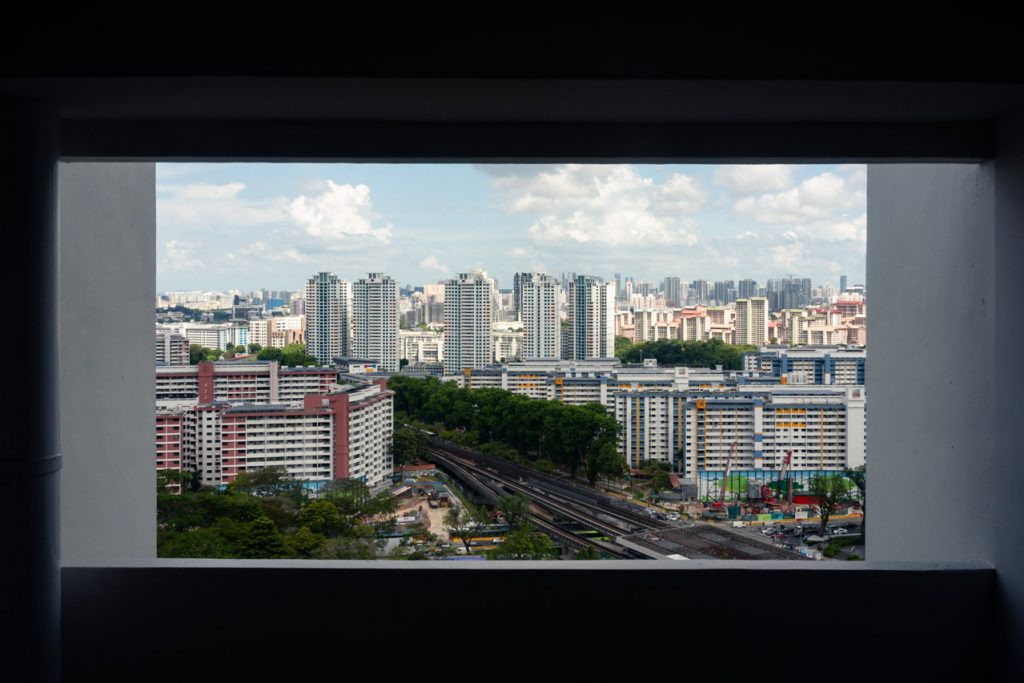
“Being overseas made me feel that Singapore is really very safe, and I am very privileged. Many cities in the US—but not my campus—can get dangerous, and I have heard many stories from my friends who grew up in these dangerous areas, some of whom always carry self-protection,” Kate remarks.
Beyond safety, she also noticed how public transport, cleanliness, and everyday convenience in the US varied sharply from city to city—differences that made Singapore’s baseline feel predictably reliable.
A Foot in the Door
For graduates considering migrating overseas for better job prospects, it may be disheartening to find that the job market abroad can be tougher than in Singapore.
According to a 2024 study by the Ministry of Manpower, the long-term unemployment rate — defined as the share of the population out of work for six months or more — shows that Singaporean youths are on par with the national average of just 0.8 percent.
Given the challenging local job market and the various push factors about migrating overseas post-graduation, the value of a degree from a non-local university is shifting. Rather than prestige, many students now see studying abroad as a chance to gain exposure and perspectives they may not find in Singapore, possibly even giving them an edge over local graduates.
A 2024 Straits Times study found that while fewer Singaporeans were choosing to pursue bachelor’s or master’s degrees in traditional anglophone destinations such as Australia, Britain, and the United States, non-anglophone destinations like Hong Kong and Japan were becoming more popular.

Rising costs were a factor, but many respondents said their motivations went beyond the typical “get a degree, earn money” mindset that they associated with students in those countries.
Students who opted to study in non-anglophone nations described their experiences as transformative, saying they returned home with broader perspectives and a stronger sense of self.
In contrast, several felt their peers who studied in English-speaking universities remained largely unchanged.
In today’s job market, that kind of global exposure could help overseas graduates stand out from the rest. The real challenge, however, is getting a foot in the door in the first place.
As Angela*, a HR partner with two years of experience, puts it: “While local graduates can often come across as more polished, overseas graduates bring a wealth of unique experiences and fresh perspectives to the workplace, and it can sometimes make them stand out.”
“Ultimately, it boils down to the kinds of internships or life experiences they’ve had. Those are what shape their personalities and work ethic.”
Stories to Tell
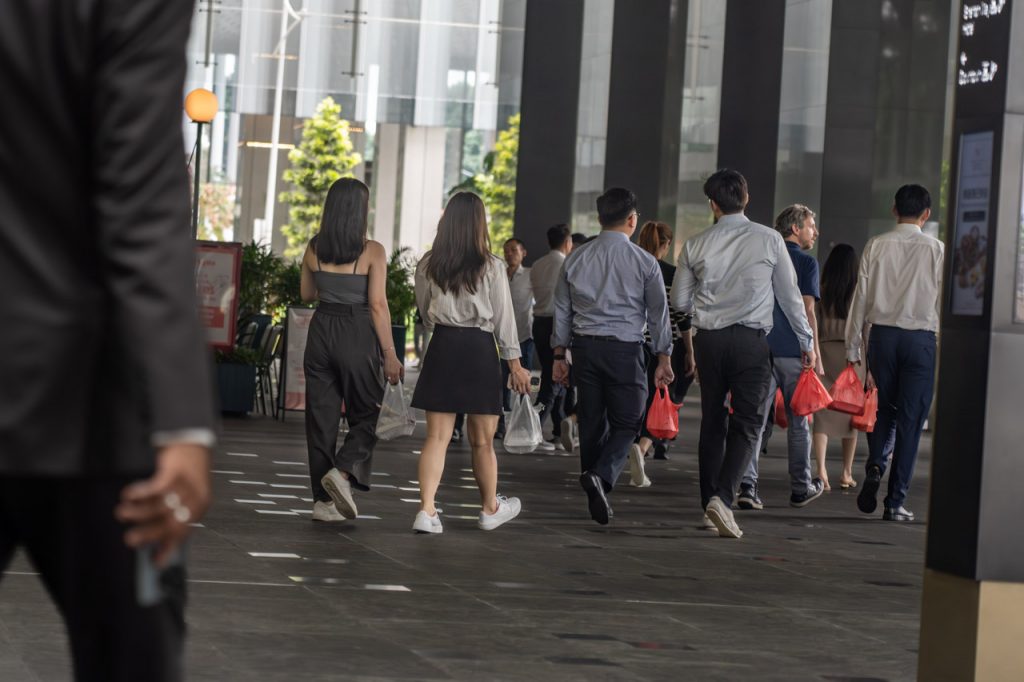
After returning to Singapore, Kate took on a post-grad internship to build local experience and ease her entry into the job market.
“My experiences in school and my internship in Singapore have given me a decent amount of working experience—and though I always have more to learn, I feel that I have been given a good foundation I can build off of,” she notes.
“In fact, I would say navigating myself in a completely foreign environment has trained me quite well for unfamiliar social situations. If anything, I have more stories to tell.”
Studying overseas exposed her to opportunities she doubts she would have encountered in Singapore—student clubs doing voluntary work for small businesses, live-streaming for regional sports television, and even school-arranged trips to New York for career fairs.
“It was a great way for me to see if this major was right for me without too much of a commitment, and it allowed me to make more informed choices about my future career.”
For graduates like Kate, returning home isn’t just about translating credentials into employability. Singapore may be familiar and safe, but the transition back is rarely linear. What they bring home is harder to quantify: comfort with uncertainty, social fluency in unfamiliar settings, and new perspectives from abroad.
Maybe that’s the real ROI of an overseas degree. Not the guarantee of a job, but the knowledge that you can find your footing anywhere.