Rachel Goh, 23, is the co-founder of Project Obscura, a youth-led initiative that provides pro bono professional photography services to underprivileged communities.
In this RICE Community Voices piece, she reflects on how Project Obscura uses photography to make overlooked communities visible—and why everyone deserves the chance to preserve their memories.
Top image: Ethan Tan / Project Obscura
Do you believe in magic?
The weather forecast had warned of rain and gloomy skies—the natural enemies of photographers and videographers—but we pressed on.
Time was slipping through our fingers. Between shifting work schedules and school timetables, this was the only day we could gather, the only chance we had to grant one beneficiary’s dream: a video to celebrate her life. Mrs Lim* wanted something beautiful to play at her funeral.
In the end, the weather was perfect. The evening sun poured gold over MacRitchie Reservoir, lighting up the foliage as we followed Mrs Lim and her husband on a route that they had taken countless times.
She had been battling a painful cancer, and the prognosis was that she only had months left to live. But for that single day, her body seemed lighter, the pain she endured held at bay by love and sunlight.
Her soft laughter rang out as she recounted moments of her life with her husband. The moment made them seem, for a few magical hours, 20 years younger. They moved as if time had turned back, the weight of illness momentarily forgotten.
Mrs Lim was tenacious. She was prepared for the end, and wanted to live every moment to the fullest. We decided to do an impromptu photoshoot alongside the official filming we were engaged for.
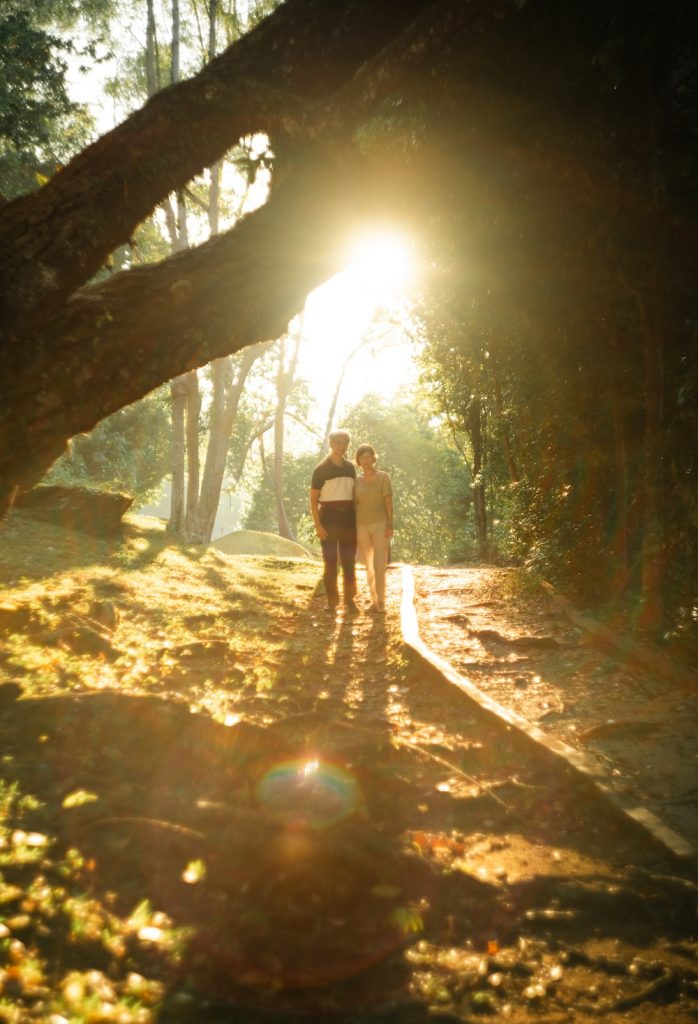
The couple spoke of upcoming trips, planned with hope but shadowed by uncertainty. They spoke about how they met, their children, their grandchildren, the things that kept them going. I’m not especially religious, but it felt like someone had swept the clouds aside just for this day.
This shoot almost didn’t happen. The organisation supporting her, which grants the last wishes of patients in end-stage illness, had reached out to numerous production companies, only to receive quotes of around S$10,000 for a video alone. Such sky-high prices are almost always well beyond the budget of charities and non-profits.
Hope was almost lost until her assigned volunteer caseworker found us buried on the fifth page of Google. He crossed his fingers and wrote to us. We answered the call.
Moments like this are why we started Project Obscura, our pro bono photography initiative for social service agencies and the people they serve.
Photography as a Social Service
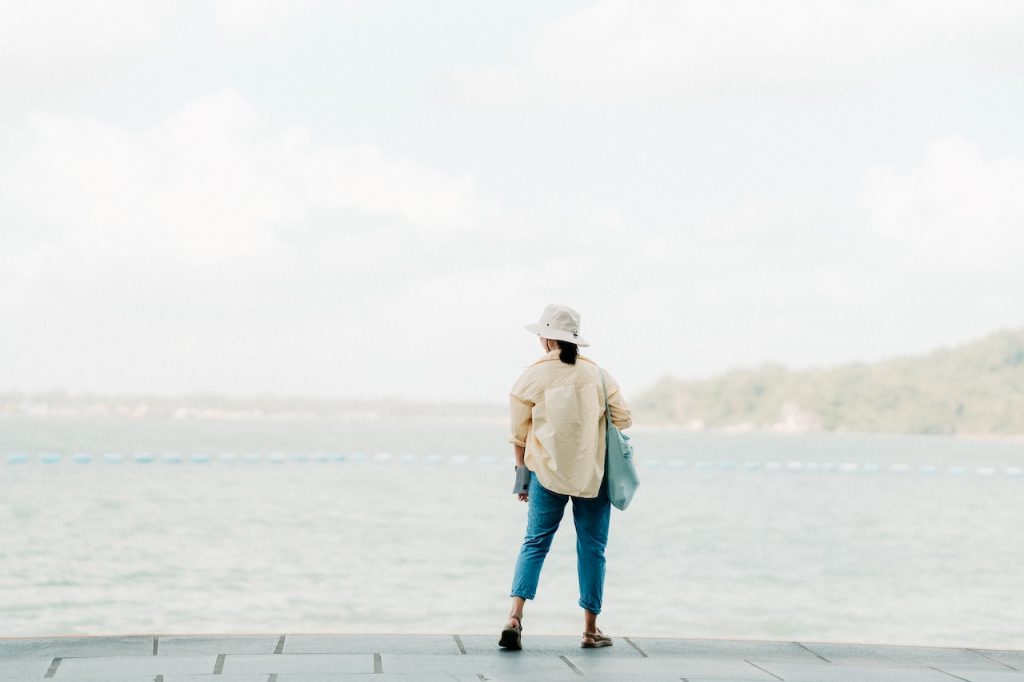
A photograph can freeze time. Suddenly, an ordinary moment becomes extraordinary. A single click, a press of a button, and this snapshot becomes a time capsule of memory and meaning.
Yet, for many in our community, this magic has never been a privilege they could afford.
Sure, everyone with a phone can take a photo now. But professional photography—with a full-frame camera, specialised lenses, lighting rigs, hours of post-processing—still costs more than most people can afford. For the elderly, migrant workers, hospice patients, and underserved families, it’s simply out of reach. Their stories rarely make it into photo albums, let alone headlines.
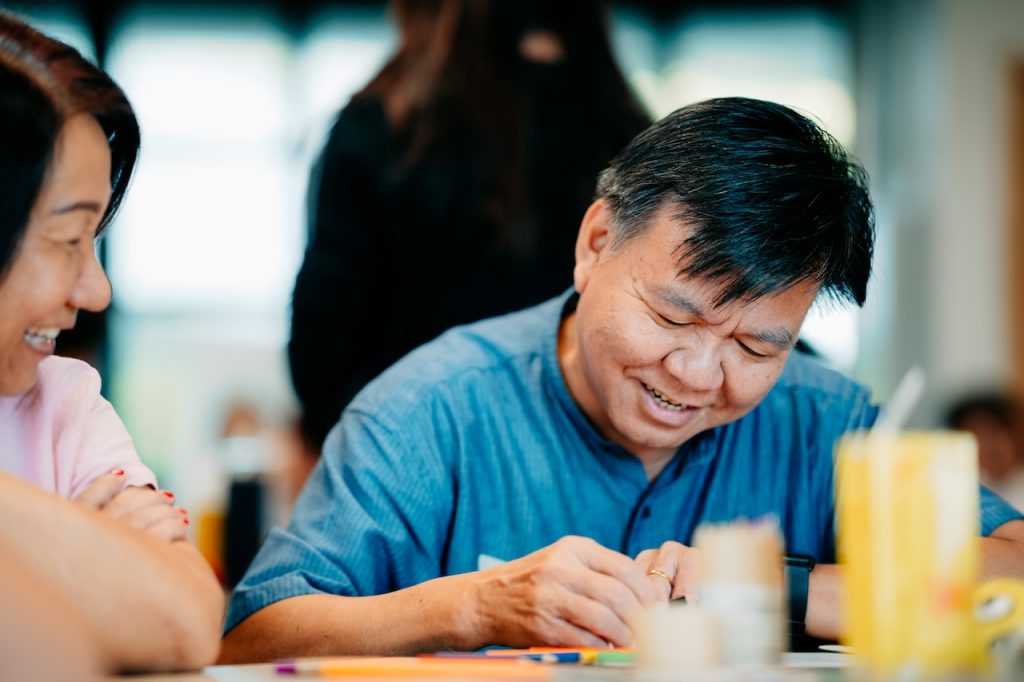
These ‘obscure’ stories sparked Project Obscura. We kept noticing the same thing: professional photography was reserved for life’s loudest moments: weddings, galas, product launches. The quieter ones went undocumented.
Social service workers feel this gap. At events with the people they served, they’d end up snapping blurry photos on their own phones because there was never budget left over for a photographer with a proper camera.
In a world that relies heavily on visual sheen, these stories were going unseen.
The idea started at a lunch date between my co-founders, Ethan Tan and Clarence Chua, in December 2022. I knew them from my junior college days, when I worked with Ethan on a heritage project. Meanwhile, Clarence and Ethan’s friendship started in kindergarten. Clarence had worked as a freelance photographer before National Service and was itching to use his camera again. Ethan, inspired by his father’s spirit of volunteerism, pitched the idea to us.
I was immediately sold. My mother grew up in a crowded one-room rental flat and always dreamt of owning a camera. When she finally got one, she obsessed over capturing every family memory. The problem was that she was always behind the lens rather than in photographs with us.
I knew exactly how it felt to want to preserve memories. That longing to see everyone in a picture, especially those who rarely get the chance, became our mission.
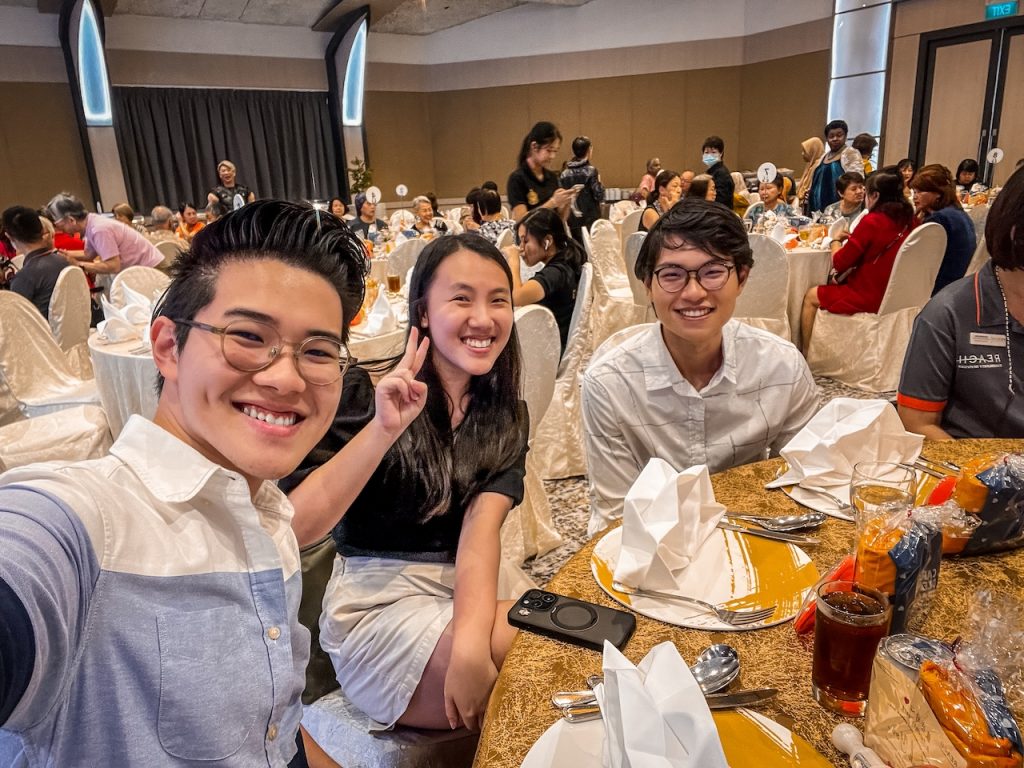
We blend photography with volunteerism and work with anyone who is overlooked. Some groups include migrant workers, those committed to preserving arts and culture, youth groups, the elderly, people with chronic illness, families facing hard times and many more.
By making professional photography accessible, it is no longer a luxury for the elite few, but a celebration for anyone. We empower the community by helping them to feel seen and preserving their memories.
What started with three friends is now a community of over 300 volunteers, 115 partners and more than 10,000 beneficiaries. We’ve had the honour of working with larger organisations such as Singapore Cancer Society, REACH Community Service Society, and the National Heritage Board, as well as smaller ones like Empowered Families Initiative, Babes Pregnancy Crisis Support and various ground-up initiatives.
To be honest, we never expected this glimpse of an idea to transform into something on such a massive scale. Three-and-a-half years later, we’re still here shooting, serving and believing that everyone deserves to be seen.
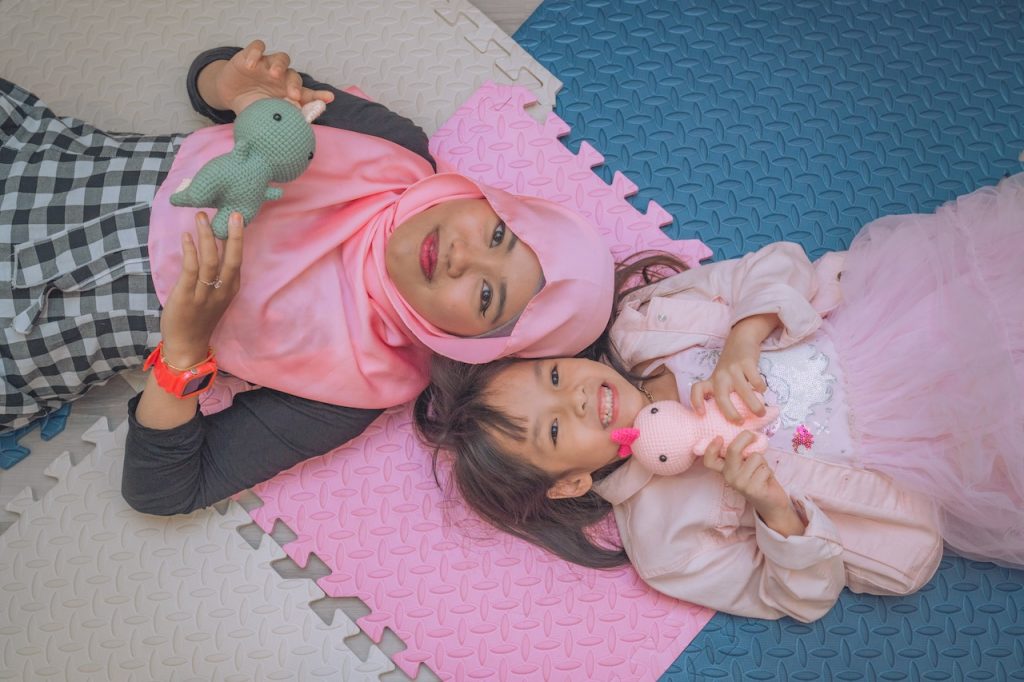
Behind the Lens
How on earth is a random youth project supposed to sustain itself?
What helps is that our core team of six or seven people want to be here. Project Obscura is up there alongside family, school, and work as our list of priorities.
Our team coordinates at least two shoots a week. It starts with an organisation reaching out for help, say, photography for their beneficiaries, or for an event that involves or celebrates their cause.
Every request is sorted into one of two buckets: beneficiary-facing events (where beneficiaries are directly involved) and non-beneficiary-facing events (such as charity dinners, large-scale fundraisers, or corporate gigs like seminars).
Beneficiary-facing shoots are pro bono, period. For non-beneficiary-facing ones, we charge below-market rates, taking a 20 percent commission to keep the project sustainable. Then we post the opportunity in the Project Obscura community group chat and wait for someone to pick it up.
For smaller sessions, two volunteers are enough. For larger events, however, we might send a team of six or more, depending on what the organisation is looking for. Shoots often last for about half a day, and we’re grateful that our community chooses to step up each time.
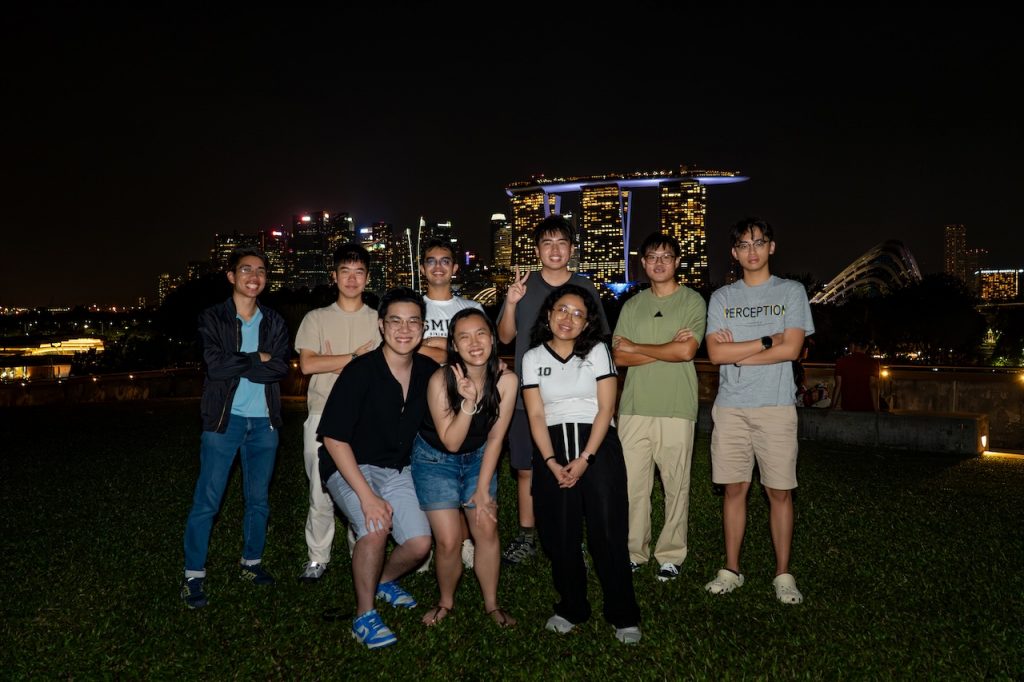
It started with pure passion, but what keeps us going is a stubborn refusal to let important stories go unseen.
We’ve been blessed with a group of active volunteers who step up enough that we’ve rarely had to turn down an organisation’s request. There are so many organisations whose values align with our desire to do good that we’ve rarely had to say no… unless someone’s just looking for free photography.
After one particular incident, we had to draw clear boundaries. One organisation we shot for pro bono, built around empowering women, turned out to serve a much narrower, wealthier group than what was suggested. Things came to a head at an event when the organisation’s founder tried to get our photographer volunteer (who was still a student) to pay for his own meal at an atas venue during one of these pro bono shoots. We called it out, and she eventually paid for the meal ($250!). We never took another assignment from them.
It was a difficult conversation to have as a conflict-avoidant introvert—but a necessary step so that our resources go to people who need pro bono photography. If someone can afford a photographer, we’ll happily recommend one.
Benefitting the Beneficiaries
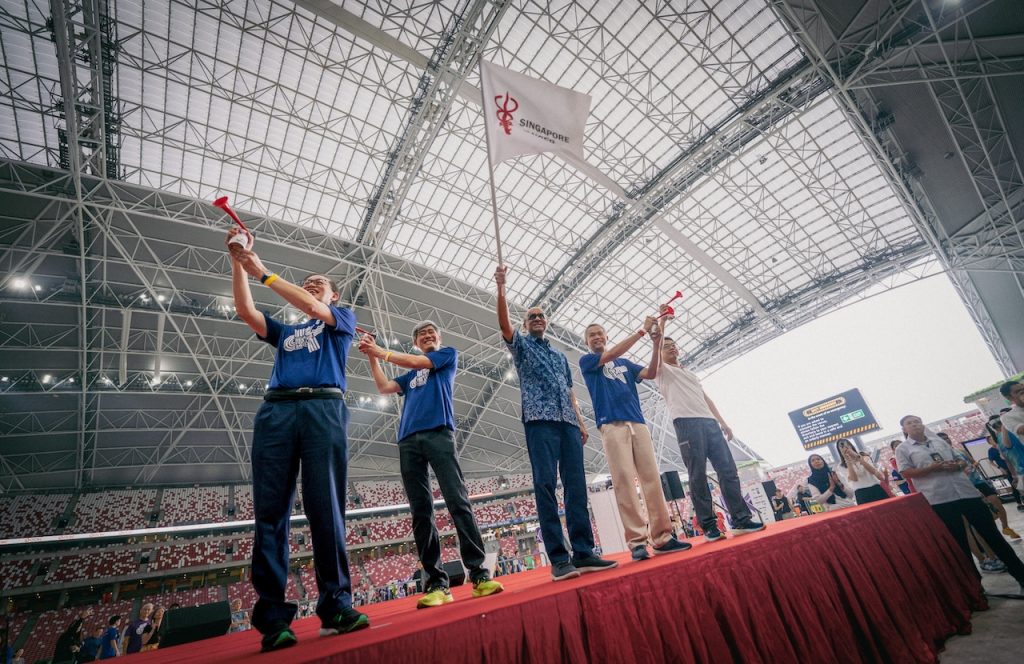
Finding beneficiaries was once the hardest part. In the early days, we sent over 100 cold emails and received only a couple of replies.
Now, requests come to us through direct messages on Instagram, emails, and word of mouth. We’re asked to provide a variety of services, with the most common being family photoshoots, photowalks, professional headshots, photobook making, and event shoots.
Our stance is that if it helps a beneficiary feel seen, we’ll be there with our cameras and our hearts.
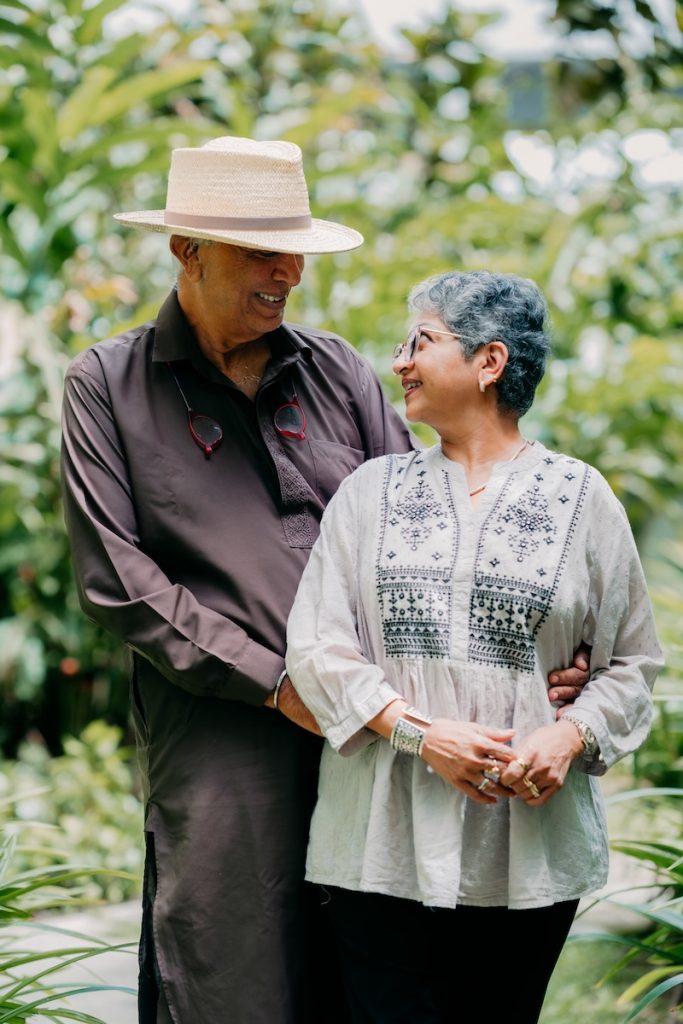
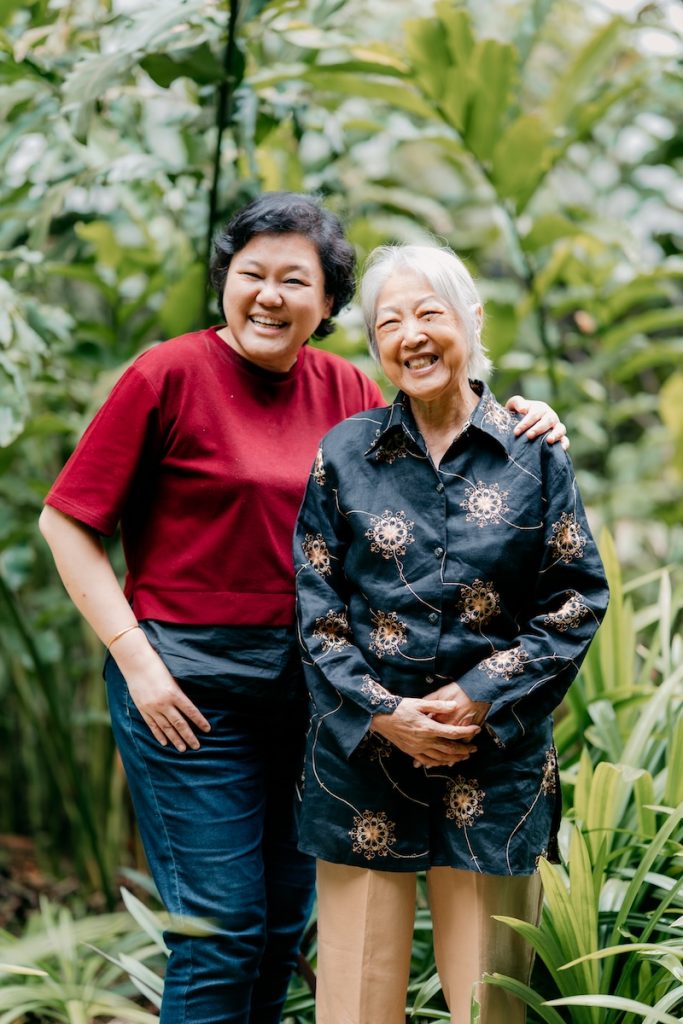
Of course, with at least two events per week, it’s impossible for the core team to handle them ourselves, especially given all the behind-the-scenes administrative work required to ensure each shoot goes smoothly.
That’s why Project Obscura is nothing without our volunteers—photographers chosen for their heart to serve rather than a stacked portfolio. Most bring their own gear, but for those who don’t, a small inventory of cameras funded through the National Youth Council’s Youth Action Challenge is available to loan. We also run internal training programmes to bring every volunteer up to standard, and pair newer photographers with an experienced one on tougher shoots. The goal is a community that grows together, as one Obscura.
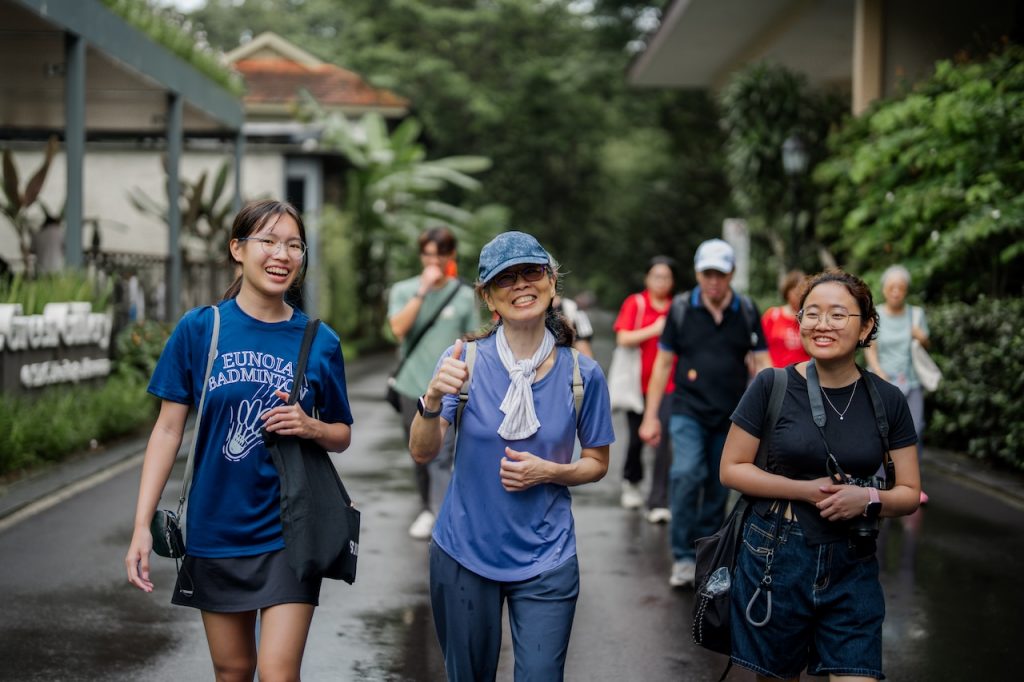
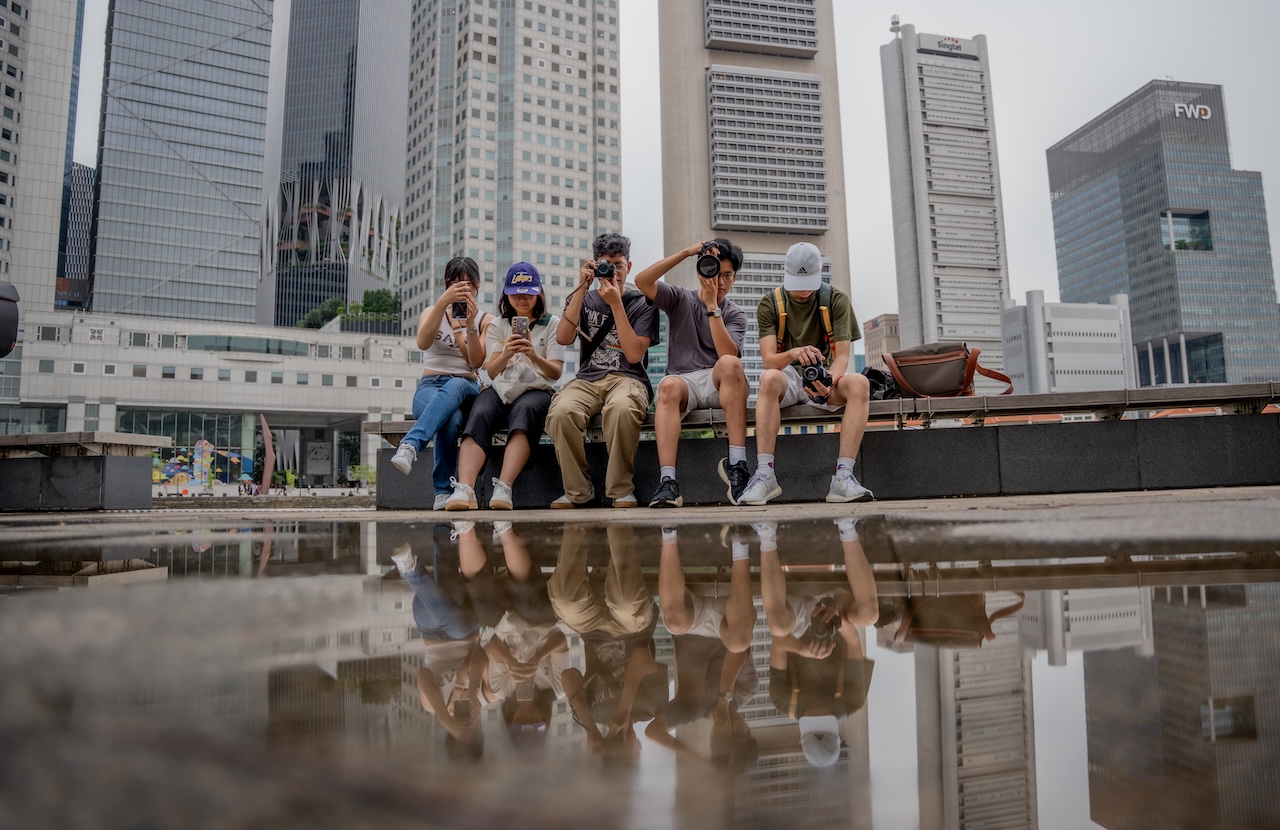
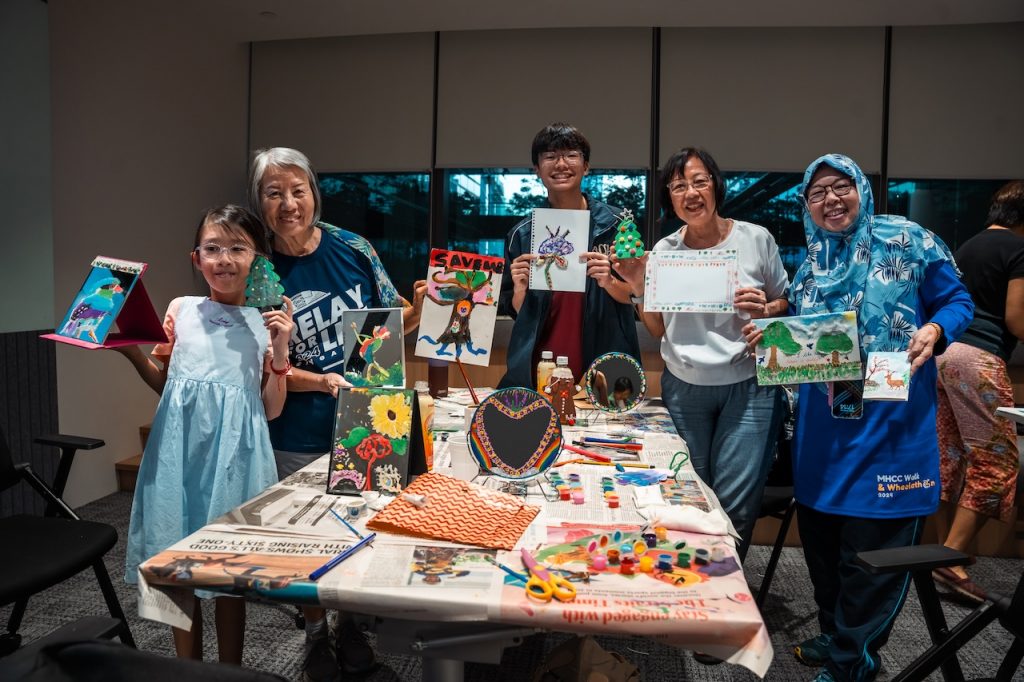
I’m sure that my team can agree that photowalks are our favourite activity to organise. We kick off with 30 minutes of hands-on photography basics with beneficiaries, then hit the nearby streets, parks, or neighbourhoods for an hour of shooting. Sometimes we give out task sheets, and sometimes we just choose to see where curiosity leads.
After the photowalk, everyone excitedly gathers to share stories and reflect on the meaning behind their photos. It’s less about technique, but more about capturing the stories our beneficiaries want to tell.
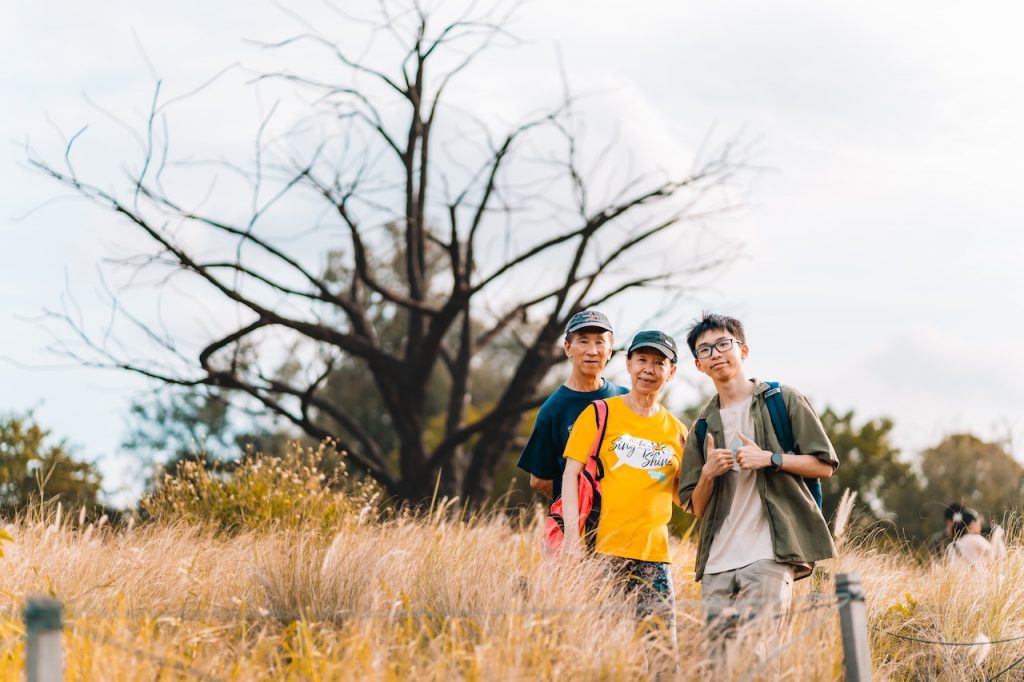
The impact of these photowalks is felt long after these sessions. Our beneficiaries have often requested more photowalks to practice the skills they acquired, which we happily oblige.
Some even keep in touch with us to share their photowalks. One cancer warrior’s family brought her to Johor Bahru, and she sent us some photographs she took there using the skills she learned from us.
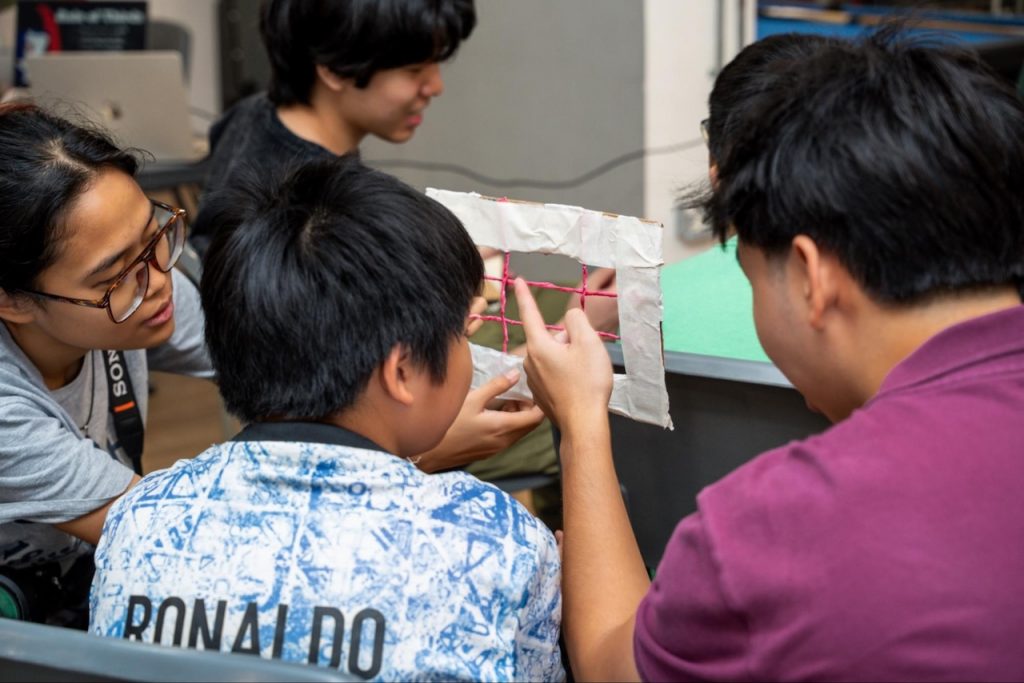
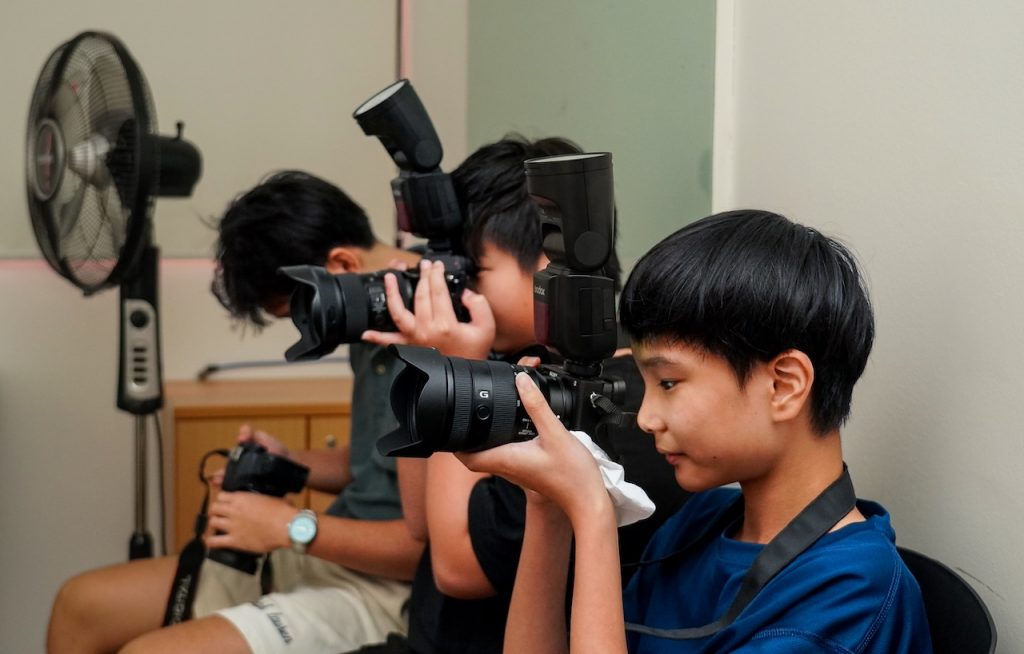
We also tailor our flagship programme to their specific needs; for example, the elderly love learning to capture everyday moments on their phones. Kids want more hands-on activities, so they get to build ‘camera grids’—the tic-tac-toe-esque lines that help with photo composition—out of recycled materials, and spend more time on learning how to master the camera’s intimidating range of buttons and settings.
When it comes to event photography, organisations trust us to capture photographs of the event for the beneficiaries and the organisations’ use in media releases and annual reports. Specifically, we try to capture photographs that showcase joy to make them more compelling to donors.
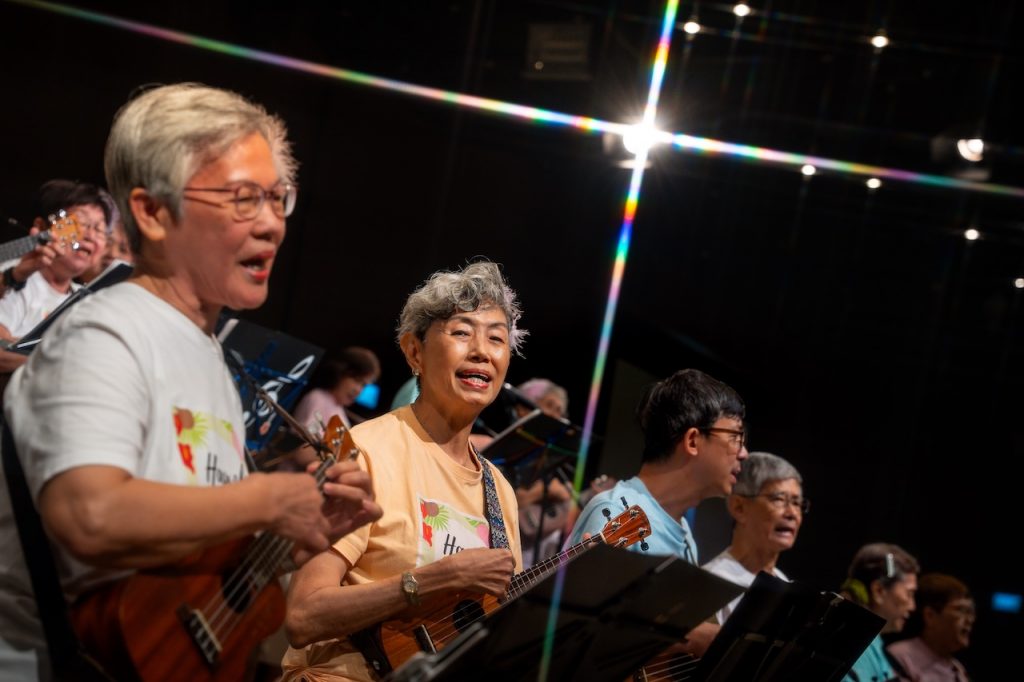
On a personal level, running a volunteering initiative at this scale isn’t easy, especially when I’m juggling work and school as well.
Something I’ve sacrificed is making closer friendships in university. If it isn’t work or school readings, I’m doing Obscura stuff. I feel that it’s something I’ve missed out on, which is ironic as Project Obscura is meant to bring communities together.
We never expected the project to grow this big, and it’s usually in the overwhelmed moments that imposter syndrome creeps in. My mind drifts toward questions I don’t love sitting with. Why were these communities overlooked in the first place? Are we truly helping beneficiaries feel seen?
Helping the Unseen Feel Seen
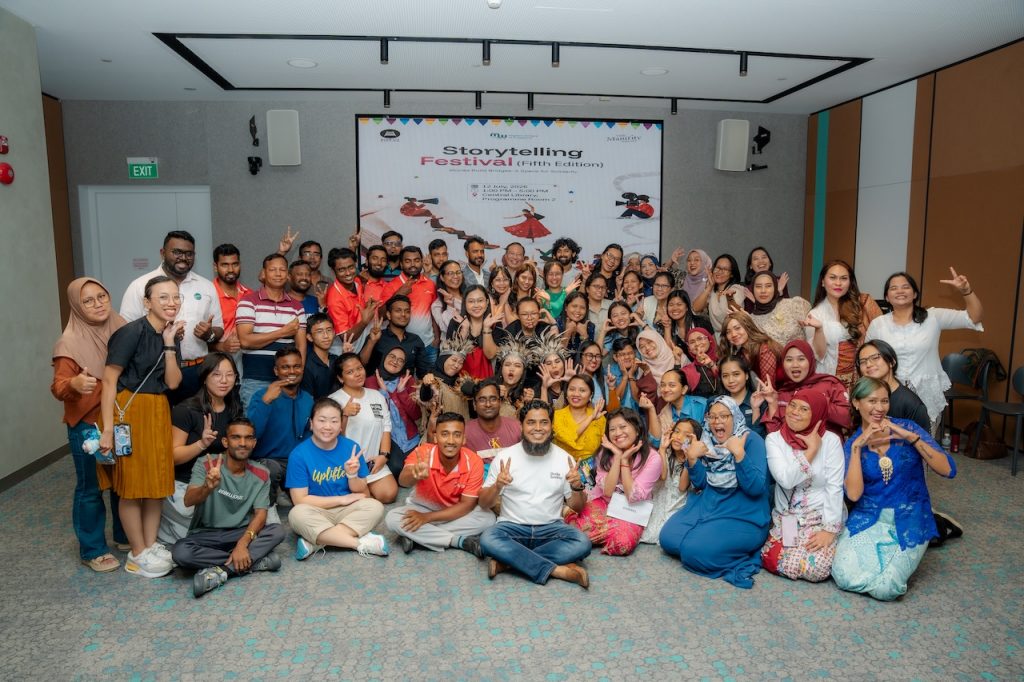
In today’s always online world, the language of the masses is visual. For charities, non-profits, and other social service initiatives, getting support requires visibility. In a society where awareness and receiving donations rely heavily on optics, visibility is dignity.
We saw this in our very first project, when we created 25 photobooks for 25 beneficiaries assisted by REACH Community Services. We brought families all over Singapore, took photos at scenic spots, and curated their stories into personalised photobooks. To fund the project, we applied to the YMCA Youth For Causes programme, which provided us with $1,200 in seed funding. Upon hearing who the photobooks were for, the printing supplier even gave us a slight discount.
Many had never had a professional photo taken. A daughter caring for her elderly mother; an elderly couple who only had each other; a single mother doing it all for her two children.
Most were shy at first, but as we listened and laughed with them, they grew more comfortable in front of our lenses. After we delivered the books, they surprised us with a thank-you video that captured their reactions as they opened the pages for the first time.
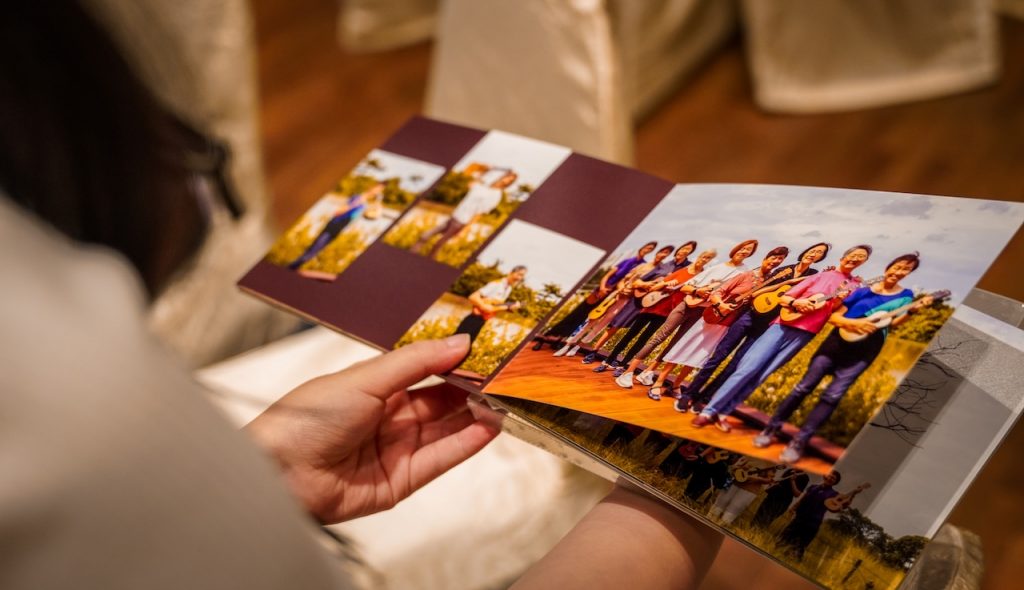
Those photos were utilised for a fundraising campaign. It helped raise nearly $5,000—funds that would go back to supporting the organisation’s programmes and increase the scale of their impact.
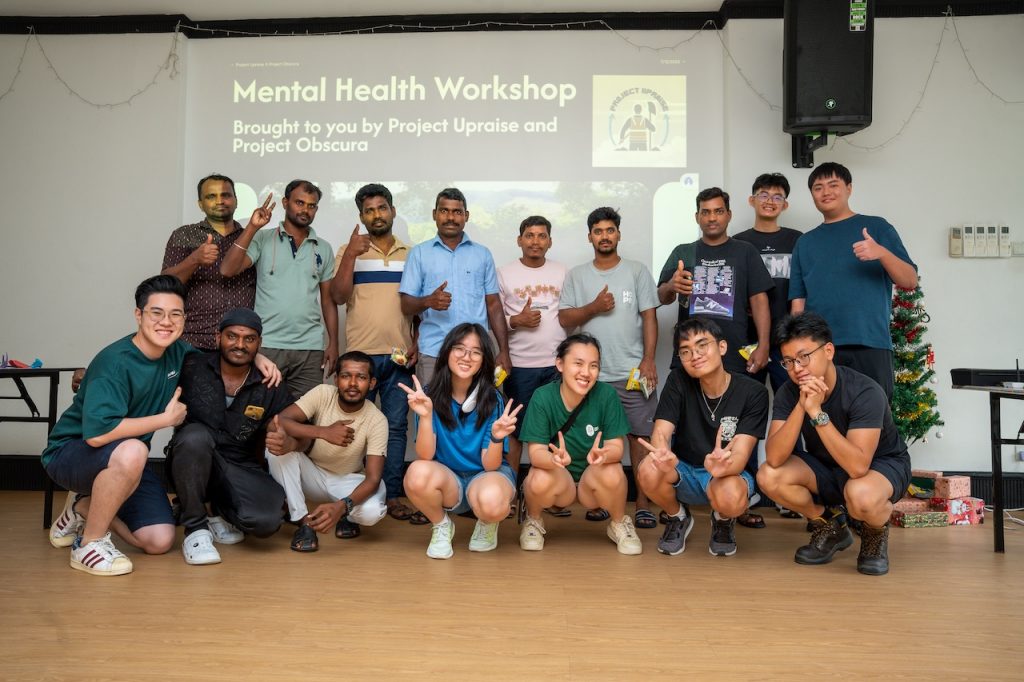
At a recent mental health and photography workshop held in collaboration with a student project for migrant workers supported by ItsRainingRaincoats, we brought along a small photo printer we previously acquired through Temasek Foundation’s Oscar Fund, a valuable asset we bring to small-scale beneficiary-facing events.
Many of the participants had not held a printed photo of themselves in years. Some immediately slipped their prints into their bags to keep them safe. One immediately video-called his wife overseas so that she could share this moment with him.
This desire for visibility also leaks into our new programmes. In 2025, we launched a mentorship programme with a structured curriculum and opportunities for hands-on practice to teach beneficiaries mobile and camera photography skills more rigorously.
The idea sparked during a shoot at a youth camp for underserved students in 2023. Although we were not camp facilitators, the kids peppered us with questions, so we handed over our cameras and taught them how to use them. They immediately took over our roles as photographers with youthful vigour. I still remember their laughter as they captured their friends making goofy faces. That moment made it clear that access to creative tools can empower beneficiaries to tell their own stories.
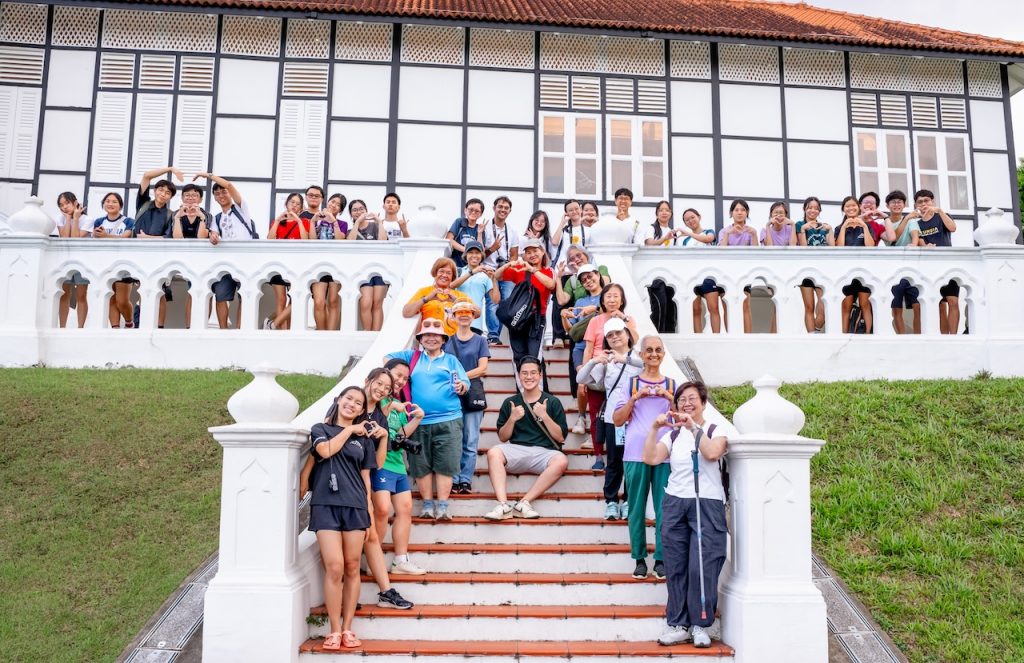
The same goes for the staff at our partnering social service agencies. Small, ground-up initiatives—often run by just one person—have told us that seeing their events and communities documented well makes the little-known work they do feel valued. It lifts a burden they didn’t know they had: they get to run and actually enjoy the event they spent months planning, while we handle the task of capturing these memories.
It’s difficult to quantify the love and joy photography inspires, but if we had a KPI, it would be this: the way our beneficiaries light up when they see themselves in a photo.
These shared moments have grown into something bigger than any single project. Beneficiaries stay in touch, volunteers keep showing up, and everyone becomes friends—even collaborators.
It’s a reminder that when people—beneficiaries, partners and volunteers alike—are seen, they find a sense of belonging. That sense of community is what keeps Project Obscura going, week after week.
The Aperture of Our Lives
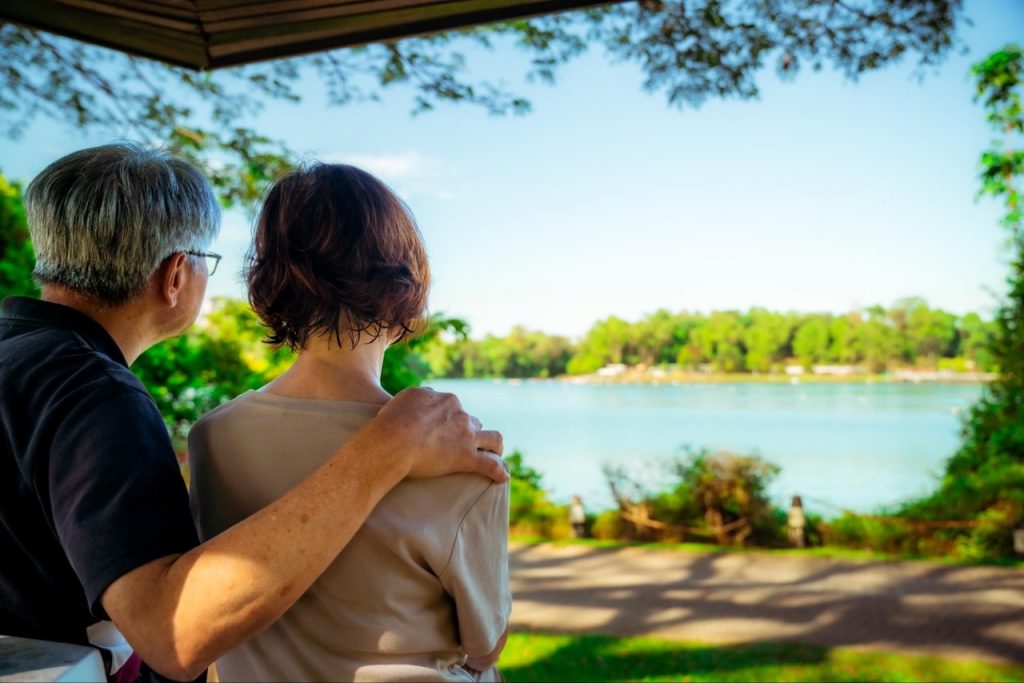
My world has grown wider, more compassionate and more curious. My biggest takeaway over the past three-and-a-half years is realising how much we all want to be seen. To me, Project Obscura’s gift is giving us the power to make space for someone else’s story.
I’m currently entering a new chapter of my life as I transition from being an undergraduate to a graduate student. It’s a new environment with new challenges. Despite this uncertainty, one thing is clear: I want Project Obscura to remain a constant in my life.
It always comes back to moments like the one we shared with Mrs Lim at MacRitchie Reservoir. Months after that golden-hour shoot, the video and photobook are finally completed, and I cannot wait to see the look on their faces.
I can’t help but speculate about what will become of the photobook. Will it earn a spot on a bedside table? Or will it become her husband’s travel companion? Maybe it will become something to flip through when they want to remember that lovely day.
Whatever happens to it, that afternoon is preserved now. Those photos won’t fade the way memory does; years from now they’ll still show her exactly as she was that day. I’m just glad we were there, with our cameras, to catch it.