Additional reporting by Muhammad Bin Zailan.
In 1981, Swedish psychologist Ola Svenson found that most drivers in the United States and Sweden rate themselves as more skilled and safer than their peers—big main character energy in a world of NPCs. When researchers replicated the study decades later, they got the same answer: most drivers think they’re better than average.
But if regular folks are measuring themselves against the worst drivers they can imagine… of course they’d come out fine every single time.
That belief, more than speeding or bad design, is a contributing factor in Singapore’s climbing crash numbers. Almost all of us will drive, ride, or cross the road tomorrow exactly how we’ve always done because the people in those news reports always feel like somebody else: worse drivers, or simply being in the wrong place at the wrong time.
Enhanced penalties can punish errant drivers, but how far does it influence the one who’s dead confident they’re the careful one? And going by Svenson’s study and its rerun, that’s nearly all of us.
The Desensitisation
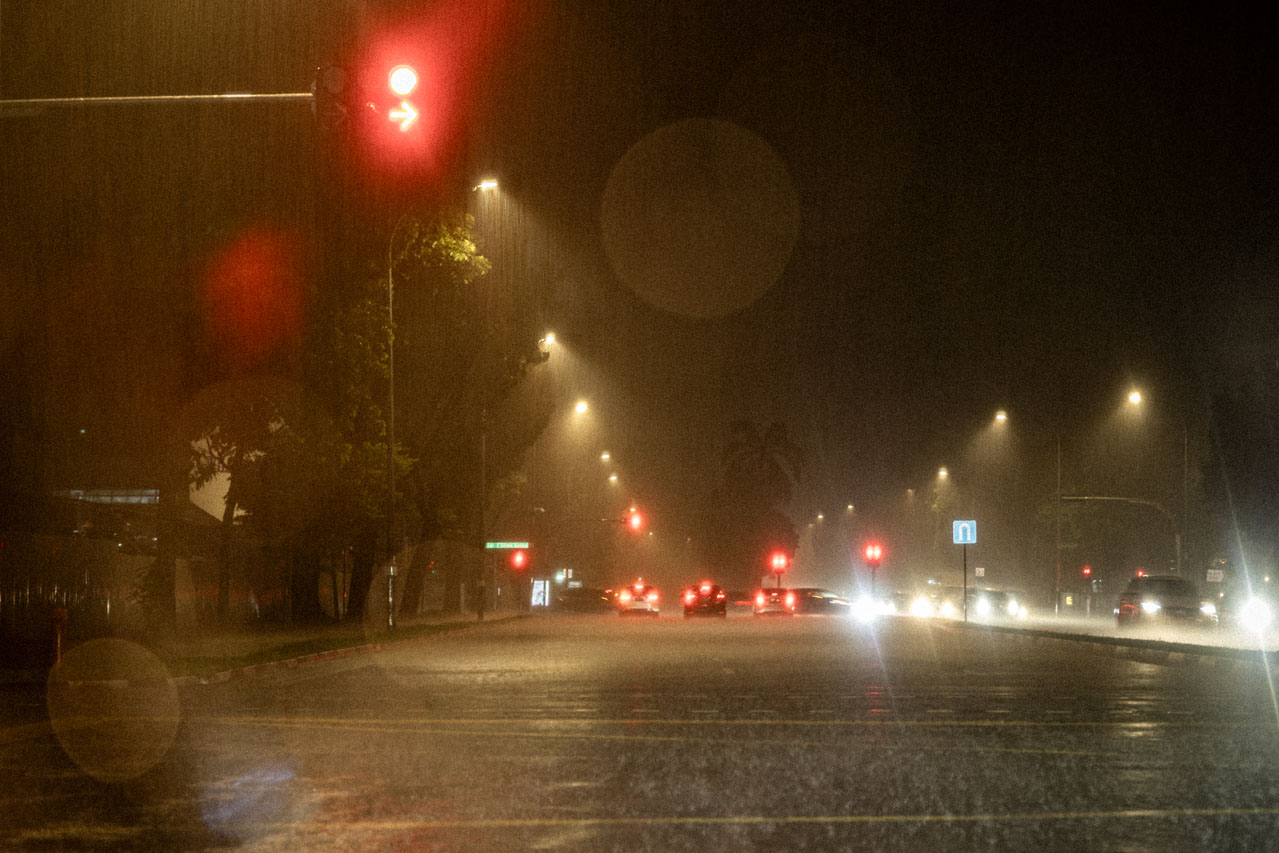
Four fatal road accidents within four days make for an alarming headline. It gets sighed at and shared in group chats before getting scrolled past. Truly, how many of us actually eased off the accelerator pedal the next morning? How many of us thought twice about jaywalking afterwards?
A sudden run of fatal accidents can make road safety feel like an immediate issue, yet accidents and injuries were already rising before these four deaths put road safety back in focus.
The statistics are complicated. Fewer of us are dying on the roads, but more end up in ambulances and hospitals—people survive, but people are still getting hit. Close calls and near misses don’t even make it to the data.
It’s not as if we don’t know that the roads are dangerous. A government poll released in May found that only 61 percent of residents say they find Singapore’s roads safe.
We’re aware of the danger. We just get told so often that the significance wears thin. A fatal accident arrives as a push notification between a GrabFood promo and a group chat quip, and gets swiped the same way. The dashcam clips shared online every day solidify the sentiment that crashes are something to watch, not something that’ll ever happen to us.
We’re not heartless, though—Singaporeans care when a story is tragic enough. After the Tampines Avenue 12 crash on October 29 killed a couple, both 24, a cousin set up a Give.Asia fundraiser for their orphaned six-year-old son. Within days, it passed $470,000.
Still, a fundraiser answers a tragedy that has already happened. What might prevent the next one is duller, and it lives in our small habits on the road.
What are We Giving Way To?
In February, Second Minister for Home Affairs Sim Ann told Parliament that our road culture needs to change. “Giving way does not seem to come as naturally to us as making sure that we do not concede any advantage to other road users,” she mentioned.
It’s hard to reckon with because we’ve said it before. In May 2024, after a multi-vehicle crash in Tampines killed two people, RICE argued the same.
The diagnosis: drivers here are reluctant to give way, a habit we traced to kiasu instincts and to cars as status symbols. Penalties had already gone up in 2019, and road deaths kept rising anyway. Academics quoted by CNA expected tougher sentences to cut incidents only “very moderately”.
At the time, then Minister of State for Home Affairs, Muhammad Faishal Ibrahim, told Parliament the laws were “already quite stiff”.
Two years on, a politician is making the diagnosis in Parliament and tightening the screws on errant drivers. Another crash in Tampines has killed two people. People can’t help but feel little has changed.
Fines can go up again, and licences can be suspended more easily. Neither reaches the smaller stuff, like the extra half-metre you leave the motorcyclist or cyclist beside you, the indicator flicked on early instead of mid-swerve.
Anyone who drives here knows the crawl past an accident on the expressway. Often the wreck has already been pushed to one lane, and the jam is all of us, slowing down to look. The worse it looks, the longer the queue.
Then you pass the wreckage—or worse, the blue tent—and the road opens up. Traffic eases. Everyone is back at their usual speed; some go a little faster to make up for lost time.
By the time they reach their destination, nobody really remembers what they slowed down for. That was someone else’s crash. Like any of Svenson’s subjects, they’re still sure of one thing: I’m one of the better drivers.