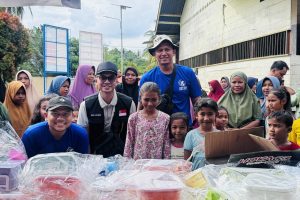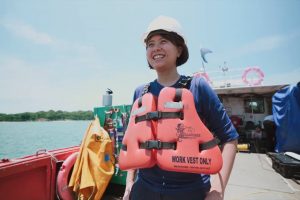
Anthony Lee is a 19-year-old climate advocate who recently represented Singapore as its youngest delegate at the United Nations Climate Change Conference (COP30) in Belem, Brazil.
In this op-ed for RICE, Anthony reflects on the gap between ambition and reality at the world’s biggest climate summit—and how that reckoning reshaped his resolve as an aspiring climate leader.
All images courtesy of Anthony Lee
When the shuttle bus door hissed open, a familiar wall of heat slammed into me: thick, heavy, and unmistakably Brazilian.
I stepped out, adjusting the collar of my suit that suddenly felt two sizes too small. I take a moment to register the chaos unfolding around me.
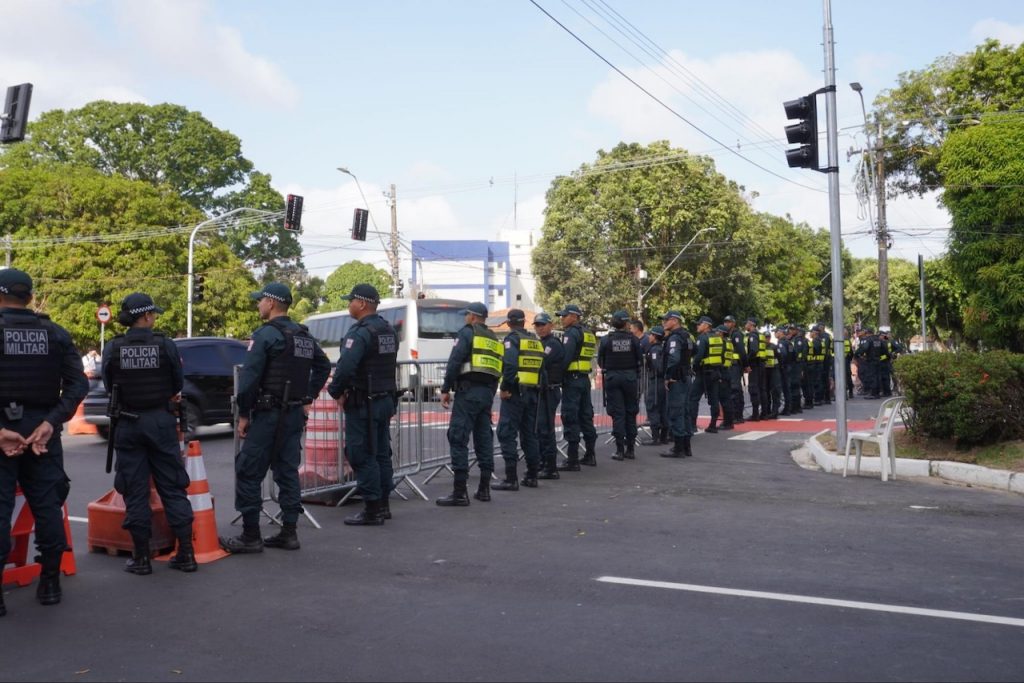
Reporters, with their tripods and microphones, weave in between crowds. Fellow youth delegates from around the world are desperately fanning themselves. Negotiators from close to 200 countries brush past one another without breaking stride. Protestors hold up colossal signs calling for climate justice and greater adaptation finance. Soldiers patrol the perimeter, their boots thudding rhythmically against the pavement.
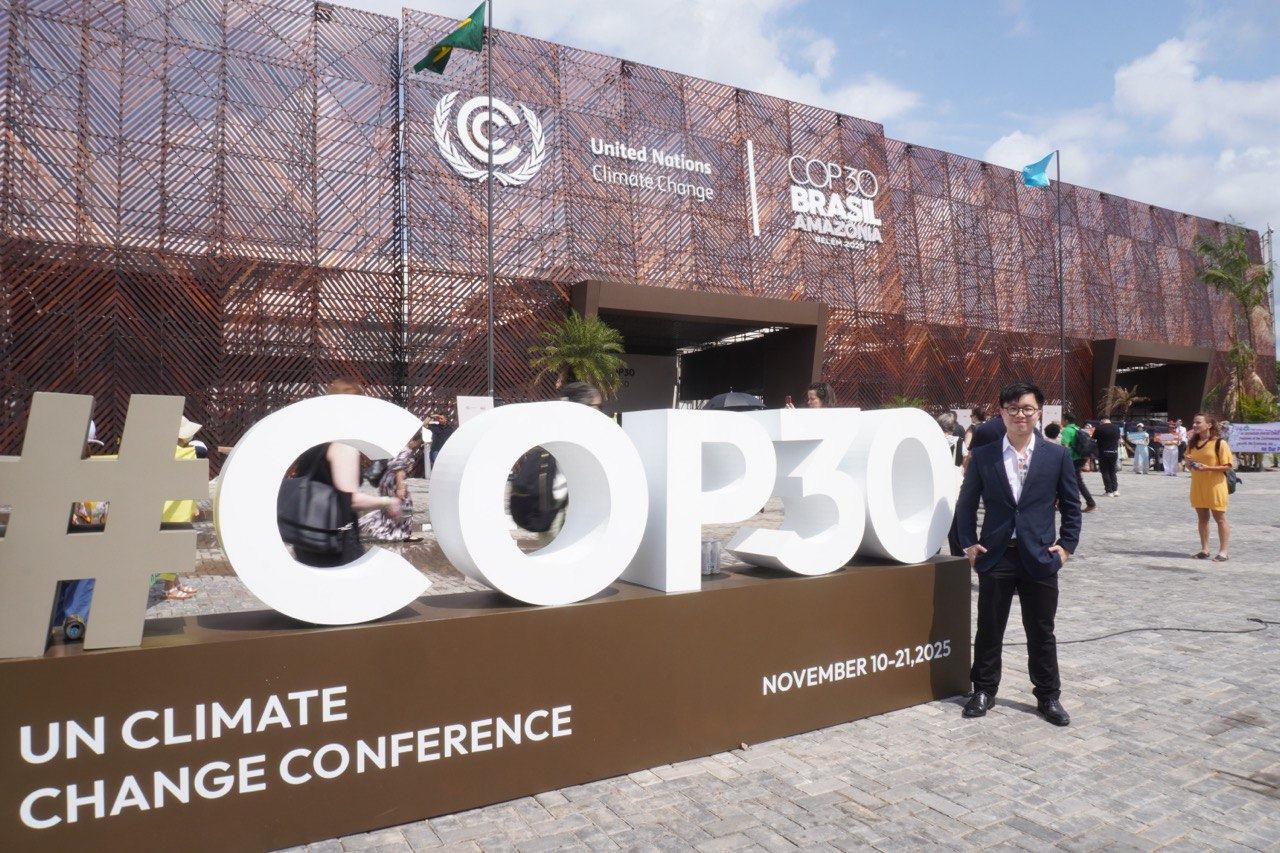
I reach the entrance of the Hangar Convention and Fair Centre of the Amazon, and the noise around me seems to fade as I catch sight of the iconic United Nations Conference of the Parties (COP) logo. This is, after all, the same conference where global commitments like The Paris Agreement and The Kyoto Protocol had taken shape—landmark agreements meant to carry weight far beyond these walls.
And then it sets in. I wasn’t just a 19-year-old Singaporean attending COP30, the 30th annual climate change conference organised by the UN in November 2025. I was here to represent my country and speak on behalf of my peers back home.
In that moment, I realised I was just one small voice entering a world where conversations overlap, and individual agendas pull in different directions. The sheer scale of it all pressed down on me as heavily as the Amazon heat—a reminder that being heard among the commotion is only the beginning. Change is harder still.
COP30 Delagatory Duties
Five of the ten delegates in the Singapore youth delegation (Brendan, Denyse, Riddhi, Dylan, and me) attended the first week of COP30, the largest annual global climate conference, where countries gather to negotiate the direction of international climate action.
Together, we formed a team of tertiary students and working professionals, each carrying our own thread of Singapore’s climate story. We were entrusted with the responsibility to co-lead youth programmes at the Singapore and ASEAN Pavilions, observe world leaders negotiate climate policy, and hold conversations with climate leaders from all corners of the planet.
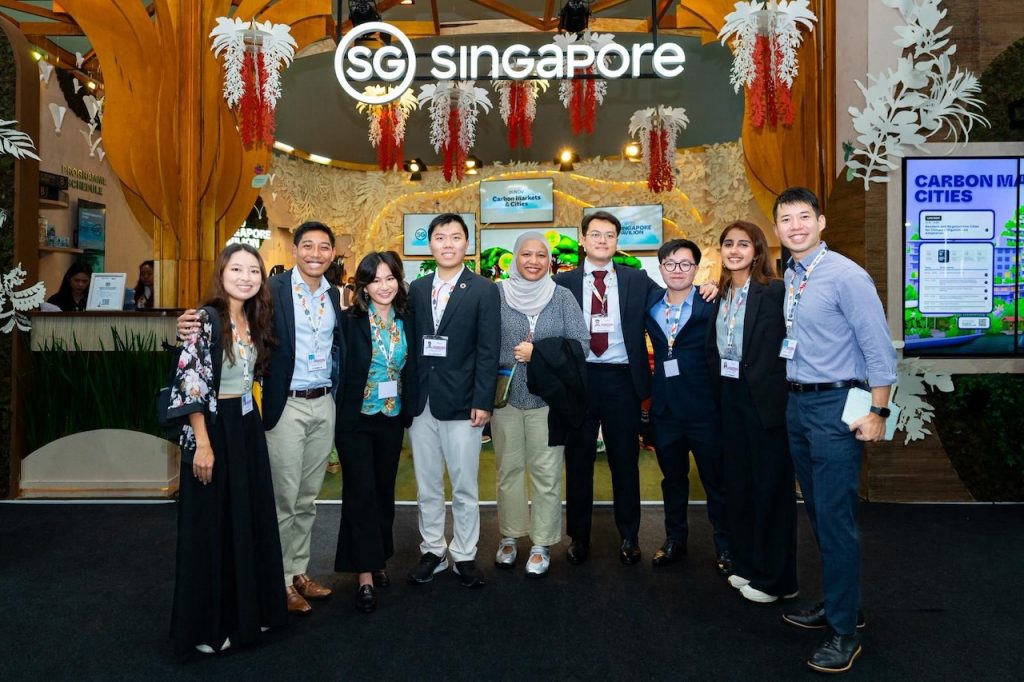
Admittedly, it sounds like a daunting responsibility—especially for someone my age. But my introduction to climate work began long before COP30. Since my secondary school days at Hwa Chong Institution, I’ve led youth initiatives on climate education and recycling, learning firsthand how fragile the leap from awareness to action can be.
That work earned an EcoFriend Award from the National Environment Agency and eventually led to an invitation to join Singapore’s youth delegation under the Ministry of Sustainability and the Environment, the National Youth Council, and the National Climate Change Secretariat.
It goes without saying that sustainability is something I hold close to my heart. Naturally, I was excited to see where the groundwork for global climate action is laid—and to witness, for the first time, how countries negotiate, compromise, and commit on issues like climate finance and a just transition.
It was surreal to move from classroom conversations about climate and sustainability to being present at the moment when the world debates what its future might look like.
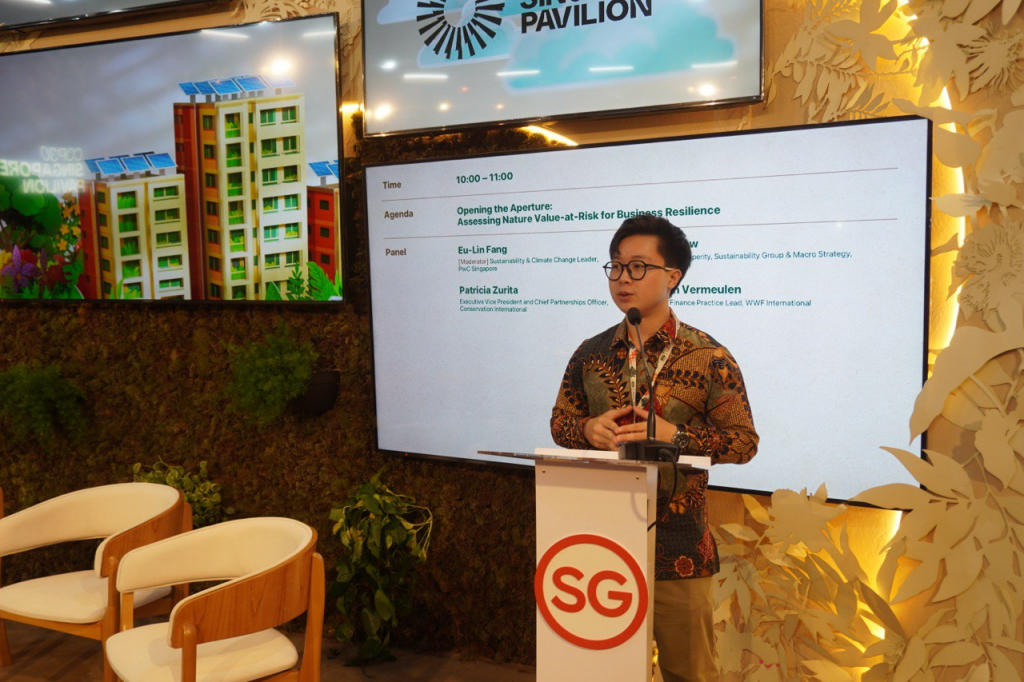
Thankfully, I wasn’t figuring this out entirely on my own. In the days leading up to my flight, my mentor Andres Neo—a COP29 delegate and co-chairperson of the Inter-University Environmental Coalition—urged me to stay passionate and optimistic while soaking in as much as possible.
His words lingered with me all the way to Brazil, reminding me that this wasn’t just an opportunity to observe but a chance to grow into the kind of climate leader I hoped to become.
Climate Optimism On Edge
Staying optimistic, however, felt harder than I’d anticipated.
As the conference took shape, I realised many countries—including Singapore—were sending smaller delegations this year. Getting to Belém was no small feat. The journey alone took nearly 40 hours from Singapore, and hosting COP at the gateway to the Amazon meant limited flight routes and soaring accommodation costs. With resources stretched, governments had to make hard choices about who could attend.
Negotiations among the country representatives were nothing like what I had expected. I had imagined them to be swift and decisive. Instead, they were slow, procedural, and endlessly complex.
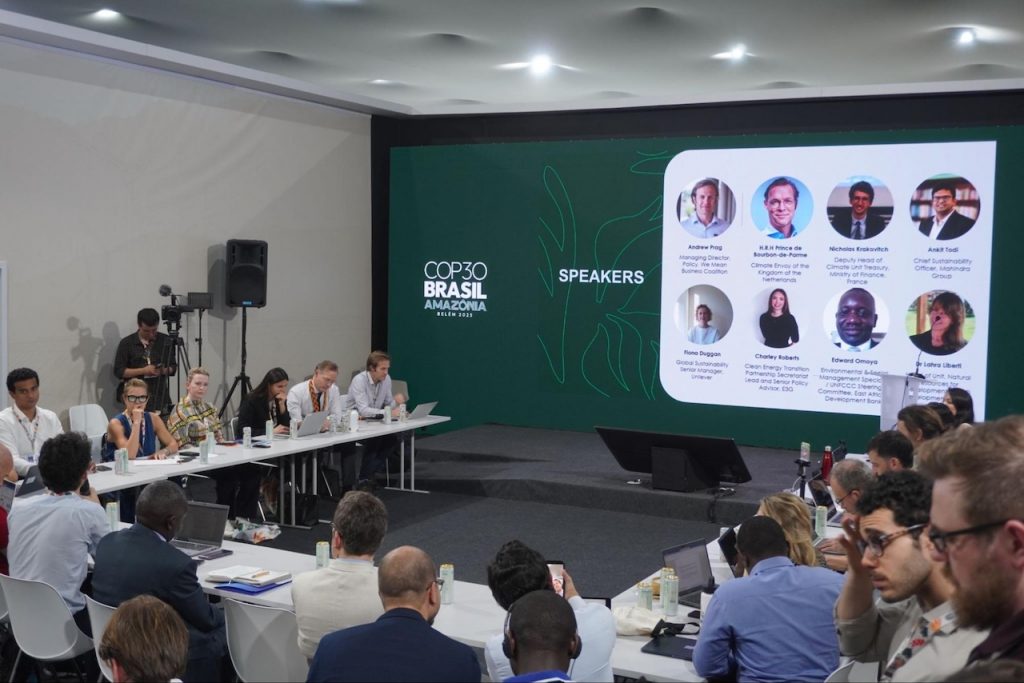
I attended several negotiations centred on climate policy, including climate finance and the global goal on adaptation. One key discussion I witnessed that lasted several hours centred on the Baku to Belém Roadmap, which aims to mobilise up to US$1.3 trillion annually by 2035 to support developing countries.
Even so, much has been said about the lack of a clear action plan and priorities for implementation. A new climate deal was struck, yes, but countries couldn’t agree on concrete measures to transition away from fossil fuels.
What people might not know is that navigating the negotiation rooms was another challenge in itself—I logged over 20,000 steps in a matter of hours amid the heat and humidity.
But the work can’t stop. At one point, a fire broke out somewhere in the venue. The negotiations barely paused.
All this while, protestors were working overtime. Some were young activists, taping their mouths while holding their signs in silent protests. Other times, it got more intense, such as when the leaders of Indigenous communities moved into the venue on the second night of COP30, insisting that their concerns not be overlooked.
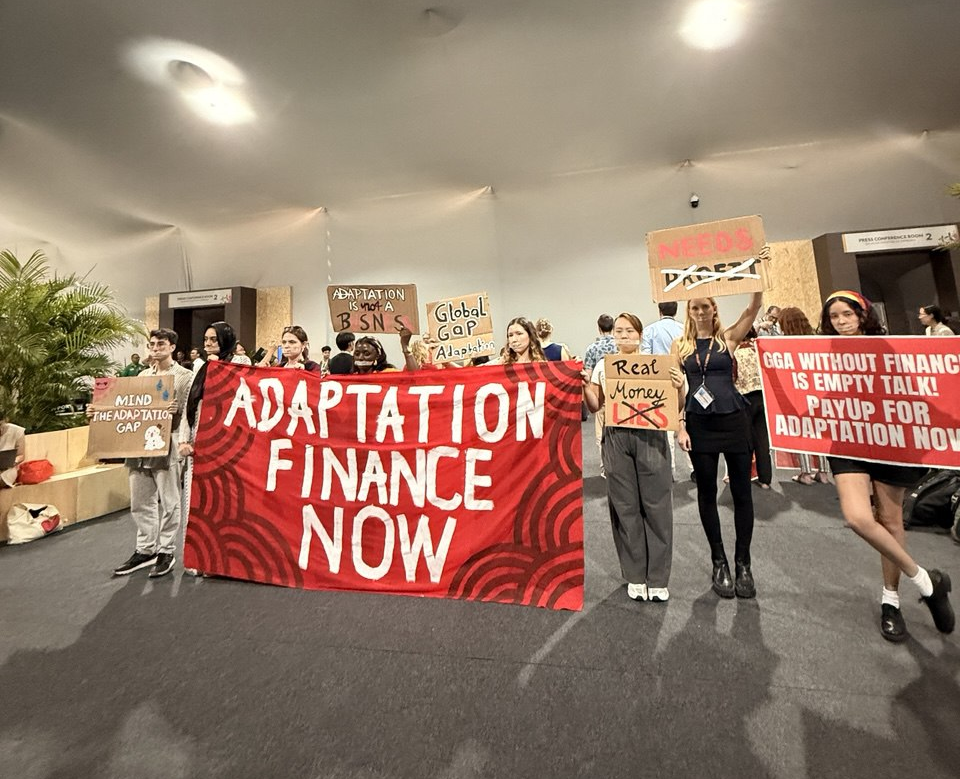
Watching these protests unfold, I was struck by the urgency they represented and reminded of what is at stake beyond the negotiation rooms. The more I saw exhausted delegates and passionate communities fighting to be heard, the harder it became to hold on to the hope I had carried into COP30.
What I once imagined would be inspiring began to feel overwhelming. I was questioning whether my belief in global cooperation had been naive.
Collective Action
What ultimately pulled me back from the edge of discouragement were the people who reminded me why this work—challenging as it is—matters. At the ASEAN and Singapore Pavilions, I met youth leaders from every corner of the world who shared their inspiring community initiatives and climate work with others.
Tishiko King, an Indigenous Australian from Masig Island, is one such inspiring climate advocate. She first became aware of the impacts of climate change through the erosion of her ancestors’ graveyard on Masig—Tishiko helped to recover their bones for reburial—and by witnessing fish disappear from traditional fishing grounds.
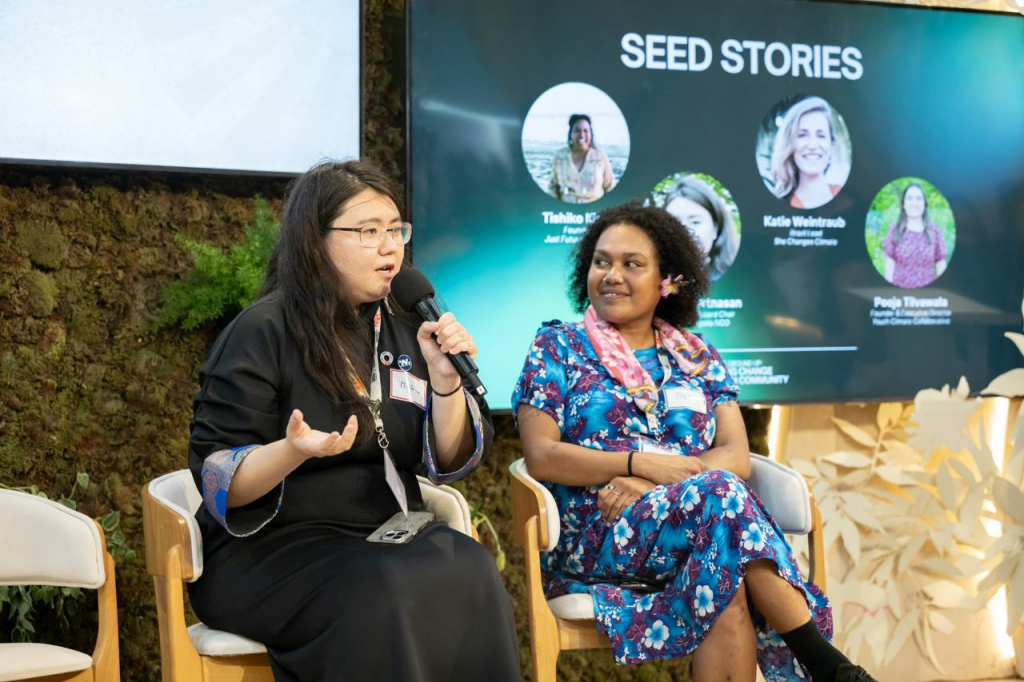
These experiences led her to organise and support Indigenous-led community action, to advocate for island communities threatened by rising seas at COP, and to carry deeply local struggles directly into global climate discussions.
It made me reflect on my personal responsibility as a climate leader: to represent my community’s voices and champion youth-led action in Singapore. Their commitment reminded me that optimism, even in challenging moments, is sustained by collective effort.
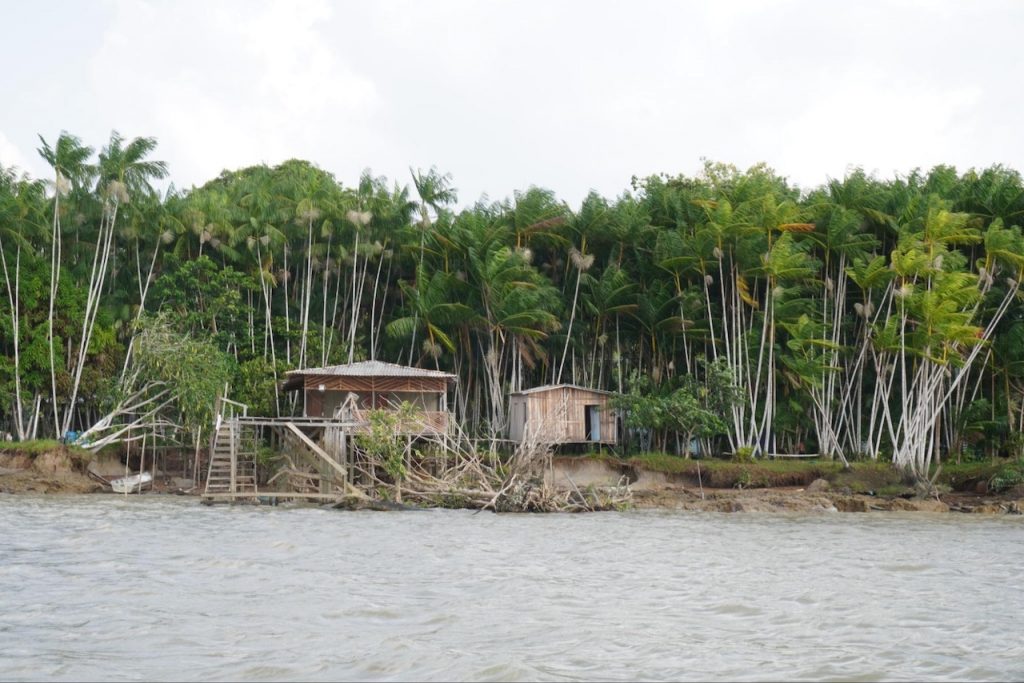
As Zaheer, a fellow Singaporean youth delegate, noted, some of the most affecting moments happened outside the negotiation halls.
During our visit to Combu Island, a riverside community in the Amazon already living with the consequences of climate change, we met Samy, a Belém resident who described how soil erosion had eaten into their land, homes, and churches.
She further shared how periods of drought, followed by intense rainfall, had disrupted daily life and their livelihood: sustainable cacao farming.
Despite these challenges, the residents of Combu Island continue to do what they can to contribute to sustainable climate efforts. One example shared by a resident, Lana, was their use of insects to decompose toilet waste and convert it into fertiliser for their crops, including the acai trees that the island is known for.
Sitting with that story, I realised how much climate resilience can look like adaptation born out of necessity rather than grand solutions. It’s a lesson in ingenuity and persistence—one that we, as Singaporeans, could stand to carry into our own climate work.
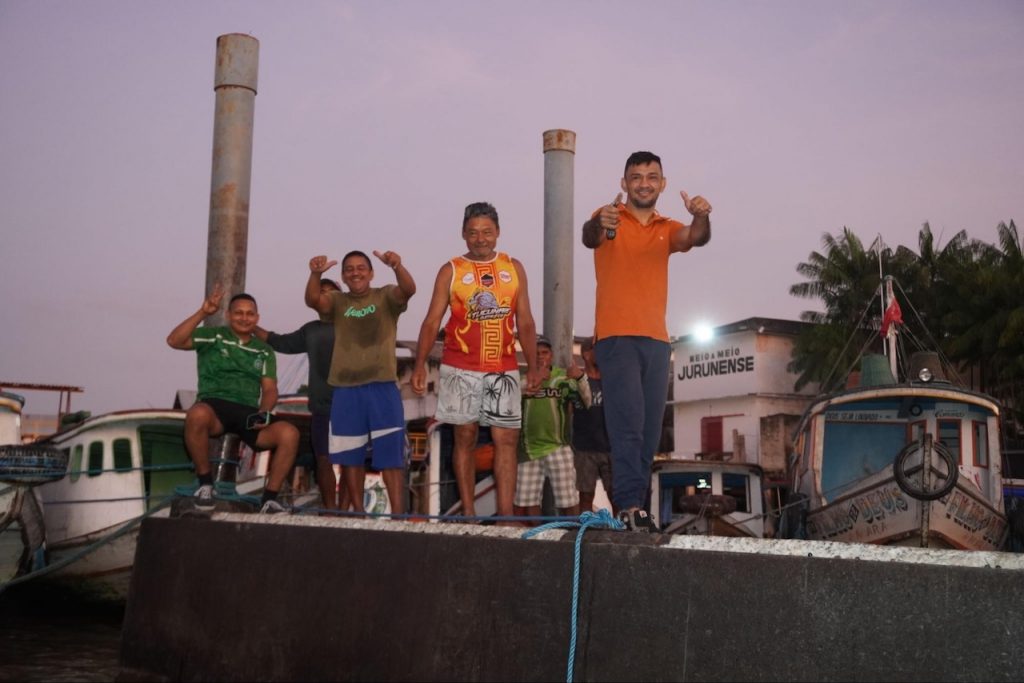
Small, But Not Powerless
For many of my fellow Singaporeans, climate change feels distant—something that manifests in deadly forms elsewhere, like floods in Aceh or landslides in Sri Lanka.
But the choices made at COP shape realities that will land squarely on our doorstep. From rising food prices as regional harvests become more volatile to the billions spent strengthening coastal defences against sea-level rise, these choices determine whether Southeast Asia remains livable in our lifetimes.
Being at COP30 forced me to confront how easy it is to feel small in the face of a crisis this vast, especially coming from our little red dot. But it also made something else clear: feeling small does not mean being powerless.
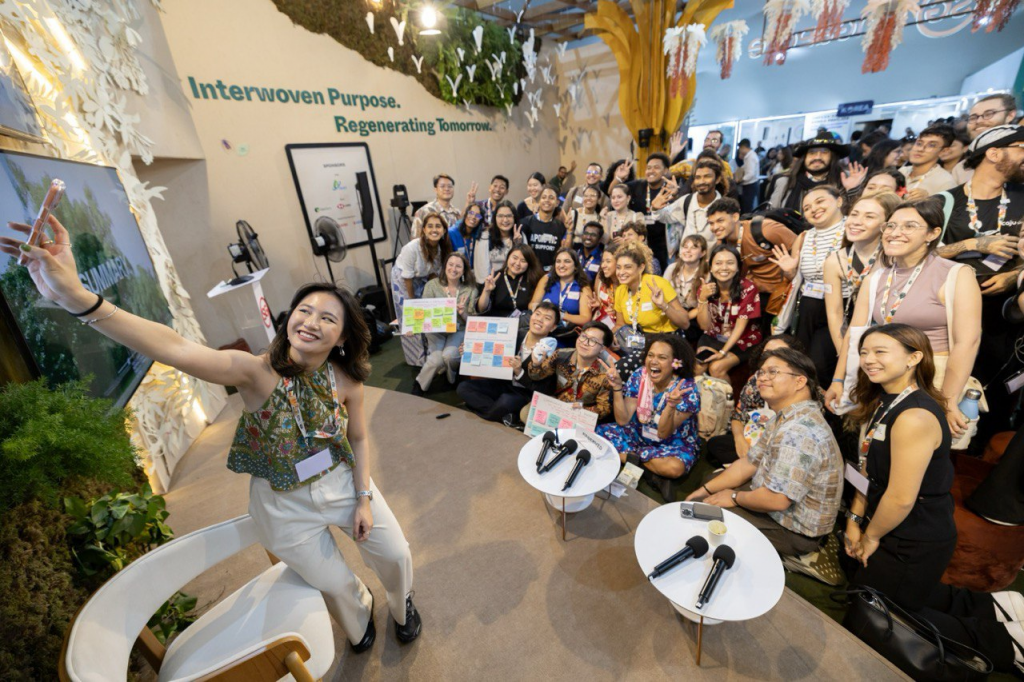
Singapore can continue its climate efforts, not through size (we account for just 0.1 percent of total global emissions) but through innovation. Through our floating solar systems that can power about 16,000 4-room HDB flats. Through multilateralism, like when Singapore and Malawi signed a Memorandum of Understanding to collaborate on carbon credits. And through the way we empower our communities, with initiatives like our $50 million SG Eco Fund, which supports community-led sustainability projects.
From Belém to Singapore, responsibility for action is shared. Regardless of whether we are residents, community organisers, or students, we can all contribute to turning individual action into collective impact.
I intend to be one of them, adding my voice to the many youths who refuse to give up on our shared future.