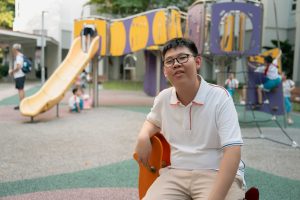
Andriel Cheong, 24, is a sociology and political science undergraduate at Singapore Management University and co-founder of the Ichthyological Society of Singapore (ichthyology is the study of fish).
In this op-ed for RICE, he argues that environmental heritage and sociocultural value should carry as much weight as the tangible, measurable metrics in impact assessments for Singapore’s development projects.
Top image: Andriel Cheong
First it was Maju Forest. Then came Western Island.
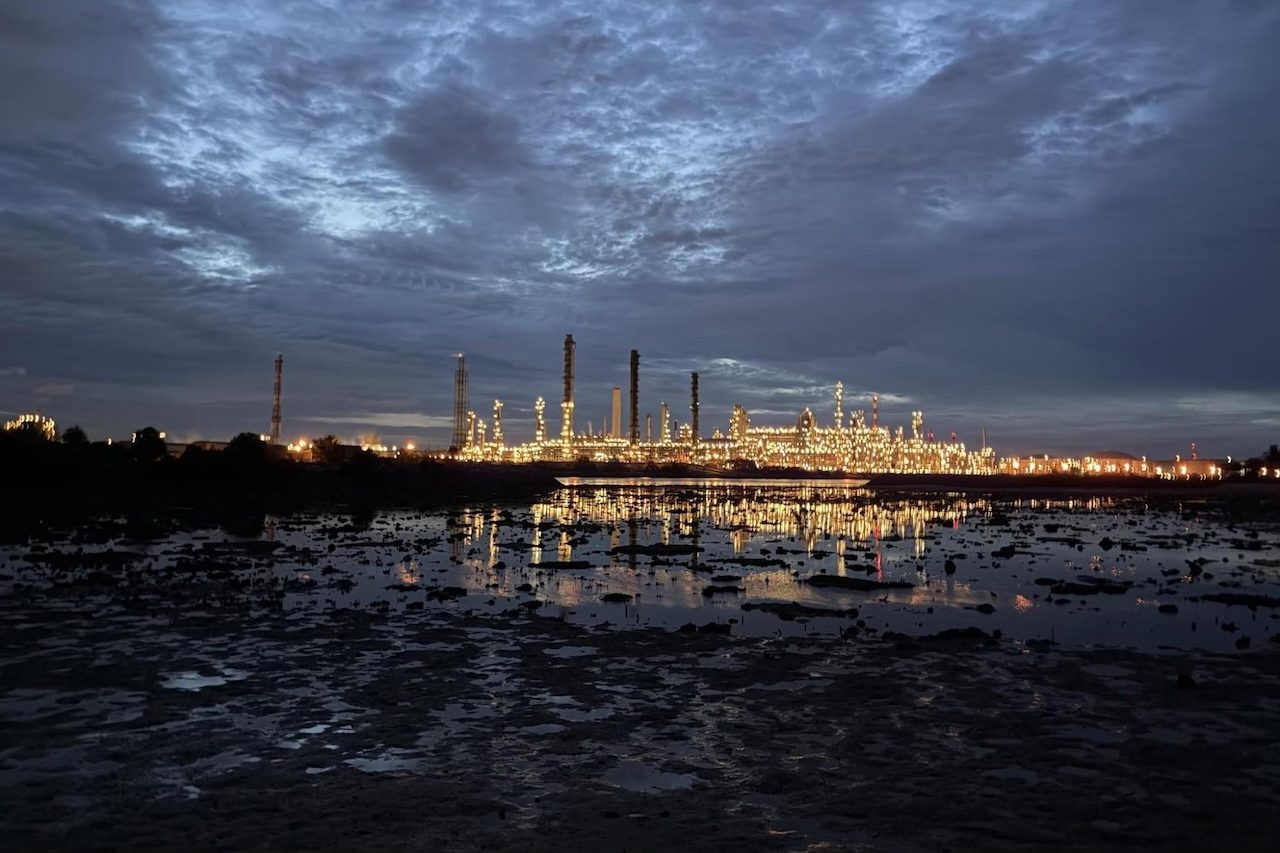
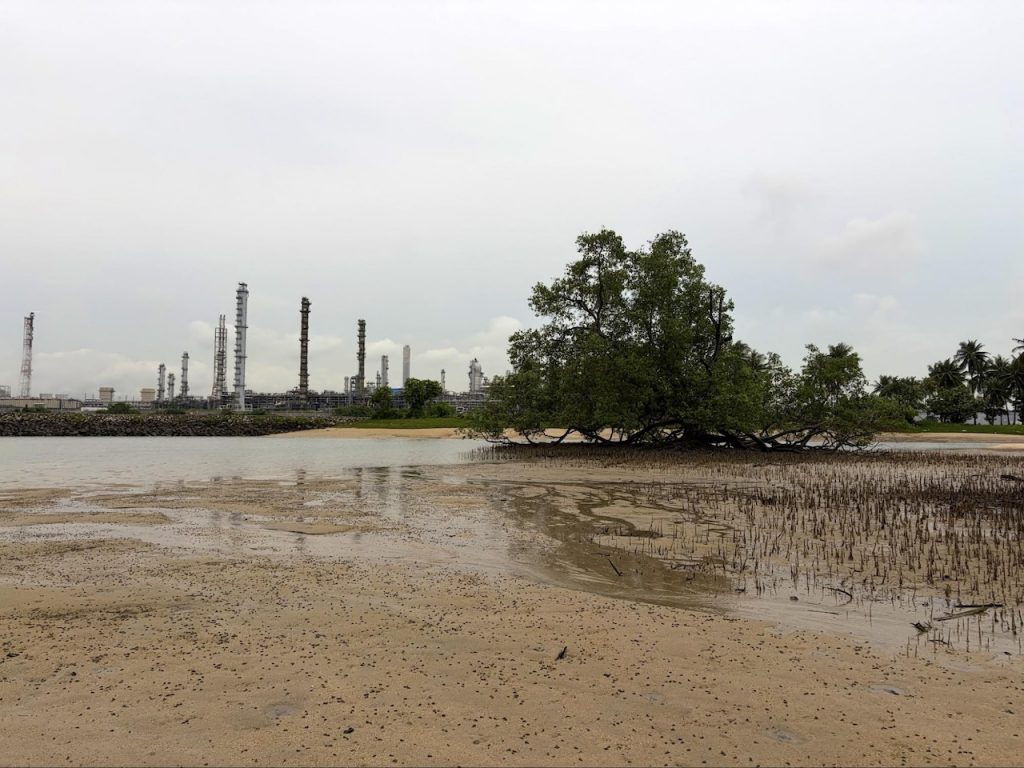
After Prime Minister Lawrence Wong unveiled a slew of welcomed family-centric policy changes during National Day Rally 2026, he capped off his speech with an all-too-cheerful announcement of Western Island: a proposed multipurpose development potentially serving industrial, energy and defence functions that would effectively necessitate yet another round of land reclamation around Singapore’s Southern Islands.
Perhaps this is my sign to get that long-awaited vasectomy. Not a chance I’m having kids in this economy reality.
The other co-founders of the Ichthyological Society of Singapore (ISS), already weary after weeks of contesting Long Island’s environmental assessments, likewise lamented Western Island’s announcement in exasperation.
Other nature and heritage groups had equally visceral responses and cited grave concerns regarding marine biodiversity, as the area around the islands slated for development harbours a significant portion of Singapore’s remaining coral reefs that support a wide variety of marine fauna.
But what really took me aback was the sheer derision some Singaporeans directed at the negative responses to Western Island, even after the emotional rollercoaster of grief, sympathy, and public outcry over the plight of Maju Forest.
I sometimes wonder if we’ve thoroughly lost the plot.
Here We Go Again
What has already been said by scientists and nature groups about the impact of the proposed Western Island?
The loss of 8000-year-old mother reefs. The loss of ecological connectivity. The loss of natural heritage. Increased sedimentation from reclamation works would choke fish gills and cause mass fish deaths.
In response to these concerns, the government has tirelessly repeated promises of technical studies, difficult decisions, and “planning for both” people and nature.
Because repeating the same thing would certainly make the outcome seem less concerning.
Because straddling the middle of literally nowhere amidst uncertain timelines would certainly earn more trust from jaded stakeholders.
With Western Island arriving like a well-timed slap in the face after the Maju Forest debate, it’s understandable then that both sides are effectively locked in a rhetorical stalemate.
More commentators, perhaps sufficiently disgruntled by the sustained, “tiresome” chatter spilling over from Maju Forest conversations, have also joined the fray with less sympathetic views.
As a co-founder of ISS—a budding nature group full of fish enthusiasts—I’m somewhat perplexed by my perceived position in all this. If we go by the logic of the chronically online former Nominated MP Calvin Cheng, I’m an extremist.
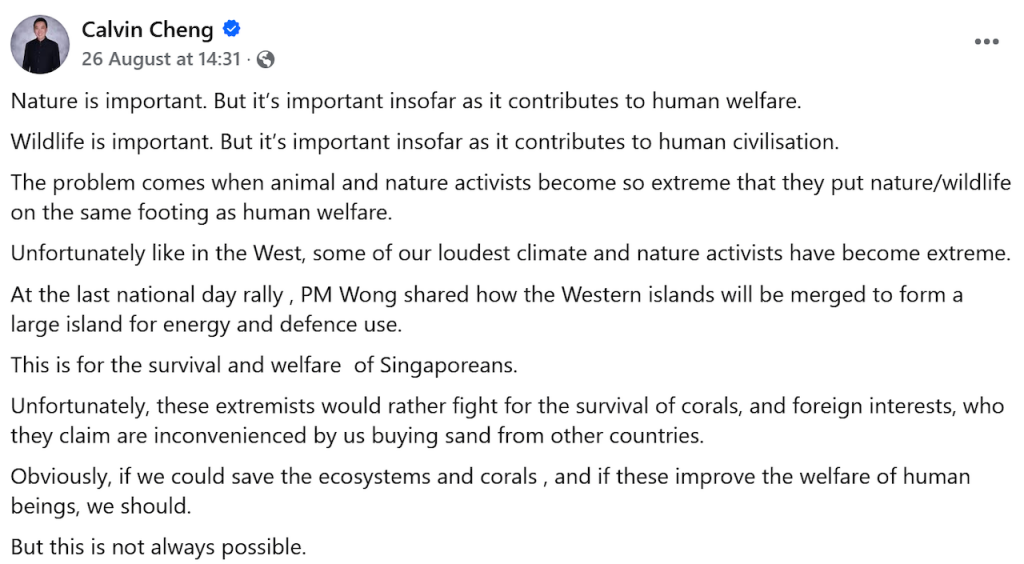
The Straits Times columnist Bhavan Jaipragas, while offering more constructive perspectives, might denounce me as “woke” with a hard “W”. He speaks of the brewing resentment among a rather ill-defined proletariat fanning the flames of class warfare.
I’d argue that both commentators fail to recognise the real source of discontent: Singapore still lacks a proper framework for understanding nature beyond its instrumental value.
My Favourite Three-Letter Word: EIA
At this point, you might be wondering—what about our Environmental Impact Assessments (EIAs)? A term we’re now all too familiar with, for better or for worse.
As URA states, EIAs allow Singapore to systematically understand the magnitude of environmental impacts from proposed development projects and, consequently, the requirements and effectiveness of resulting mitigation measures before each project is given the go-ahead.
Whether EIAs actually measure the full extent of environmental impacts is a conversation for another day; here I’m only focusing on what they explicitly aim to measure.
Currently, the biodiversity component of EIAs is mainly informed by NParks’ Biodiversity Impact Assessment (BIA) Guidelines, which delineate assessment standards including survey method recommendations and advised report components.
What the BIA Guidelines don’t cover—and by extension, what EIAs don’t typically set out to measure—are the impacts on sociocultural aspects tied to the environment of assessed areas.
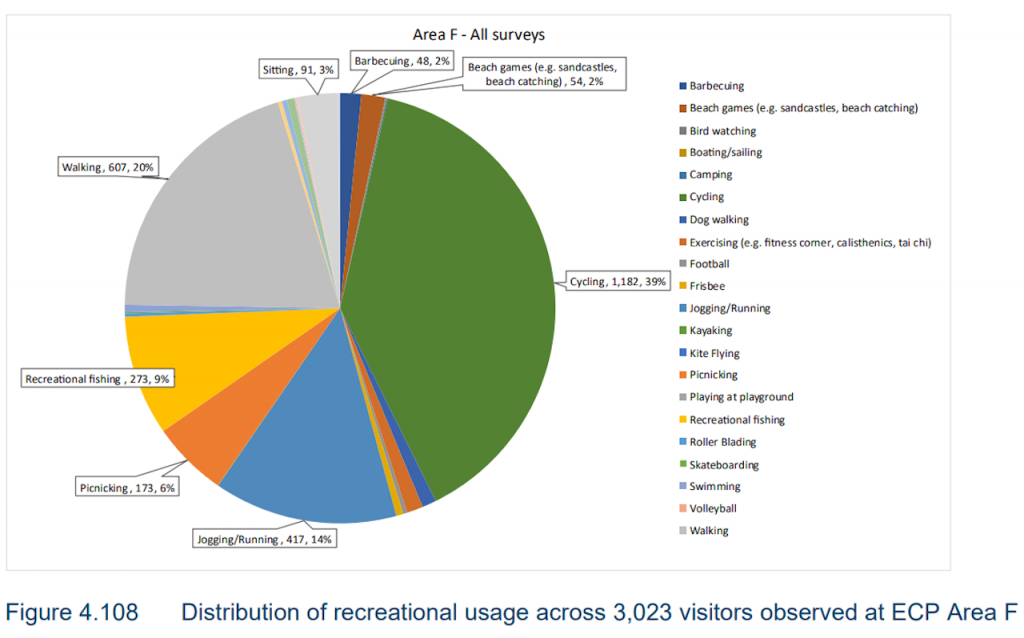
There are certainly outliers; when ISS went through the environmental study for Long Island’s preparatory works, we noted that East Coast Park’s recreational significance was assessed by footfall.
However, because EIAs are just not intended for measuring sociocultural value, the nuanced meaningfulness of both places and activities may not be reflected, as is the case with Long Island’s footfall assessment.
At Bedok Jetty, for instance, you’d always find old-timers selling packets of pre-tied fishing hooks sealed in newspaper or resealable sachets.
These hooks—known simply as tamban (sardine) hooks—feature an entire string of chartreuse or white ‘feathered’ hooks reminiscent of what Japanese fishers call ‘sabiki rigs’.
But make no mistake, tamban hooks are no mere imitations.
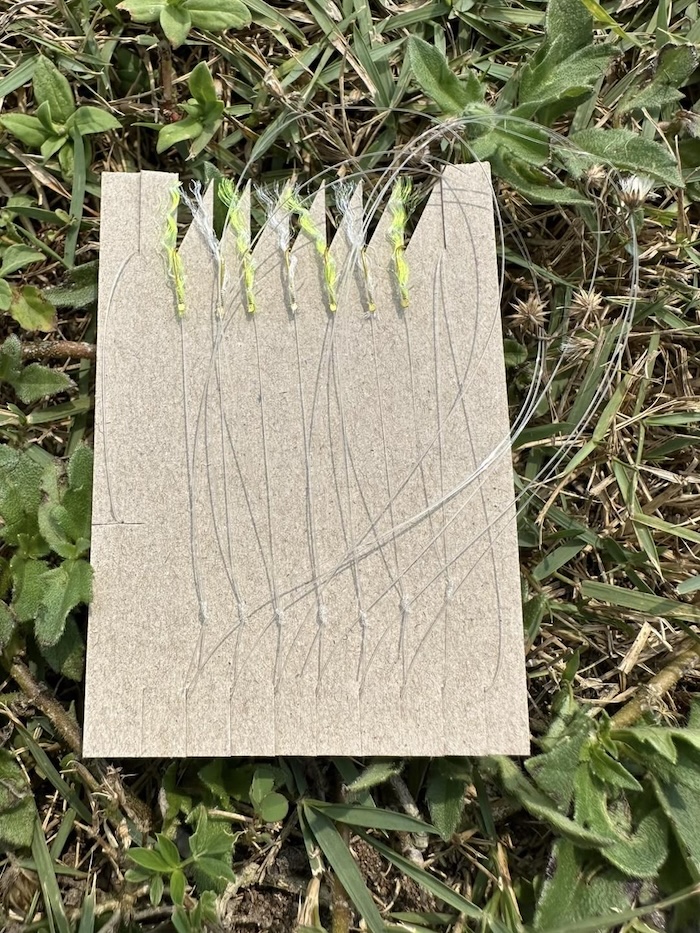
As my fellow ISS co-founder Jiayuan would say, these hooks are the “greatest plankton mimic in the world”. They’re highly effective at catching not just sardines at Bedok Jetty, but planktivorous fish across the world.
A regular once told me the current ‘feathers’ came from trial-and-error experiments with various household objects after the tamban got more finicky.
In the 1980s, they apparently bit bare fishing hooks. But even fish get smart, and local fishers had to improvise.
While the exact components of tamban hooks are trade secrets I’m not at liberty to divulge, the point still stands. The ingenious craft behind tamban hooks reflects local environmental knowledge that is indispensable to East Coast Park’s ground-up culture and environmental heritage.
As much as ISS hoped it was captured in the relevant EIA report, we also understand it does not technically fall under the purview of EIAs.
We’ve raised the possibility of conducting Heritage Impact Assessments (HIAs) for the physical structure of Bedok Jetty to document its heritage with the Urban Redevelopment Authority (URA), though the outcome remains to be seen.
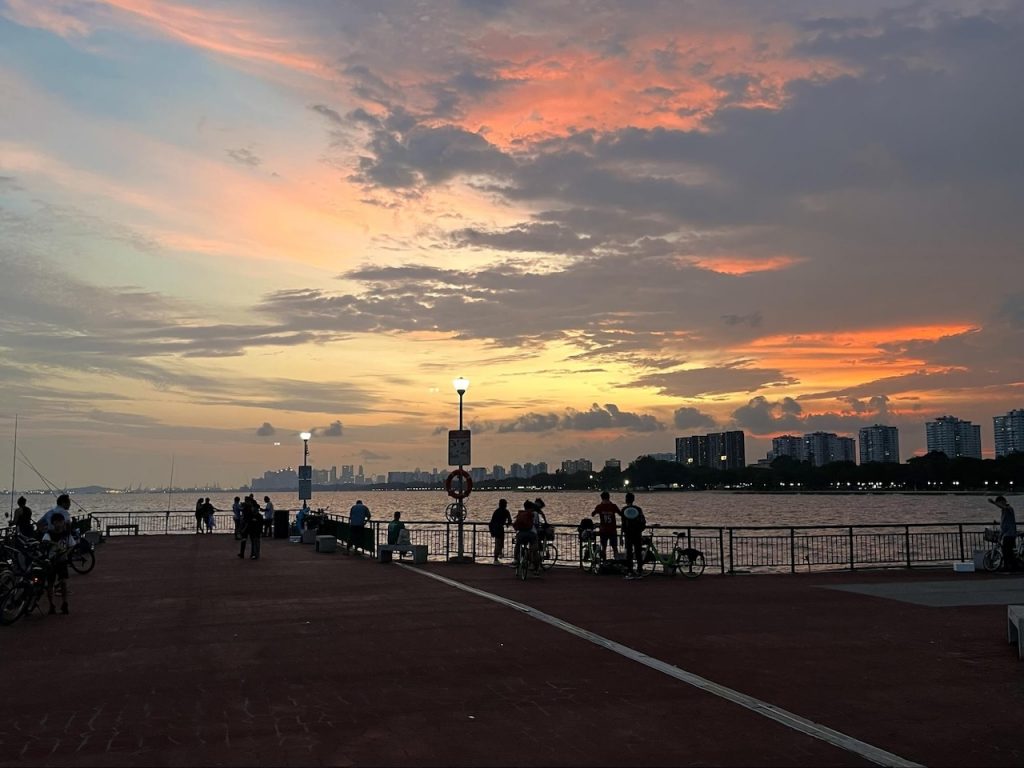
That said, based on publicly available information, it is unclear under what circumstances HIAs would be implemented. At present, they seem to apply only to built heritage like historical building infrastructure.
Singapore is good—perhaps too efficient—at translating existing biodiversity and ecological habitats into economic and/or infrastructural capital for public value proposition, as is the case with Western Island.
But as it stands, we do not have a robust enough framework to measure our environmental heritage, i.e. natural capital, against potential gains in development capital. It’s an essential step for engaging in Singapore’s favourite pastime of making trade-offs.
Yes, we do have HIAs, but their current scope is sorely limited for the various possibilities of what we call “heritage”.
Perhaps it’s time we expand our definition of ‘heritage’ and incorporate environmental heritage into our HIAs so they can function as an accompanying framework to EIAs.
Whoever Governs Singapore Must Not Only Have Iron in Mind
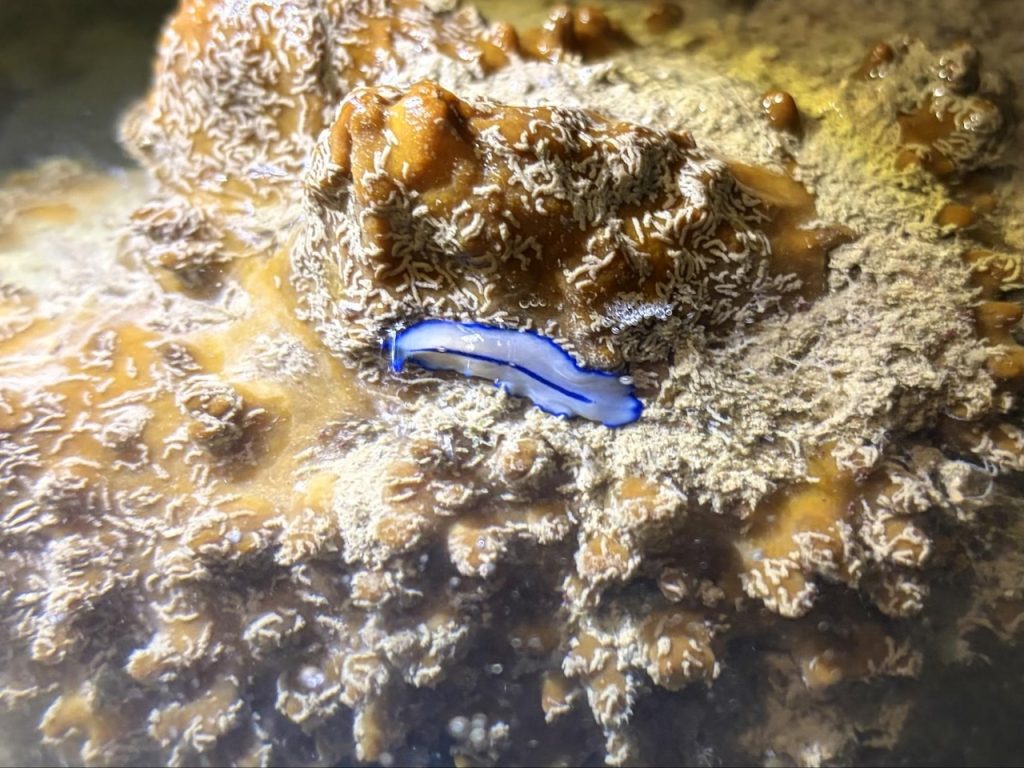
So why does an expanded HIA framework actually matter?
For starters, we need to acknowledge the two broad value categories that make up what we know as ‘nature’—ecosystem services and instrumental value.
Ecosystem services comprise the range of benefits that humans gain freely from functioning natural environments. These services fall into various categories, but the two of concern here would be regulating services and cultural services.
Regulating services are the more tangible benefits we get from ecosystems moderating natural processes, which include climate-related risk regulation and mitigation. Cultural services comprise intangible benefits like sociocultural value.
In Singapore, these services are well-documented. A 2025 study on Singapore’s natural assets revealed not only their importance in mitigating climate-related risks, but also their sociocultural significance to the average Singaporean.
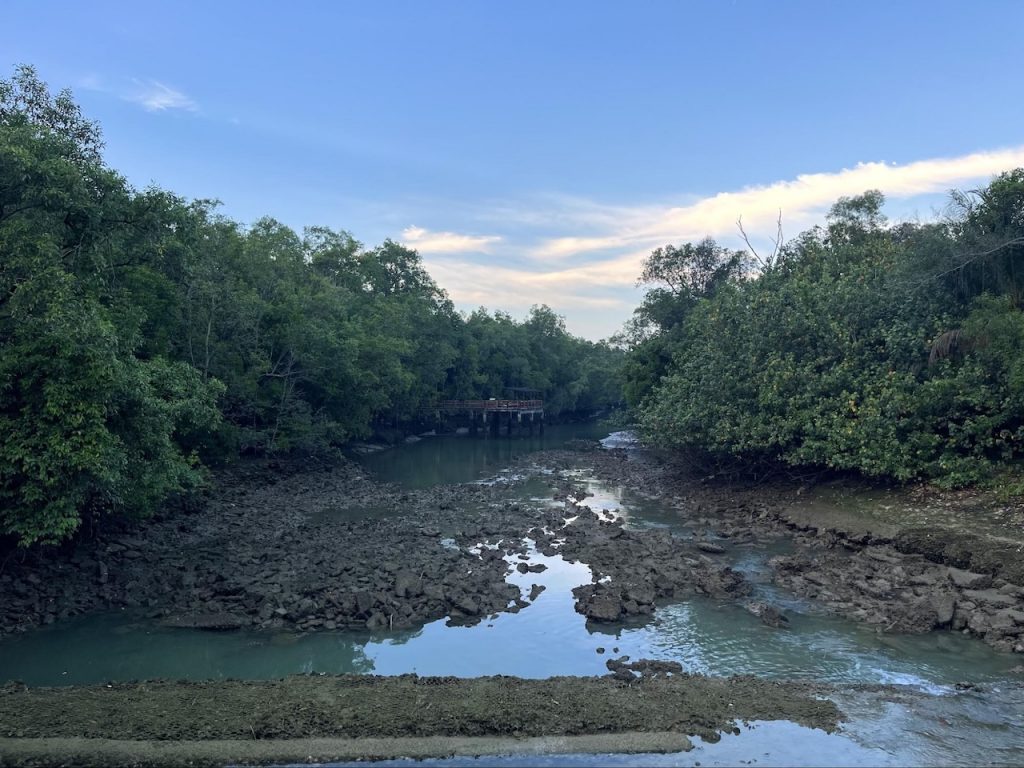
The sociocultural significance of Singapore’s nature spaces has been a key talking point regarding both Maju Forest and Western Island. And for good reason.
Nature spaces, whether green or blue, function as ultimate third spaces: informal, no-frills places between home and work where individuals of all walks of life can gather (mostly) free of charge.
“Even with my busy (university) schedule, I always try to make time to go fishing at sea and unwind after a hectic week,” said Brian, another co-founder of ISS.
“Chilling in nature, it takes away the stress from life.”
Indeed, the ocean doesn’t judge you for getting retrenched because of AI. The trees will never ask why you haven’t gotten married or have had kids.
They simply ask you to show up and pay attention with your senses. And from there, you shall be rewarded.
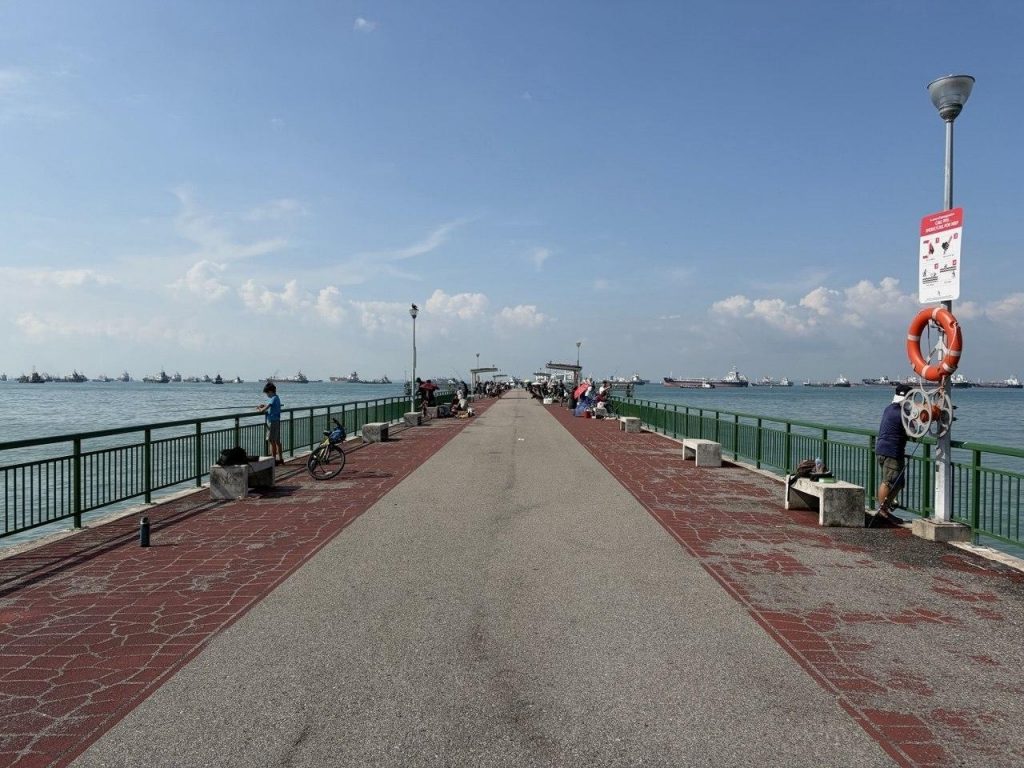
On the other hand, instrumental value takes a more hierarchical view, asking how nature’s components can serve human goals, such as infrastructure development and economic growth. I think we’re all too familiar with this.
Here lies the problem.
The current EIA framework and the associated BIA Guidelines may be adept at measuring biotic factors, such as the taxonomic groups within a given ecosystem, in service of instrumental value.
Functionally, however, they are ill-equipped to evaluate ‘environmental impacts’ because they remain apathetic to everything else we understand as the ‘environment’ and ‘nature’, including ecosystem services, whether regulating or cultural.
Simply put, if you don’t get the full picture of ‘nature’ and ‘environment’, you can’t claim to have measured any impacts on them.
Perhaps this is why so many Singaporeans are riled up over Maju Forest and Western Island.
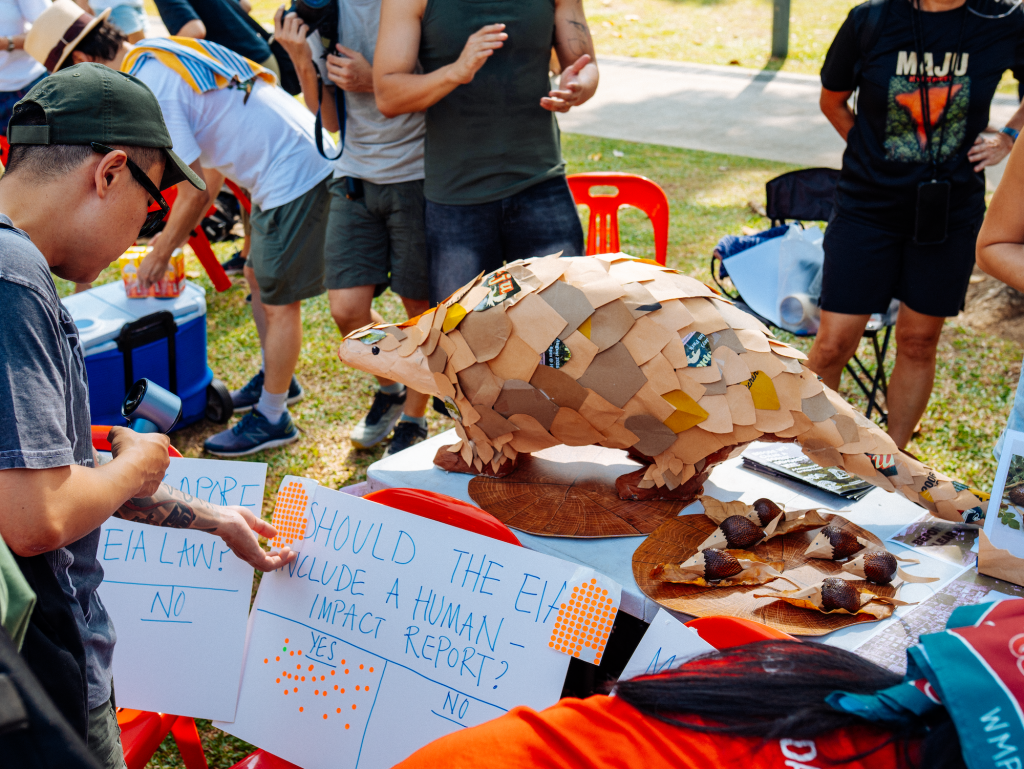
It’s not that we don’t want ‘progress’ (whatever that actually means).
It’s the fact that we do not have sufficient evaluation frameworks that capture what ‘nature’ and the ‘environment’ mean to us as a nation before we even consider putting them on the chopping block.
Because we fundamentally cannot make good decisions unless we truly understand what the tradeoffs actually mean to us.
The EIAs and the BIA Guidelines were not built to measure ‘nature’ beyond instrumental value. This is why other studies like HIAs should expand their definition of ‘heritage’ to include environmental heritage—our relationship with the land and sea.
Or even better, adopt entirely new tailor-made frameworks.
Natural Capital Assessment (NCA), which evaluates ecosystem services nature provides to humans, is increasingly regarded as critical for incorporating the true extent of nature’s value into policymaking.
And the best part is that it has already been applied to Singapore in a recent study.
With Western Island, since the idea of it was just mooted, perhaps there is a silver lining. There is still time to draw up better frameworks.
We Need Green and Blue Spaces To Have Sex
In my previous piece for RICE in June, I cynically questioned if Singaporeans have collectively decided that local biodiversity losses are not worth mourning.
Just weeks later, Maju Forest’s clearing was announced.
As the ensuing public discourse intensified, I was heartened, if somewhat surprised, to have been proven utterly wrong.
Deep down, perhaps most Singaporeans—even members of the supposedly unfeeling bureaucracy preoccupied with pushing development projects—do care about nature, even in the most abstract sense.
(Maybe everyone except Calvin Cheng.)
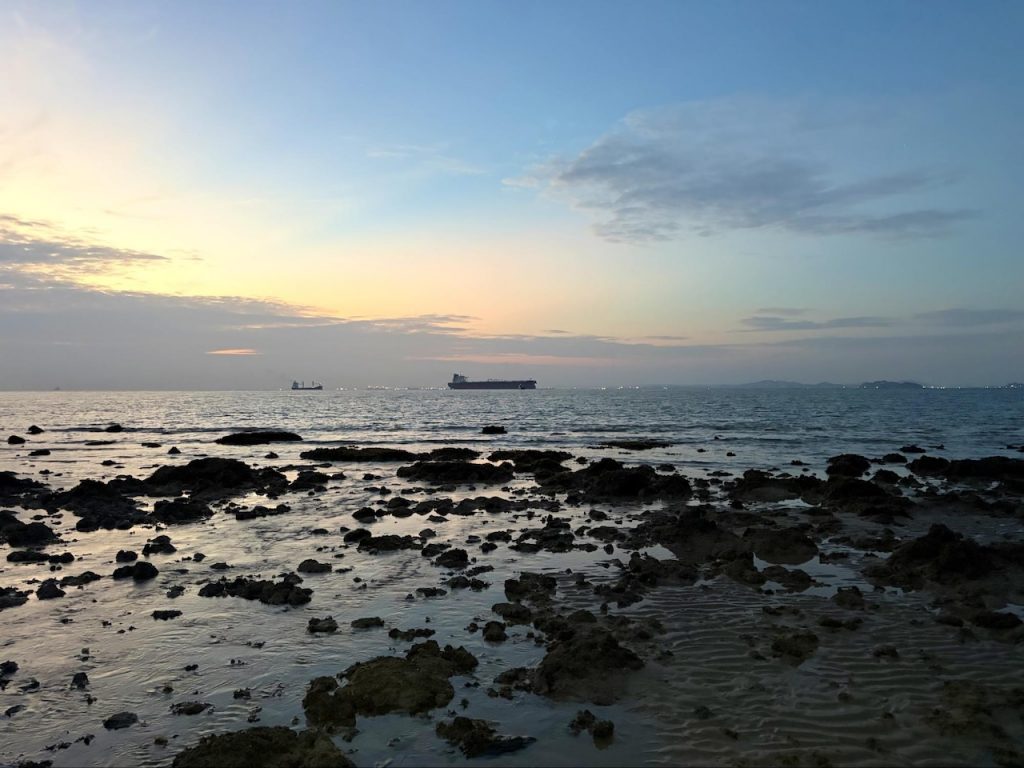
Sure, there’s been some back-and-forth mudslinging between nature lovers and uncritical development apologists among the populace.
But let’s not lose sight of the underlying takeaway—that the recent civic discourse, in all its unpolished rawness, signals Singaporeans’ increasing appetite for more collaborative processes, rather than top-down civic discourse, even for issues not directly concerning their material well-being.
A Singapore for future generations is a subject that often crops up, and rightly so.
Today’s Singaporeans form a far more informed populace that cannot simply be pacified (even patronised) by yet more promises of industry and innovation.
Youths like myself are especially aware that we’re saddled with the unwilling burden of watching the world increasingly descend into climate hell.
So pardon us if we’re actually concerned when green and blue spaces that not only offer pre-existing cost-efficient coastal protection against climate-induced risks but also sanctuary from life’s stressors are earmarked for development to no clear end.
Perhaps it’s time we consider the concept of ‘Environmental Heritage Impact Assessments’. If our brains haven’t already been fried by El Niño.
After all, the debate about Maju Forest and Western Island isn’t simply between conservation and development.
At its core, it’s both an outpouring of grief for our favourite haunts being lost in time to redevelopment, and a reflection on whether this Singapore is still worth putting down roots.